Increasing VO2 max, a key indicator of cardiovascular fitness, can significantly improve longevity, ease daily physical activities, and enhance mental health by reducing stress and emotional strain, with many fitness trackers now making it accessible for the average person to monitor and improve this metric.
Regular cardiovascular exercise, such as cycling, is strongly associated with a significantly reduced risk of developing dementia, with high fitness levels linked to an 88% lower incidence and delayed onset, though the exact causal mechanisms remain unclear.
A recent study published in Neurology found that cycling workouts can reduce dementia risk by 88%, with highly fit women delaying dementia onset by 9.5 years. The study emphasizes the benefits of aerobic exercise for brain health, suggesting that regular cycling, whether indoors or outdoors, can be a simple lifestyle change to lower dementia risk, especially for women.
A fitness editor introduces the 3-4-5 walking workout, a HIIT-style walking routine that involves alternating between low and high intensity for a total of 35 minutes, designed to boost cardiovascular health and mood while being accessible and easy to do anywhere.
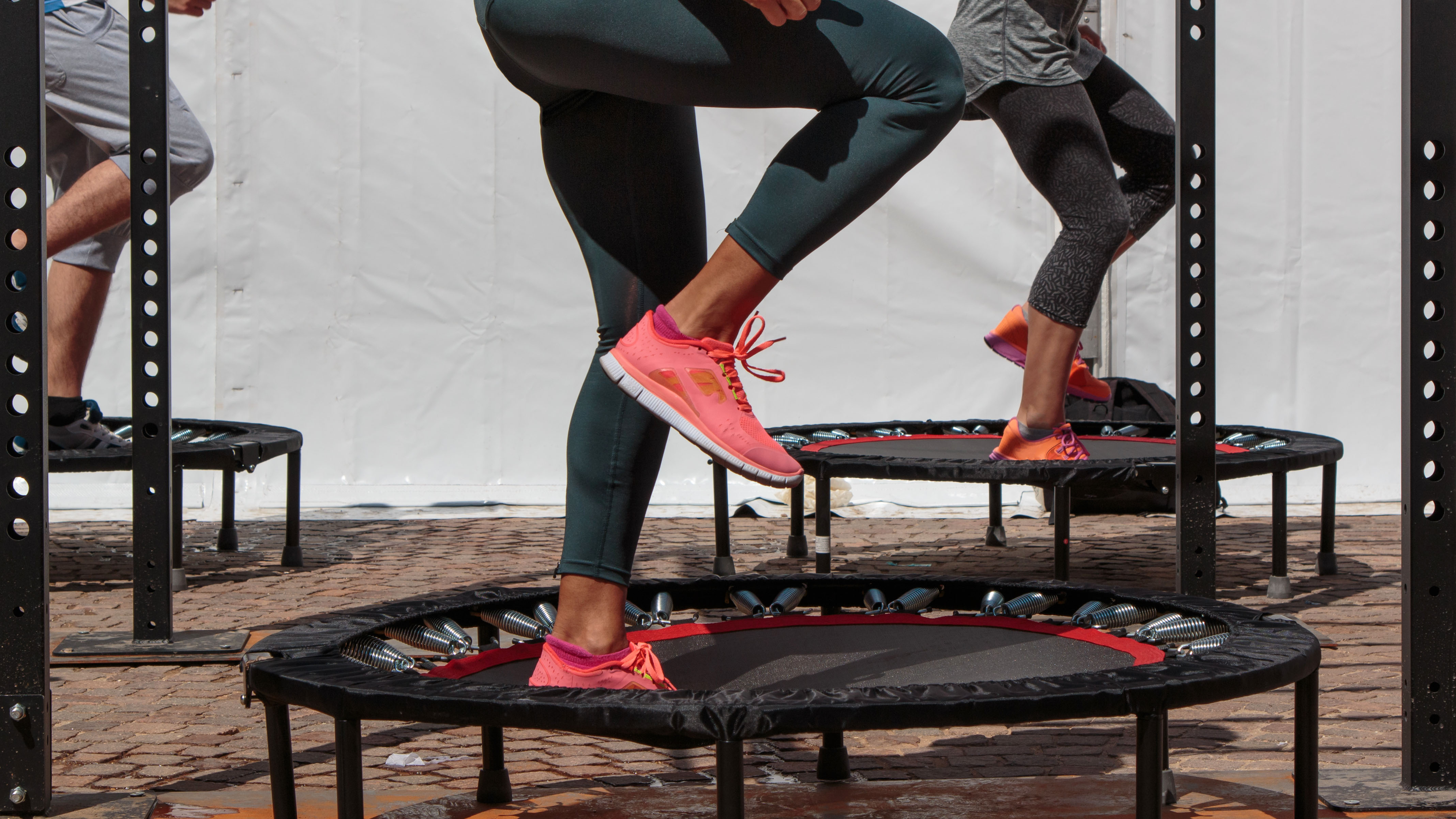
NASA research suggests that rebounding on a mini trampoline is more effective than running for boosting cardiovascular health, building muscle, and improving overall fitness, with benefits including lower joint stress and quicker recovery, making it a fun and efficient workout alternative.
A groundbreaking 2-year study found that middle-aged adults can reverse 20 years of heart aging through structured exercise, effectively making their hearts function like those of 30-year-olds, highlighting the importance of regular physical activity for cardiovascular health.
Jane McGuire tried a 5-2-4 fartlek walking workout for a week and found it to be an effective, time-efficient way to boost cardiovascular health, burn more calories, and improve mood, all within a 30-minute session that can be easily incorporated into daily routines.
Exercise snacks, short bursts of vigorous exercise done intermittently throughout the day, can improve heart health by boosting cardiovascular fitness. Research shows that 1-2 minutes of vigorous exercise in intervals throughout the day can reduce the risk of cardiovascular disease and improve muscle function. Ideas for exercise snacks include taking the stairs, brisk walking, bodyweight exercises, jumping rope, and doing chores. These quick routines can be easily incorporated into daily activities to benefit heart health, regardless of age or fitness level.
This 20-minute dumbbell workout targets multiple muscle groups with compound exercises, benefiting both strength and cardiovascular fitness. With six moves including front squats, bent over dumbbell rows, lunges, dumbbell swings, push press, and renegade rows, this routine can be intensified by increasing reps. When combined with a balanced diet, regular sessions of this workout can effectively build muscle. Additionally, a 15-minute bodyweight workout is also suggested for those seeking a shorter yet intense alternative.
Standing ab workouts are gaining popularity as they engage core muscles without requiring lying down, making them accessible for those with mobility issues or limited floor space. This particular standing ab workout is kind to the knees and focuses on sculpting the core muscles. The workout consists of four rounds of exercises, including oblique crunches, around the world knee crunches, lateral chops, and straight to cross punches. Benefits of a standing ab workout include improved functionality, cardiovascular fitness, and stability, with minimal impact on joints.
A 10-week study conducted in Germany compared the learning performance and immune system activity of individuals engaged in cardiovascular exercises (cycling) to a control group (stretching exercises). While there was no significant difference in learning performance between the two groups, those in the cardiovascular group who exhibited greater learning also demonstrated a more robust immune response following their exercise sessions. The study suggests that the immune system may play a central role in facilitating the positive effects of exercise on brain function.
Incorporating a daily 30-minute jump rope routine for 30 days can have transformative effects on the body. Jumping rope burns calories, aids in weight management, and targets various muscle groups. It improves coordination, balance, cardiovascular fitness, and joint health. Jumping rope also promotes mental well-being, discipline, and consistency. Individual responses may vary, and incorporating variety into the routine can enhance the overall impact.
Short sessions of high-intensity exercise, specifically high-intensity interval training (HIIT), before surgery can improve cardiorespiratory fitness and reduce the risk of complications, according to a review of 12 studies. The analysis found that HIIT can significantly enhance patients' fitness levels, as measured by indicators such as peak oxygen uptake, which is crucial for post-surgery recovery. HIIT exercises also lowered the odds of postoperative complications by 56%. However, more research is needed to determine if HIIT is more effective than other forms of exercise for prehabilitation.
Consistency is key when it comes to staying lean and healthy. A bodyweight circuit is recommended for women to do every day to stay trim. This workout targets the entire body, improves cardio and posture, and can be done at home without any special equipment. The circuit includes exercises such as hip bridges, pushups, split squats, Y-T-W-L exercises, bird-dogs, and mountain climbers. It is important to gradually build up the number of reps and take one full rest day each week.