
Solid-State EV Batteries: Cost, Heat, and Dendrite Dilemmas
TL;DR Summary
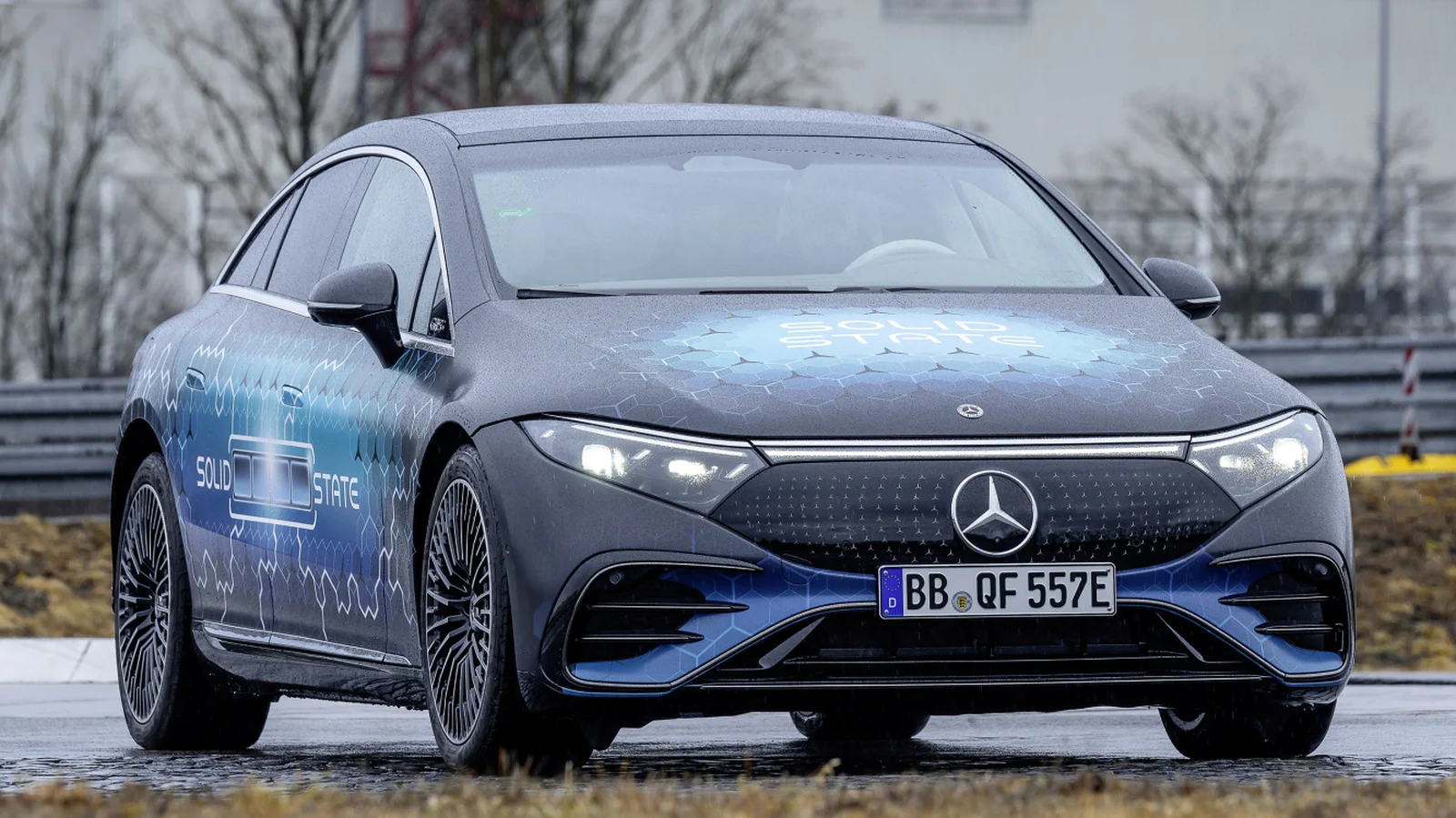
Solid-state batteries swap a liquid electrolyte for a solid one in EV cells, promising safety and higher energy density but face major hurdles before mass production: higher overall lithium demand and costs, risk of dendrite-caused short circuits and thermal runaway (with even non‑lithium options like sodium-ion as alternatives), stringent manufacturing tolerances and interfacial resistance at the cathode–electrolyte–anode interfaces, brittle ceramic separators prone to cracking, and thermal-management challenges since solid electrolytes don’t dissipate heat as easily as liquids.
Topics:business#dendrites#lithium#production-costs#solid-state-batteries#technology#thermal-management
- What Are The Biggest Challenges With Making The Switch To Solid-State Batteries? Jalopnik
- Solid-state battery race accelerates as 2 key players reach big milestones Automotive News
- Solid-State EV Batteries Just Got One Step Closer To American Roads SlashGear
- Solid State Battery Market is Set to Reach Valuation of US$ 30.50 Billion by 2035 | Astute Analytica Yahoo Finance
- Battery company announces 'game-changer' milestone that could make EV range anxiety a thing of the past: 'Marks a pivotal inflection point' The Cool Down
Reading Insights
Total Reads
1
Unique Readers
10
Time Saved
7 min
vs 8 min read
Condensed
95%
1,542 → 77 words
Want the full story? Read the original article
Read on Jalopnik