Bolivian miners and protesters clashed with police in La Paz during the second week of demonstrations against President Rodrigo Paz's economic reforms, including the removal of fuel subsidies, which has led to increased fuel prices and economic concerns. The protests involve miners, teachers, and Indigenous groups opposing the reforms, which aim to attract foreign investment and implement economic changes.

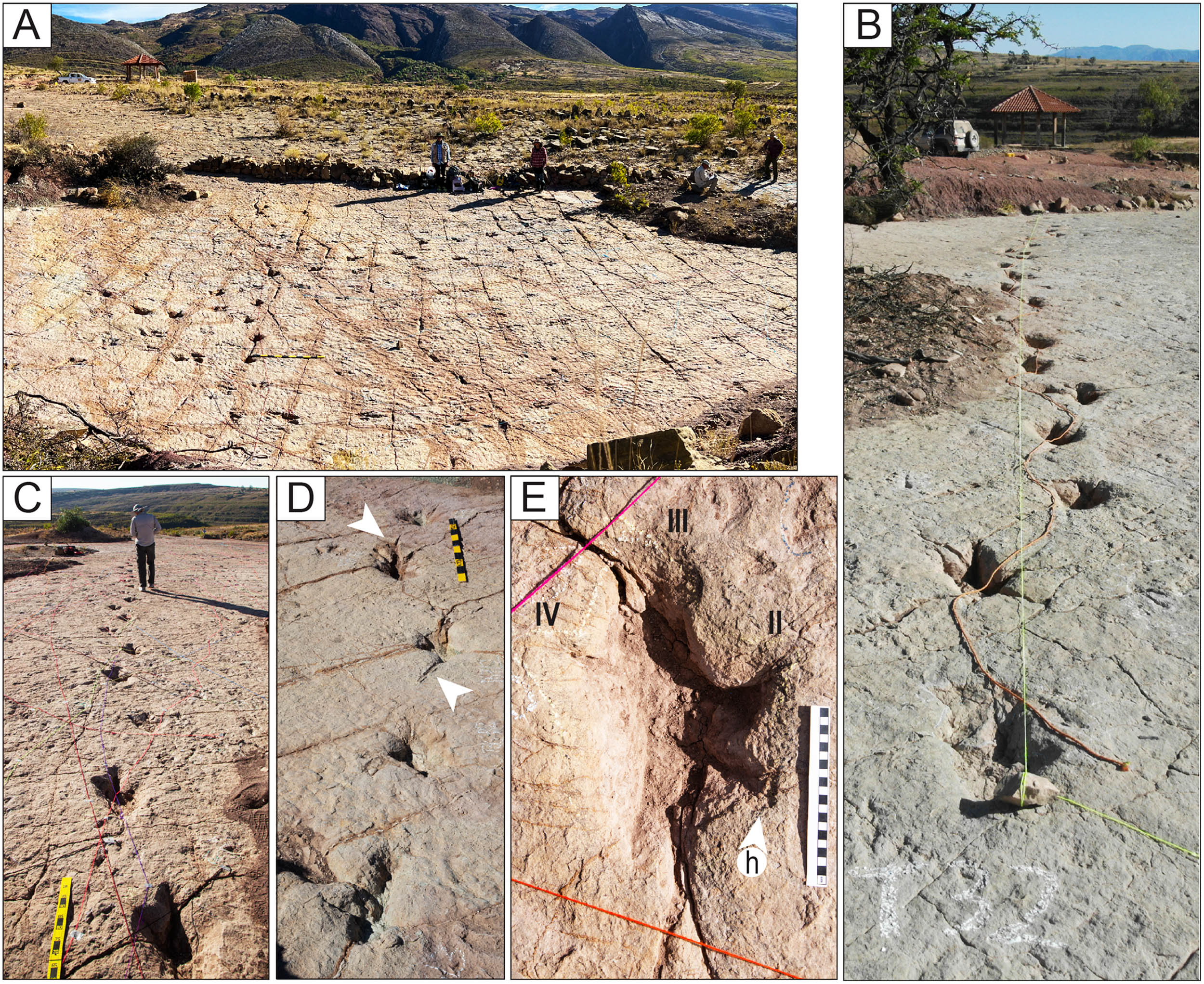
Scientists discovered over 16,000 dinosaur footprints at a large fossil site in Bolivia, many of which suggest dinosaurs moved along the shoreline of an ancient lake, with some footprints indicating swimming behavior, providing valuable insights into dinosaur movement and environment during the late Cretaceous period.
A recent discovery in Bolivia revealed 18,000 dinosaur footprints on a single rock surface, forming what is called a 'Jurassic superhighway,' providing valuable insights into dinosaur behavior, movement, and habitat near an ancient shoreline.
The Carreras Pampa site in Bolivia, the largest dinosaur tracksite ever found, contains nearly 18,000 tracks from around 70 million years ago, offering unique insights into dinosaur behavior and preservation due to exceptional environmental conditions that captured footprints, tail marks, and swimming traces of theropods, making it a significant paleontological discovery.
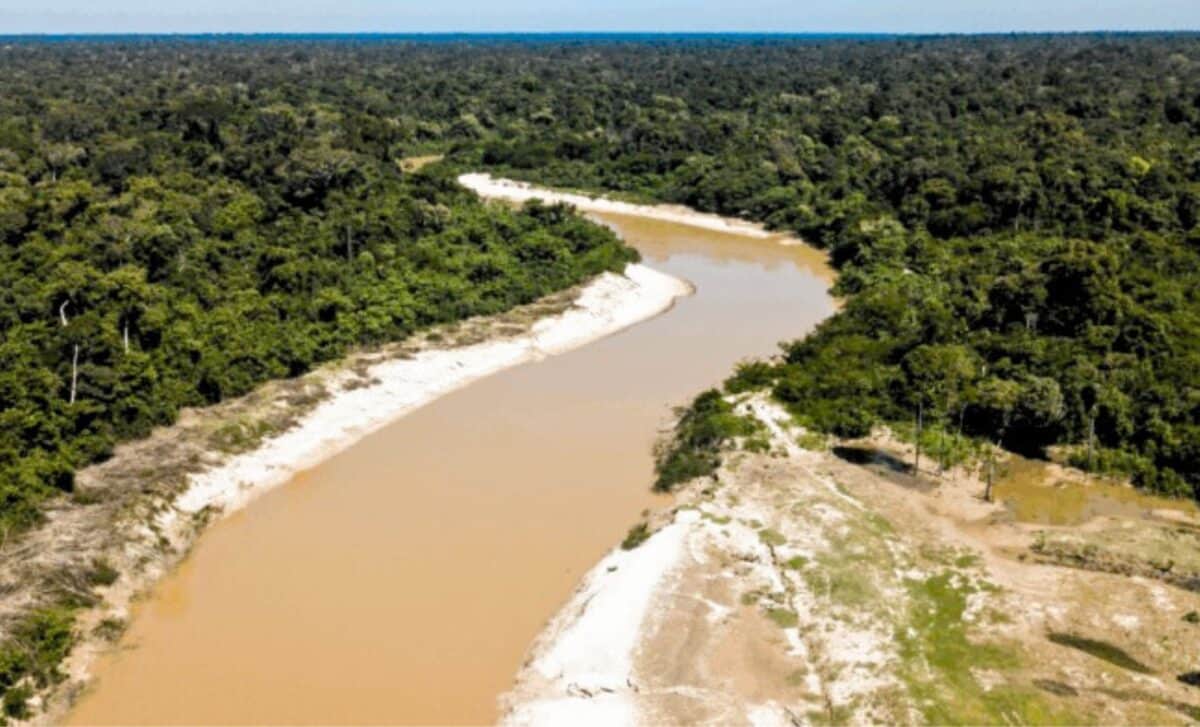
A rare killifish species, Moema claudiae, thought extinct for over 20 years, was rediscovered in Bolivia's fragmented wetlands, highlighting the importance of microhabitats and urgent conservation efforts to prevent its extinction amid ongoing deforestation.
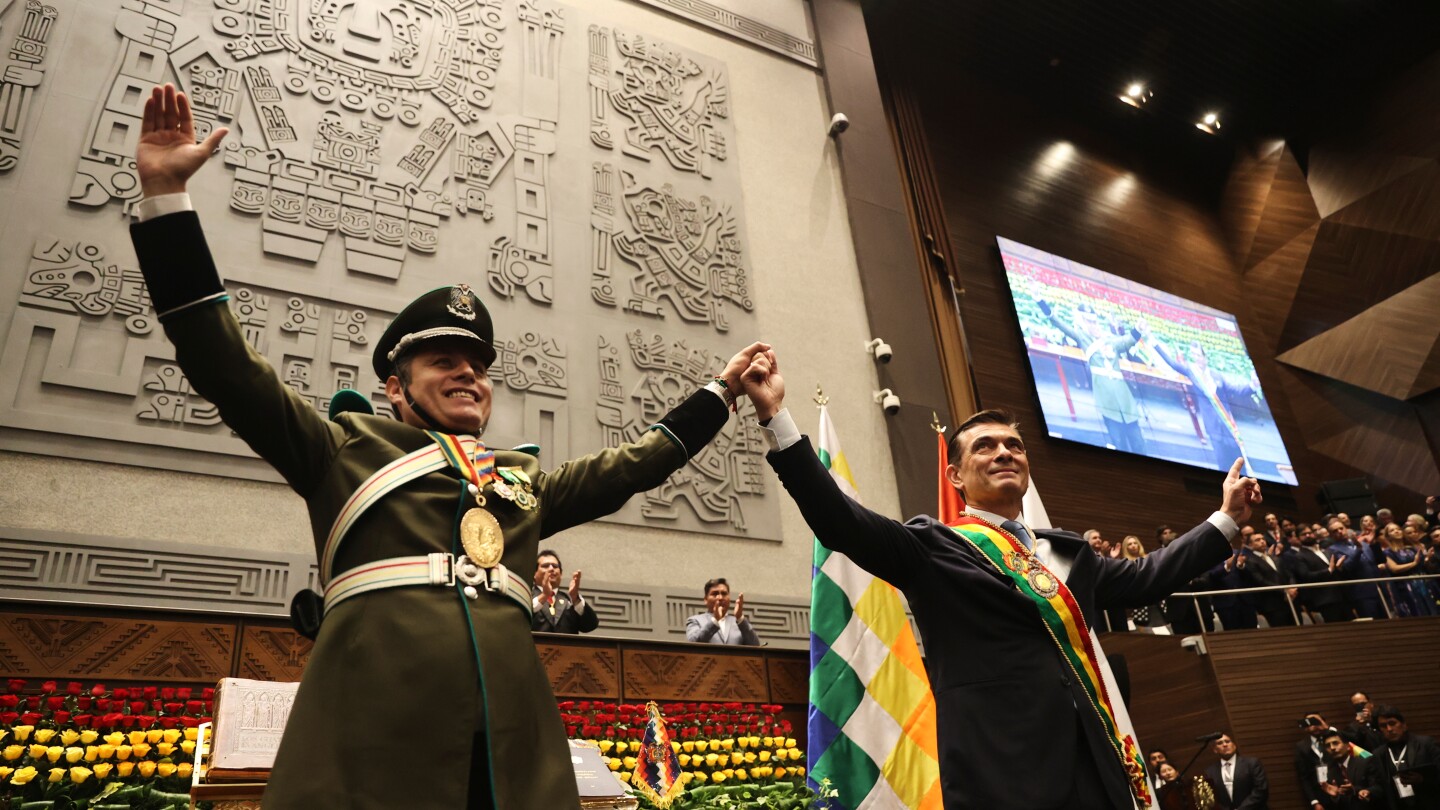
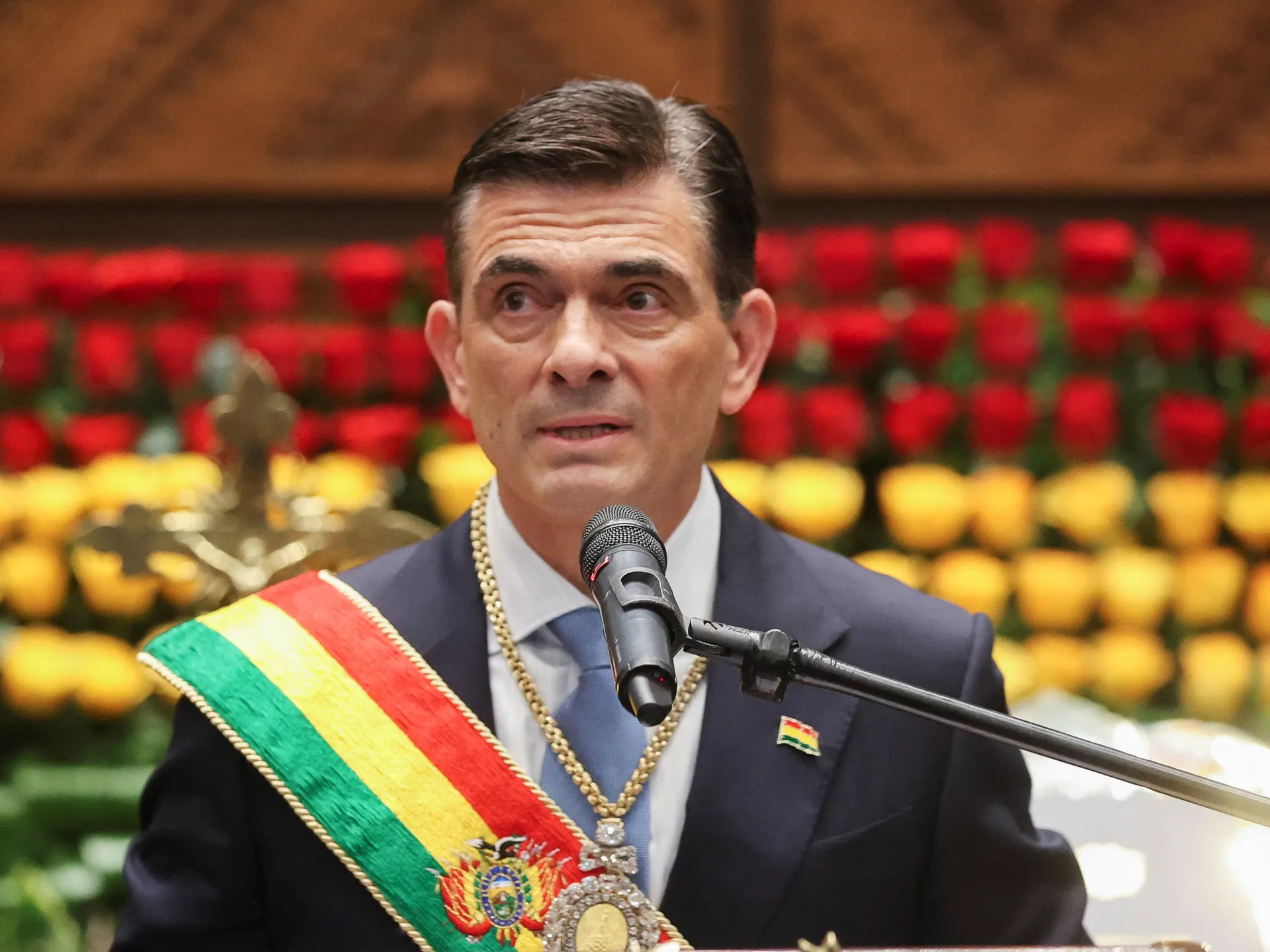
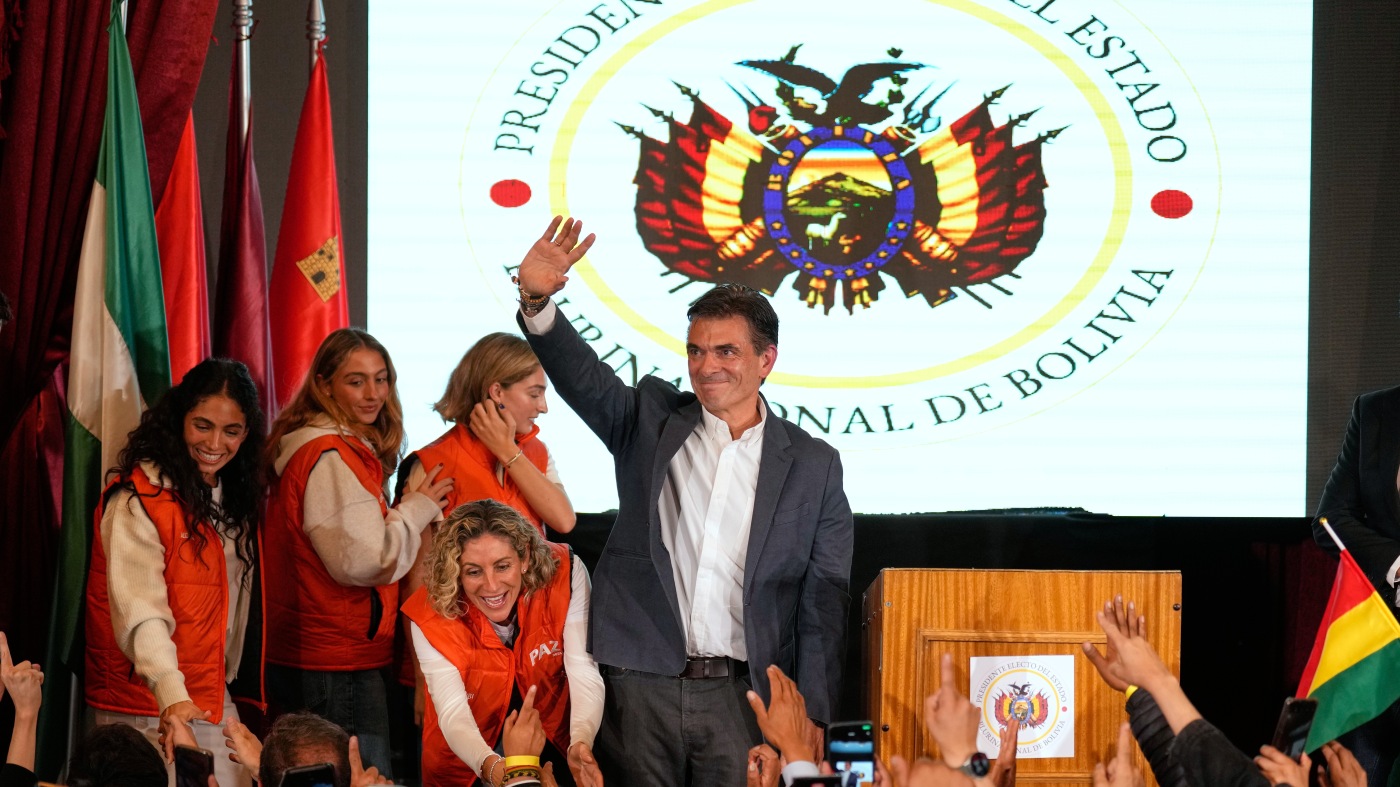
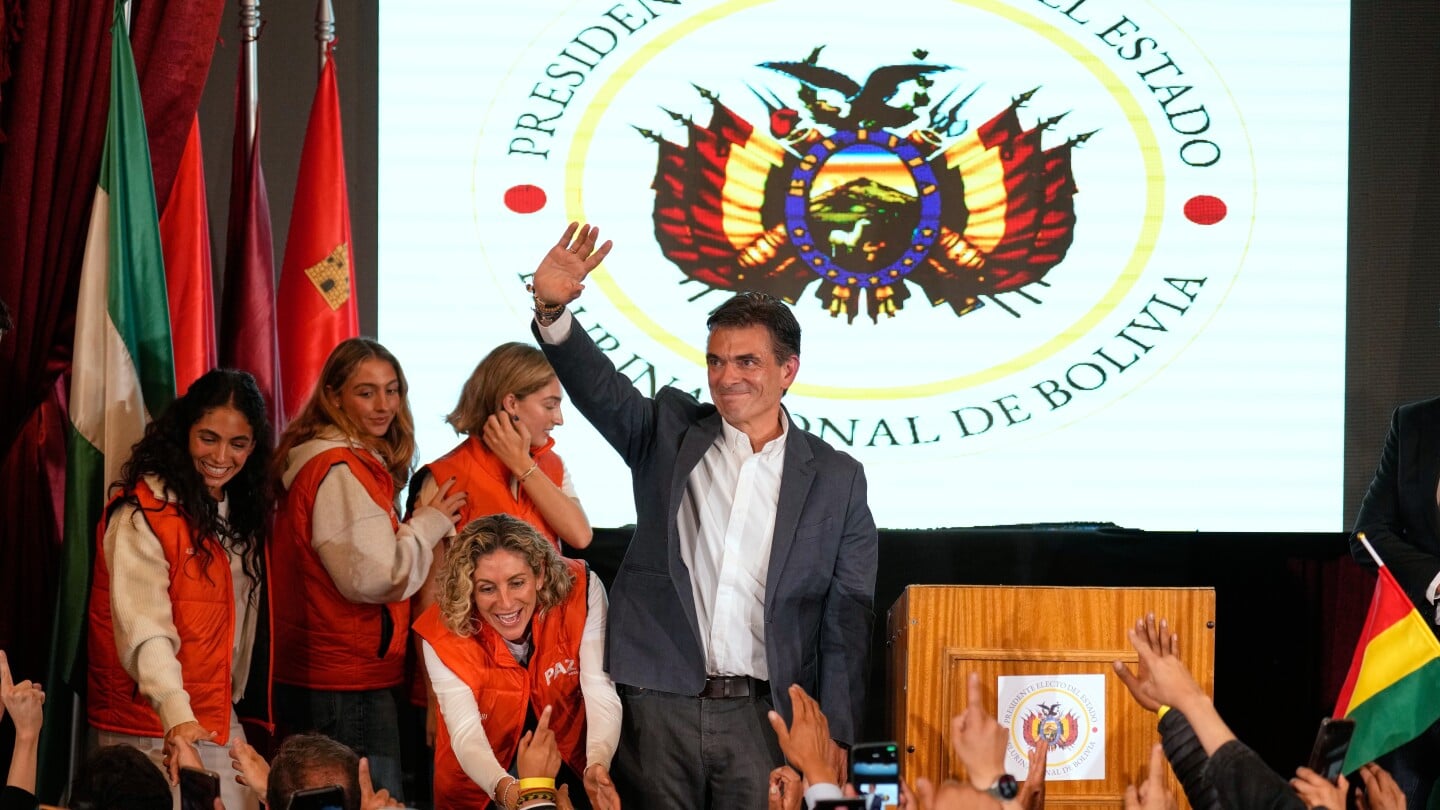
Rodrigo Paz was sworn in as Bolivia's new president amid ongoing economic turmoil, including fuel shortages and high food prices, after defeating his opponent in a runoff election. He aims to implement gradual reforms, seek international assistance, and improve relations with the U.S. to stabilize the country's economy and restore democracy.
Rodrigo Paz has been sworn in as Bolivia's president, promising economic reforms focused on capitalism, decentralization, and social spending, amid the country's worst economic crisis in 40 years and a shift away from left-wing policies.
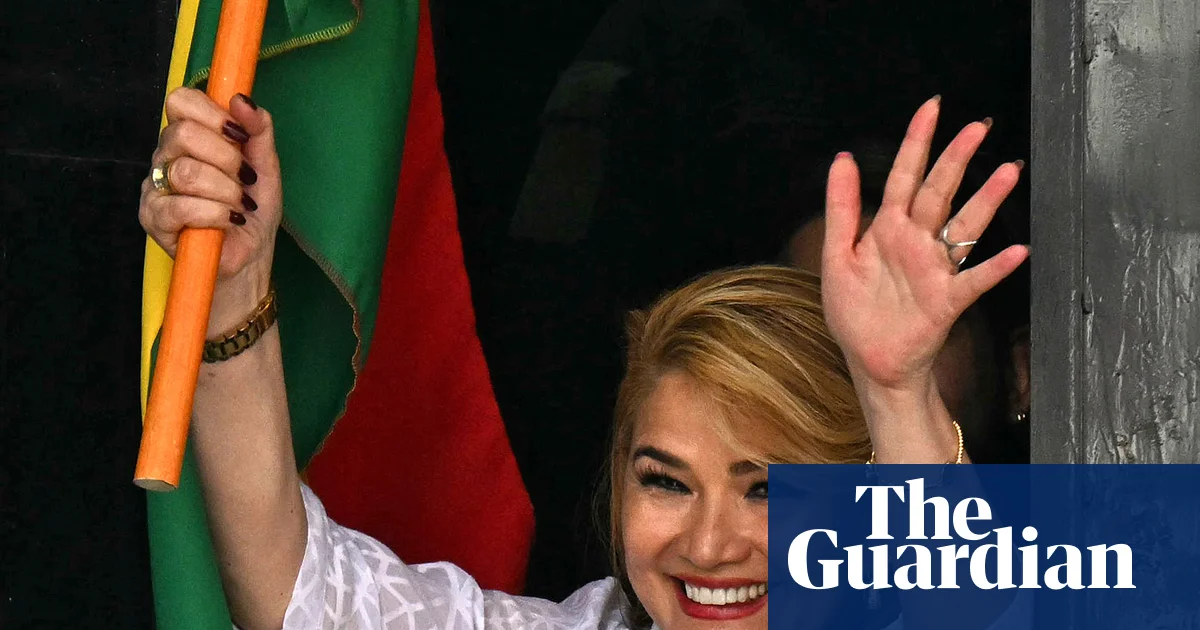
Jeanine Áñez, Bolivia's former interim president, was released from prison after nearly five years following a Supreme Court ruling that overturned her conviction for allegedly staging a coup, asserting her rise to power was a constitutional necessity rather than a coup d'état amidst Bolivia's political turmoil.
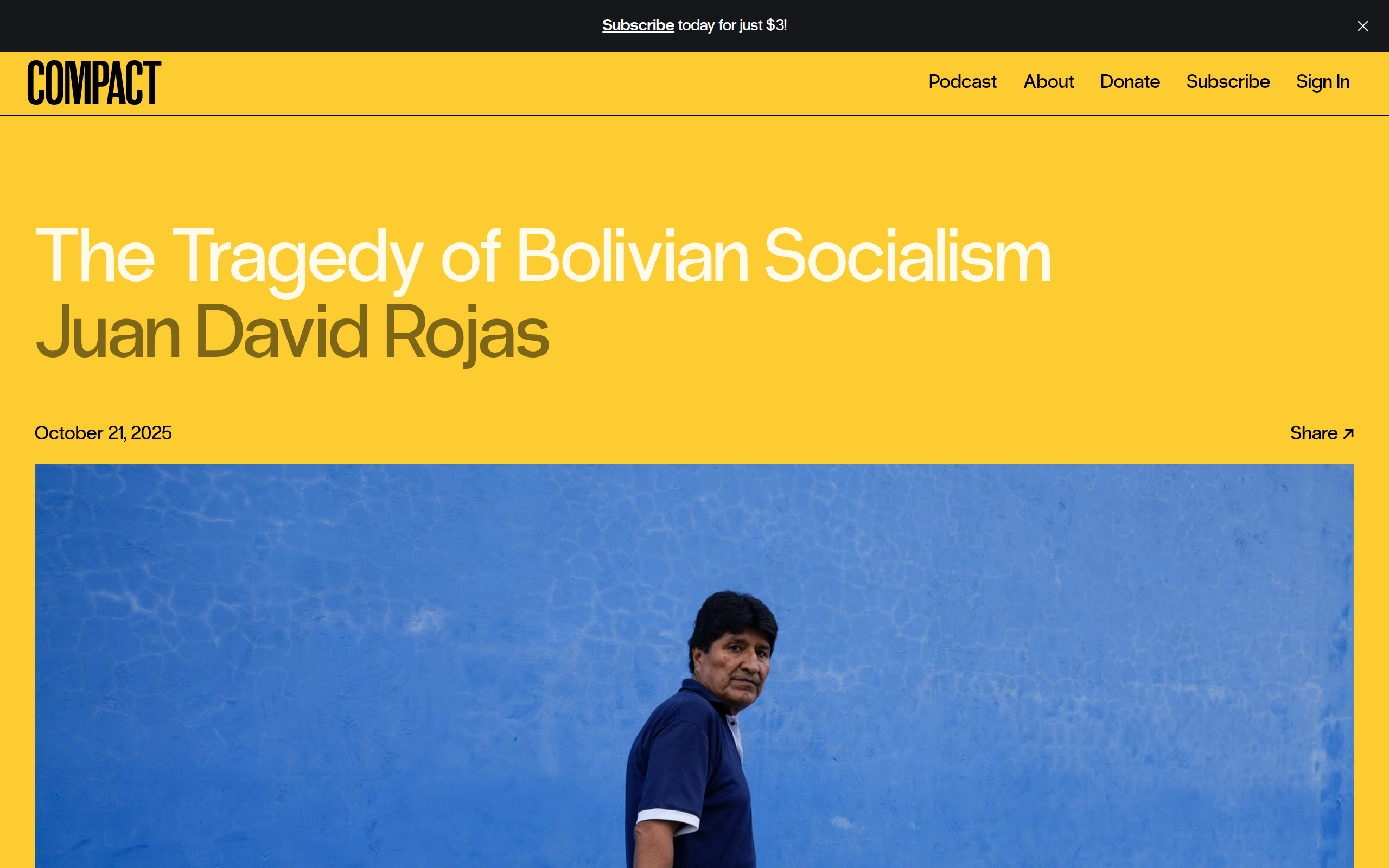
Bolivia's recent elections marked the end of nearly two decades of leftist MAS rule, which had achieved significant social and economic progress but also faced internal decline and autocratic tendencies. The return to right-wing leadership reflects both the party's failures and the country's ongoing political and economic instability, raising questions about Bolivia's future direction.
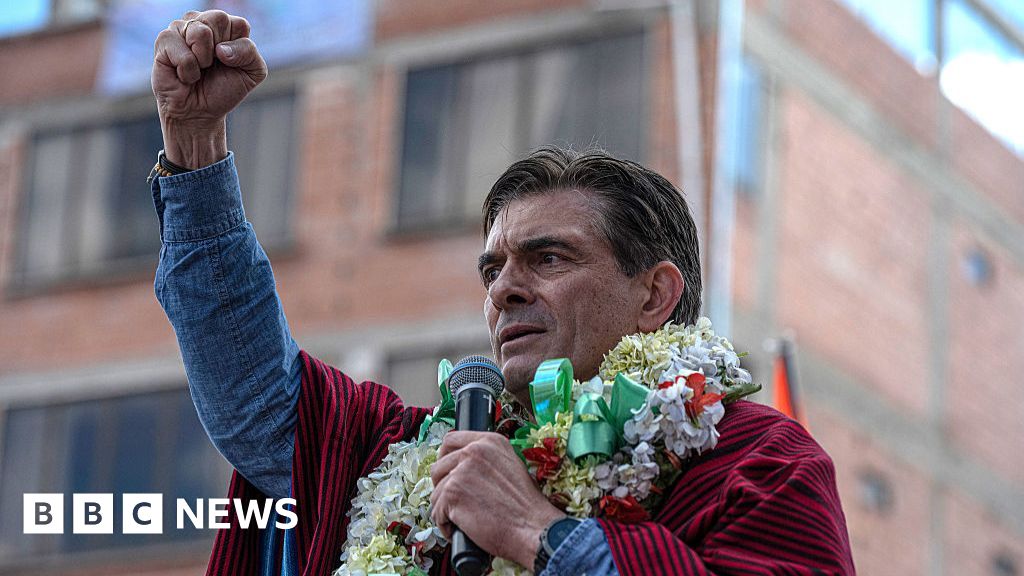
Rodrigo Paz has been elected as Bolivia's first conservative president in 20 years, signaling a shift from leftist rule, with plans to rebuild relations with the U.S., address economic crises, and implement constitutional reforms, amidst protests and political tensions.
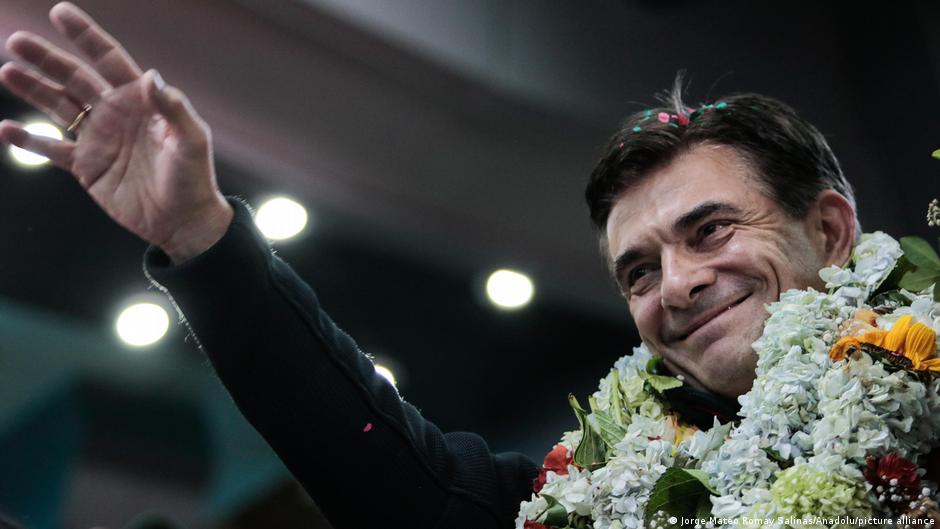
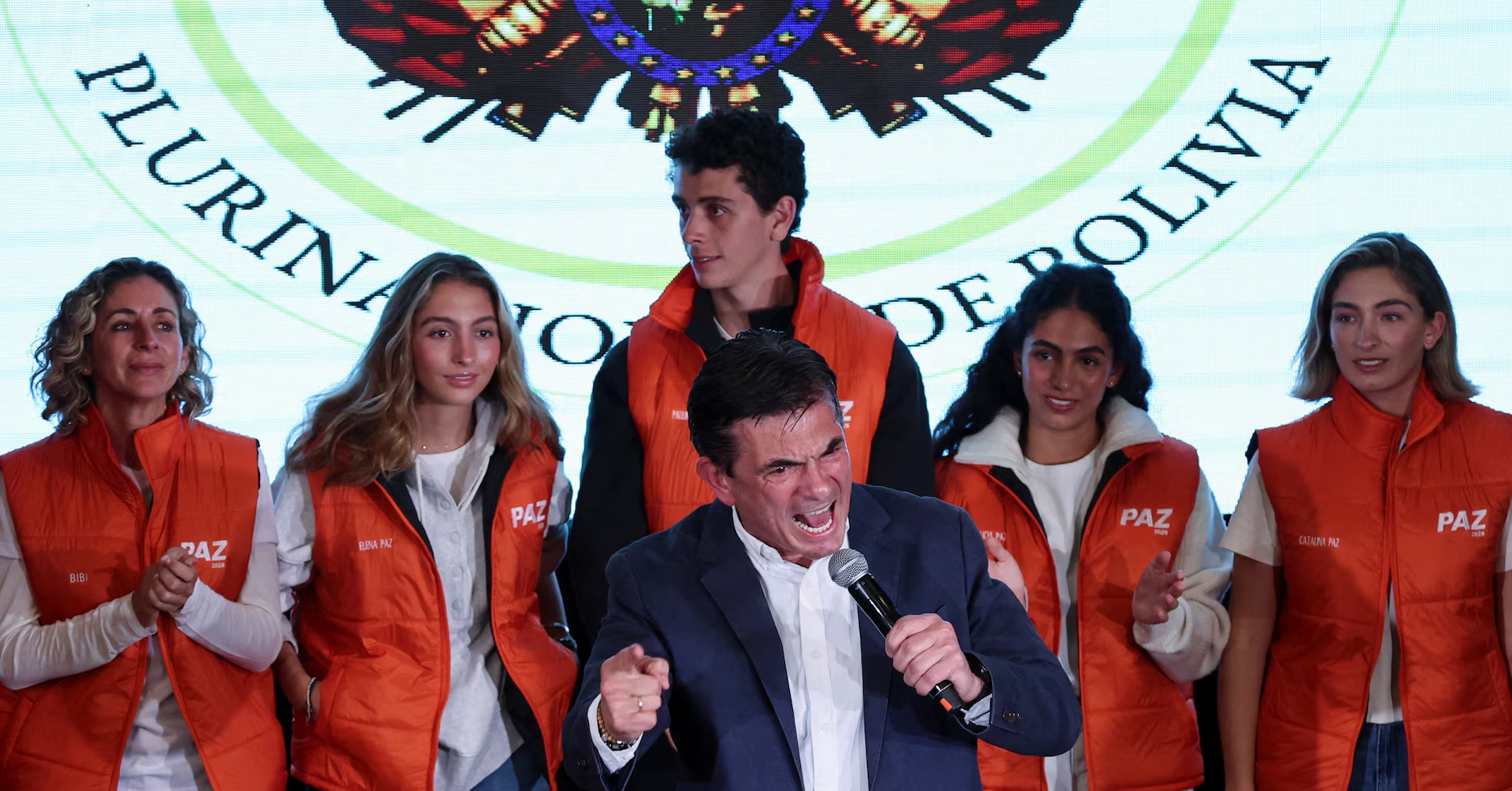
Bolivia elected centrist senator Rodrigo Paz as president, ending nearly 20 years of socialist rule, amid economic crises and political divisions, with Paz promising market reforms and improved international relations.
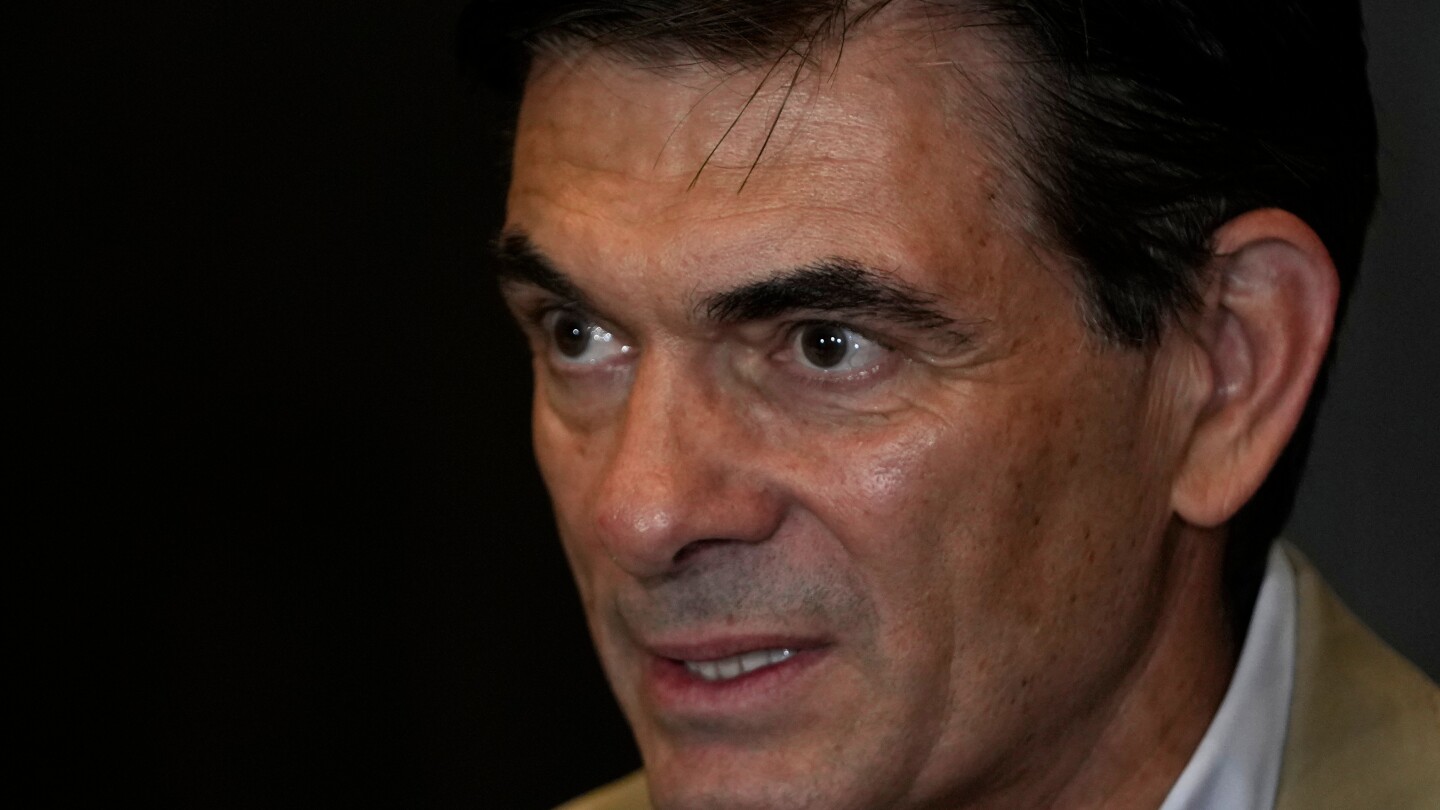
Centrist senator Rodrigo Paz won Bolivia's presidential runoff with 54% of the votes, defeating right-wing rival Jorge Quiroga, amid economic crisis and public demand for change after 20 years of MAS rule. Paz's victory signals a shift towards moderate policies and economic reform, but faces challenges like restoring foreign reserves and managing inflation.
Bolivia elected centrist senator Rodrigo Paz as president, ending two decades of leftist rule, amid economic turmoil including currency devaluation and high inflation. Both candidates promised economic reforms and improved US relations, with Paz emphasizing anti-corruption measures and gradual subsidy reforms to stabilize the economy.
Centrist senator Rodrigo Paz won Bolivia's presidential election with 54% of the vote, promising to overhaul the country's economic model amid a severe crisis, while inheriting a fragile economy and political landscape. His victory marks a shift away from the long-standing MAS party, with a focus on gradual reforms and addressing economic challenges.
Centrist senator Rodrigo Paz won Bolivia's presidential runoff, ending nearly 20 years of leftist rule, amid economic turmoil and voter desire for moderate change, and will face the challenge of forming alliances in a fragmented legislature.