Germany and north-western Europe are preparing for severe weather as Storm Goretti brings heavy snowfall, strong winds, and cold temperatures, causing power outages, transportation disruptions, and safety warnings across the region.
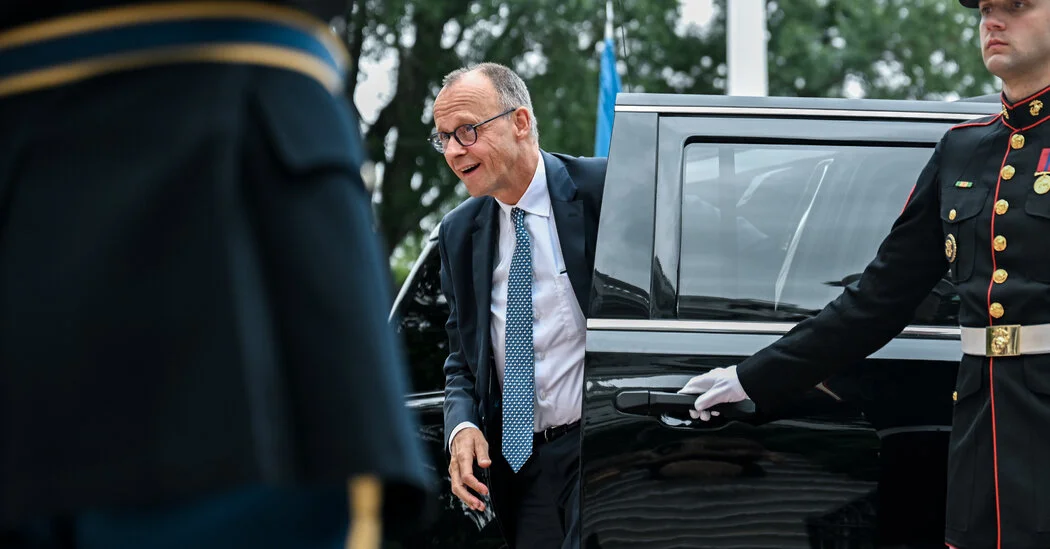
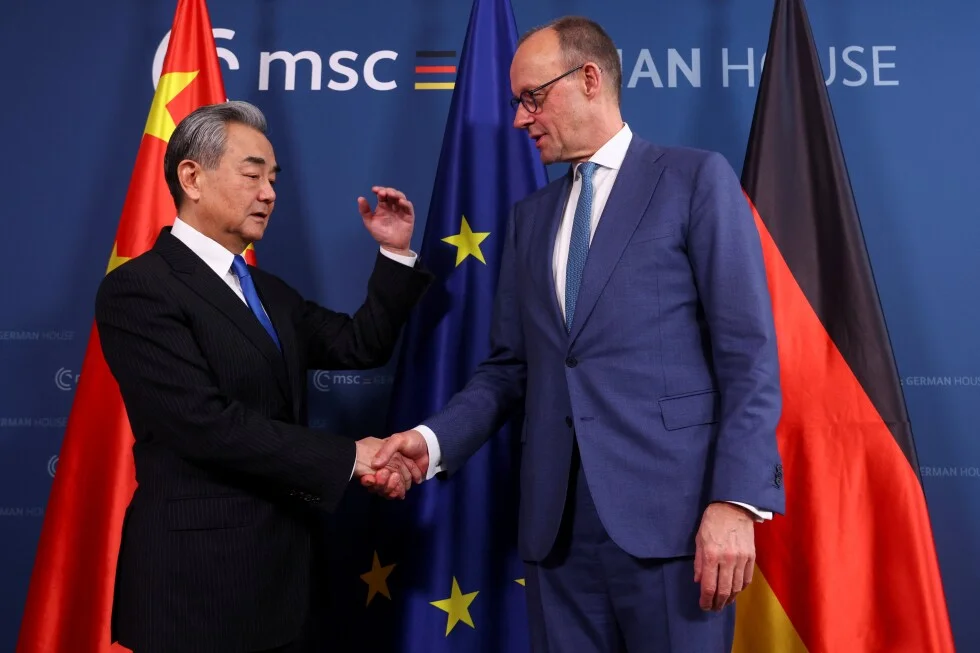
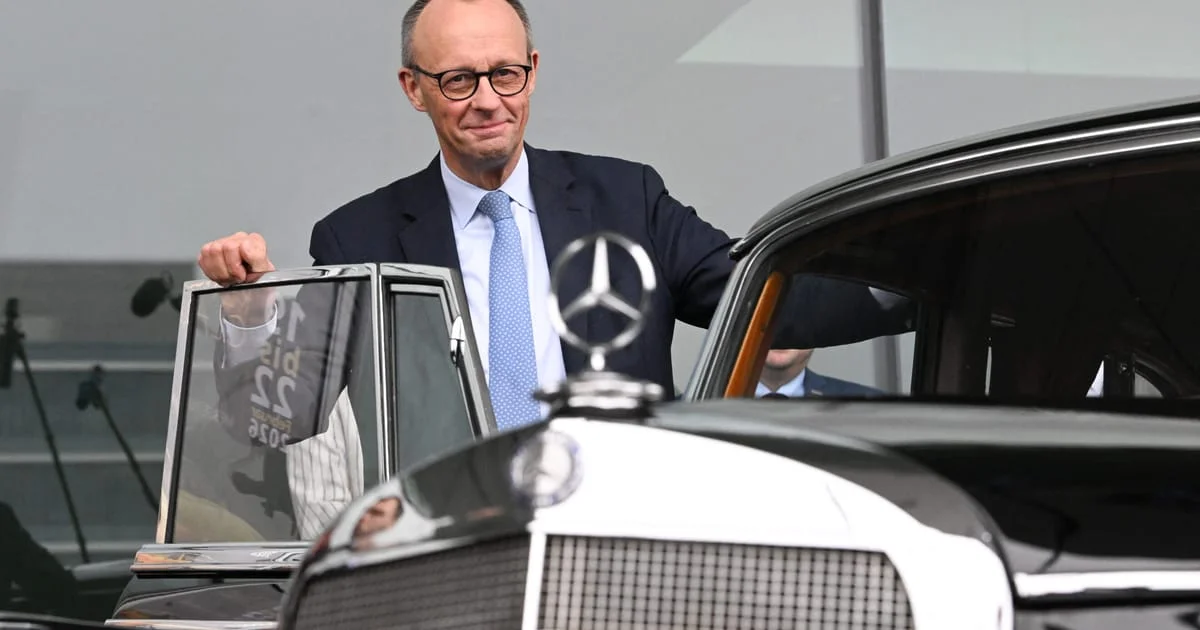
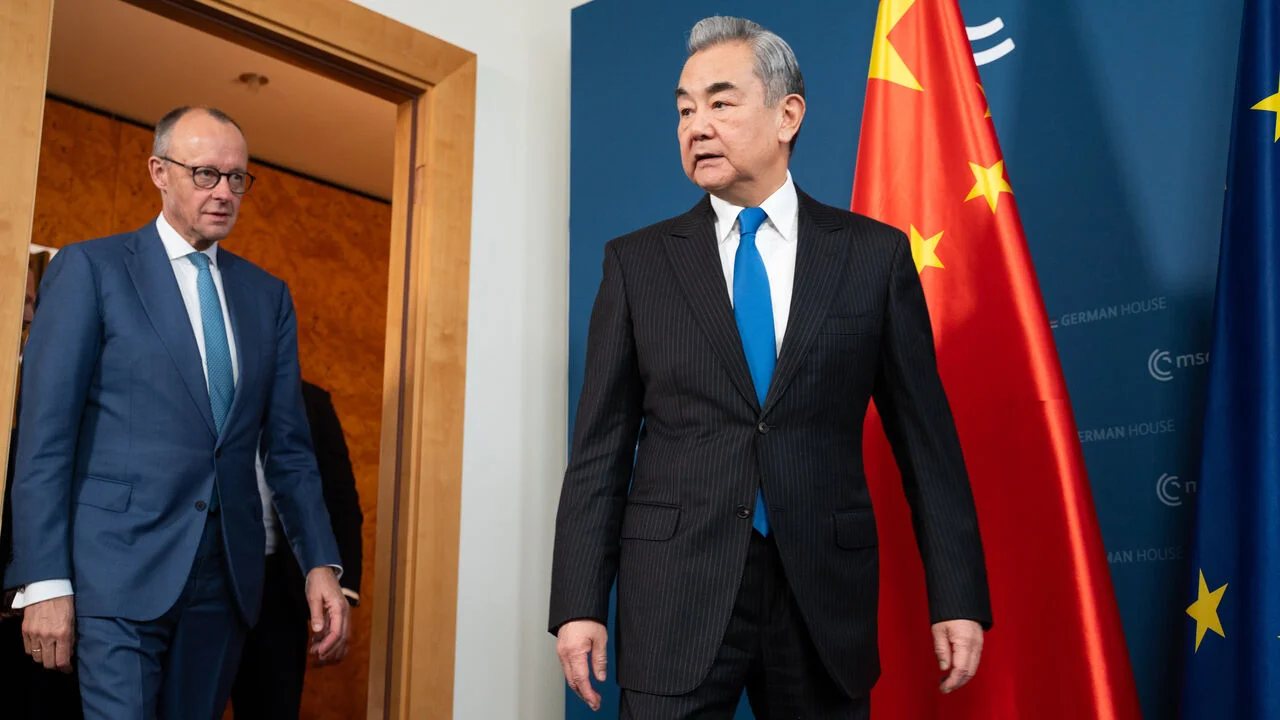
German Chancellor Friedrich Merz is navigating multiple crises, including US intervention in Venezuela, international tensions over Greenland, and ongoing support for Ukraine, while also facing domestic political challenges and cabinet reshuffles to address communication and economic issues.
France, the UK, and Germany issued a joint statement condemning violence by Iranian security forces against protesters, urging Iran to exercise restraint and uphold citizens' rights.
The German Men's National Soccer Team has chosen Winston-Salem, Wake Forest University, and The Graylyn Estate as their training base for the 2026 FIFA World Cup, highlighting the region's growing reputation for hosting international events and showcasing local facilities and hospitality.
The German Men's National Soccer Team has chosen Winston-Salem, North Carolina, as its training base for the 2026 FIFA World Cup, utilizing Wake Forest University and The Graylyn Estate for facilities and accommodations, highlighting the region's growing reputation for hosting international events.
A severe winter storm named Elli has caused significant disruptions across northern Germany, halting long-distance train services, canceling Bundesliga matches, and causing road blockages due to heavy snowfall and snowdrifts, with ongoing efforts to restore normalcy.
About 50 sheep wandered into a German supermarket in Bavaria, causing a brief chaos before being safely herded out. The incident has been turned into a marketing opportunity for the store, which plans to sponsor the sheep for a year.
French President Emmanuel Macron and German President Frank-Walter Steinmeier sharply criticized US foreign policy under Donald Trump, warning that it is breaking international rules and risking the disintegration of the postwar rules-based order, amid concerns over US actions in Venezuela and Greenland, and emphasizing the need for European strategic autonomy and revised security policies.
A five-day blackout in Berlin caused by suspected sabotage by a far-left militant group highlights Germany's vulnerability to attacks on critical infrastructure, with widespread disruptions affecting hospitals, schools, and residents, prompting discussions on security measures.
Germany's forests are severely affected by climate change and bark beetle outbreaks, leading to reduced CO2 absorption. A new reforestation approach involving diverse species is being tested to enhance resilience and restore ecological balance, highlighting the importance of biodiversity in combating climate impacts.
A power outage has caused a significant disruption in Berlin, Germany, highlighting vulnerabilities in the country's electricity infrastructure and affecting daily life across the city.
Berlin continues to face power outages amid cold weather following a cable attack, while Germany emphasizes its security commitments in Europe, including support for Ukraine and NATO discussions on Greenland. The country is also increasing renewable energy, notably solar power, despite challenges, and remains active in international security and energy initiatives.
The house of Brandenburg's antisemitism commissioner, Andreas Büttner, was targeted in a suspected arson attack, with police finding an anti-constitutional symbol related to Hamas near his home. Büttner, who has previously been targeted, remains resilient despite the attack, which is part of a recent surge in antisemitic crimes in Germany amid the Gaza conflict. German officials expressed solidarity and condemned the attack.
In North Rhine-Westphalia, Germany, three bank robberies have occurred in recent days, involving break-ins at Sparkasse branches in Bonn, Gelsenkirchen, and Halle, with thieves stealing safe-deposit box contents, including gold and an estimated €30 million in Gelsenkirchen, prompting police investigations and appeals for witnesses.
German household wealth has reached a record €10 trillion, driven by strong savings and rising stock markets, with an expected continued growth in 2026 despite economic uncertainties.