
Debate Over Hepatitis B Vaccine Changes and Policies
Vaccine advisers under RFK Jr. plan to vote on ending universal hepatitis B vaccination at birth and will investigate if childhood vaccines contribute to allergies and autoimmune disorders.

All articles tagged with #autoimmune disorders
Vaccine advisers under RFK Jr. plan to vote on ending universal hepatitis B vaccination at birth and will investigate if childhood vaccines contribute to allergies and autoimmune disorders.

Miriam Merad's 20-year research on macrophages, immune cells involved in inflammation and immune response, is challenging traditional cancer treatments focused on T cells, and early clinical data suggest that targeting macrophages could enhance immunotherapy effectiveness and address aging and autoimmune diseases.

A 24-year study of over 1.2 million children in Denmark found no evidence that aluminum salts in vaccines cause autism, asthma, or other chronic disorders, supporting the safety of childhood vaccines and dispelling common concerns about aluminum-based additives.

A study published in the International Journal of Rheumatic Diseases found that drinking Chun-Yu-Ching-Hua-Yin, a traditional Chinese medicinal tea, significantly improved symptoms in patients with Sjögren’s syndrome and dry eye syndrome. Over eight weeks, patients reported increased tear production, reduced ocular dryness, and improved sleep quality, with a notable decrease in the use of artificial tears. The tea was generally safe, though some mild side effects were noted. Researchers suggest further studies to explore long-term effects and mechanisms, potentially using alternative formulations for placebo-controlled trials.
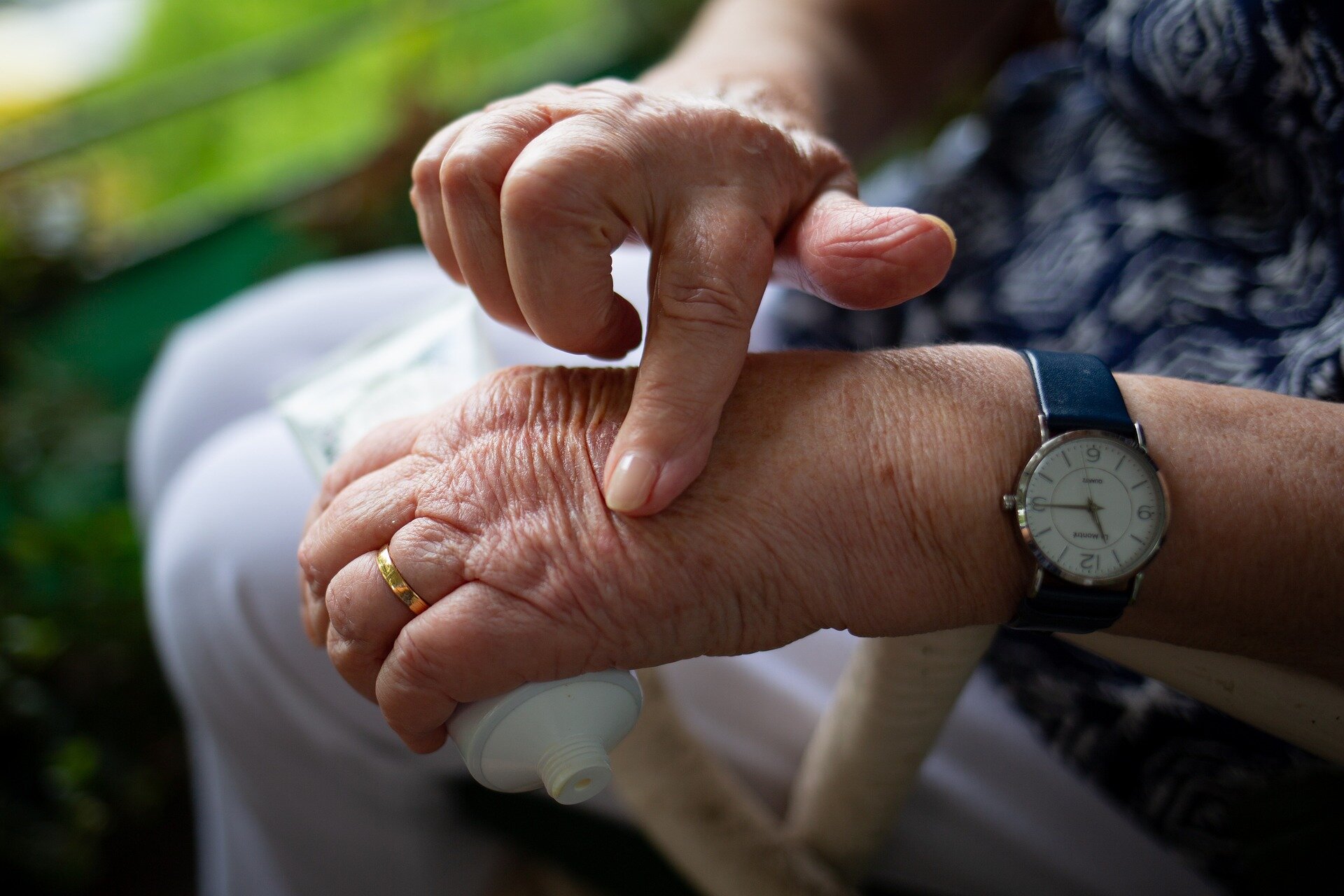
Research led by the University of Leeds has identified specific changes in the gut microbiome of individuals at risk of rheumatoid arthritis (RA), potentially uncovering mechanisms of disease onset. The study found significant differences in the abundance of Prevotellaceae in individuals who progressed to RA, with gut microbiome instability observed around ten months before clinical arthritis onset. These findings suggest that understanding microbiome dynamics could enhance RA prediction, prevention, and personalized treatment strategies.
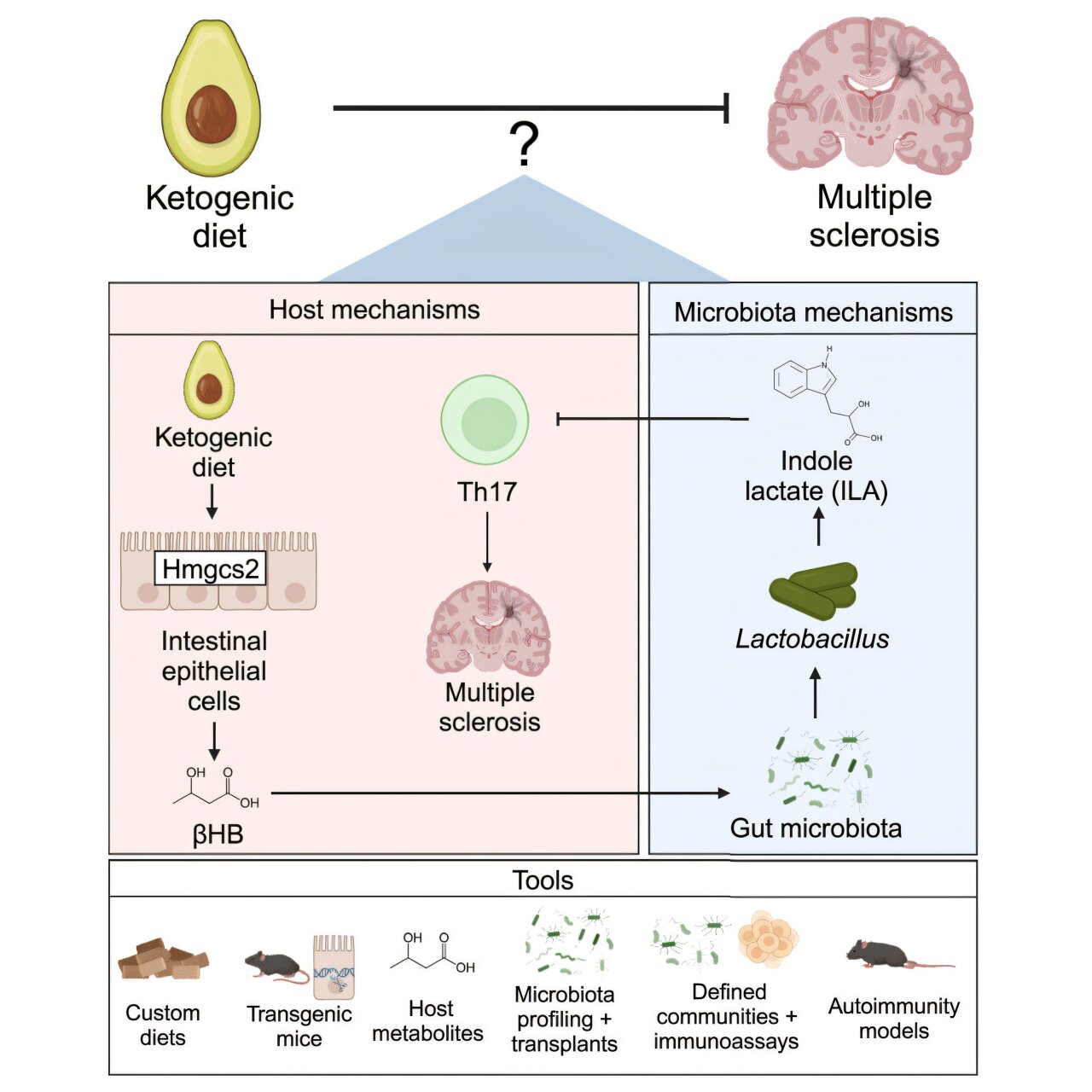
Researchers at UC San Francisco have found that the keto diet may help treat autoimmune disorders like multiple sclerosis by increasing the production of anti-inflammatory compounds. In a study with mice, the diet led to higher levels of the ketone body β-hydroxybutyrate (βHB), which in turn prompted the gut bacterium Lactobacillus murinus to produce indole lactic acid (ILA). This metabolite blocked the activation of T helper 17 immune cells, reducing inflammation. While promising, these findings need further testing in humans.
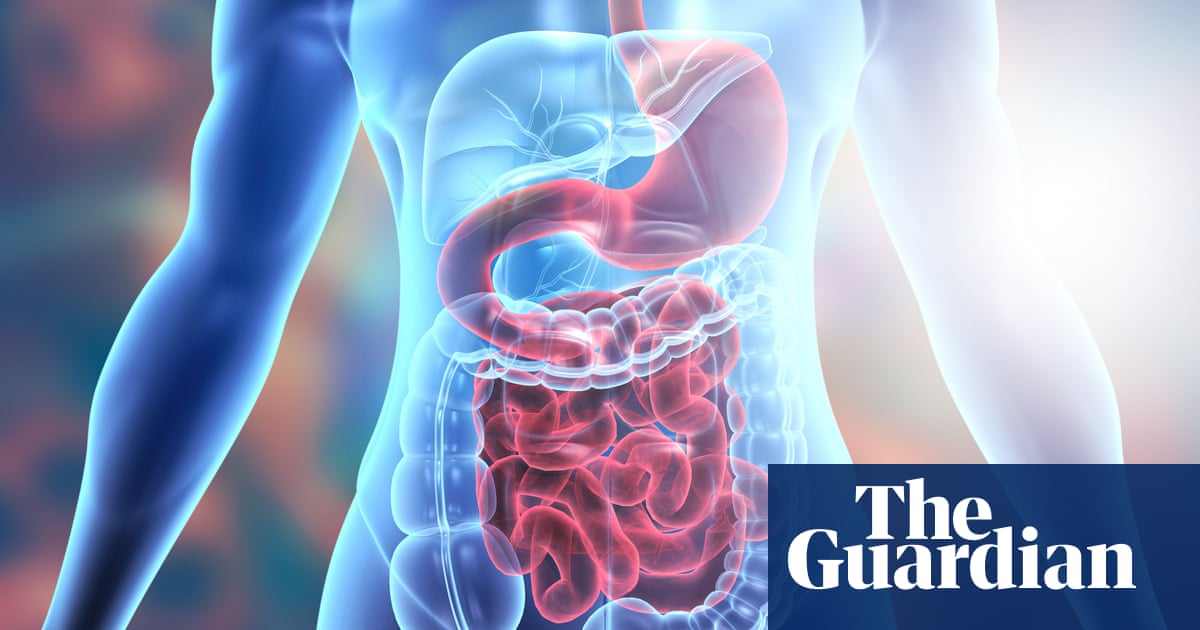
Researchers at the Francis Crick Institute have identified a key biological pathway involved in inflammatory bowel disease (IBD) and other autoimmune disorders, which can be targeted by existing drugs. This discovery, described as a "holy grail," could lead to new treatments for conditions like Crohn's disease and ulcerative colitis. The team found that the ETS2 gene, regulated by a DNA enhancer in immune cells, plays a central role in the inflammation process. They are now working on adapting MEK inhibitors to specifically target macrophages, potentially offering a safer and more effective treatment option. Clinical trials are expected to begin soon.

Researchers have found that vivid nightmares and dreamlike hallucinations, or "daymares," could be early indicators of autoimmune disorders such as lupus and rheumatoid arthritis. These symptoms may signal the onset or worsening of these conditions, allowing for earlier medical intervention to prevent further organ damage.
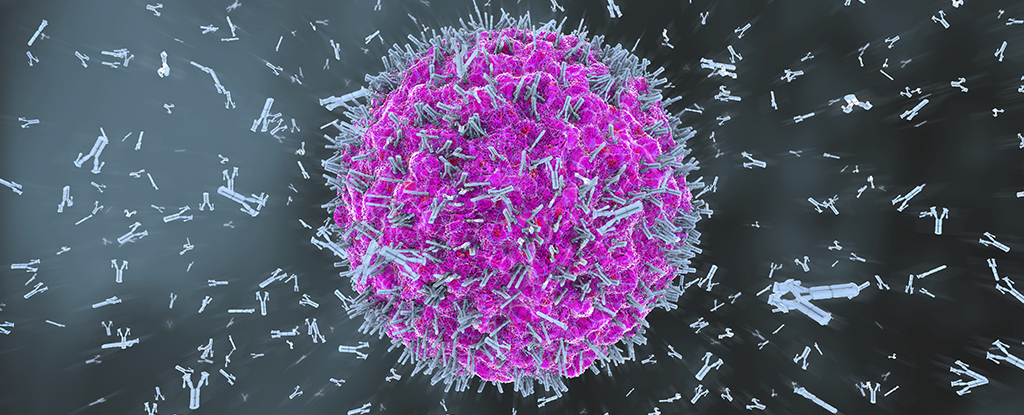
Scientists have identified a "switch" that deactivates a sensor of foreign DNA, preventing the immune system from attacking healthy cells. This switch, a protein complex named CRL5–SPSB3, marks the enzyme cGAS for disposal when no immune response is required, providing insight into immune system regulation. Understanding this process could lead to potential therapeutic developments for autoimmune disorders, as it sheds light on how the immune system controls malfunction in conditions like type 1 diabetes and inflammatory bowel disease.
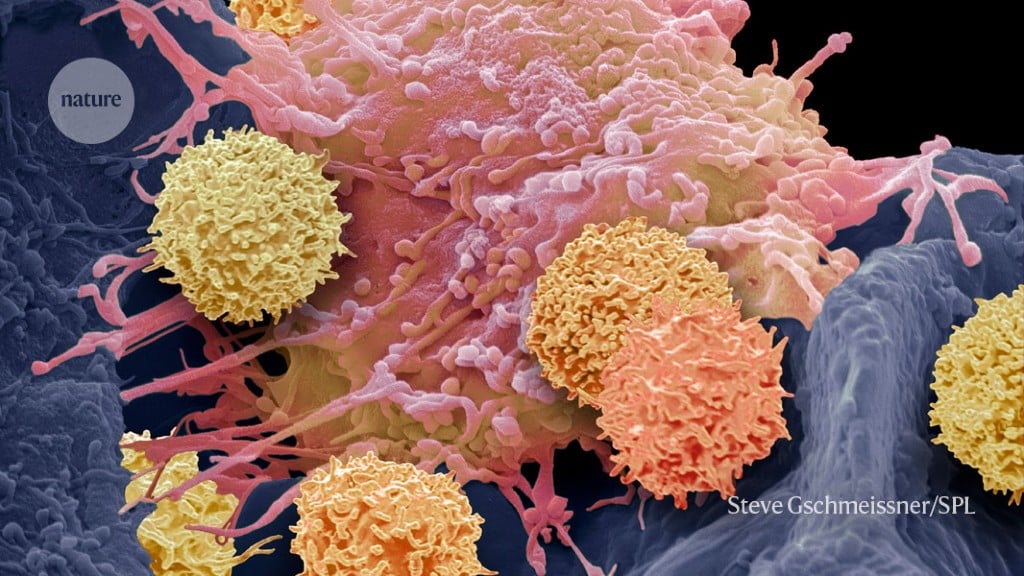
Engineered immune cells known as CAR-T cells have shown promising results in treating autoimmune disorders such as lupus, systemic sclerosis, and idiopathic inflammatory myositis. In a study presented at the American Society of Hematology meeting, 15 participants remained disease-free or nearly so since their CAR-T cell therapy treatment. CAR-T therapy, which involves genetically engineering T cells to target and destroy abnormal B cells, has the potential to revolutionize the treatment of various conditions fueled by rogue immune cells. However, further research is needed to determine the specific contribution of CAR-T therapy versus chemotherapy in achieving these positive outcomes.

Mounting evidence suggests that the coronavirus can cause autoimmune disorders in some individuals, even separate from the long-term health problems associated with long Covid. Infections with other viruses, such as Epstein-Barr virus, have also been linked to autoimmunity. Scientists believe that certain individuals may be more susceptible to developing autoimmune conditions due to a combination of genetic factors and environmental triggers. Rigorous studies are needed to conclusively link viruses to autoimmune conditions, but research on Epstein-Barr virus and multiple sclerosis has shown a strong association. Treatments targeting viral proteins or using antiviral drugs and vaccination may offer relief for some individuals experiencing autoimmune symptoms.

A new study published in JAMA Network Open suggests that a COVID-19 infection could trigger autoimmune or autoinflammatory disorders in individuals who did not previously have one. The meta-analysis found that patients who had a bout of the respiratory virus are twice as likely to develop various autoimmune conditions, especially in severe cases. The virus may trigger autoimmune reactions via cross-reactivity or awaken pre-existing autoimmune dysregulations. However, individuals who were vaccinated against COVID-19 but still contracted the virus were not found to be at an increased risk of developing autoimmune diseases, indicating the protective effect of vaccinations.

Regular eye exams are crucial for detecting various health conditions, including heart disease, high blood pressure, diabetes, high cholesterol, autoimmune disorders, and vitamin deficiencies. The eyes can reveal signs of these conditions, such as retinal damage, blood vessel abnormalities, colored deposits, dry eyes, and vision problems. Eye doctors can also identify infections, tumors, and aneurysms. Lifestyle changes, such as maintaining a healthy diet and regular physical activity, can help manage these conditions and protect eye health.
A study conducted in South Korea found a significantly higher risk of new-onset autoimmune and autoinflammatory connective-tissue disorders after COVID-19 infection, with some disorders associated with illness severity. However, vaccination was found to lower the risk. The study highlights the potential long-term health consequences of COVID-19. Another study revealed that out-of-hospital cardiac arrest (OHCA) increased during the pandemic, and survival rates decreased. The increase in OHCA was not directly linked to acute COVID-19 infections but rather to changes in emergency medical services (EMS) use. Additionally, a diagnostic stewardship intervention at a hospital in New York City resulted in a significant reduction in catheter-associated urinary tract infections (CAUTIs). Finally, new polio cases were reported in Afghanistan, Chad, and the Democratic Republic of the Congo, emphasizing the ongoing challenges in eradicating the disease.
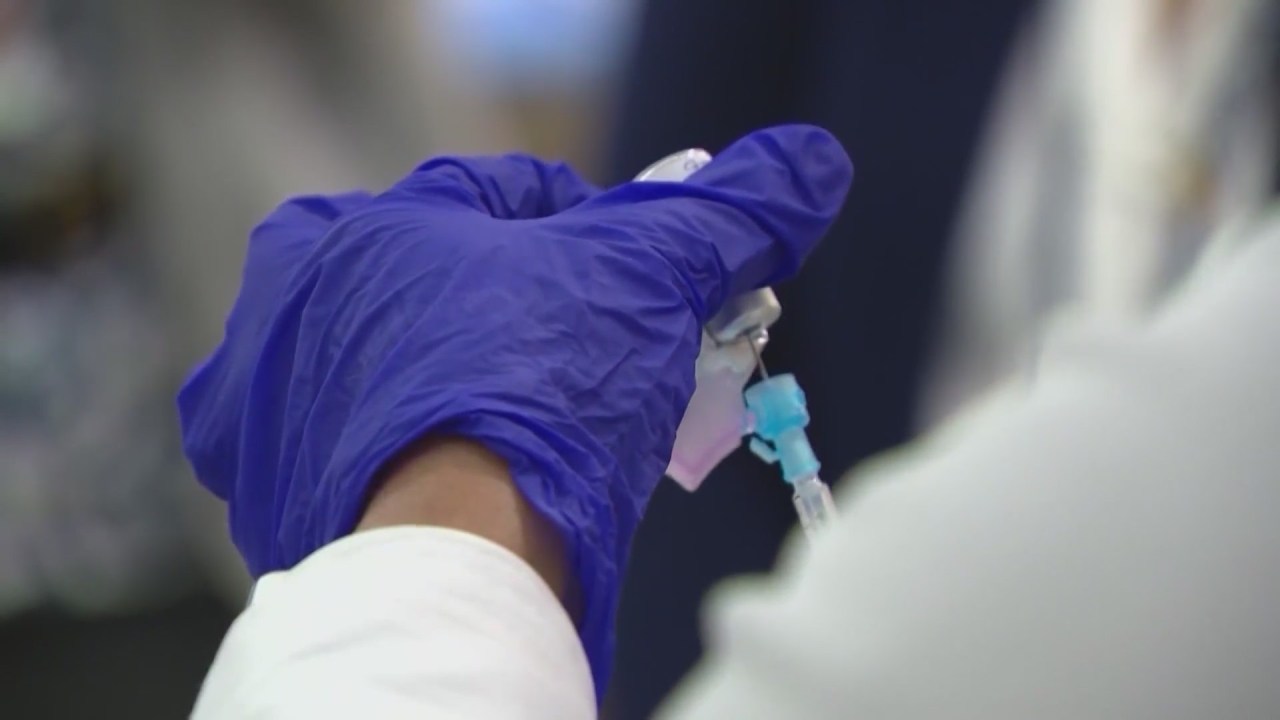
Inverse vaccines, which work by instructing the immune system to leave certain cells alone, may hold the key to treating autoimmune disorders such as multiple sclerosis, Type 1 diabetes, and celiac disease. Researchers at the University of Chicago have developed a method to deliver a message to T and B cells, telling them what not to destroy. In lab tests, the inverse vaccine successfully halted the destruction of myelin sheath on nerve cells in mouse models of multiple sclerosis. Clinical trials for celiac disease have already been conducted, and trials for multiple sclerosis are currently underway.