Scientists report a living implant that houses insulin-producing cells to regulate blood glucose, potentially replacing injections if it works in humans; animal tests show year-long sugar control but immune barriers, safety concerns, and donor cell supply still pose challenges, with next steps including human trials and adaptive uses for other diseases.
FTC settlement ends Express Scripts’ rebate practices that inflated insulin prices, requiring reforms that base patient costs on net price, boost transparency, and shift to a cost-based model at retail pharmacies. The deal could cut patients’ out-of-pocket costs by up to $7 billion over 10 years and bring new revenue to community pharmacies, while reshoring the Ascent GPO to the United States; a 30-day public comment period precedes final order.
Endocrinologists say metabolism is driven by hormonal balance and daily choices. Key ideas include boosting metabolic rate by managing insulin through lower carbohydrate intake and protein-first meals, using resistance training to preserve muscle, staying active at work to avoid long sedentary periods, and prioritizing sleep and circadian alignment with natural light. They also suggest time-restricted eating with early dinners, stress management, and cautious use of home hormone tests or weight-loss injections. Be alert for signs of hormonal imbalance (fatigue, weight change, menstrual issues, thirst or urination) and seek medical guidance for a tailored plan.
Sugar activates the brain’s reward system and comes as glucose or fructose, which are processed differently: glucose prompts insulin release and energy storage, while fructose is sent to the liver and can be converted to fat. In excess, both raise triglycerides and may raise heart- and liver-related risks; repeated insulin spikes can fuel inflammation. The so-called 'sugar rush' is largely a myth, and when a sugar-induced dip occurs, people tend to eat more later. Timing matters: morning glucose responses are usually more favorable, and having sugar as part of a balanced meal with fiber, healthy fats, and protein helps blunt spikes. Moderation is best; avoid late-day sugar and be cautious with sugar substitutes, which may impact the gut/oral microbiome and can, in some cases, convert to fructose. Given that many people regularly eat sugary snacks (about 84% daily, with 79% up to three), reducing intake is sensible rather than demonizing it.
Skipping added sugar for 14 days can lead to significant health improvements such as reduced cravings, stabilized energy, better sleep, and improved insulin response, according to gastroenterologist Dr. Saurabh Sethi. The detox helps reset metabolism, reduce liver fat, and lower visceral fat, although initial symptoms like cravings and fatigue may occur as the brain recalibrates reward signals. This approach is especially beneficial for those experiencing bloating, fatty liver, or insulin resistance.
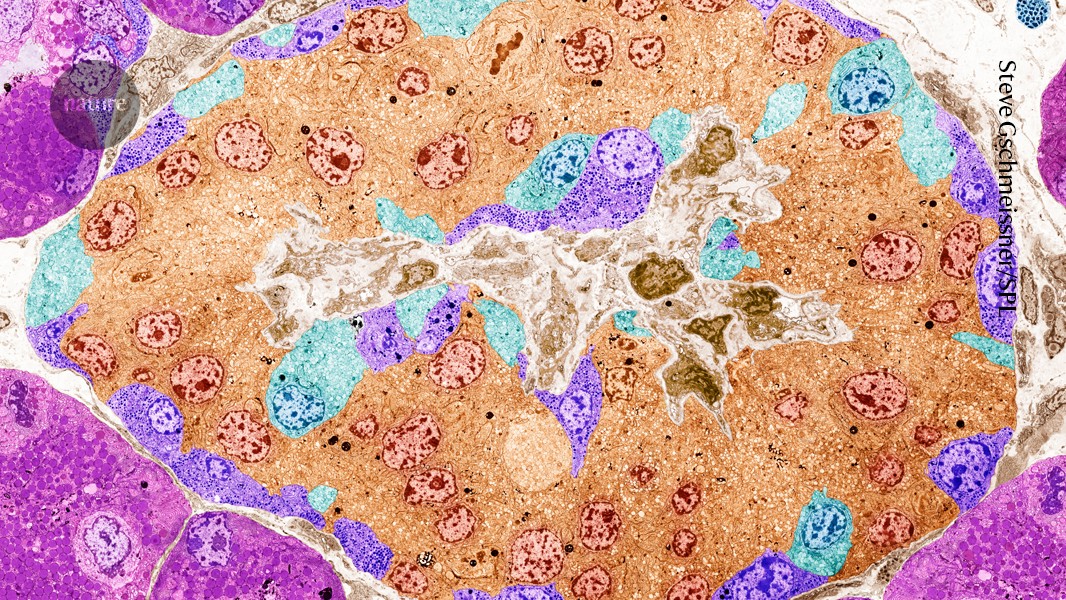
A new study warns that long-term use of sulphonylureas, common diabetes drugs, may impair insulin-producing beta cells by causing them to lose their functional identity, potentially accelerating the progression of type 2 diabetes. The research suggests that these drugs could contribute to the decline in treatment efficacy over time, but also highlights that loss of cell identity might be reversible, opening avenues for future therapies.
The International Diabetes Federation has officially recognized a fifth form of diabetes, called type 5 diabetes, which is linked to malnutrition and affects millions worldwide, especially in low- and middle-income countries. This recognition aims to improve diagnosis and treatment, as type 5 diabetes is distinct from other types and often misdiagnosed, with current treatments potentially harmful. The move is seen as long overdue, with efforts underway to establish diagnostic criteria and therapeutic guidelines.
A person with type 1 diabetes shares that brisk walking for about 15-20 minutes can effectively lower blood sugar levels quickly, supported by scientific research and expert advice, especially when done after meals and when insulin is in the system. However, caution is advised if blood sugar is extremely high with ketones or too low, as exercise can be risky in these states.
Visceral fat, the deep fat surrounding organs, is highly dangerous due to its role in inflammation and metabolic disruption, primarily caused by high insulin levels from excessive sugar intake. Fasting is recommended as an effective method to reduce visceral fat by lowering insulin and promoting fat burning, especially around the organs. Combining fasting with low sugar diets and balanced meals can improve long-term health, reduce inflammation, and lower the risk of metabolic diseases.
Scientists discovered that mutations in the TMEM167A gene cause a rare form of neonatal diabetes, affecting insulin-producing beta cells in babies with MEDS syndrome, providing new insights into diabetes mechanisms and potential treatments.
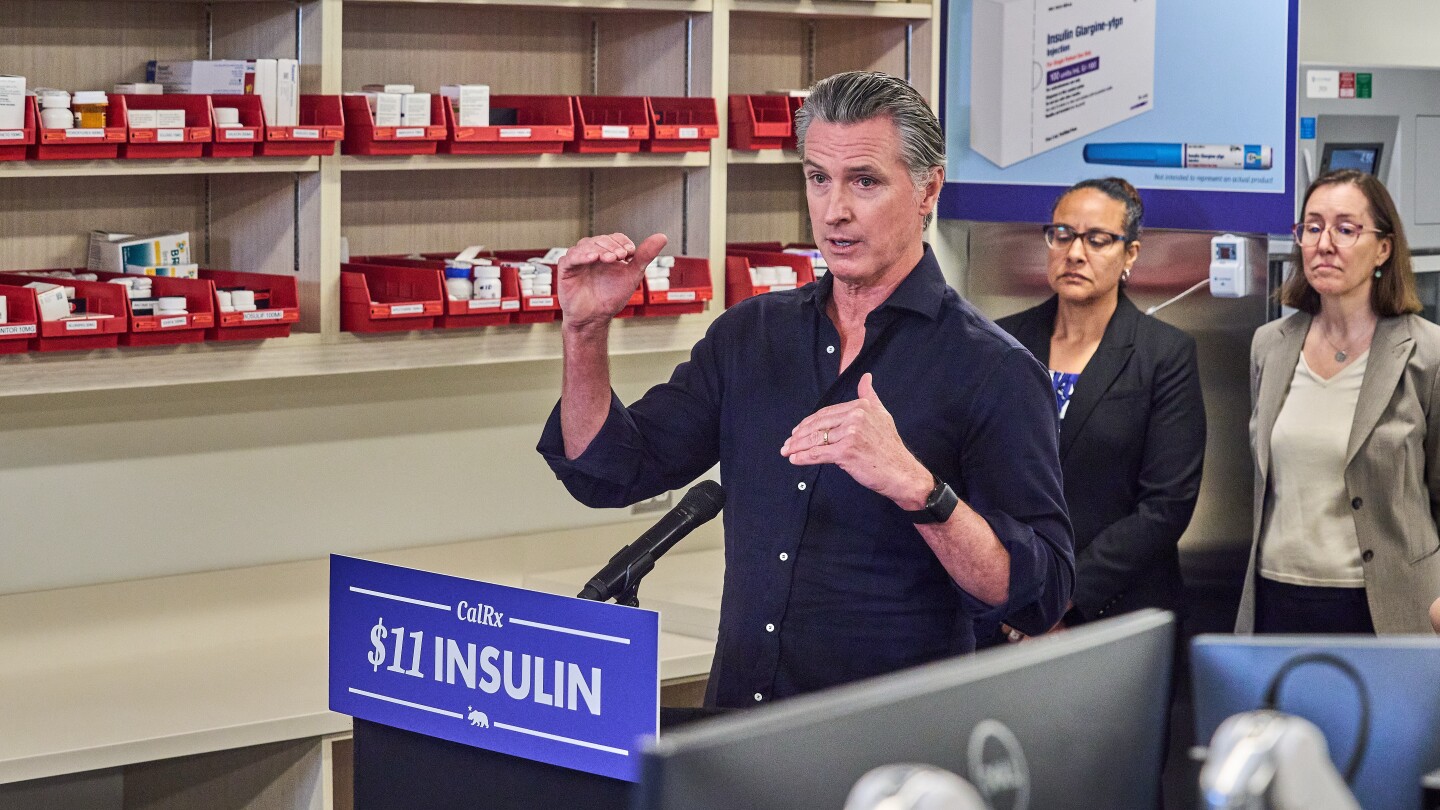
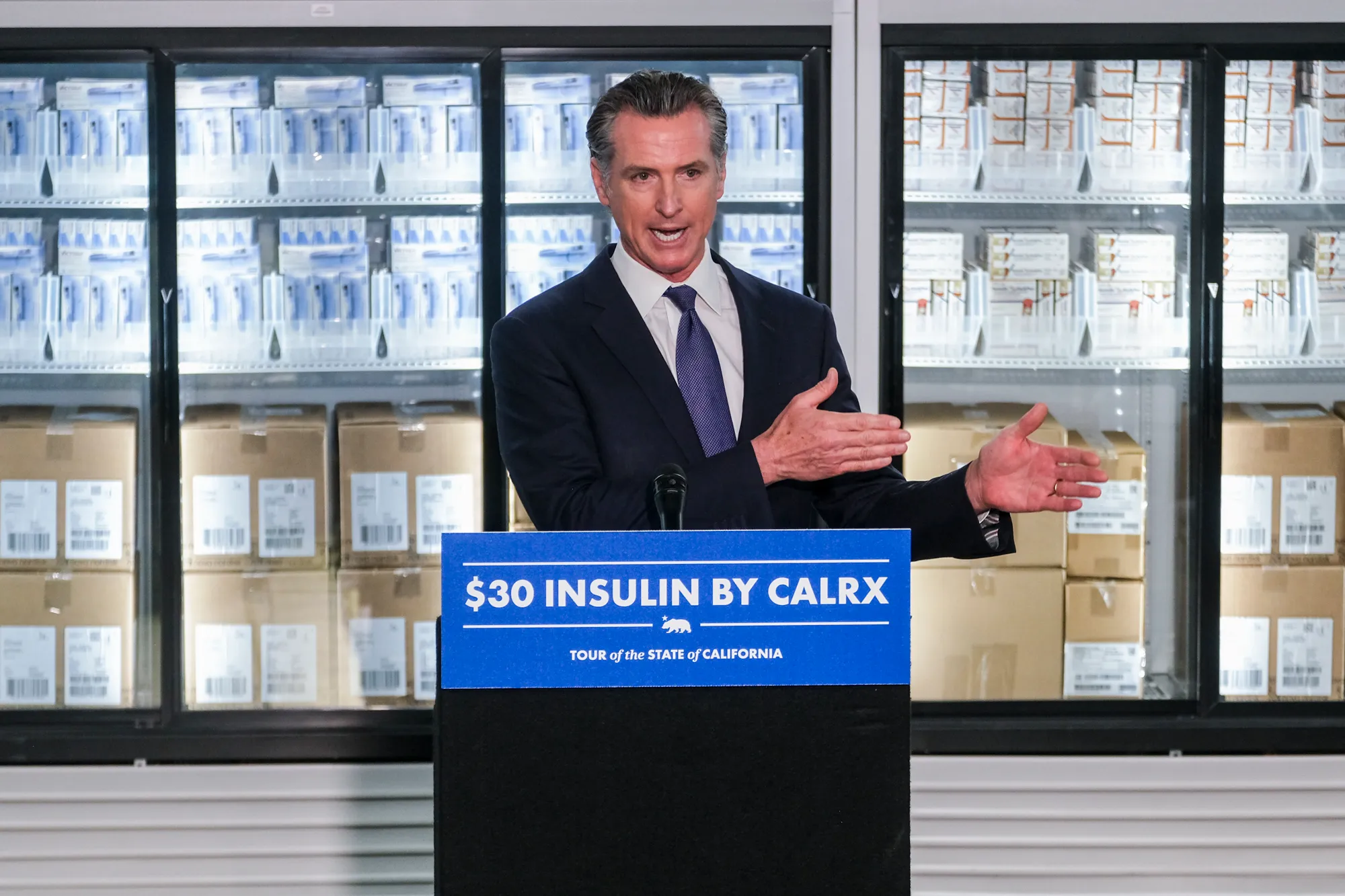
California will start selling its own affordable insulin under the CalRx brand on Jan. 1, aiming to lower costs for diabetics, with prices as low as $11 per pen, as part of a broader effort to reduce prescription drug prices and increase access to essential medications.
California will offer state-branded insulin at significantly reduced prices starting January 1, 2024, as part of a state initiative to lower drug costs, with long-acting insulin pens available for $11 each, aiming to improve access for the 3.5 million Californians with diabetes.
Interventional cardiologist Dr. Pradip Jamnadas emphasizes fasting as an effective method to reduce visceral fat, which surrounds vital organs and increases health risks like heart disease and diabetes. High sugar intake raises insulin levels, promoting fat storage and inflammation, but fasting lowers insulin, triggers fat burning, and improves metabolic health, making it a powerful strategy for long-term wellness.
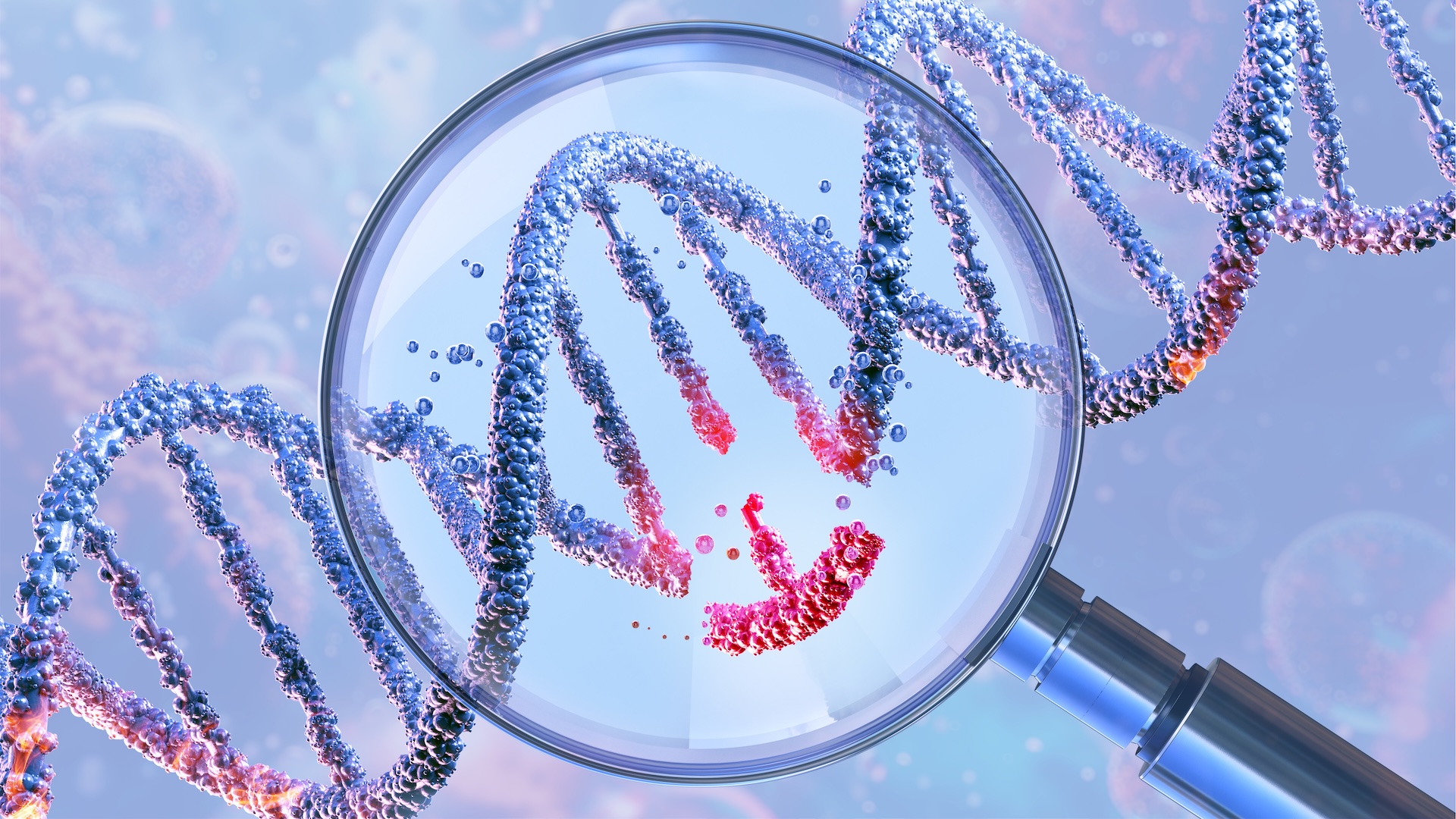
Researchers have successfully implanted CRISPR-edited pancreatic cells into a person with type 1 diabetes, enabling the cells to produce insulin and evade immune detection without immunosuppressive drugs, marking a significant step toward a potential cure for the disease. However, the study involved only one patient and more research is needed to confirm efficacy.
A man with type 1 diabetes has successfully produced his own insulin after receiving genetically engineered, CRISPR-edited cell transplants that evade immune rejection, marking a potential breakthrough in diabetes treatment.