Johnson & Johnson has reached an agreement with the US government to lower drug prices for Americans in exchange for tariff exemptions, participating in initiatives to make medicines more affordable and building new manufacturing facilities in the US as part of a broader investment plan.
Johnson & Johnson has reached an agreement with the U.S. government to lower drug prices for Americans in exchange for tariff exemptions, participating in discounted drug sales and expanding manufacturing investments in the U.S.
Drugmakers plan to raise prices on at least 350 medicines in the U.S., including vaccines and cancer treatments, despite pressure from the Trump administration to lower costs, with some drugs also seeing significant price cuts. The increases are part of ongoing strategies to maximize profits amid regulatory and political scrutiny, while some companies adjust prices to keep pace with inflation and support innovation.
Drugmakers plan to raise prices on at least 350 medicines in the US for 2026, including vaccines and cancer treatments, despite pressure from the Trump administration to lower costs. While some drugs will see price cuts, overall prices are increasing, with companies like Pfizer and GSK citing the need to support innovation and cover costs. These hikes occur even as the US continues to pay significantly more for prescription drugs compared to other developed nations.
The article argues that high drug prices in the US are primarily due to pharmaceutical companies charging what the market can bear, not foreign countries paying less, and criticizes Trump's approach of blaming international partners instead of addressing systemic issues within the US pharmaceutical industry and global trade policies that favor profits over access to medicines.
Several drug companies have agreed to lower their drug prices through 'Most Favored Nation' deals with the Trump administration, following initial hesitation from pharmaceutical executives after President Trump called for voluntary price cuts in May.
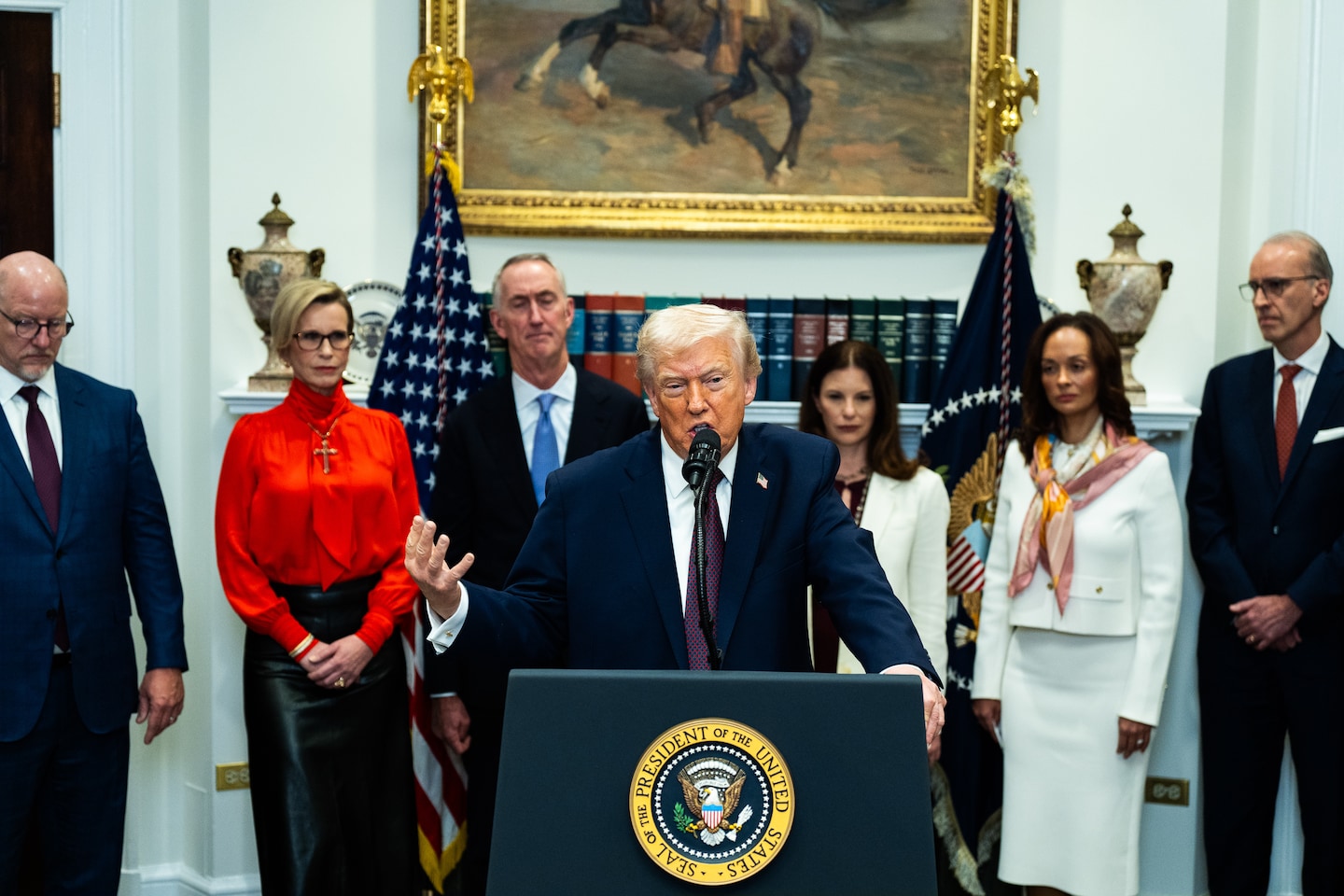
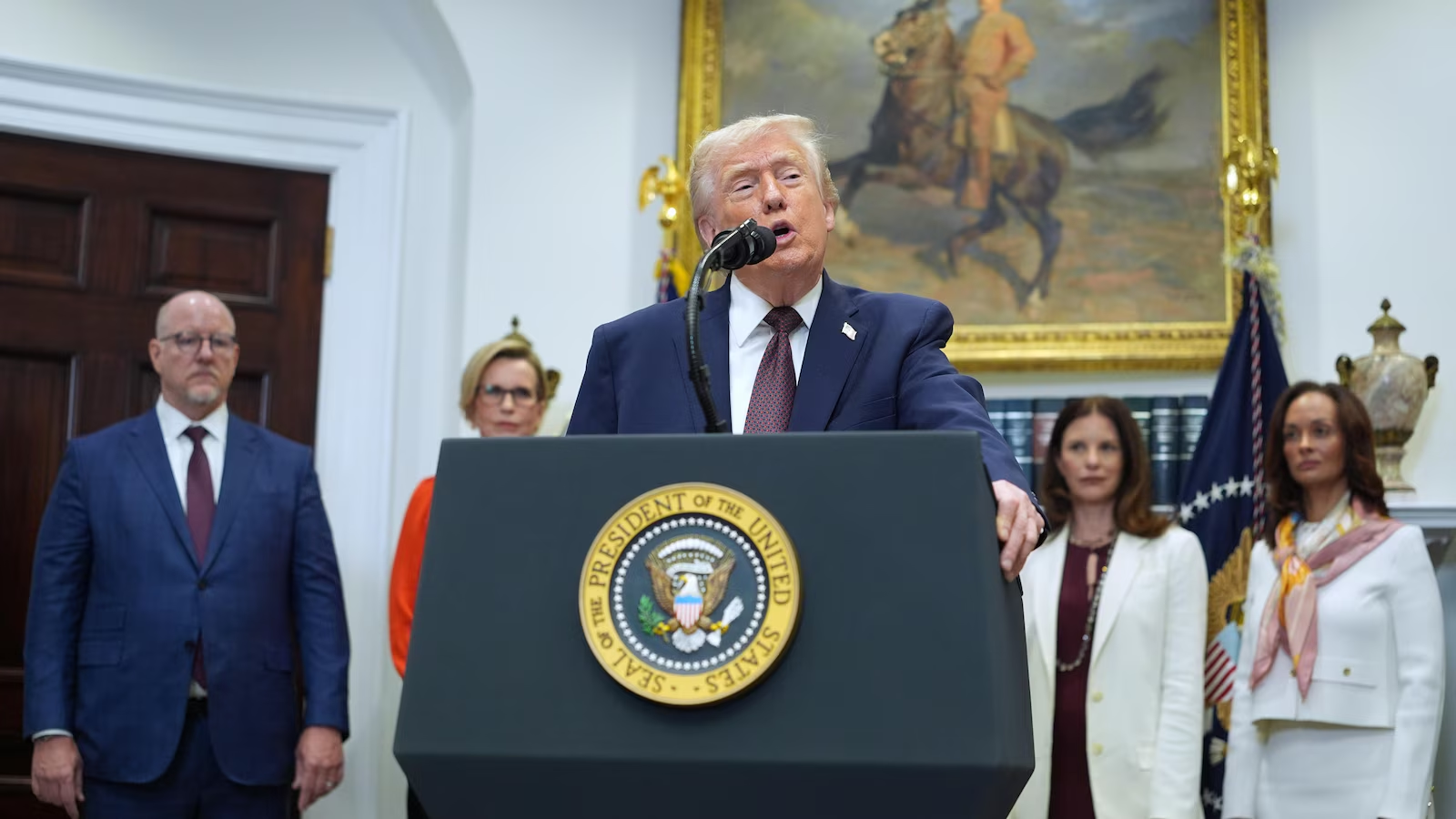
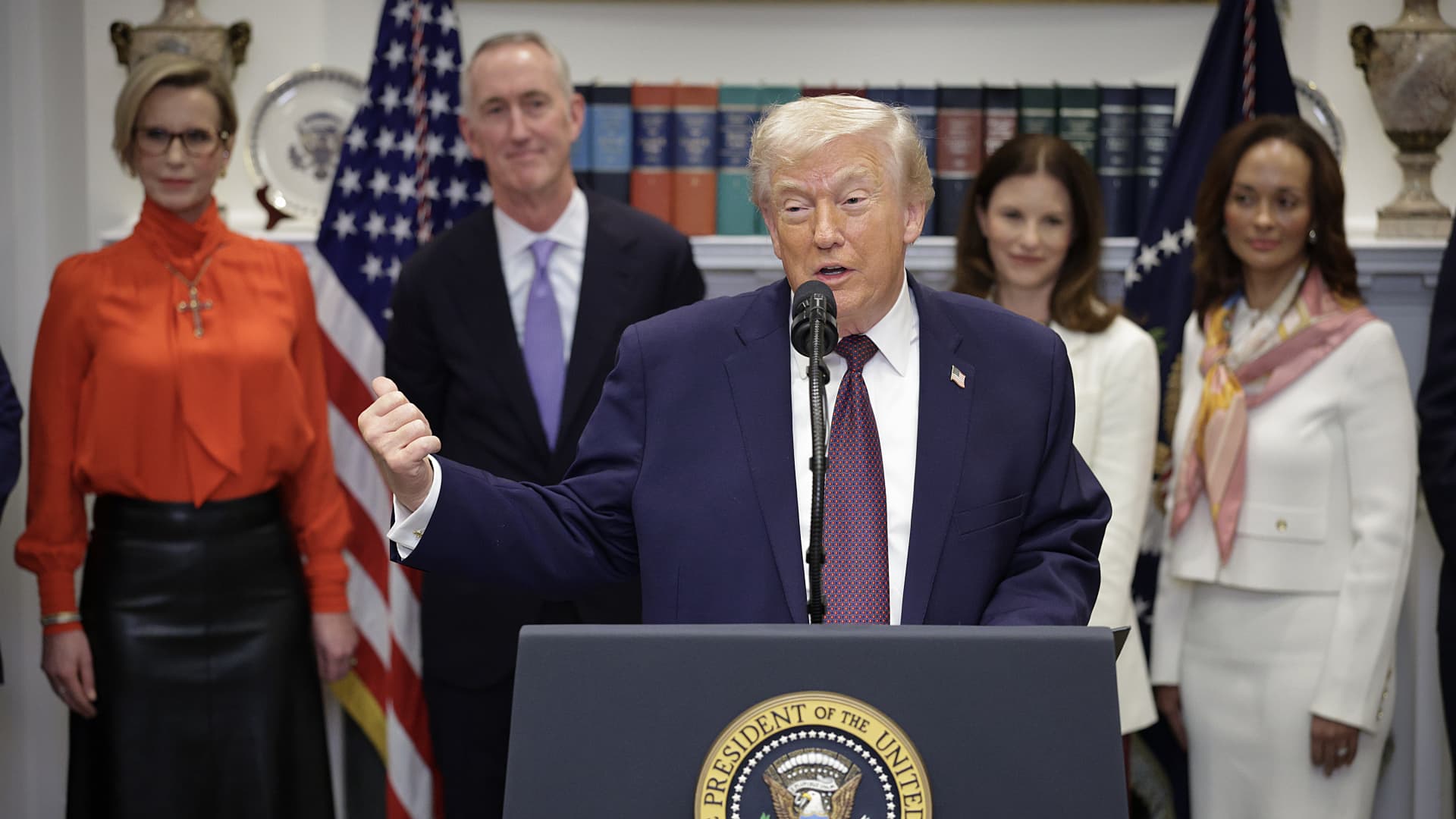
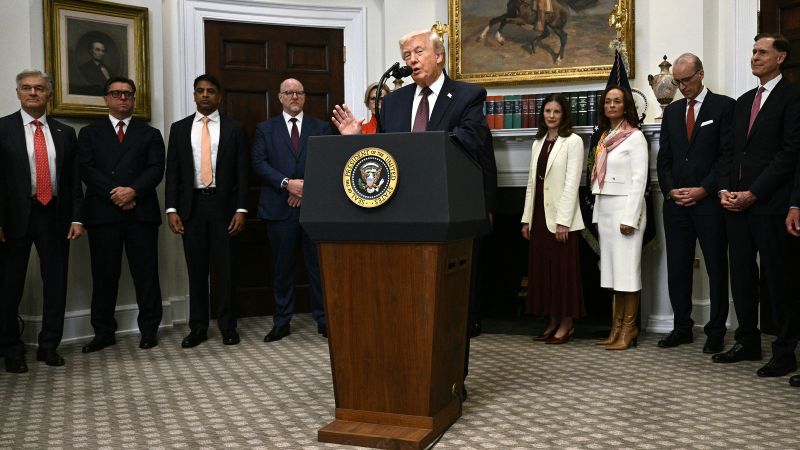
President Trump announced agreements with nine pharmaceutical companies to lower drug prices in the U.S., including matching prices with other developed countries and offering new drugs at 'most-favored-nation' rates. The deal also involves donations of critical medicines and plans to launch a platform for direct drug purchases, aiming to improve drug affordability and health equity. The effectiveness of these measures will take years to fully assess.
Donald Trump and nine major pharmaceutical companies have agreed to reduce drug prices for Medicaid and cash payers, promising significant savings and increased manufacturing in the US, as part of efforts to lower US prescription medicine costs to levels seen in other wealthy nations.
President Donald Trump announced nine new agreements with major pharmaceutical companies to lower prescription drug prices for Americans, aligning them with the lowest prices paid by other developed nations, resulting in significant savings and increased U.S. manufacturing investments.
Several major pharmaceutical companies, including Merck, Bristol Myers Squibb, and Gilead, have agreed to lower drug prices in the U.S. through voluntary deals with President Trump, which include offering certain medications at discounted rates and listing drugs on a new direct-to-consumer platform, in exchange for a temporary exemption from tariffs and commitments to invest in U.S. manufacturing.
President Trump announced new 'Most Favored Nation' drug pricing deals with nine pharmaceutical companies to lower drug costs and plans to meet with insurers to address rising health insurance premiums, amid skepticism about the impact of these measures.
A Trump pollster advised House Republicans to focus on reducing drug prices to counter Democrats' healthcare messaging, while other political developments include debates over Obamacare subsidies, GOP leadership struggles, and bipartisan efforts on healthcare legislation, amidst ongoing investigations and pardons involving Trump and other officials.
The U.S. and the UK have reached an agreement in principle to address pharmaceutical trade imbalances, including the UK increasing payments for new medicines and the U.S. exempting UK pharmaceuticals from tariffs, aiming to lower drug costs for Americans and boost pharmaceutical innovation and investment.
Former President Donald Trump announced agreements with Eli Lilly and Novo Nordisk to lower the prices of weight-loss drugs like Wegovy and Zepbound, making them more accessible through Medicare, Medicaid, and a new government website, TrumpRx, with prices ranging from $149 to $350 per month, depending on the drug and coverage.
The Trump administration announced deals with Novo Nordisk and Eli Lilly to lower the cost of GLP-1 drugs for Americans, including Medicare beneficiaries, with prices starting at $150 for pills and $350 for injectables, aiming to expand access and reduce costs for obesity and diabetes treatments.