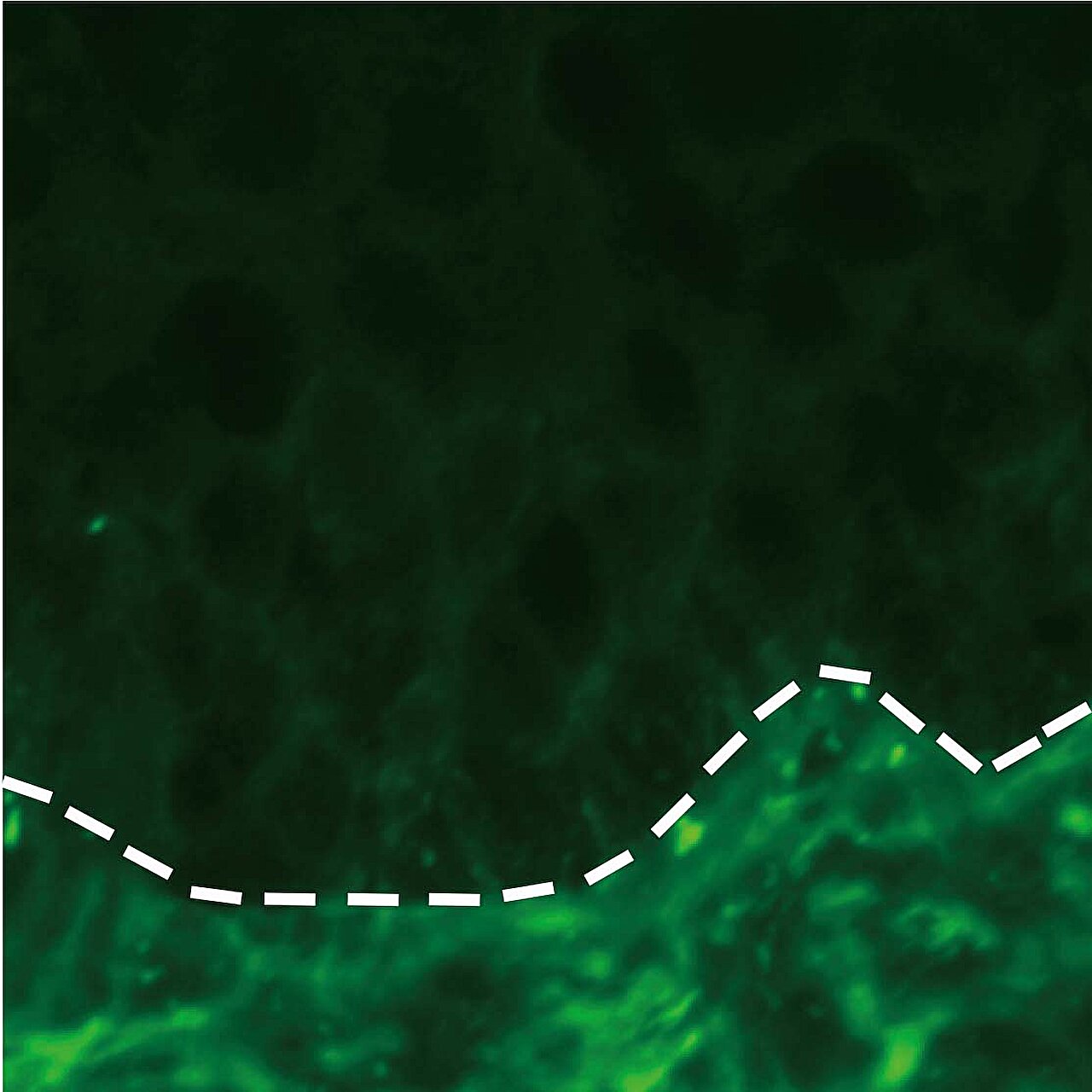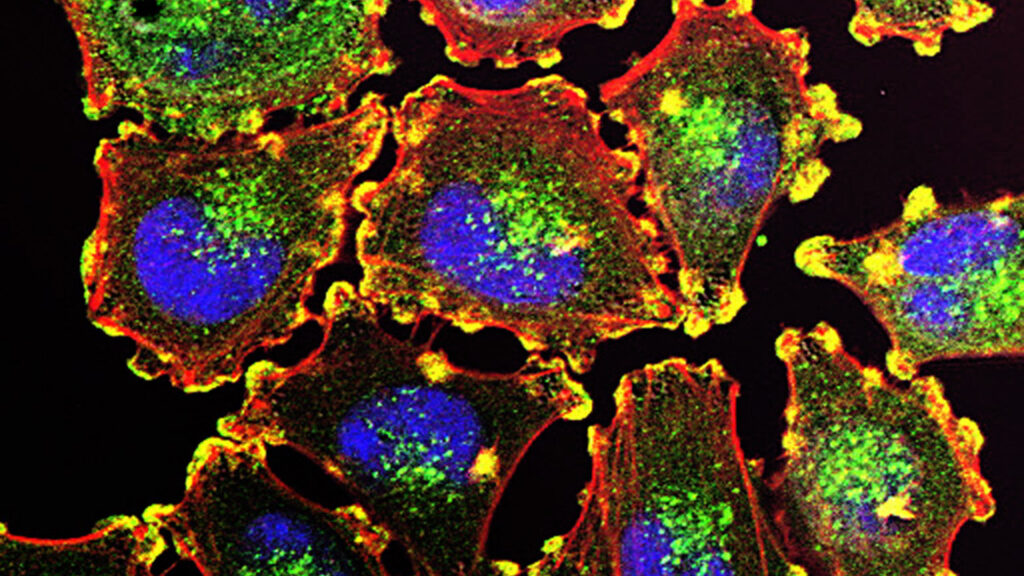
Researchers have developed a technology to reprogram rogue T cells into protective Treg cells, demonstrating targeted therapy for autoimmune diseases like pemphigus vulgaris, inflammatory bowel disease, and graft-versus-host disease in mouse models, potentially leading to safer, personalized treatments.
Bristol Myers Squibb is acquiring Orbital Therapeutics for $1.5 billion to enhance its cell therapy portfolio with next-generation RNA medicines, including the investigational CAR T-cell therapy OTX-201, aimed at autoimmune diseases, leveraging Orbital's innovative RNA platform for more accessible and effective treatments.
The FDA's biologics center has released new draft guidances aimed at helping developers streamline the creation of innovative cell and gene therapies for small patient populations.
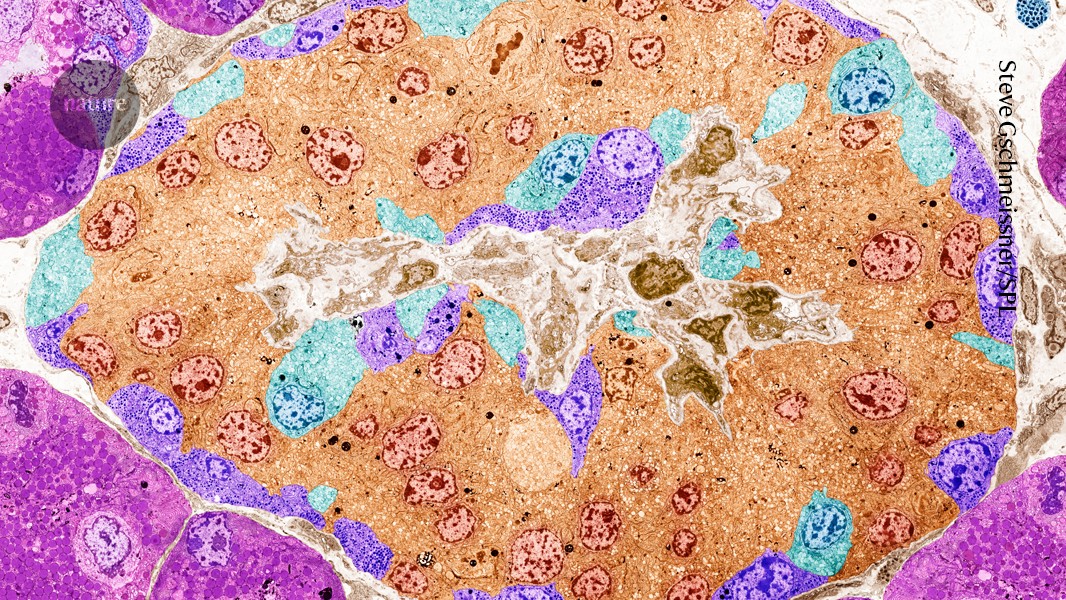
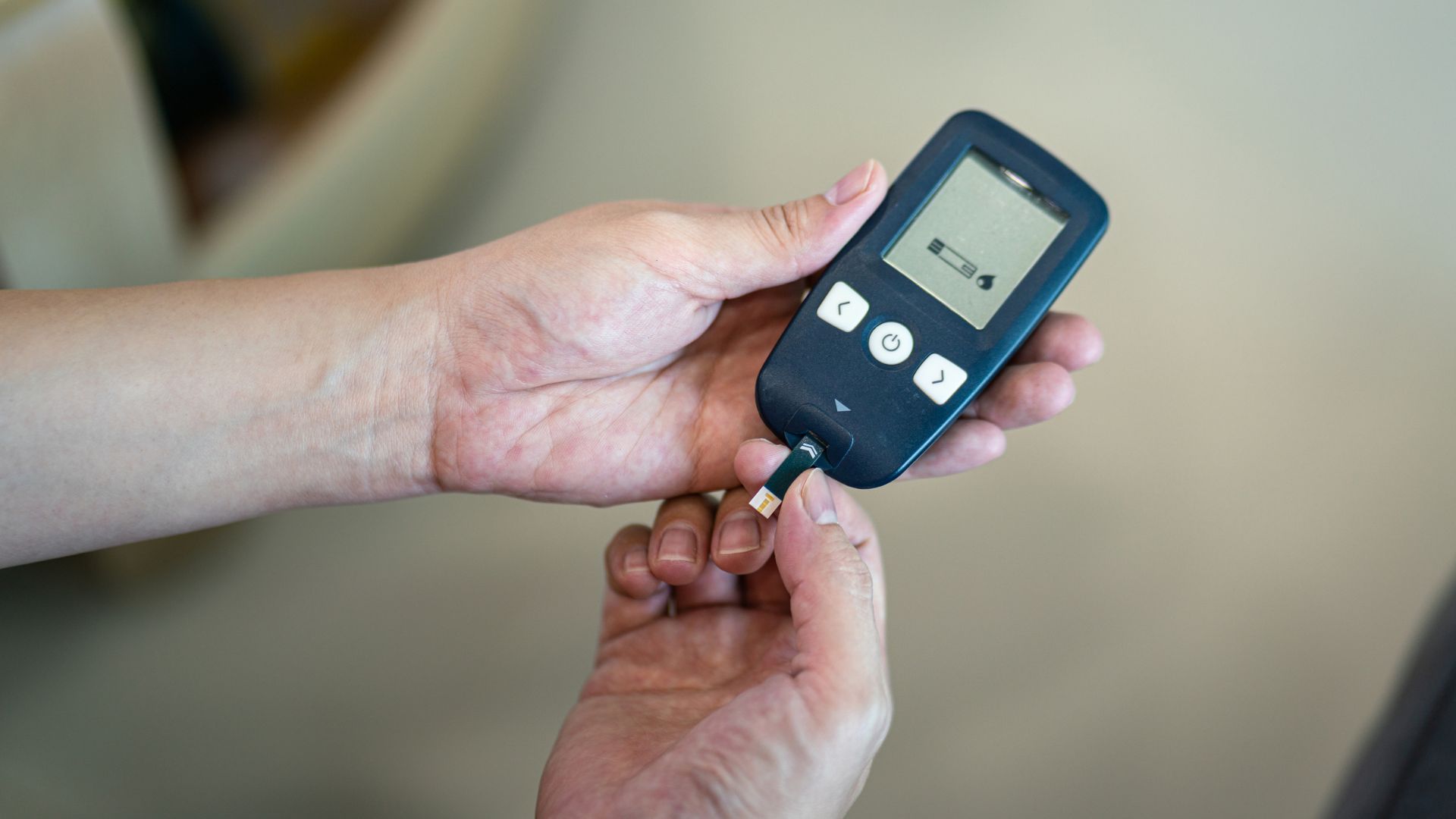
Researchers have successfully implanted CRISPR-edited pancreatic cells into a person with type 1 diabetes, enabling the cells to produce insulin and evade immune detection without immunosuppressive drugs, marking a significant step toward a potential cure for the disease. However, the study involved only one patient and more research is needed to confirm efficacy.
The FDA rejected Capricor Therapeutics' application for its cell therapy deramiocel aimed at treating Duchenne muscular dystrophy, citing insufficient evidence of effectiveness and requesting more clinical data.
Recent leadership changes at the FDA, including the removal of top officials overseeing cell and gene therapies, have created uncertainty in the biotech sector, impacting stock prices and raising questions about the future regulatory landscape for genetic medicines, especially following disagreements over drug approvals like Sarepta's Elevidys.
The FDA's chief regulator of cell and gene therapies was ousted following a disagreement over the review process for a Duchenne muscular dystrophy therapy and ongoing management tensions, highlighting internal conflicts within the agency.
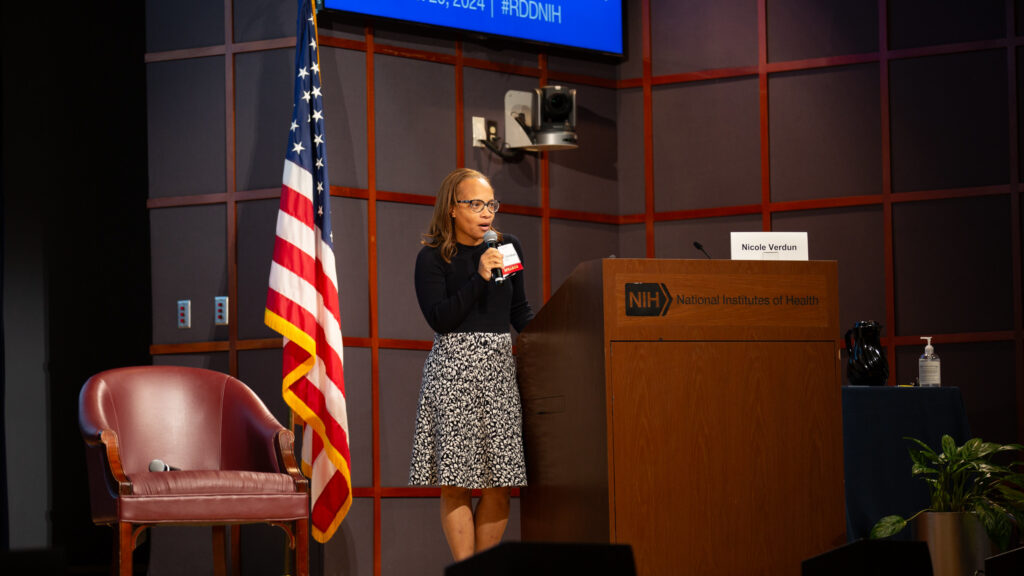
At a June 5 FDA roundtable, officials and experts discussed streamlining regulations to accelerate the development of cell and gene therapies, with suggestions including adopting China's two-tier system and reducing bureaucratic delays, amid concerns over international competition and innovative breakthroughs like CRISPR treatments for rare diseases.
Chinese scientists have developed a pioneering CAR-T cell therapy that offers the potential for a one-time treatment for asthma, a condition that currently requires lifelong management. This therapy, which targets key cytokines driving asthma, has shown promising results in animal studies, providing long-term relief from symptoms. While the findings are encouraging, experts stress the need for further research to ensure the therapy's safety and efficacy in humans.
Chinese scientists have reported a potential cure for diabetes using innovative cell therapy, successfully treating a 59-year-old man with type 2 diabetes who became insulin-independent within eleven weeks of a cell transplant. The patient has remained medication-free for over 33 months, marking a significant breakthrough, though further large-scale trials are needed to confirm the treatment's efficacy and safety.
Chinese scientists have reportedly cured a 59-year-old man of type 2 diabetes using cell therapy, marking a groundbreaking achievement in regenerative medicine. The patient, who had severe complications and was dependent on insulin, no longer requires external insulin or oral medication after the cell transplant. This breakthrough could significantly impact diabetes treatment, especially in China, which has the highest number of diabetes patients globally. Further studies are needed to confirm these findings in a larger patient population.
Chinese scientists have reportedly cured a 59-year-old man's type 2 diabetes using cell therapy, marking a world first. The patient, who had been dependent on insulin injections, regained pancreatic islet function and has been insulin-free for 33 months. This breakthrough, published in Cell Discovery, represents a significant advance in regenerative medicine and offers hope for millions of diabetes sufferers globally. Further studies are needed to confirm the therapy's efficacy in more patients.
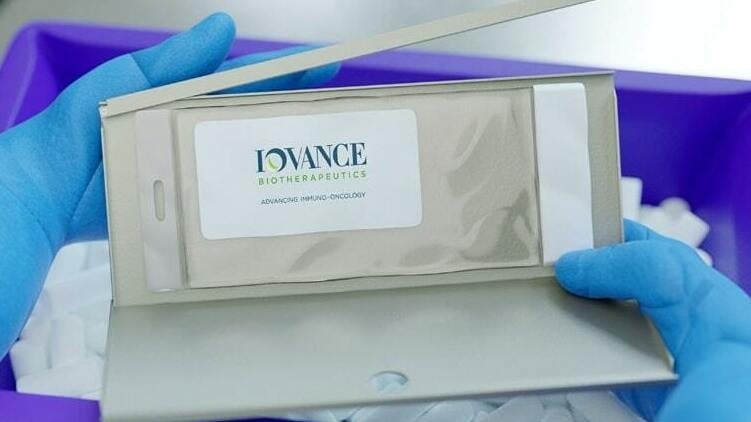
The FDA has approved Amtagvi, a novel cell therapy developed by Iovance Biotherapeutics, to treat aggressive forms of melanoma, making it the first cell therapy for solid tumors to receive FDA approval. Amtagvi works by using immune system cells from a patient's tumor to fight advanced melanoma. This treatment represents a significant advancement for patients with limited options, and while it has been fast-tracked for approval, additional trials are being conducted to confirm its efficacy. Melanoma, although accounting for only 1% of skin cancer cases, is linked to a significant number of cancer-related deaths, and Amtagvi offers a promising new option for those affected by this aggressive form of cancer.
The FDA has granted accelerated approval for the first cell therapy, Amtagvi or lifileucel, for treating advanced melanoma, marking a significant milestone in cancer treatment. This immunotherapy, developed by Iovance, involves harvesting cancer-fighting immune cells from the patient's own body. In a phase 2 clinical trial, 31% of patients who had exhausted standard care options responded to the therapy, with 42% of responders still showing positive results after 18 months. Researchers believe this approval could pave the way for similar successes in treating other solid tumors.
The FDA has granted accelerated approval to Iovance Biotherapeutics for their cell therapy, Amtagvi, designed for patients with advanced melanoma. This marks the first modern cell therapy for a solid tumor, as well as the first approved treatment based on tumor-infiltrating lymphocytes (TILs), representing a significant milestone in cancer treatment after more than 40 years of development.