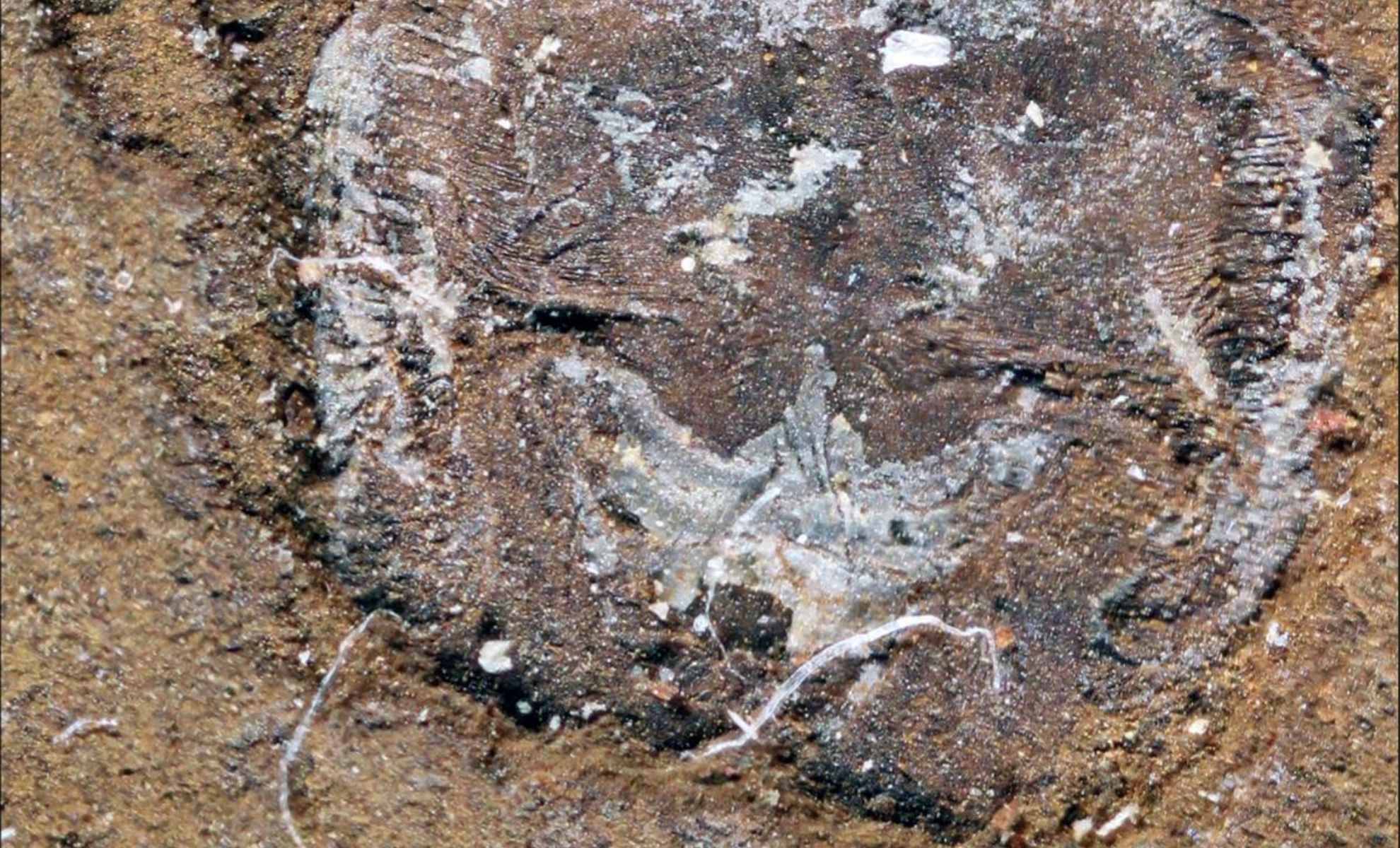
The discovery of the fossil Telmatomyia talbragarica in Australia challenges previous beliefs that certain freshwater midges originated in Laurasia, suggesting instead a Gondwanan origin and providing new insights into insect evolution and the breakup of Gondwana.
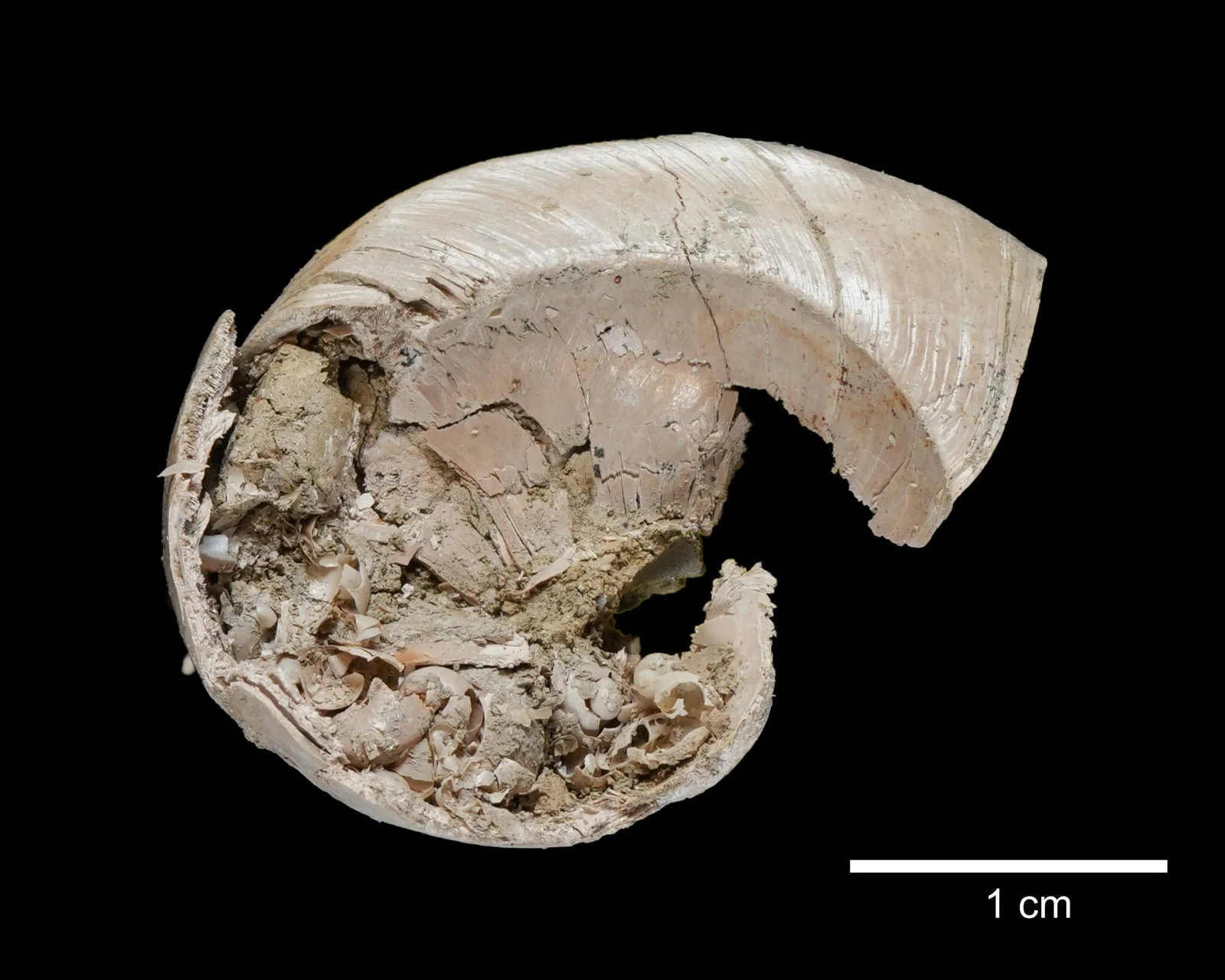
Researchers in Taiwan discovered the first fossils of five freshwater mollusk species from the Early Pleistocene, including rare evidence of a juvenile snail shell inside its mother's shell, indicating ancient live birth behavior. This finding sheds light on the early biogeography and reproductive strategies of freshwater snails in East Asia, highlighting Taiwan's role as a migratory corridor during glacial periods and providing crucial insights into the evolution of freshwater biodiversity.
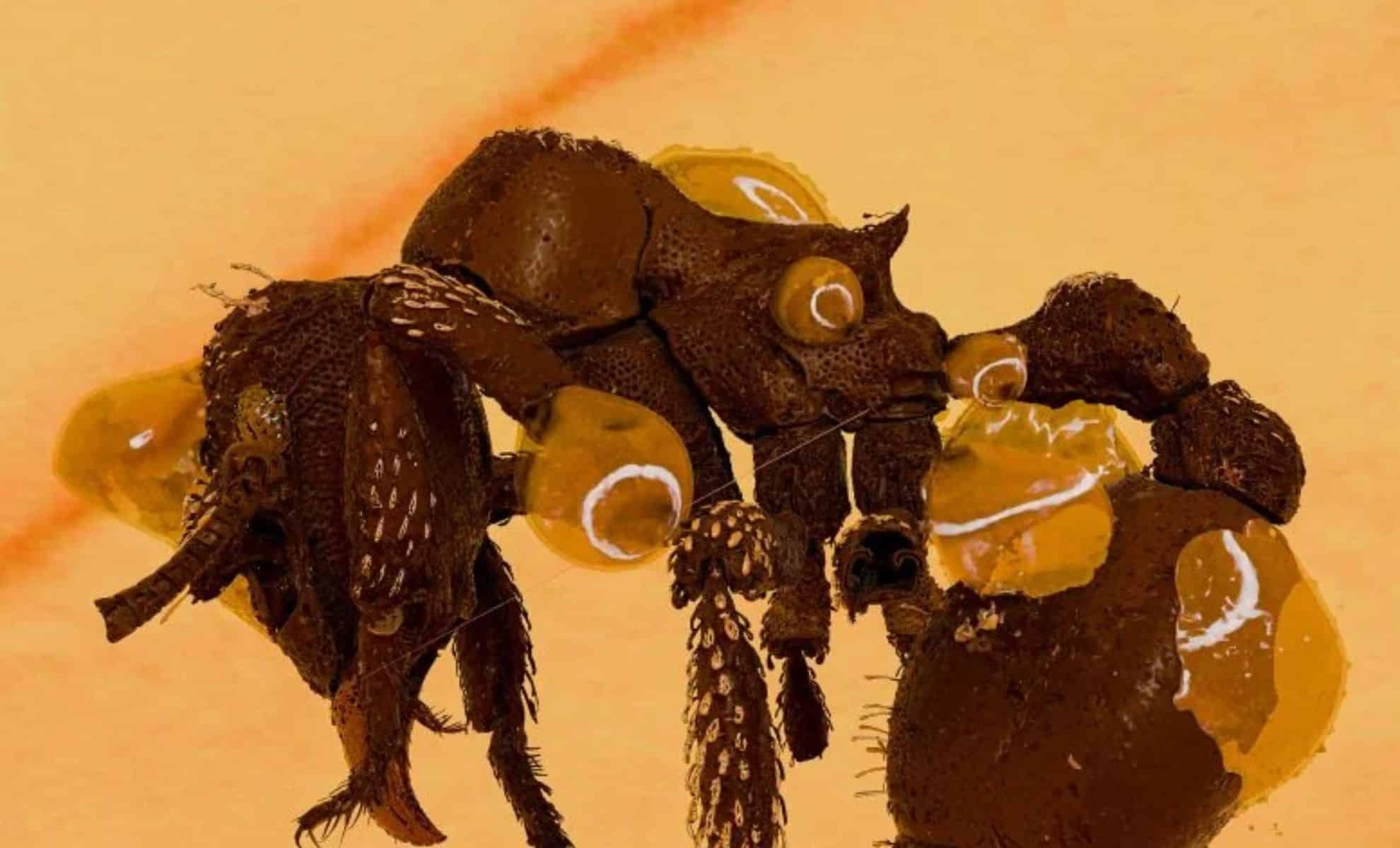
A 16-million-year-old fossil of a tiny dirt ant from Dominican amber has challenged previous beliefs by showing that the Basiceros ant lineage once lived in the Caribbean, indicating a more complex evolutionary history and biogeographic distribution than previously thought. The discovery also suggests that these ants nearly doubled in size over 20 million years and highlights their advanced survival strategies, despite their eventual extinction due to environmental changes and competition.
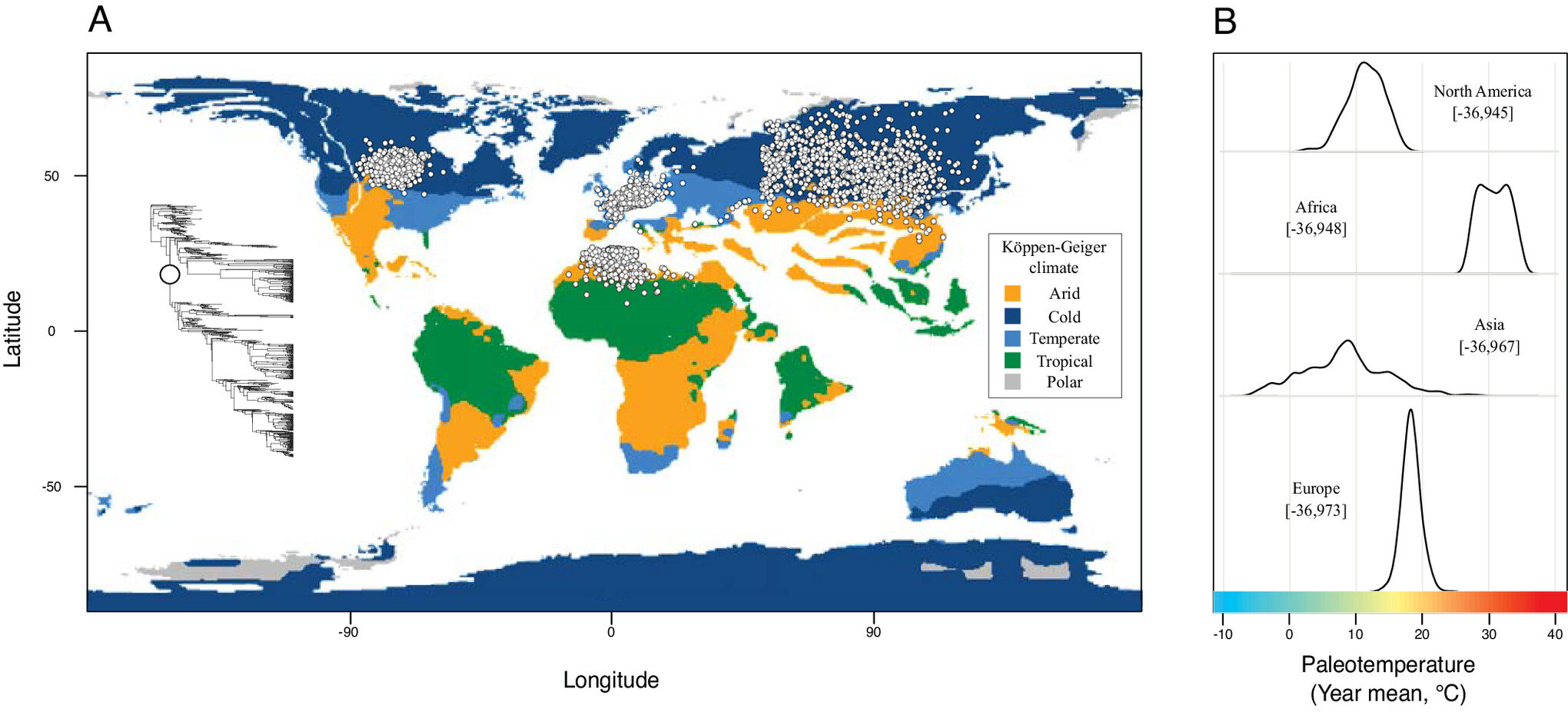
Fossil and statistical modeling research shows that early primates evolved in cold, seasonal climates in North America around 66 million years ago, challenging the previous belief that they originated in tropical forests, and suggesting they migrated to warmer environments over time.
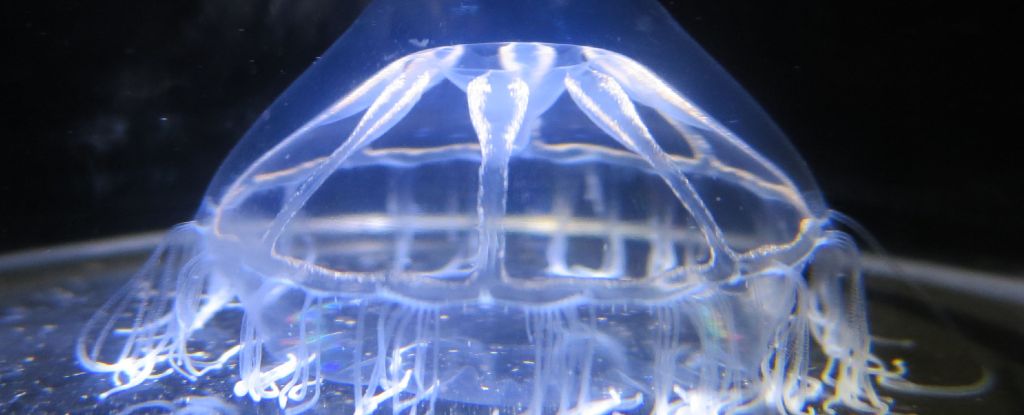
Scientists discovered a mysterious, semi-permeable barrier in the North Atlantic that separates two morphotypes of jellyfish, despite their genetic similarity, suggesting an unknown deep-sea biogeographic boundary that influences species distribution in the Arctic and sub-Arctic regions.
A new study provides empirical evidence that all life on Earth follows a 'core-to-transition' organization, where most species originate from biodiversity-rich core regions and expand outward, with environmental factors like heat and drought influencing their spread, offering insights into biodiversity patterns and responses to climate change.
Scientists from Umeå University have discovered a universal pattern in how species cluster in core areas within biogeographical zones and expand outward, revealing a fundamental rule that shapes Earth's biodiversity and has significant implications for conservation and climate change strategies.
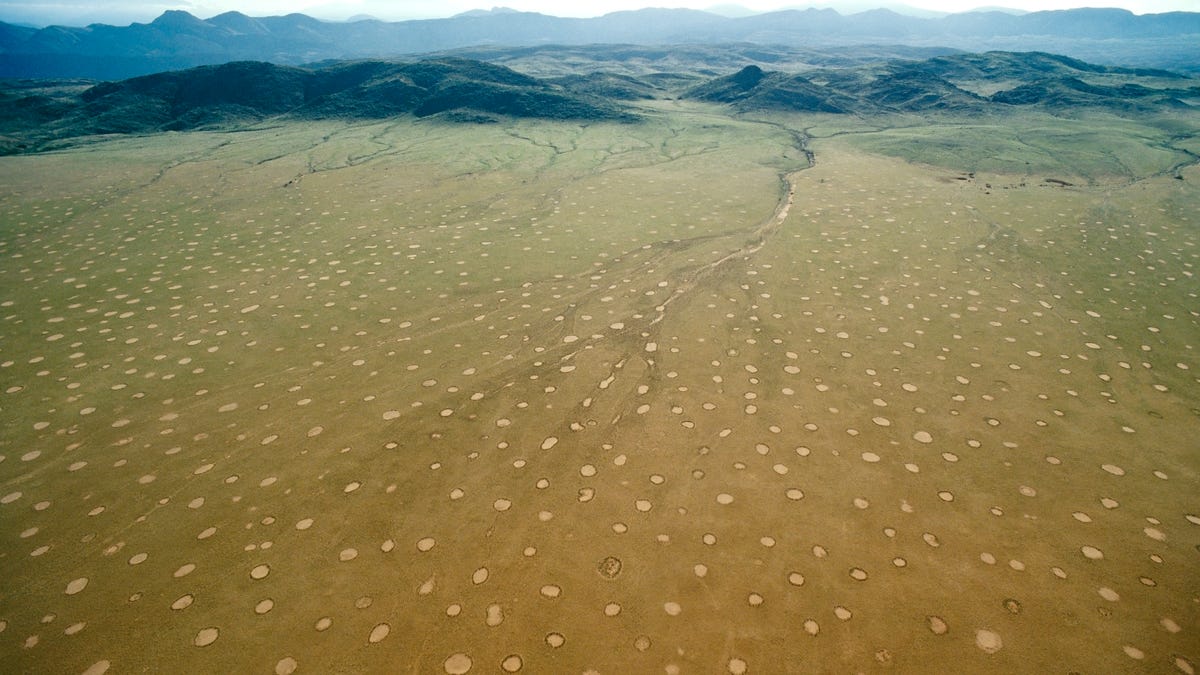
A new study has published the most comprehensive atlas of "fairy circles" to date, documenting 263 new sites in 15 countries across three continents, but sadly none have been officially documented in North America. Fairy circles are patterns of bare soil surrounded by circular vegetation patches that have fascinated scientists for years. The study provides insights into the ecology and biogeography of these patterns and reveals that they are more common than previously thought. The circles are found in arid regions with specific soil and climatic conditions, and the presence of termite nests also plays a role. The study used artificial intelligence-based models and satellite images to discover new locations with similar patterns.
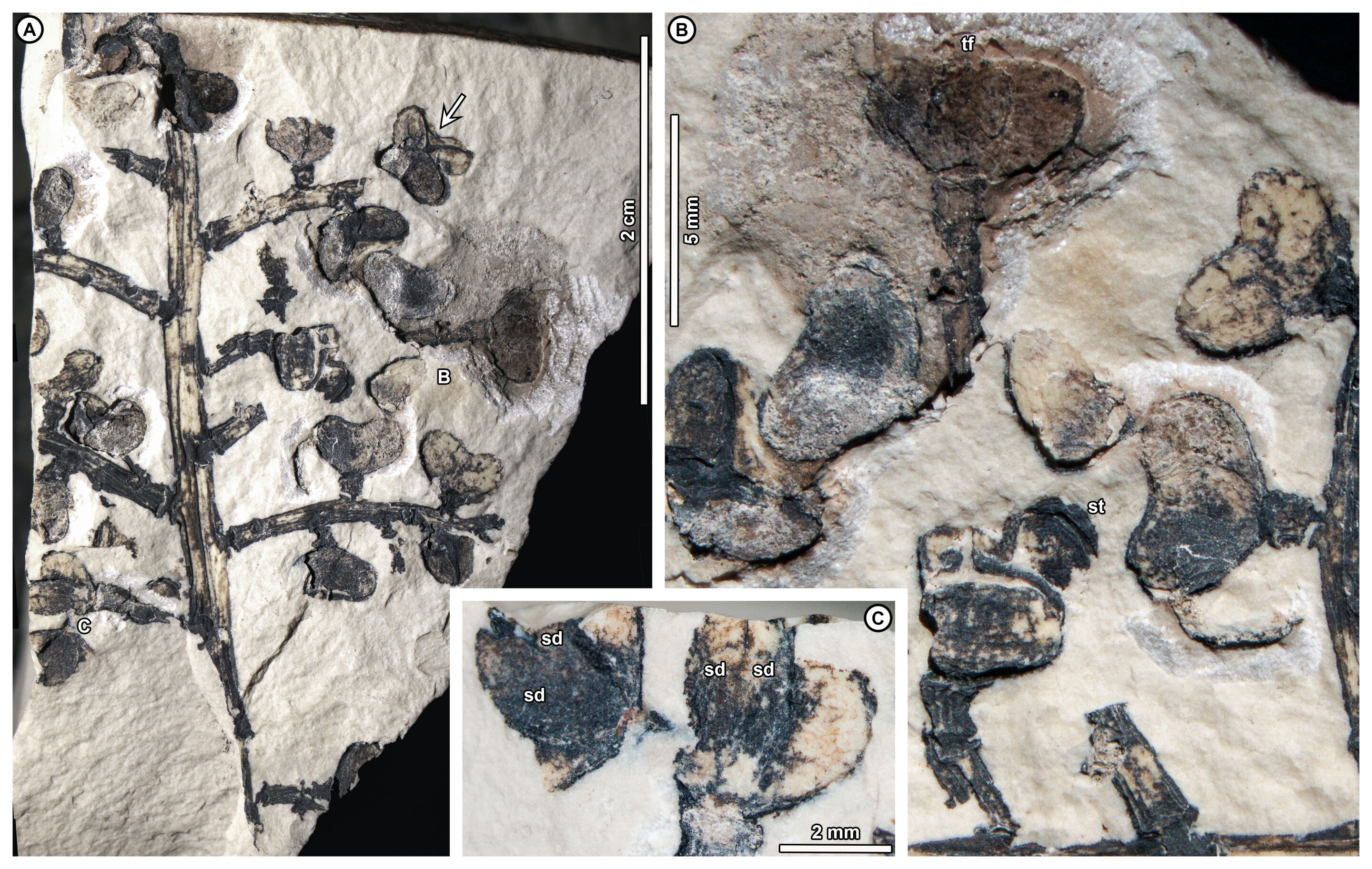
Fossil evidence from Argentina suggests that a group of plants from the spurge family, known for economically valuable species like rubber trees and poinsettias, migrated from ancient South America to Australia, Asia, and parts of Africa. The findings challenge the prevailing idea that the spurge family's Macaranga-Mallotus clade evolved in Asia, instead suggesting that it may have originated in Gondwanan South America before spreading globally. The fossils, dating back 52 million years, provide the first direct evidence of spurges in Gondwanan South America and highlight the plants' ability to adapt to different environments over time. The study serves as a reminder of the resilience of the natural world and the need to address deforestation and environmental changes.