Tag

Inbreeding

All articles tagged with #inbreeding

archaeology-and-genetics29 days ago

Bronze Age Southern Italy Community Revealed Through Archaeogenetics

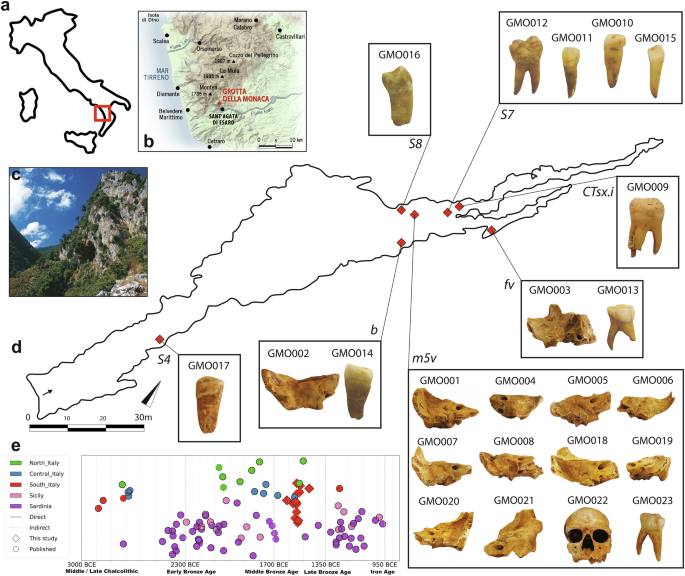
The study reconstructs the demography and social structure of a Middle Bronze Age community from Calabria, Southern Italy, revealing genetic continuity with Mediterranean populations, evidence of kinship and inbreeding, including a rare case of parent-offspring mating, and highlighting complex migration and interaction patterns in prehistoric Italy.
environment4 months ago

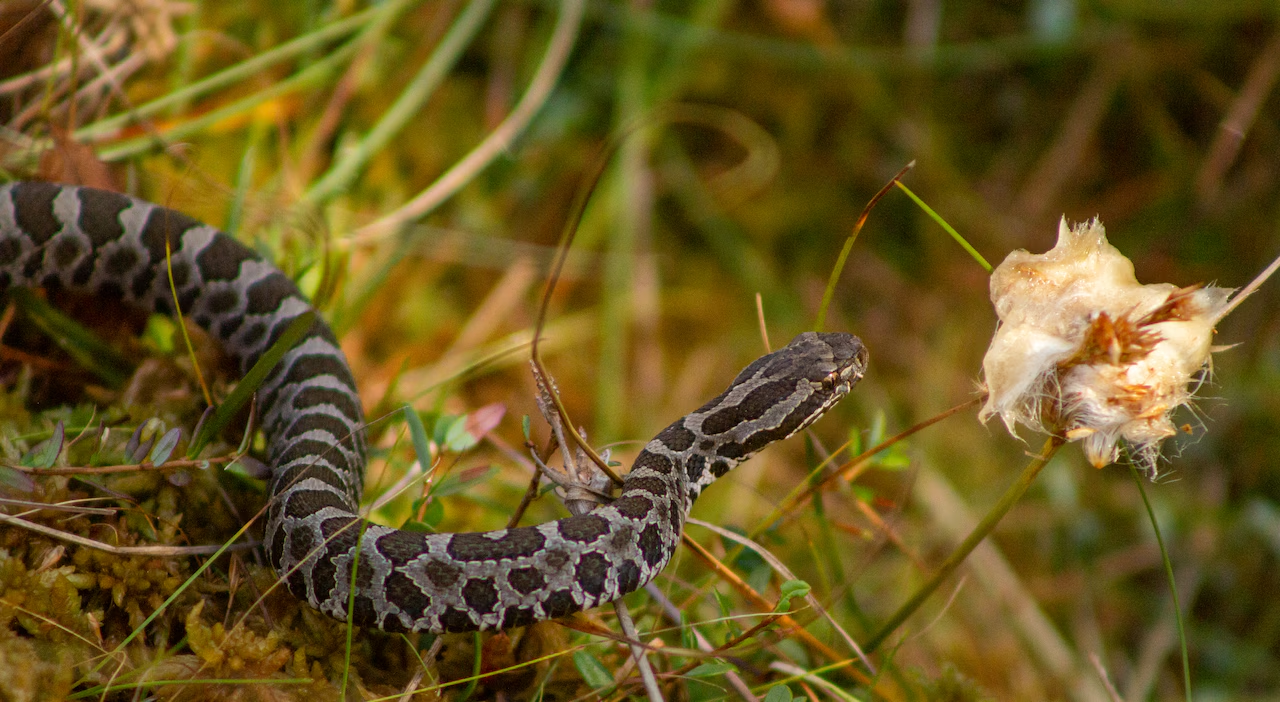
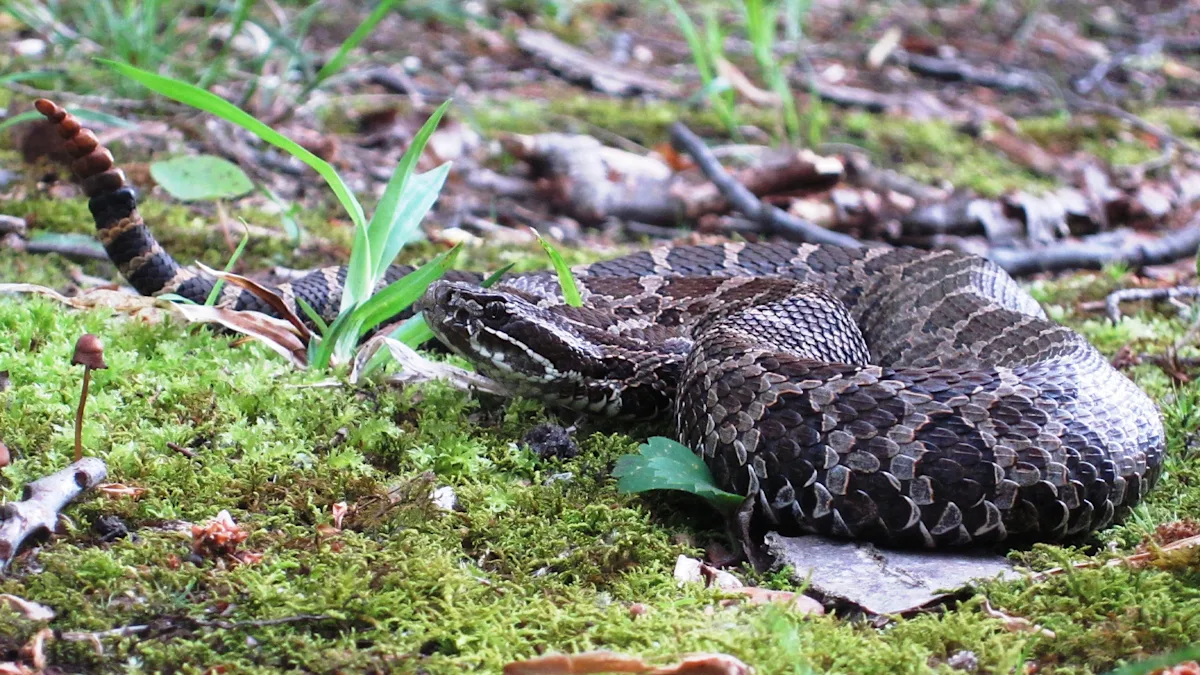
Inbreeding Threatens Michigan's Rare Eastern Massasauga Rattlesnakes

Research at Michigan State University reveals that habitat fragmentation is causing inbreeding among Michigan's eastern massasauga rattlesnake populations, leading to decreased reproductive success and survival rates, which threatens the species' future. Reconnecting habitats and other conservation efforts are recommended to mitigate these effects.

archaeology1 year ago

"Uncovering the Sophisticated Societies of Europe's Last Hunter-Gatherers"

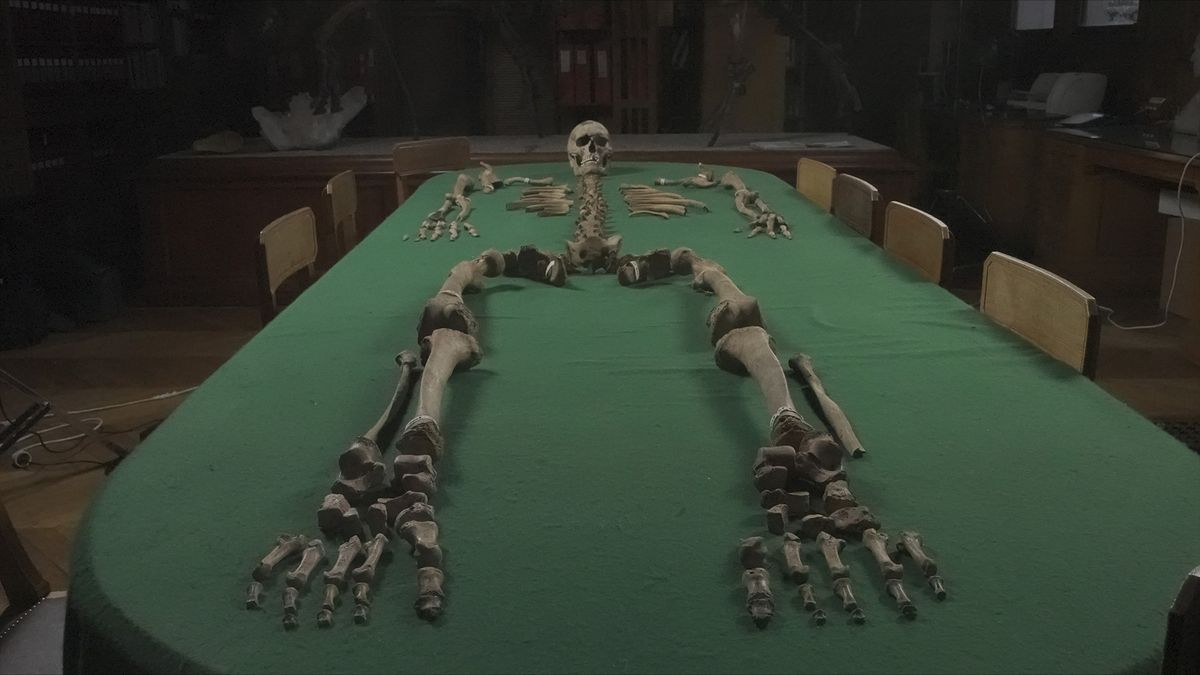
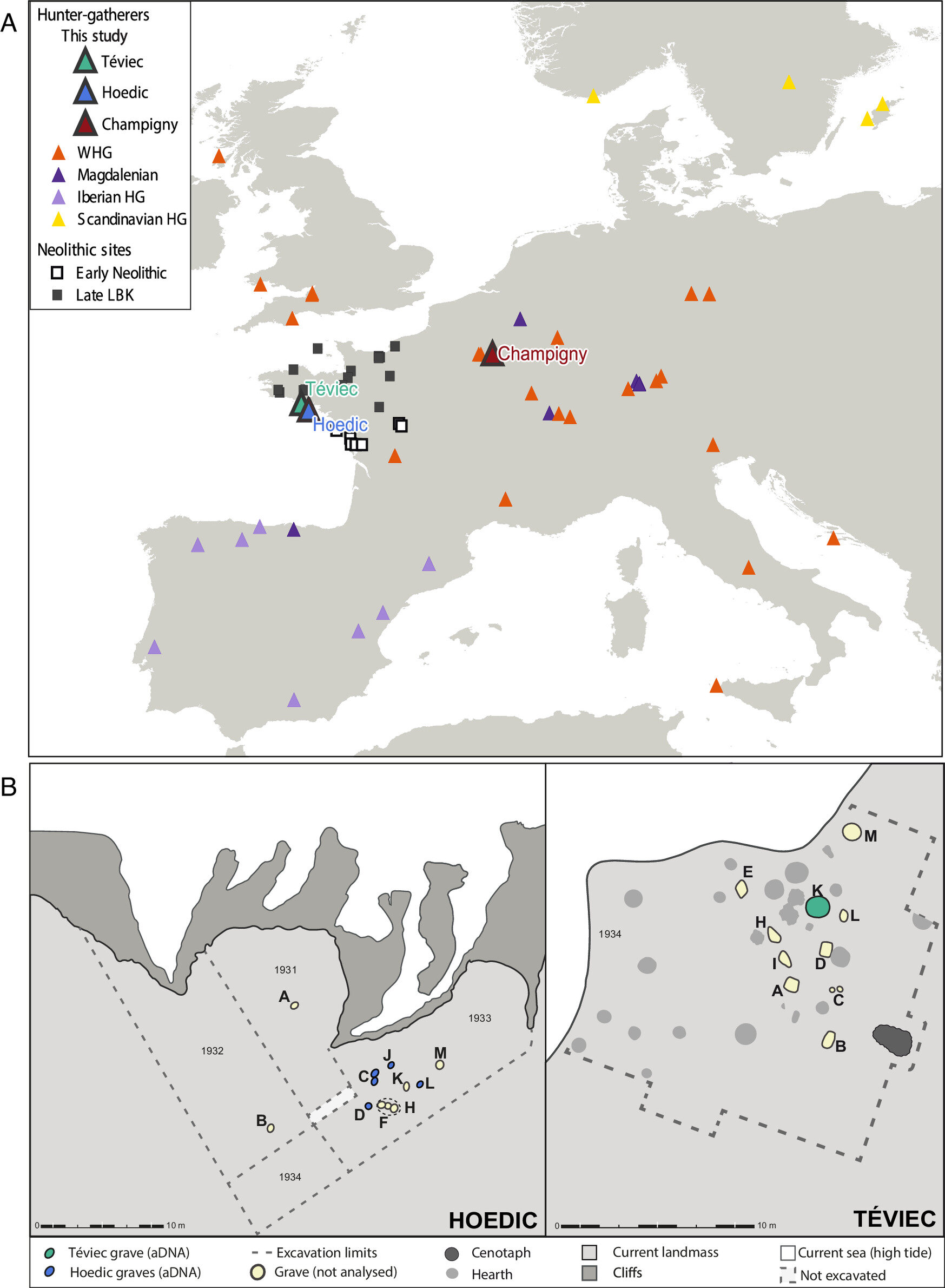
High-tech DNA analysis of 8,000-year-old hunter-gatherer skeletons in France suggests that these groups developed cultural strategies to avoid inbreeding, with little biological kinship among individuals buried together. The study sheds light on the complexity of hunter-gatherer societies during the Neolithic transition, challenging the notion of simplicity associated with such groups and highlighting the importance of social relationships that were not based on biological kinship.

archaeologygenetics1 year ago

"Stone Age Genetic Strategy for Inbreeding Avoidance Revealed"

A genetic study of Stone Age burial sites in Western Europe suggests that hunter-gatherer communities deliberately lived together in distinct social units to avoid inbreeding, despite the coexistence of Neolithic farming communities. The study, led by researchers from Uppsala University and French institutions, analyzed the genomes of individuals buried at iconic sites in France, revealing that the groups were generally not closely related and showed no signs of inbreeding. The findings provide new insights into the social dynamics of the last Stone Age hunter-gatherer populations in Western Europe.

genetics1 year ago

"55 Fascinating Genetics Facts Shared by Netizens"

Genetics facts include the potential for storing data in DNA, the inbreeding of cheetahs, the impact of genetics on drug effectiveness, the complexity of genetic inheritance, and the influence of genetics on personal traits and health conditions. Additionally, the article highlights the challenges and advancements in genetic testing, the impact of genetics on cancer risk, and the diverse and dynamic nature of genetic research.

pets-and-animals1 year ago

"New Research Identifies Dog Breeds at Higher Risk of Cancer"

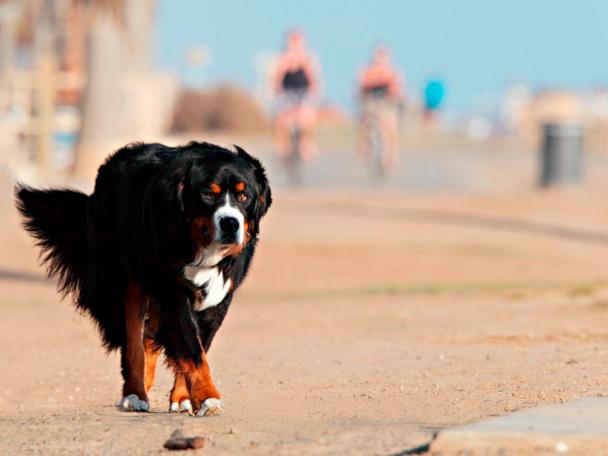
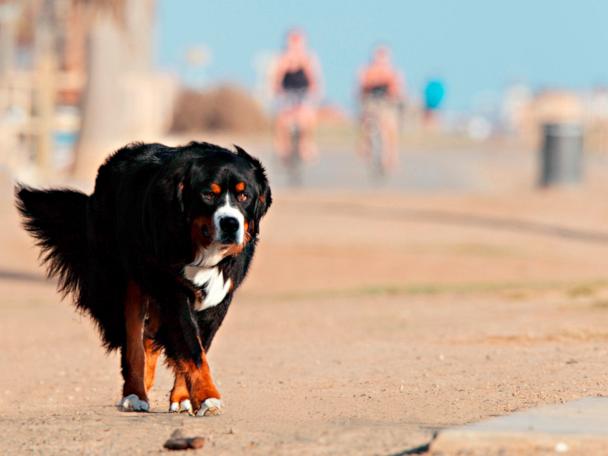
New research has identified specific dog breeds with a higher likelihood of developing cancer, challenging the belief that larger dogs are at greater risk. The study found that large, but not the largest, breeds generally have the highest cancer risk, with flat-coated retrievers, Bernese mountain dogs, and Westies being among the most prone. The findings offer insights into genetic mutations and inbreeding's impact on cancer risk in dogs, and could help track changes in cancer susceptibility among breeds in the future.

health1 year ago

"Dogs at Higher Risk of Cancer: New Research Reveals Vulnerable Breeds"

New research has identified specific dog breeds with a higher likelihood of developing cancer, challenging the belief that larger dogs are at greater risk. The study found that large, but not the largest, breeds generally have the highest cancer risk, with flat-coated retrievers, Bernese mountain dogs, and Westies being among the most prone. The findings offer insights into genetic mutations and inbreeding's impact on cancer risk in dogs, and could help track changes in cancer susceptibility among breeds in the future.

science2 years ago

"Insights from Blue Whale Genes Challenge Inbreeding Expectations"

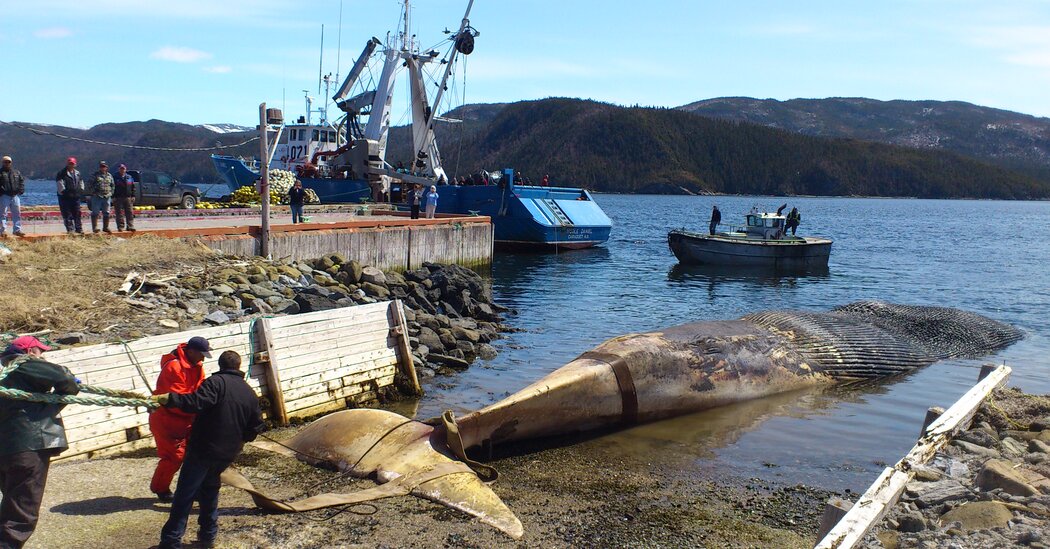
Genomic research on blue whale carcasses revealed surprising findings about the North Atlantic population, showing less inbreeding and more genetic variation than expected despite a history of industrial whaling. The study, published in Conservation Genetics, suggests that the long reproductive cycle of blue whales may have prevented a genetic bottleneck. With fewer than 3,500 adult blue whales remaining in the North Atlantic, the findings provide hope for the conservation of this endangered species.

wildlife-conservation2 years ago

"Study Reveals Alarming Inbreeding Rates in Adorable Wildcat Species"

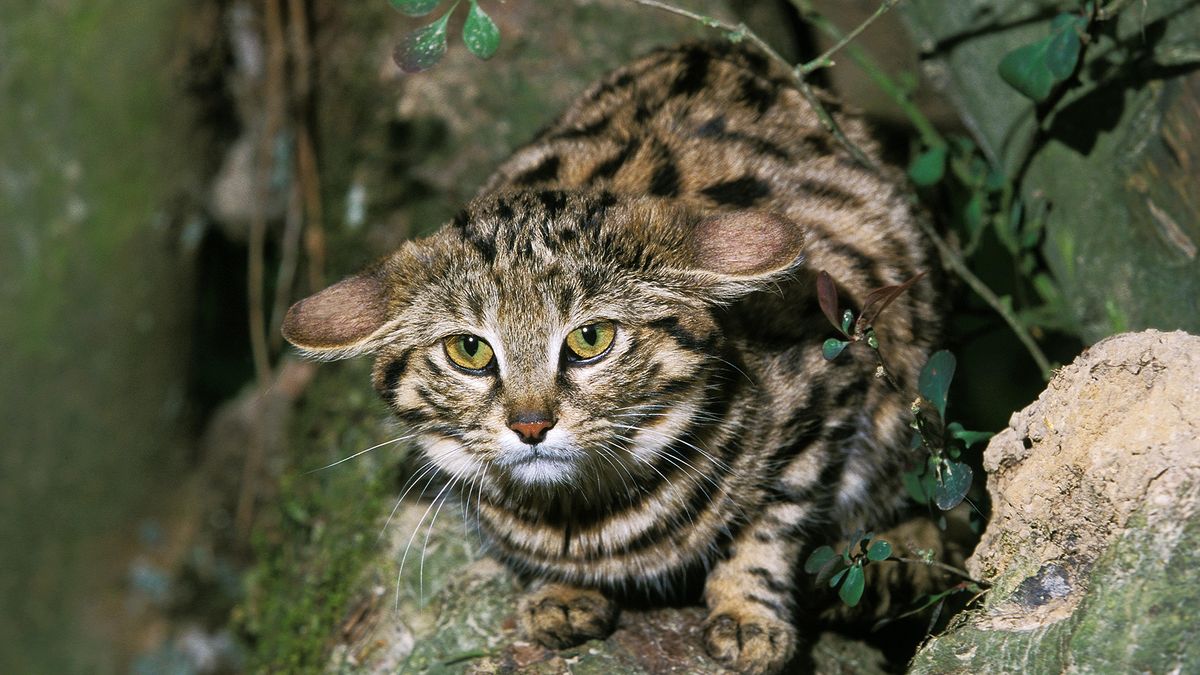
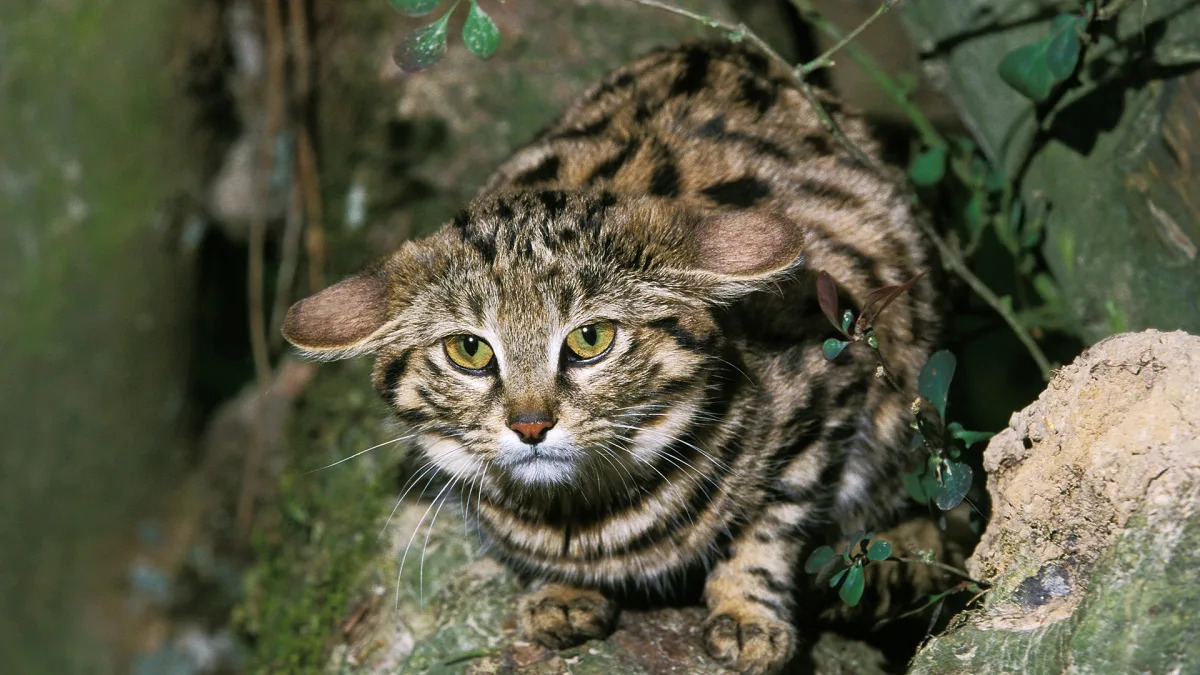
A study has found that black-footed cats, the smallest species of felid in Africa, are inbreeding at alarming rates due to habitat fragmentation, putting them at risk of a rare, deadly disease called amyloidosis. The researchers identified genetic markers of recent inbreeding events and linked this to a heightened risk of developing amyloidosis, which causes a protein build-up in organs and can be fatal. The study highlights the need for more research and conservation efforts to address the risks faced by small feline species like the black-footed cat.

wildlife-conservation2 years ago

"Study Reveals Alarming Inbreeding Rates in Adorable but Deadly Wildcat"

A study has found that black-footed cats, the smallest and deadliest cats in Africa, are facing alarming levels of inbreeding due to genetic isolation caused by habitat fragmentation. This inbreeding increases the risk of developing amyloidosis, a rare and deadly disease that affects about 70% of the captive black-footed cat population. The researchers identified harmful gene variants associated with amyloidosis and emphasized the need for more conservation efforts and research on small feline species.

science-and-environment2 years ago

Unprecedented Discovery: Dolphin with 'Thumbs' Amazes Scientists

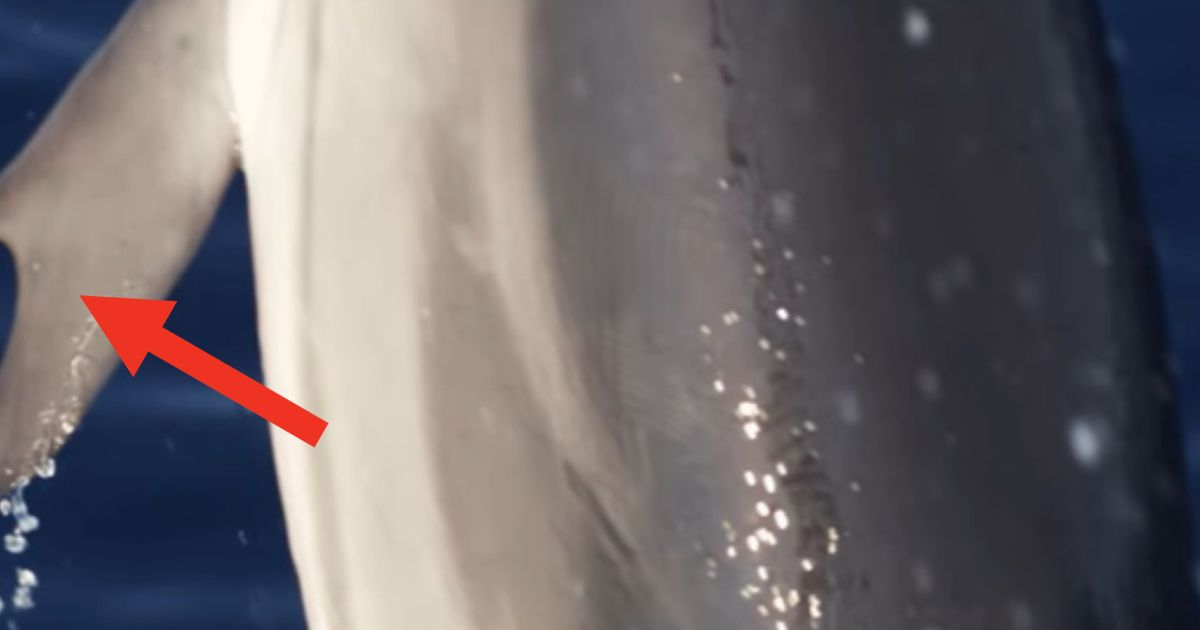
Scientists at the Pelagos Cetacean Research Institute in Greece have discovered a dolphin with deformed flippers that resemble human thumbs in the Gulf of Corinth. This is the first time such a morphology has been observed in 30 years of surveys in the open sea. The dolphin appears to be swimming and playing normally, suggesting that the shape of its flippers is not due to illness. It is believed that the deformity is a result of rare and irregular genes caused by inbreeding, as the dolphin population in the gulf is isolated from its Mediterranean peers.

health2 years ago

"Generational Fertility at Risk: The Impact of Common Ancestors Revealed in Study"

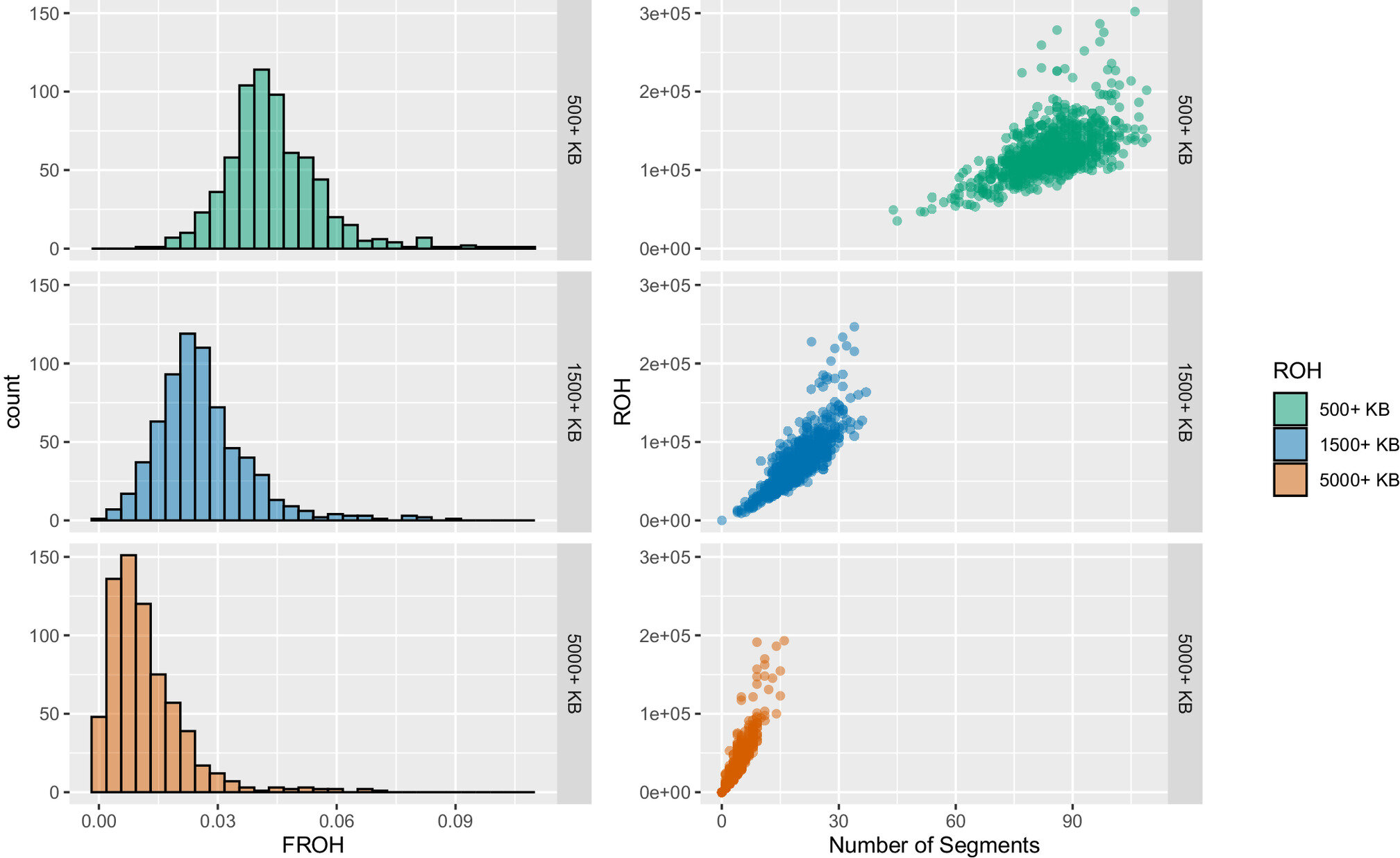
A study from the University of California, Davis, provides direct evidence that increased homozygosity, or having two identical alleles in a genome, can have negative effects on fertility in a human population. The research focused on the Himba community in Namibia, an isolated population that practices endogamy, or marrying within the same group. The study found that genetic markers indicating inbreeding were present in the Himba population, and the accumulation of these genetic effects over time can impact fertility. The research suggests that having common ancestors can jeopardize fertility for generations.

environment2 years ago

Endangered "Living Fossil": Wollemi Pine's Ancient Plight

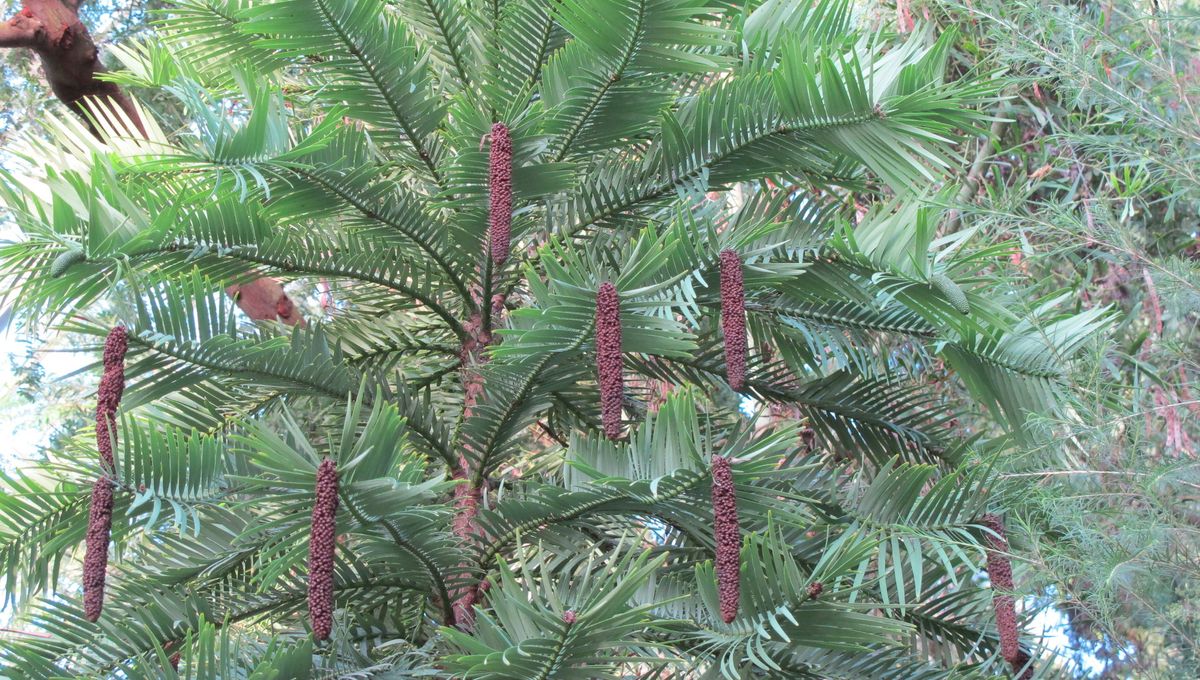
The Wollemi pine, often referred to as a "living fossil" due to its ancient lineage dating back to the age of dinosaurs, is facing a dire threat of extinction. With fewer than 60 plants remaining in the wild, this rare species is highly inbred and has a limited genetic diversity. Researchers have sequenced its genome, revealing its ability to survive and decline over millions of years. The study also highlights the vulnerability of the Wollemi pine to hotter and drier conditions, making it more susceptible to wildfires. As climate change intensifies, the future of this unique tree species becomes increasingly uncertain.

environment2 years ago

Isle Royale's Wolves and Moose: Population Updates and Ecosystem Impact.

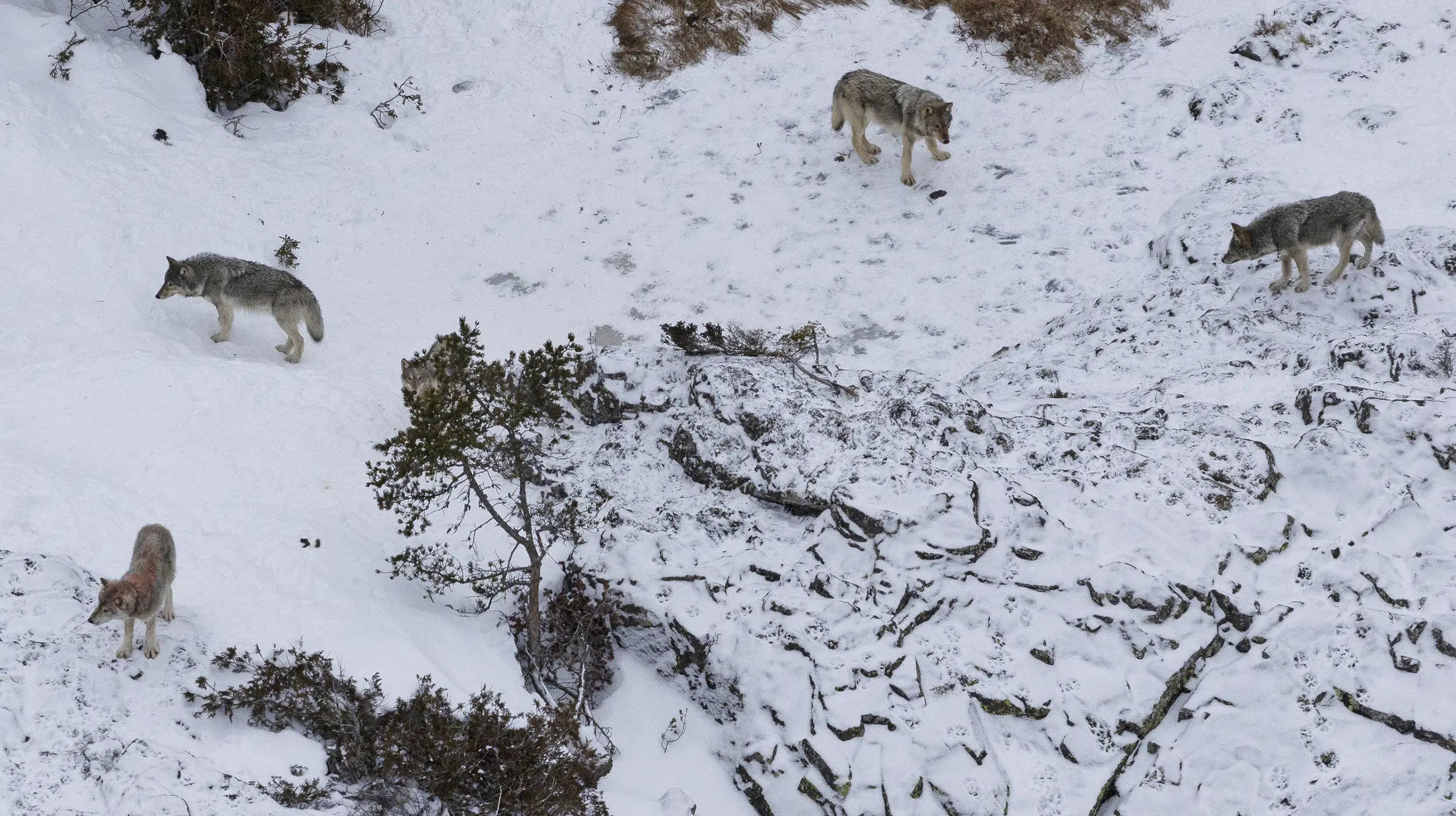
Gray wolves are thriving at Isle Royale National Park, five years after authorities began a last-ditch attempt to prevent the species from dying out on the Lake Superior island chain. The park’s moose population continues a sharp but needed decline. Overpopulation of the lumbering mammals was causing their own starvation as they outstripped available balsam fir trees. The trends appear to justify federal officials’ 2018 decision to airlift mainland wolves to Isle Royale, the researchers said, arguing that the predators’ return is helping rebalance an ecosystem knocked off-kilter as their number dropped to just two.