Colossal Biosciences claimed to have 'de-extincted' the dire wolf, but it has been revealed that the animals are actually genetically edited gray wolves, not true dire wolves, highlighting a misleading PR narrative despite scientific clarifications.
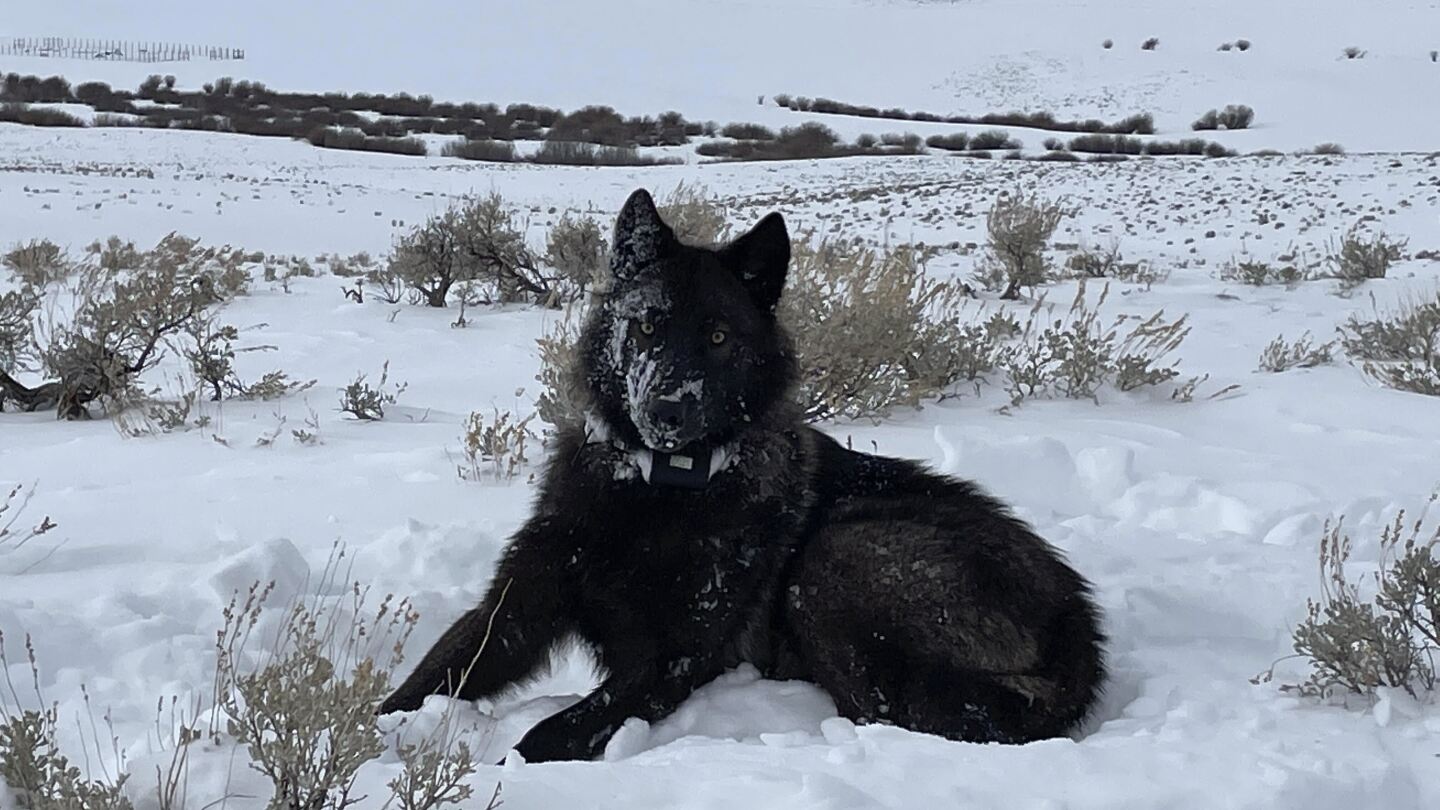
Federal officials are offering a $50,000 reward for information about the deaths of three endangered gray wolves found in southern Oregon. The wolves, including an adult breeding female and two subadults, were discovered in an area of known wolf activity. Gray wolves in western Oregon are protected under the Endangered Species Act, and the Oregon Department of Fish and Wildlife is aware of just seven remaining in the Gearhart Mountain pack. Authorities are urging anyone with information about the case to come forward.
The U.S. Fish and Wildlife Service is offering a $50,000 reward for information regarding the deaths of three endangered gray wolves in southern Oregon, two of which were collared. The wolves were found dead in an area known to be inhabited by wolves, and officials are seeking information leading to an arrest, criminal conviction, or fine for those responsible. Gray wolves are protected under the Endangered Species Act, and it is illegal to harm or kill them.
Following the 1986 Chernobyl nuclear disaster, the local population of gray wolves in northern Ukraine and Belarus has thrived, prompting scientists to investigate whether the wolves are genetically resistant to cancer or simply benefitting from reduced human interference. Researchers are eager to collaborate with them to understand the potential implications for human cancer research.
Federal wildlife officials rejected requests to restore protections for gray wolves in the northern U.S Rocky Mountains, citing their population's lack of danger of extinction, and proposed a national recovery plan for wolves to be completed by December 2025. Conservationists criticized the decision, as state-sanctioned wolf hunts continue in Idaho, Montana, and Wyoming, with aggressive wolf-killing measures approved. Despite hunting pressure, wolves from the Northern Rockies region have expanded into new areas, while political pressure to remove protections for wolves in the western Great Lakes region continues.
The U.S. Fish and Wildlife Service has completed a status review and announced a National Recovery Plan for gray wolves in the Western United States, emphasizing the need for a comprehensive approach to conservation involving federal, state, and Tribal governments. Following an extensive assessment, the Service found that gray wolves are not at risk of extinction in the Western United States and will not be listed under the Endangered Species Act. The Service will develop a nationwide gray wolf recovery plan by December 2025 and engage in a national dialogue on coexistence with wolves. Collaboration with states and Tribes will be crucial in ensuring the long-term conservation and acceptance of gray wolves on the landscape.
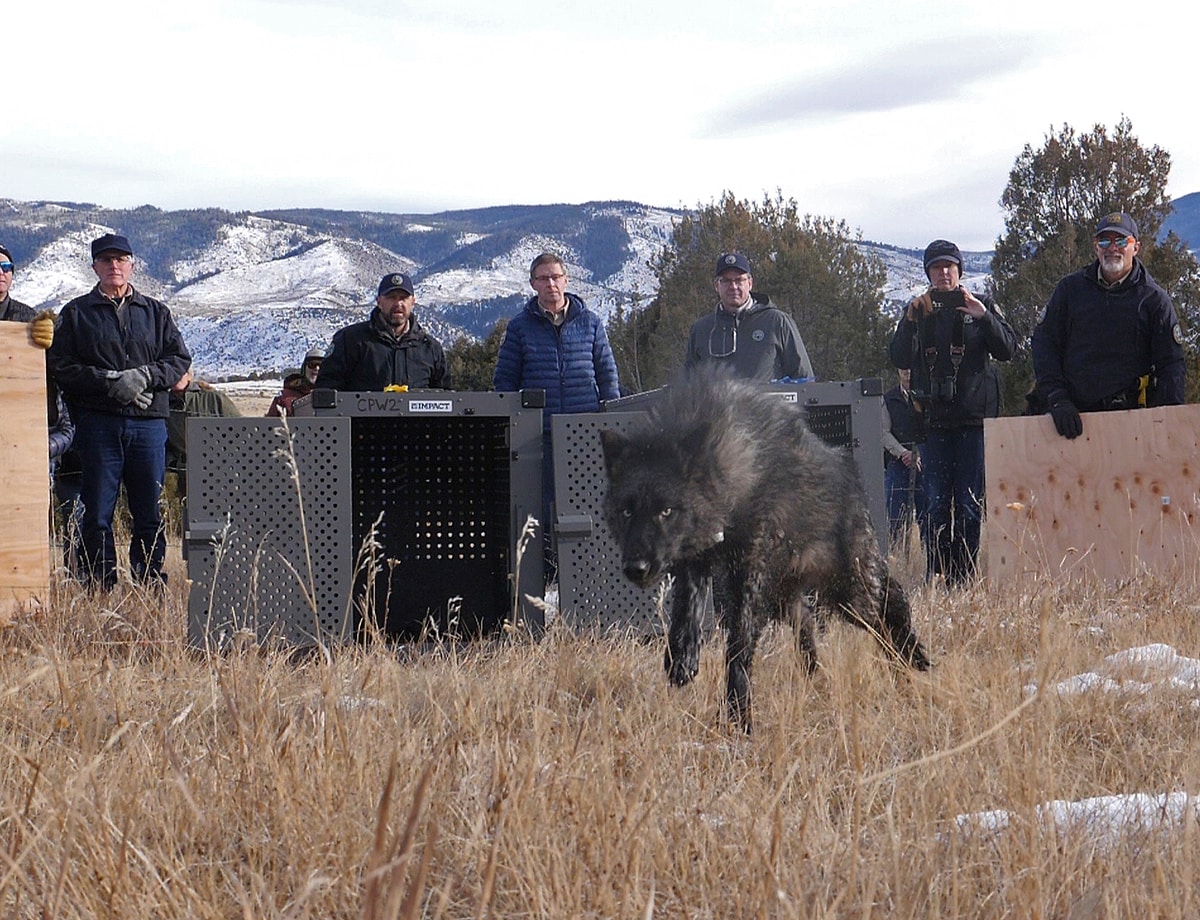
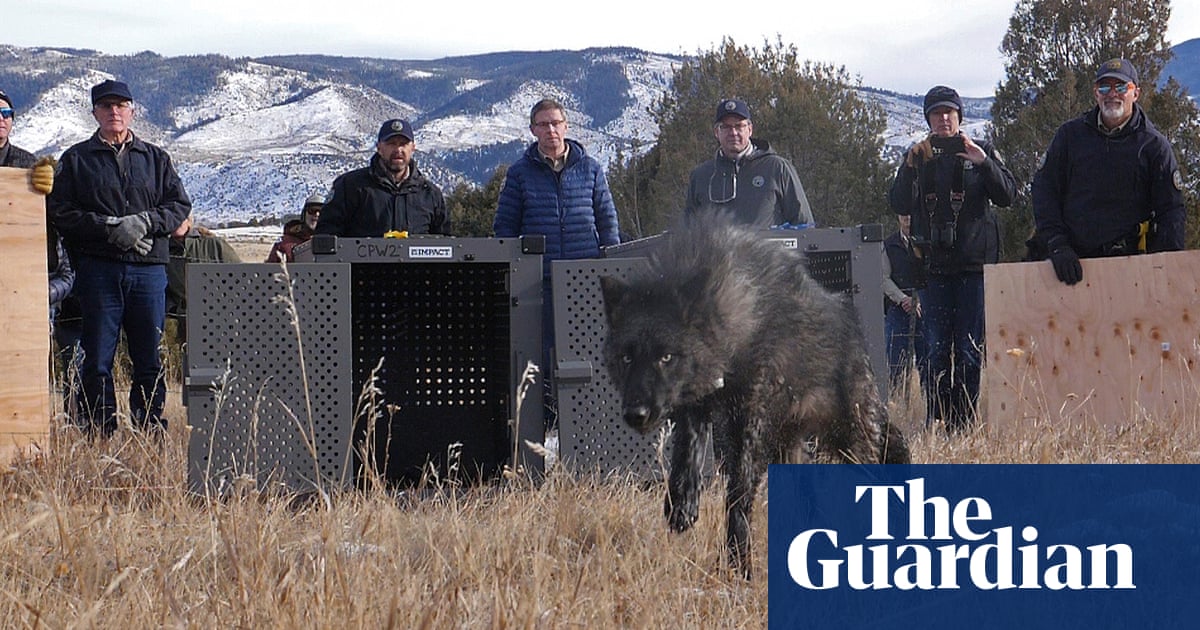
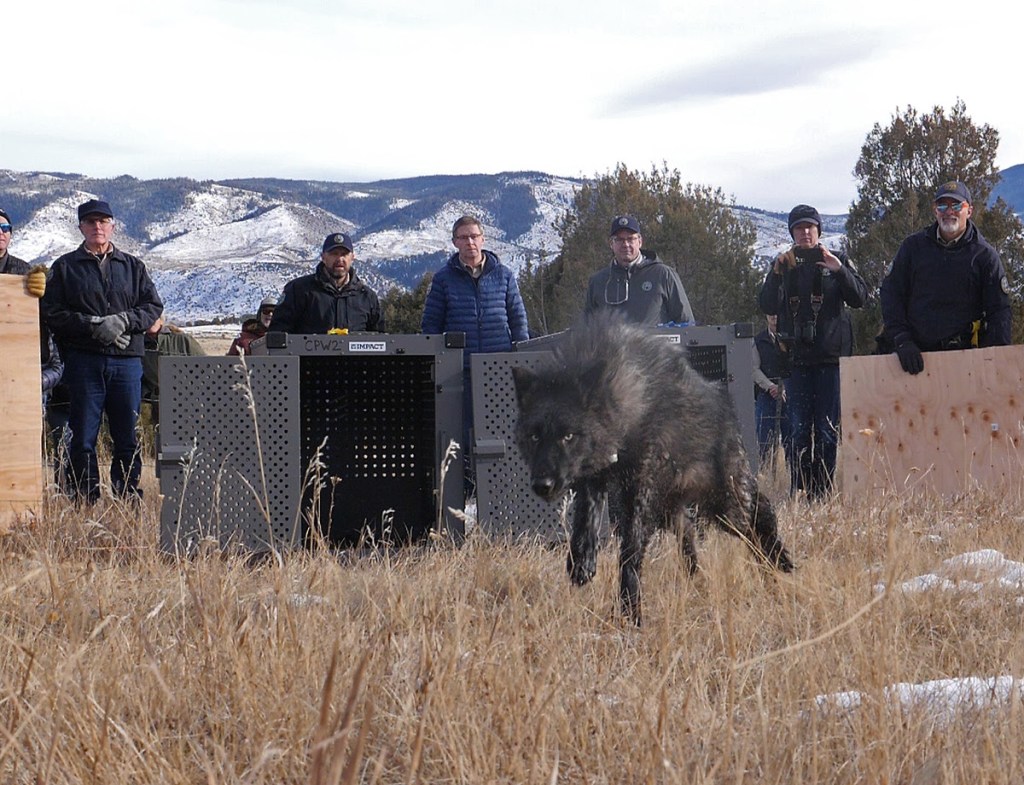
Five gray wolves have been released into the Rocky Mountain woods in Colorado as part of the state's voter-backed reintroduction program. The arrival of these wolves marks the first time in nearly a century that wolves have returned to the state. The reintroduction effort has faced opposition from ranchers and hunters, but advocates hope that the wolves will help restore a thriving population and complete a chain of canis lupus from the Northern Rockies to the Southwest. The state has implemented measures to manage conflicts between wolves and livestock, including compensation for livestock producers. The plan is to release 30 to 50 wolves over the next three to five years.
Representative Lauren Boebert, a Republican from Colorado, has criticized the reintroduction of gray wolves in Colorado, claiming that it puts ranchers and farmers' livestock at risk. However, environmentalists argue that this effort is necessary to address the biodiversity extinction crisis. The reintroduction of five gray wolves came after voters narrowly approved the measure in 2020. Opponents, including ranchers and rural residents, have raised concerns about the wolves preying on livestock. To address these concerns, the state will compensate ranchers for any animals preyed upon by the wolves. The exact reintroduction location has not been disclosed to protect the wolves.
Colorado has reintroduced five gray wolves in an effort to restore the endangered species, with plans to release more in the coming months. The wolves were brought over from Oregon after other states refused to share their wolves. While the plan has received support from conservationists, ranchers and rural communities are concerned about the threat to livestock and hunting. The state will compensate ranchers for any losses, and wolves that threaten livestock can be killed. The reintroduction of gray wolves in Colorado is seen as a historic event, as it marks the first time voters have decided to reintroduce a native species.
Colorado congresswoman Lauren Boebert criticized the reintroduction of gray wolves to a remote area in Colorado's Rocky Mountains, expressing concern over potential attacks on livestock. Despite opposition from ranchers, the reintroduction effort was approved by voters in 2020. Boebert argued that the decision disregarded the concerns of rural America and called for listening to ranchers and farmers instead of radical environmental groups. The wolves were reintroduced after nearly being hunted to extinction, and advocates argue that they play a crucial role in the local ecosystem.
Colorado has begun a first-of-its-kind state reintroduction effort by releasing five gray wolves into the central mountains. The wolves were captured in Oregon and flown to Colorado for release. This reintroduction is the first voter-mandated reintroduction of the endangered species in the United States. Wildlife advocates see it as an opportunity to restore a crucial species to an ecosystem where wolves have not existed in large numbers since the early 1900s. However, some ranchers and hunters have expressed concerns about potential harm to livestock and hunting game herds. The wolves are expected to disperse from the release site and find suitable habitat. Colorado plans to release up to 50 wolves over the next three to five years.
A federal judge has denied a request from Colorado's cattle industry to temporarily halt the reintroduction of gray wolves in the state. The judge's ruling allows Colorado to proceed with its plan to capture and transport up to 10 wolves from Oregon starting Sunday. The lawsuit, filed by the Colorado Cattlemen's Association and The Gunnison County Stockgrowers' Association, claims that the U.S. Fish and Wildlife Service failed to adequately review the potential impacts of the wolf reintroduction plan. However, the judge ruled that the ranchers' concerns did not outweigh the public interest in meeting the will of the people of Colorado, who voted for wolf reintroduction in a 2020 ballot initiative.
A judge has not yet ruled on a request to delay Colorado's plan to reintroduce gray wolves this month, following a lawsuit by the cattle industry seeking to halt the program. The Associated Press has withdrawn its story about the ruling.
Middle school students in Colorado will have the opportunity to vote on the names for the first gray wolves to be reintroduced into the state. The Colorado Wolf and Wildlife Center has organized a naming contest, allowing students in grades five through eight to choose their favorite name from a list of 14. The winning name will be assigned to the first wolf released, with subsequent wolves named in order of the next highest vote tally. The reintroduction of gray wolves is part of a voter-approved bill and is set to take place by late 2023.
A new pack of endangered gray wolves has been discovered in California's Sierra Nevada, several hundred miles away from any other known population of the species. The pack consists of an adult female and her four offspring, and DNA testing revealed that the female is a direct descendant of a wolf that crossed into California from Oregon in 2011. Gray wolves were hunted to extinction in California in the 1920s, and their recent return to the state is a positive sign for wildlife conservation efforts.