Tag

Archaeologygenetics

All articles tagged with #archaeologygenetics

archaeologygenetics1 year ago

"Stone Age Genetic Strategy for Inbreeding Avoidance Revealed"

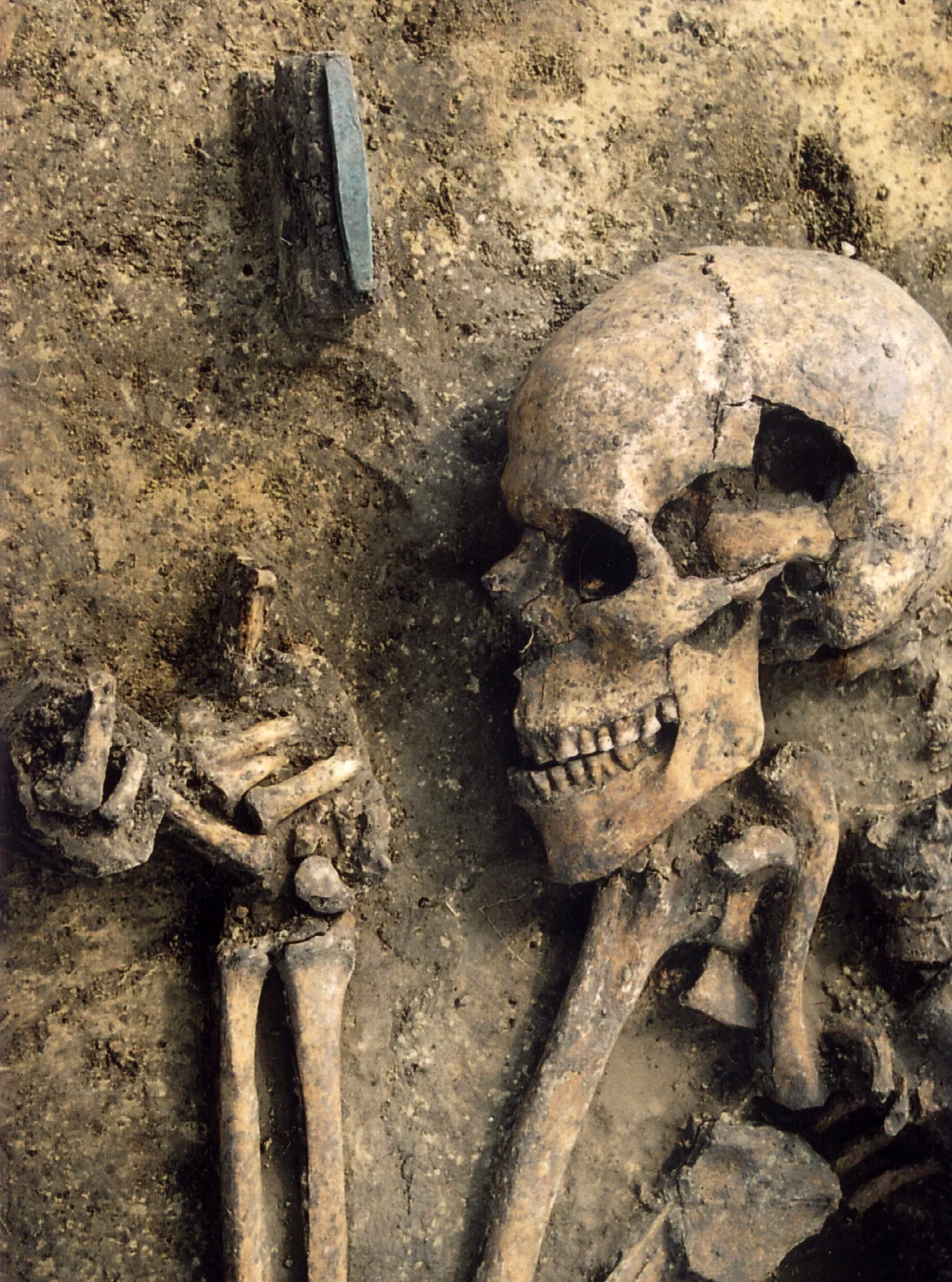
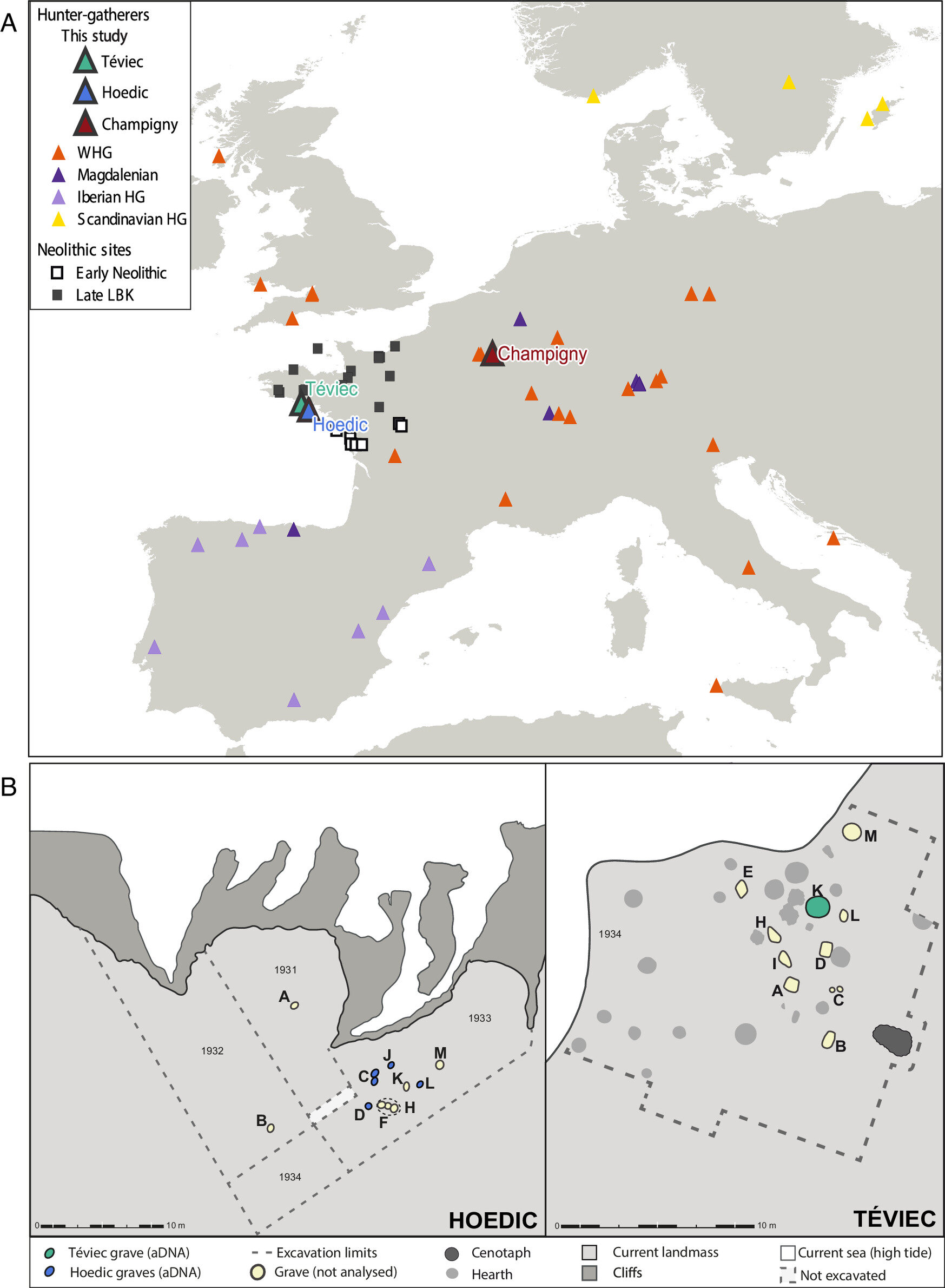
A genetic study of Stone Age burial sites in Western Europe suggests that hunter-gatherer communities deliberately lived together in distinct social units to avoid inbreeding, despite the coexistence of Neolithic farming communities. The study, led by researchers from Uppsala University and French institutions, analyzed the genomes of individuals buried at iconic sites in France, revealing that the groups were generally not closely related and showed no signs of inbreeding. The findings provide new insights into the social dynamics of the last Stone Age hunter-gatherer populations in Western Europe.

archaeologygenetics1 year ago

"Unearthing Down Syndrome: Ancient DNA Reveals Genetic Signatures in Historic Humans"

A new study analyzing the DNA of almost 10,000 people from ancient and pre-modern societies has identified 6 cases of Down syndrome in past human populations, with one specimen dating back 5,500 years. The research aims to trace the origins of these individuals and understand how prehistoric societies treated people with Down syndrome and other rare conditions. The study, led by researchers at the Max Planck Institute for Evolutionary Anthropology, utilized a new statistical model to identify these cases and shed light on the treatment and integration of individuals with genetic conditions in ancient communities.

archaeologygenetics2 years ago

"Iron Age Infant with Down's Syndrome Identified Through Advanced DNA Testing"

Researchers have identified an Iron Age infant with Down's syndrome and the first prehistoric person with mosaic Turner syndrome using a new DNA testing method that measures the amount of chromosomes in ancient human cells more precisely. The study, conducted by the University of York, the Francis Crick Institute, the University of Oxford, and Oxford Archaeology, revealed that these chromosomal abnormalities have been present in human history for over 2,000 years. The individuals tested lived across various time periods, and the research sheds light on how sex, gender, and diversity were perceived in past societies.

archaeologygenetics2 years ago

Ancient Genome Sequences Reveal Europe's Earliest Settlers

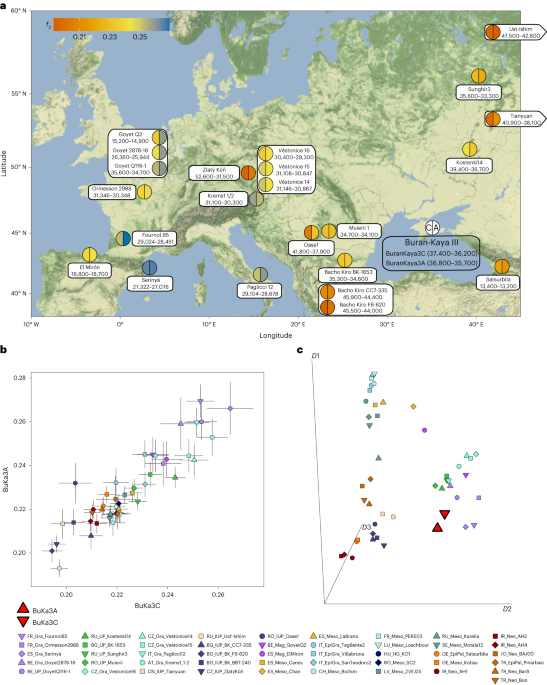
Researchers have sequenced the genomes of ancient modern humans from the Buran-Kaya III site in Crimea, dating back 36,000 to 37,000 years. The study reveals that these individuals had recent Neanderthal ancestry, suggesting interbreeding between modern humans and Neanderthals in Europe during the Upper Paleolithic period. The findings contribute to our understanding of the genetic history and interactions between different human populations during this time.

archaeologygenetics2 years ago

Unraveling Ancient Mediterranean Migration through Genetic Sequencing

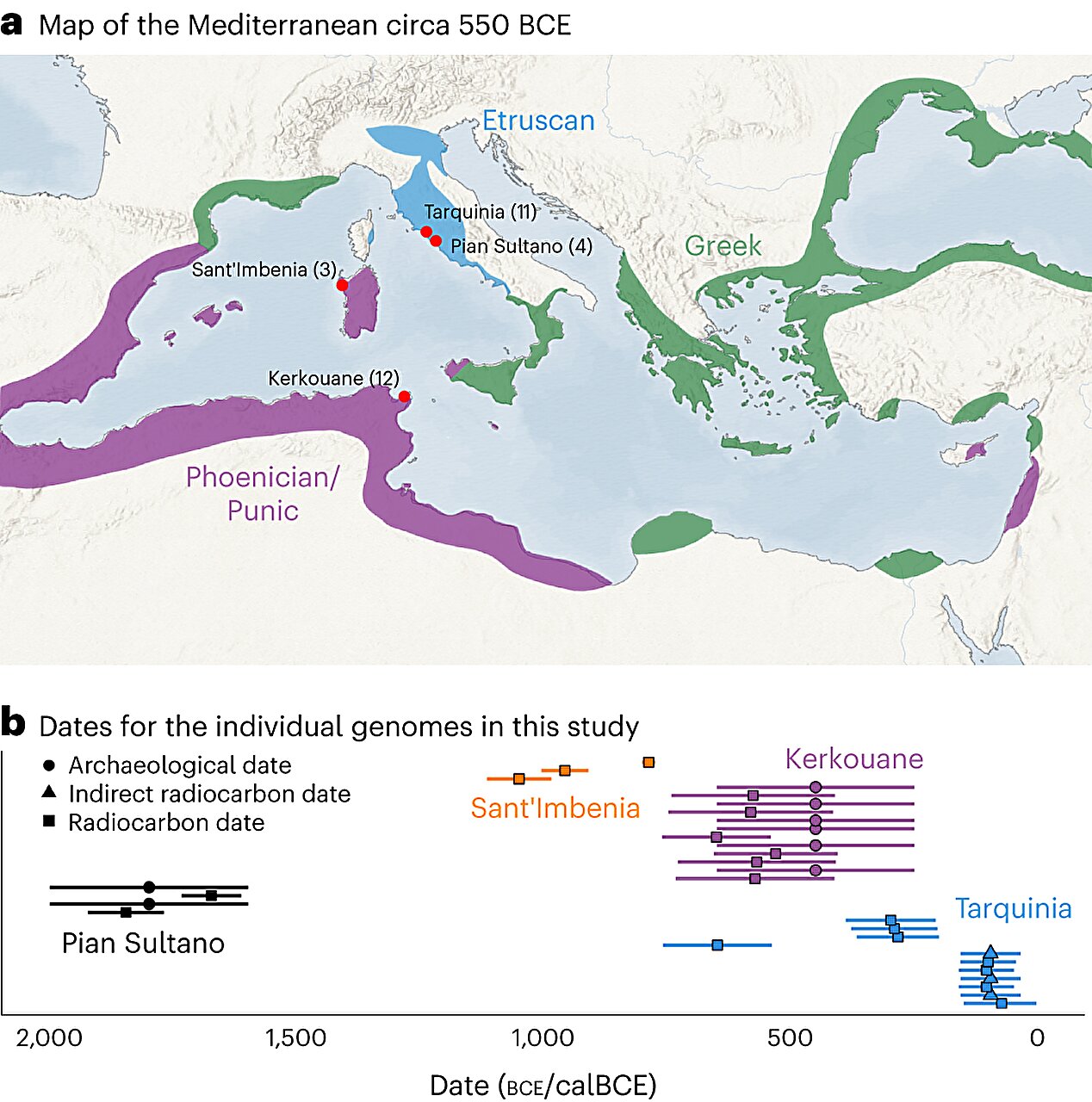
A study published in Nature Ecology & Evolution reveals new insights into the migration patterns of people living around the Mediterranean Sea during the Iron and Bronze Ages. By conducting genetic sequencing on the remains of 30 individuals from Italy, Tunisia, and Sardinia, researchers found evidence of widespread migration and strong ties between distant populations. The study also identified heterogeneity in Iron Age populations and shifts in ancestry in North Africa and Sardinia during the Bronze Age, suggesting increased migration from Morocco and Iran to Sardinia and Tunisia. The findings highlight the impact of migration on shaping the ancestry of Mediterranean populations during this time period.

archaeologygenetics2 years ago

Unveiling Ötzi the Iceman: Dark-Skinned and Bald, His Origins Traced to Turkey

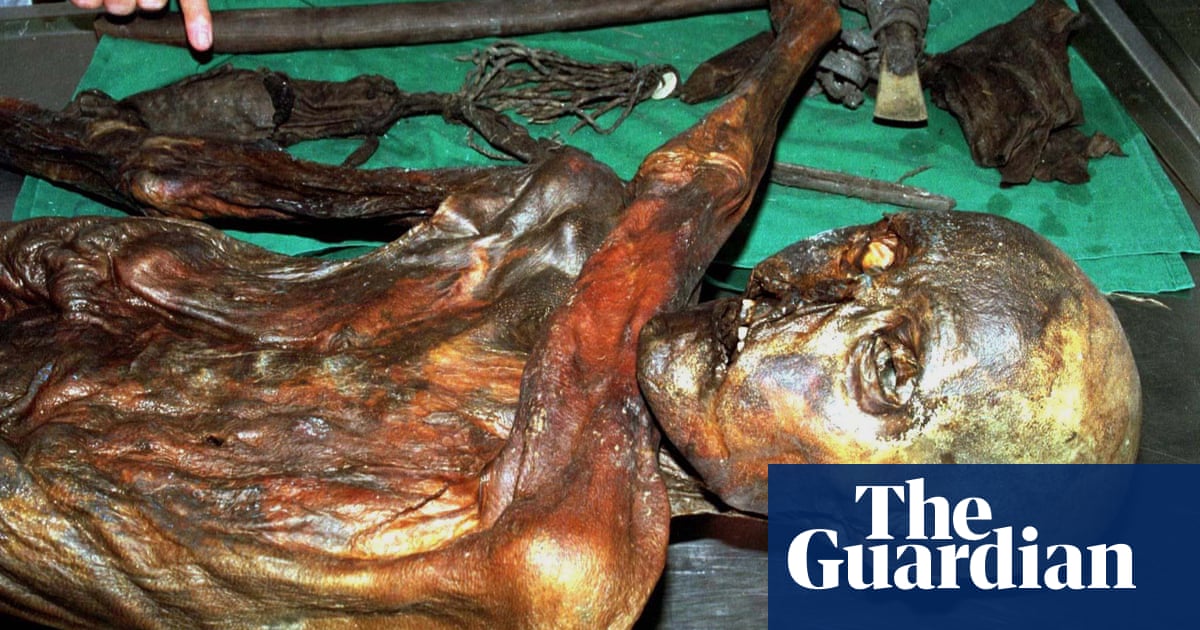
A new study analyzing the genome of Ötzi the Iceman, the mummified corpse found in the Italian Alps, reveals that he had a receding hairline, dark eyes, dark skin tone, and few or no freckles. The study also challenges previous findings about his ancestry, suggesting that Ötzi's ancestors came from Anatolia and had little genetic mixing with hunter-gatherer groups. The research provides a better understanding of Ötzi's physical appearance and highlights the advancements in DNA sequencing technology.