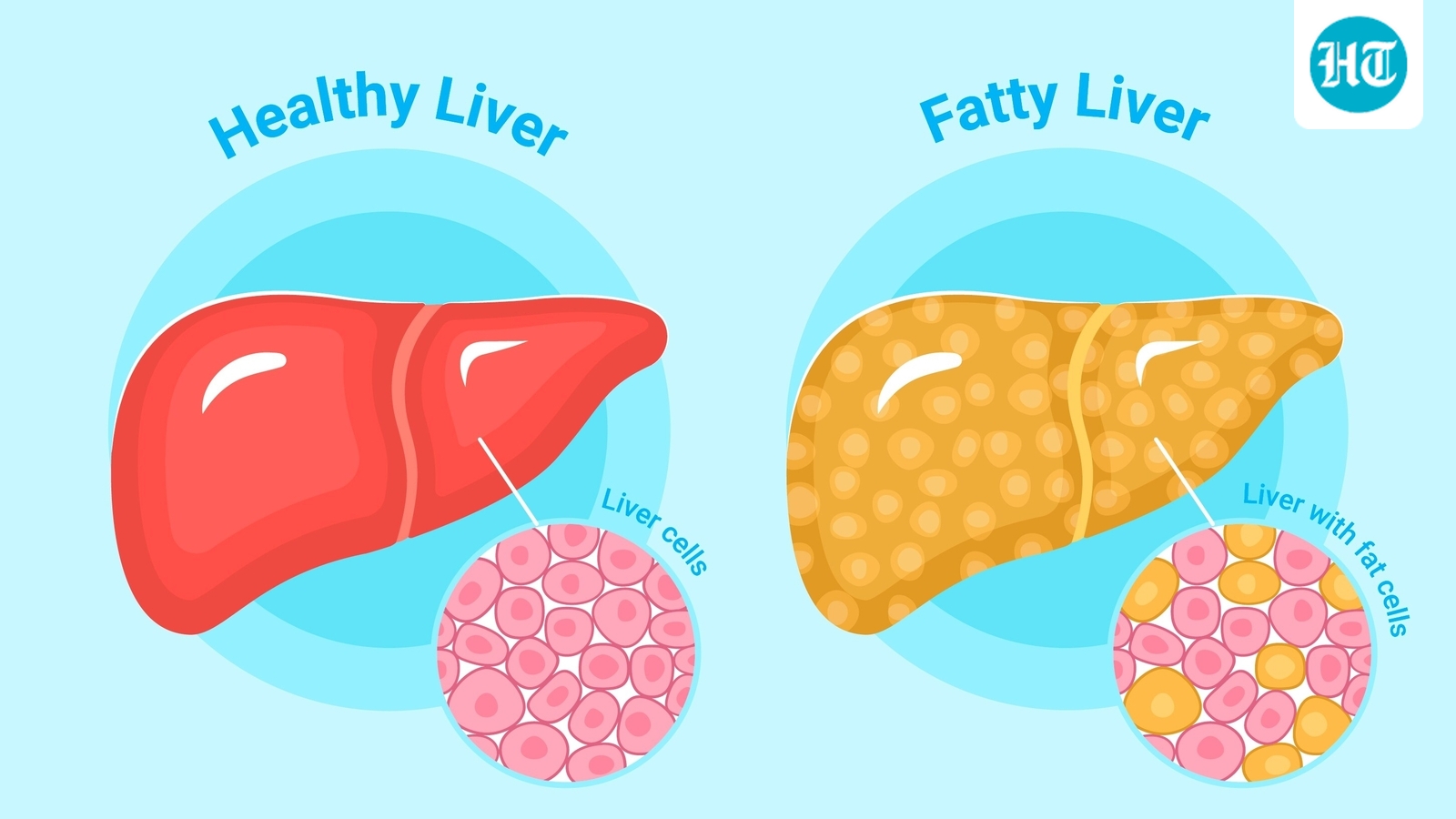
Fatty liver disease, often symptomless in early stages, can manifest through facial signs such as jaundice, puffiness, acne, spider veins, and dull skin. Recognizing these signs early and adopting lifestyle changes like diet, exercise, and medical screening can help reverse or manage the condition, preventing severe complications.
Fatty liver disease, particularly MASLD, is linked to increased risks of cardiovascular problems such as atherosclerosis, coronary artery disease, and heart failure, primarily due to factors like inflammation, insulin resistance, and lipid metabolism alterations. Early detection and lifestyle changes are crucial to mitigate these risks and protect overall health.
A global research effort involving 131 scientists from 105 labs in seven countries has revealed a link between brain metabolism problems, changes in brain acidity, and a range of neuropsychiatric and neurodegenerative disorders, including autism, Alzheimer's, depression, epilepsy, schizophrenia, intellectual disability, and bipolar disorder. The study identified alterations in brain pH and lactate levels as key signs of metabolic dysfunction, which may lead to new ways of diagnosing and treating these complex disorders affecting a large portion of the global population. The findings suggest that changes in brain pH and lactate levels could serve as biological markers for neuropsychiatric disorders with cognitive impairment, and future studies will focus on uncovering effective treatment strategies across diverse animal models with brain pH changes.
A clinical trial presented at the 2024 Conference on Retroviruses and Opportunistic Infections revealed that a weekly injection of semaglutide reduced liver fat by 31% in people with HIV and metabolic dysfunction-associated steatotic liver disease (MASLD), with 29% experiencing complete resolution of MASLD. The study, sponsored by the National Institute of Allergy and Infectious Diseases, also showed weight loss and improved metabolic markers, suggesting that semaglutide may be a safe and effective therapy for MASLD in people with HIV.
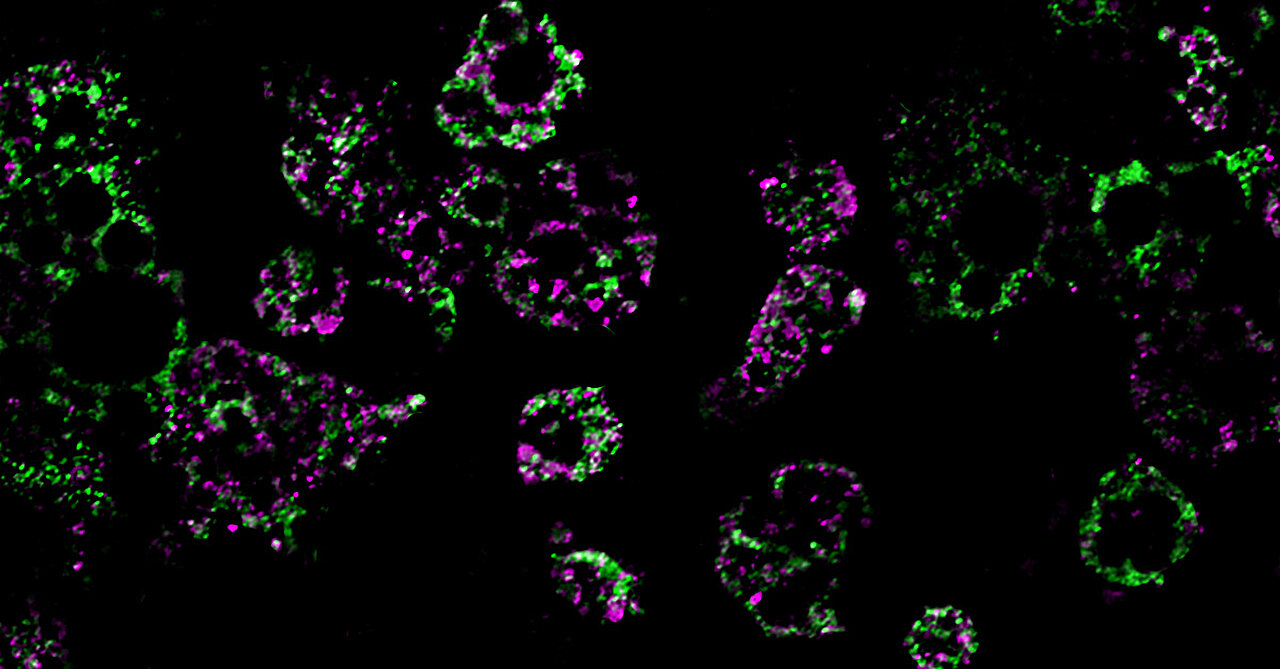
A study from UC San Diego reveals that a high-fat diet causes mitochondria within fat cells to break apart, reducing their capacity to burn fat and leading to weight gain. Researchers identified a gene, RaIA, that controls this process and found that deleting it protected mice from excess weight gain. Understanding this mechanism brings us closer to developing targeted therapies for addressing weight gain and associated metabolic dysfunctions caused by obesity.
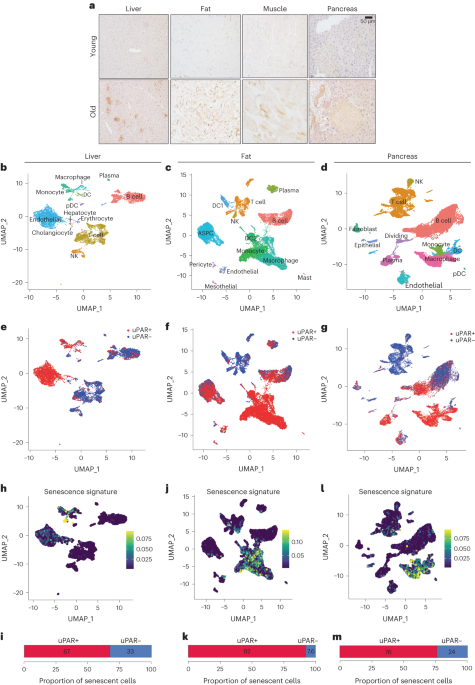
Researchers have developed senolytic CAR T cells targeting the cell-surface protein uPAR, which is upregulated on senescent cells in aged tissues. These CAR T cells were found to effectively eliminate senescent cells in aged mice, leading to a reduction in pro-inflammatory cytokines and improved metabolic function. The treatment was well tolerated and resulted in improved glucose tolerance and exercise capacity in the aged mice. The study suggests that senolytic CAR T cells have the potential to address age-related metabolic dysfunction and improve healthspan.
Heavy consumption of diet soda may increase the risk of metabolic dysfunction-associated steatotic liver disease (MASLD), according to a new study. The research suggests that diet sodas can promote MASLD onset by increasing body mass index (BMI) and may also raise the risk of type 2 diabetes. Previous studies have linked diet soda consumption to higher BMI and blood pressure. Health experts recommend exercise and dietary changes to prevent or reverse MASLD, as there is currently no approved medication for its treatment. The study authors suggest that randomized controlled trials will be needed to provide more robust evidence for their findings.
Dr. Rangan Chatterjee, an NHS doctor and broadcaster, wore a continuous glucose monitor (CGM) to track his blood glucose levels after eating three slices of pizza and was shocked to see his reading shoot up to the highest level he had ever seen. He believes that if people could see the real-time effect of sustained spiking of their blood glucose, they might think before they eat. Chatterjee has signed up as an advisor to Levels, an app set to launch this summer that provides real-time feedback on how diet and lifestyle affect metabolic health by leveraging data from biosensors, such as CGMs.