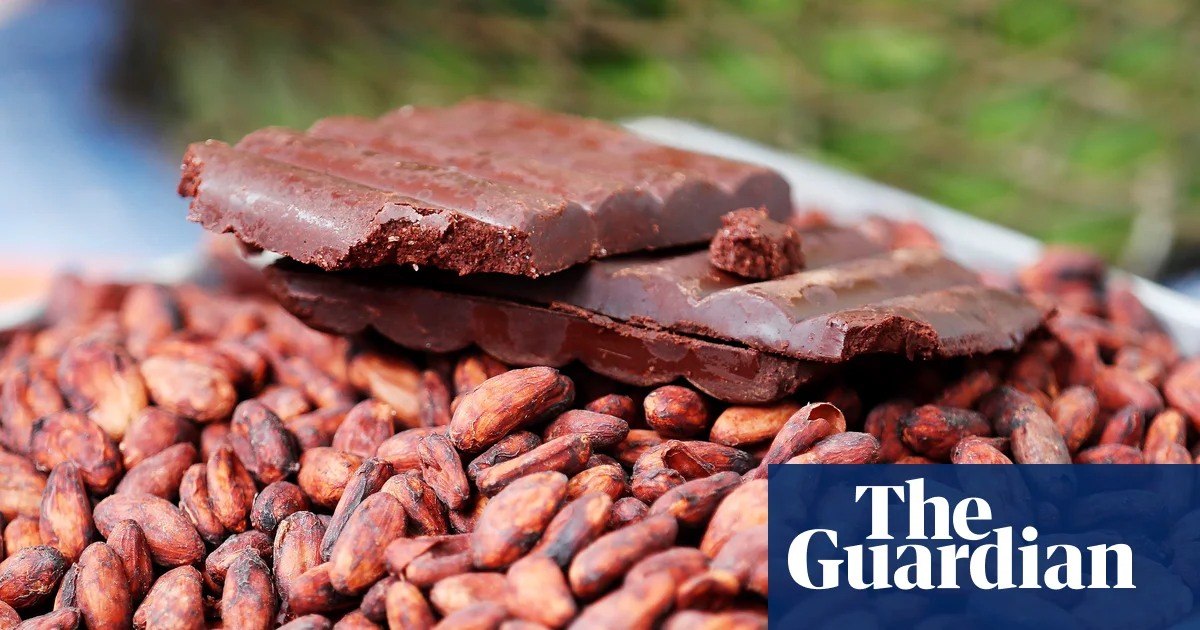
While dark chocolate is often promoted as a health booster capable of alleviating issues like high blood pressure and depression, the best research suggests that these claims are not supported by strong evidence, and many studies may be biased or inconclusive.
A large clinical trial found that cocoa flavanol supplements can reduce age-related inflammation, particularly lowering hsCRP levels, which may help explain their heart-protective effects and support the benefits of plant-based foods in healthy aging.
Scientists have identified key microbes involved in cocoa fermentation that influence chocolate flavor, potentially enabling the production of more flavorful and diverse chocolates through targeted fermentation strategies, dubbed the 'secret sauce' for fine chocolate.
Mars has partnered with biotech firm Pairwise to use CRISPR gene editing technology to develop more resilient cocoa plants, aiming to improve crop resistance to climate stresses and secure the global chocolate supply. This initiative reflects a broader trend of companies investing in climate-resilient agricultural innovations.
A study by the University of Birmingham suggests that high-flavanol cocoa can protect against the negative vascular effects of stress and high-fat foods. The research found that participants who consumed high-flavanol cocoa maintained better vascular function after stress compared to those who drank low-flavanol cocoa. Flavanols, also found in green and black tea, berries, and apples, can help mitigate the impact of poor dietary choices on the vascular system. The recommended daily intake of flavanols is 400-600 mg, achievable through certain foods and high-quality cocoa.
A study by the University of Birmingham suggests that drinking cocoa high in flavanols can mitigate the negative effects of stress and fatty foods on vascular function. In a trial involving 23 adults, those who consumed high-flavanol cocoa showed improved arterial response compared to those who drank low-flavanol cocoa. This research indicates that incorporating flavanol-rich foods, like certain cocoa, into the diet could help counteract some cardiovascular risks associated with stress and high-fat meals.
A study published in the British Medical Journal suggests that consuming at least five servings of dark chocolate per week can reduce the risk of developing Type 2 diabetes by 21%. The research, which analyzed data from over 190,000 U.S. health care professionals over 30 years, found that each additional weekly serving of dark chocolate further decreased diabetes risk by 3%. Unlike dark chocolate, milk chocolate was associated with weight gain, a risk factor for diabetes. The study attributes the benefits of dark chocolate to its high cocoa content and bioactive compounds that may improve insulin sensitivity.
A new study published in The British Medical Journal suggests that consuming about an ounce of dark chocolate daily may reduce the risk of developing Type 2 diabetes by 21%. This benefit is attributed to cocoa's polyphenols, particularly flavanols, which improve insulin sensitivity and promote vasodilation, potentially lowering blood pressure and heart disease risk. However, researchers caution that these benefits are seen with moderate consumption and may be influenced by other healthy lifestyle factors of dark chocolate consumers.
A study from the University of Birmingham suggests that drinking cocoa, rich in flavanols like epicatechin, may help mitigate the negative vascular effects of consuming fatty foods during stress. While fatty foods can impair vascular function and delay recovery from stress, cocoa's flavanols improve blood vessel function and reduce stress-related blood pressure increases. The study highlights cocoa as a potential dietary strategy to counteract stress and fatty food consumption, though it doesn't affect stress-induced brain oxygenation changes.
A study from the University of Birmingham suggests that consuming cocoa or green tea high in flavanols can mitigate the negative effects of stress-eating fatty foods on cardiovascular health. Flavanols, found in various fruits, vegetables, and unprocessed cocoa, help regulate blood pressure and protect blood vessel function. The research indicates that high-flavanol cocoa can prevent the decline in blood vessel function caused by stress, offering a potential dietary strategy to counteract the impact of poor food choices during stressful times.
A study by the University of Birmingham suggests that consuming cocoa high in flavanols can mitigate the negative effects of fatty foods on vascular function during mental stress. The research found that high-flavanol cocoa helps maintain vascular health and blood flow, counteracting the impact of stress and fatty meals. This finding highlights the potential of flavanol-rich foods, like cocoa and green tea, to support cardiovascular health during stressful periods.
A study from the University of Birmingham suggests that consuming cocoa high in flavanols can mitigate the negative cardiovascular effects of eating fatty foods during stress. Flavanols, found in cocoa, green tea, and berries, help maintain blood vessel function and regulate blood pressure. The research highlights the potential health benefits of incorporating flavanol-rich foods into diets, especially for those who consume high-fat foods when stressed.
New research from the University of Birmingham shows that consuming flavanol-rich cocoa can protect vascular health during stress, even when paired with high-fat meals. The study found that high-flavanol cocoa mitigates the negative effects of stress and fatty foods on the vascular system, suggesting a dietary strategy to maintain cardiovascular health. The findings emphasize the benefits of flavanols, found in cocoa, tea, and berries, for regulating blood pressure and protecting cardiovascular health during stressful periods.
Cocoa prices have surpassed $10,000 a tonne due to severe shortages, leading to an "out of control" market. The surge in prices is attributed to supply chain disruptions and increased demand for chocolate products, prompting concerns about the sustainability of cocoa production.
Cocoa futures have surpassed $10,000 per metric ton due to poor crops in key West African growers, leading to concerns about a third consecutive annual supply deficit. The rally is also driven by financial market pressures and fears of sourcing enough beans. The surge in cocoa prices is expected to result in pricier chocolate, impacting chocolate manufacturers' profits and potentially leading to smaller or less chocolate-filled products for consumers. The upcoming mid-crop harvest in West Africa is anticipated to shrink, exacerbating the tight supply situation, while efforts to ramp up production in other regions may take years to alleviate the strain on global supplies.