Tag

Health Consequences

All articles tagged with #health consequences

health1 year ago

"Rising Pollen Allergies: Cities Facing Longer and Worsening Allergy Seasons"

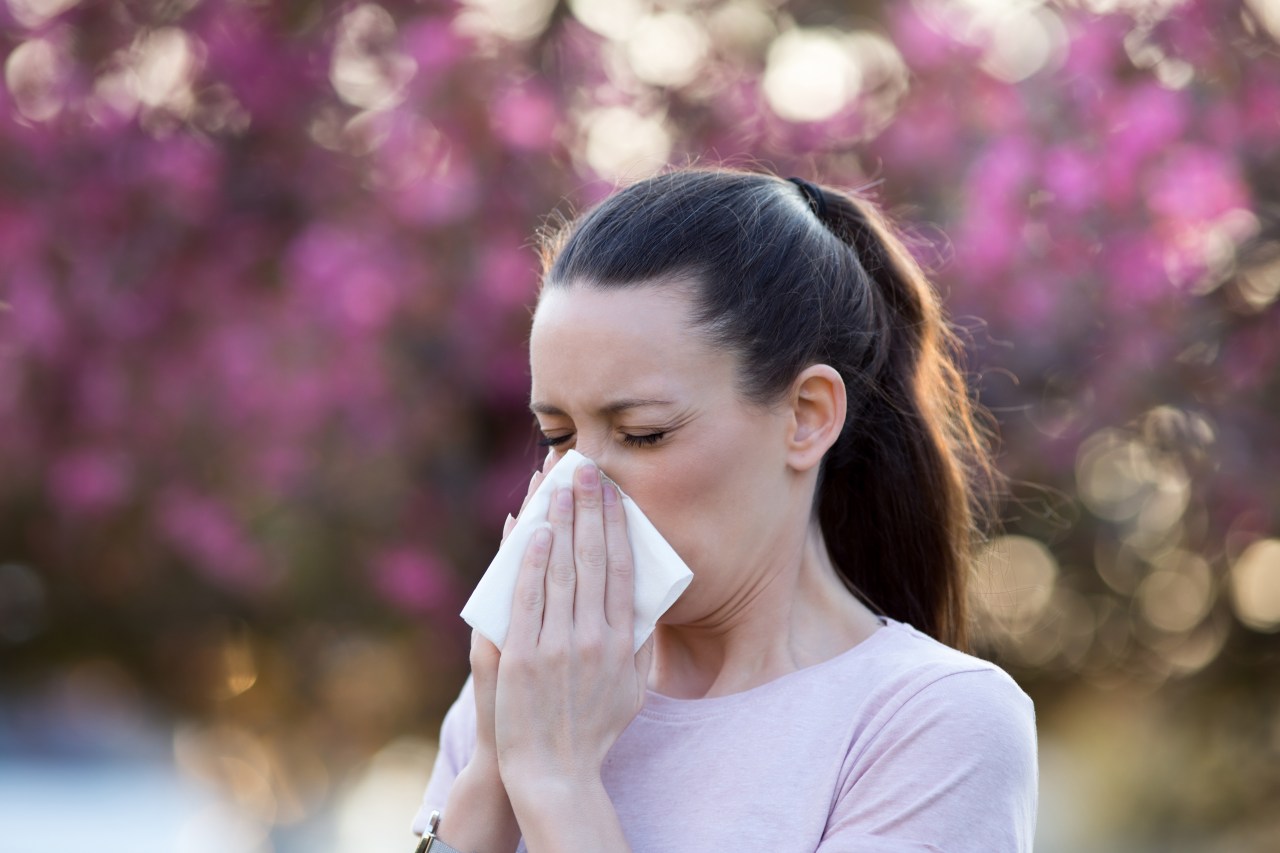
Spring allergy seasons are starting about 20 days earlier than in the past, with pollen concentrations rising about 20 percent nationwide since 1990, attributed to warmer temperatures, higher carbon dioxide concentrations, and increased precipitation. This shift can have significant health consequences, leading to higher prevalence of allergic rhinitis and longer periods of pollen production. Experts advise being vigilant for allergy symptoms and having medications on hand to manage the worsening allergy season.


health2 years ago

"Pandemic-Induced Childhood Obesity: Lifelong Impact and Costly Consequences"

A study warns that tens of thousands of children in England who became overweight or obese during the pandemic could face lifelong health consequences, with obesity rates rising sharply among 10- and 11-year-olds and not returning to pre-pandemic levels. Researchers emphasize the need for measures aimed at children under five to tackle childhood obesity, as well as wider engagement and government funding to narrow the gap in health outcomes between advantaged and disadvantaged communities. The study also highlights the potential economic costs of additional people living with obesity as a result of the pandemic, estimating it could eventually cost the UK economy more than £8bn in total.

health2 years ago

"FDA Investigates GLP-1 Weight Loss Injectables for Possible Suicidal Side Effects"

The FDA is investigating severe side effects associated with popular weight loss injectables such as Wegovy, Ozempic, and Mounjaro, including reports of hair loss, aspiration, and suicidal thoughts. Pharmaceutical companies like Eli Lilly are emphasizing the proper medical use of these drugs and warning against their use for cosmetic weight loss. Medical experts caution that using these drugs without a genuine medical need can lead to significant health consequences, and advise against using knock-off injectables or compounded drugs that are not FDA approved.

health-and-environment2 years ago

"Alarming Study Reveals Microplastics in 90% of Meat and Plant-Based Foods"

A new study reveals that nearly 90% of various protein sources, including both meat and plant-based alternatives, contain microplastics, with 44% being microplastic fibers. The research, conducted in the US, suggests that humans are likely consuming microplastics regardless of their diet. The study highlights the pervasive nature of plastic pollution and the need for further research to understand its origins and potential health impacts. Additionally, a separate study found that bottled water contains 100 times more nanoplastics than previously believed, raising concerns about their potential health effects.

health2 years ago

Smoking trends: Older adults increase, young adults decrease

The prevalence of smoking has significantly decreased among young adults in the United States, with only 5 percent smoking in 2022 compared to 19 percent in 2011. However, the study found that smoking rates among seniors (65 and older) slightly increased to about 9 percent. The increase was most prominent among those with lower incomes. Smoking-related deaths are more common among older adults, making the situation concerning. Smoking is the leading cause of preventable death and can lead to various health issues such as cancer, heart disease, and lung disease. Secondhand smoke can also cause similar health problems.

neuroscience2 years ago

The Impact of Early-Life Stress on Gene Expression in the Brain

Early-life stress has a greater impact on gene expression in the brain than a head injury, according to a study conducted on rats. Researchers found that stress changed the activation level of many more genes in the brain compared to a concussion-like head injury. The study suggests that early-life stress may have long-lasting health consequences that are not fully understood. The findings highlight the importance of addressing adverse childhood experiences and providing social support and enrichment to mitigate the effects of early-life stress.

health2 years ago

"Unveiling the Unhealthiest Egg Cooking Methods and Incompatible Food Pairings"

The way eggs are cooked can have a significant impact on their nutritional value. Frying eggs reduces the amount of vitamin A by up to 20% and can release toxic substances when using certain oils. Boiling eggs, especially hard-boiling, leads to a loss of antioxidant content. Soft-cooking methods like soft-boiling can increase the risk of foodborne illness. Microwaving eggs is not the healthiest option but is slightly better than frying or boiling. Baking eggs for a long period of time can result in a loss of vitamin D. Scrambling eggs with additives like oil and butter can reduce their nutritional value. Deviled eggs, while not the unhealthiest, can lose vitamins and antioxidants through hard-boiling and the addition of mayonnaise.

health2 years ago

The Sinister Alliance: Tobacco Companies and Addictive Foods in US Markets

A study from the University of Kansas reveals that tobacco companies have been involved in promoting and disseminating "hyperpalatable" foods in the US market. These foods, characterized by their irresistible combinations of salts, fats, and sugars, are difficult to resist and can trigger the brain's reward system, leading to overeating. The study found that foods owned by tobacco companies were more likely to be hyperpalatable than those without tobacco affiliations. The prevalence of hyperpalatable foods in the American diet has led to increased obesity rates and related health consequences. Understanding hyperpalatability could be crucial in regulating food composition and addressing the issue.

health2 years ago

Tobacco Industry's Influence on Hyperpalatable Foods Revealed

Food brands owned by tobacco companies in the 1980s actively promoted and disseminated hyperpalatable foods, which are loaded with salts, fats, and sugars, to American consumers. These foods provide an enhanced eating experience that is difficult to resist and can lead to overconsumption. While tobacco companies divested from the U.S. food system by the mid-2000s, the prevalence of hyperpalatable foods in the American diet remains high, contributing to obesity and related health issues.

health2 years ago

The Impact of Extreme Heat on Physical and Mental Health

Heatwaves have numerous invisible consequences on the body and mind. Heat is a silent killer that leads to more deaths in the United States than hurricanes, tornadoes, flooding, and earthquakes combined. The cardiovascular system is particularly affected, as the heart struggles to keep up with the strain caused by high temperatures. Heat also has respiratory effects, contributing to air pollution and increasing the risk of respiratory illnesses. Pregnant individuals are at higher risk, with extreme heat linked to premature birth and low birthweight. Heat can also disrupt sleep, impact emotional and mental well-being, and affect decision-making. The full extent of the consequences of heat is not fully understood, and more research is needed to address the complex challenges posed by rising temperatures.

environment2 years ago

Unveiling the Link Between Heat Domes, Wildfire Smoke, and Health Risks

A forthcoming study from Stanford University has developed a method to trace smoke and pollution from wildfires back to their individual sources, potentially aiding in predicting which fires will have the greatest impact on public health. The research, which covers the entire contiguous United States, reveals that smoke pollution has doubled from 2016 to 2020 compared to the previous decade. By ranking wildfires based on smoke exposure, the study found that the worst fire in terms of smoke exposure was the 2007 Bugaboo Fire in the Okefenokee Swamp, despite Western states typically experiencing larger fires. The findings highlight the need to allocate firefighting resources based on health consequences rather than immediate threats to life and structures.

environment2 years ago

The Deadly and Growing Threat of Dust Storms in the U.S.

Dust storms, worsened by drought, climate change, and land management, are becoming more common in parts of the US and can lead to fatal accidents. A recent study found 272 fatalities attributed to dust storms between 2007 and 2017. Dust storms can cause respiratory disease, cardiovascular issues, and fungal infections. While the Southwest is experiencing more dust storms, other regions may experience fewer as overall precipitation increases. Experts recommend adopting new land management and air quality measures to mitigate the impact of dust storms.

health2 years ago

New compounds found to safeguard gut microbiome from antibiotics.

Researchers have identified antidote drugs that can protect certain gut microbes from the negative impact of antibiotics without compromising their effectiveness against harmful bacteria. Antibiotics can harm the helpful microbes living in the gut, resulting in an imbalance that can lead to recurrent gastrointestinal problems and long-term health consequences. The study analyzed the effects of 144 different antibiotics on the abundance of the most common gut bacteria and identified several promising drugs, including anticoagulants and anti-inflammatory medications, that can protect gut bacteria without compromising antibiotics' effectiveness. Further research is needed to identify optimum and personalized combinations of antidote drugs and to exclude any potential long-term effects on the gut microbiome.

society2 years ago

DNA tests reveal shocking family secrets, including cousin marriage.

The popularity of at-home DNA testing kits has led to many Americans discovering shocking family secrets, including a man who found out he had 30 siblings and a woman who realized she had married her cousin. The availability of cheap and accurate tests from major providers like 23andMe and AncestryDNA has driven the trend, but a recent documentary has also highlighted the damaging health consequences of incestuous families. Experts predict that DNA testing will soon become mandatory at birth and a standard part of medical records.

health2 years ago

Report reveals US cities with earlier, longer, and worse allergy seasons.

A new report by Climate Central has found that the growing season for allergy-inducing plants has lengthened by more than two weeks on average in 172 out of 203 US cities analyzed, leading to more intense and longer allergy seasons. The report attributes this to warming temperatures that have shortened the length of deep-freeze winters and extended the length of seasons where allergen-producing plants thrive. The Centers for Disease Control and Prevention warns that climate change could lead to more health consequences from allergens, including hay fever, allergic conjunctivitis, and asthma attacks.