Tag

Food Contamination

All articles tagged with #food contamination

58 Million Pounds of Corn Dogs Recalled Over Wood Contamination

Originally Published 3 months ago — by ABC News - Breaking News, Latest News and Videos

Featured image for 58 Million Pounds of Corn Dogs Recalled Over Wood Contamination
Source: ABC News - Breaking News, Latest News and Videos

Approximately 58 million pounds of corn dogs and sausage-on-a-stick products from Hillshire Brands are being recalled across the U.S. due to the presence of embedded wood pieces, with some consumers reporting injuries. The recall affects products produced between March 17 and recently, and consumers are advised to discard or return the items, checking for specific identifying marks. The contamination was traced to a single facility in Texas, and the products may still be in households, schools, and institutions.

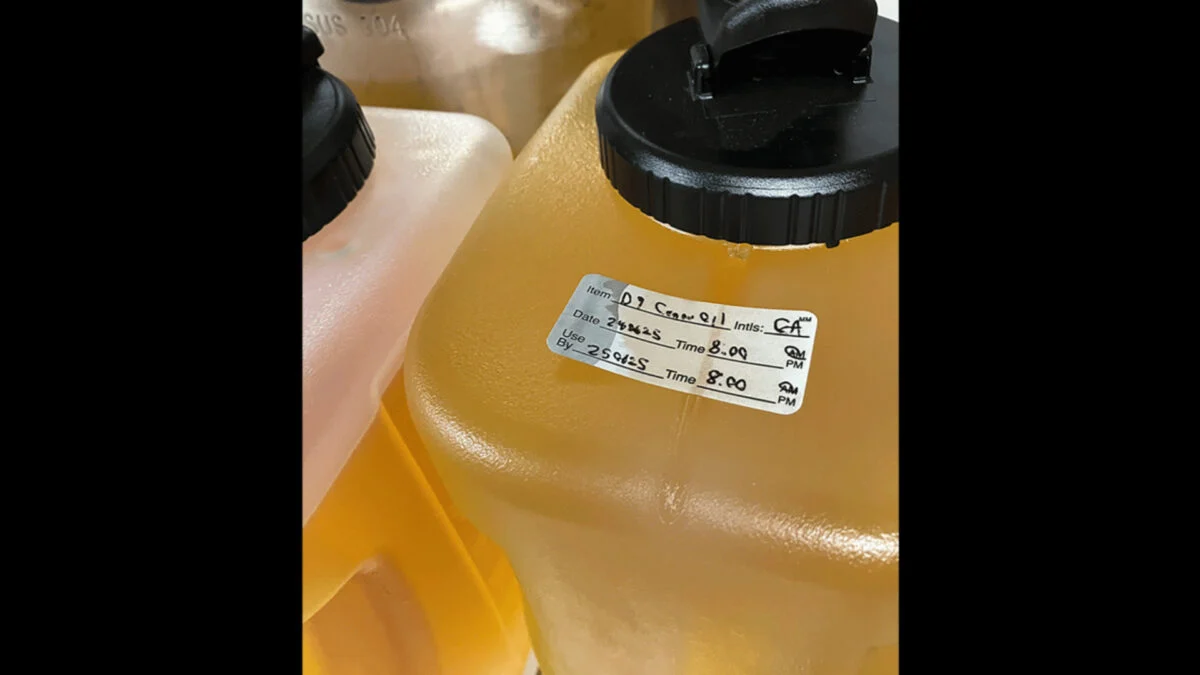
Restaurant Accidentally Serves THC-Laced Pizza, Nearly 100 Customers Affected

Originally Published 5 months ago — by Gizmodo

Featured image for Restaurant Accidentally Serves THC-Laced Pizza, Nearly 100 Customers Affected
Source: Gizmodo

Nearly 100 customers in Wisconsin accidentally consumed THC-laced food from a restaurant that used shared cooking oil contaminated with cannabis extract, leading to hospital visits and public health alerts. The incident was caused by mistaken use of THC-infused oil from a shared kitchen, highlighting the need for stricter regulations and safety practices in food establishments sharing space with cannabis businesses.

"Microplastics: A Hidden Threat to Heart, Brain, and Gut Health"

Originally Published 1 year ago — by Daily Mail

Featured image for "Microplastics: A Hidden Threat to Heart, Brain, and Gut Health"
Source: Daily Mail

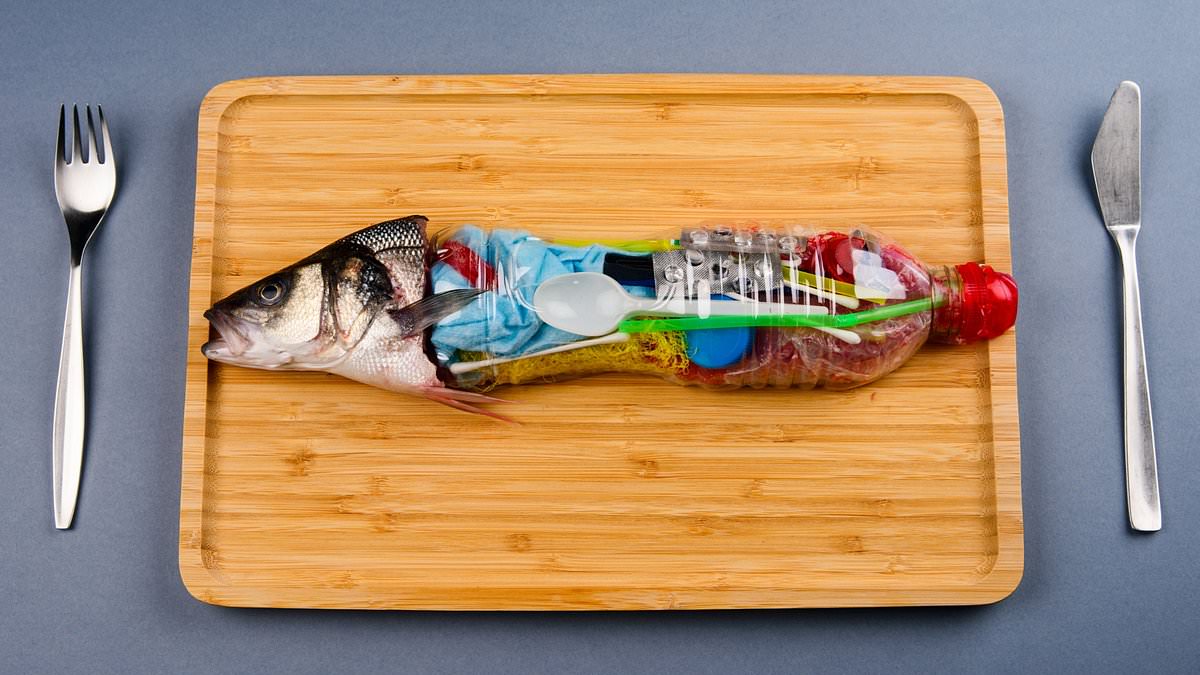
Microplastics, tiny plastic particles found in the environment, are increasingly contaminating our food and water, leading to potential health risks such as inflammation, cardiovascular issues, and reproductive problems. Researchers are exploring ways to reduce microplastic intake, including washing rice, avoiding plastic corks and bottled water, choosing fresh over processed foods, and using non-plastic kitchenware.

"Listeria Outbreak Prompts Sargento Shredded Cheese Recall Across 15 States"

Originally Published 1 year ago — by The Washington Post

Featured image for "Listeria Outbreak Prompts Sargento Shredded Cheese Recall Across 15 States"
Source: The Washington Post

Sargento has voluntarily recalled 11 varieties of shredded cheese in 15 states due to potential listeria contamination linked to California-based Rizo-Lopez Foods Inc., which has been associated with a decade-long outbreak. The affected products were sold to food service groups and had best-by dates between March and June 2024. Listeria, a potentially fatal bacteria, poses a particular risk to pregnant and elderly individuals. Consumers are advised to check the FDA website for affected products and to dispose of them, as well as to clean and sanitize any surfaces or containers the products may have touched.

"Allegations of Dairy Queen Manager Forcing Employees to Eat Cleaning Solution-Tainted Ice Cream Surface"

Originally Published 1 year ago — by New York Post

Featured image for "Allegations of Dairy Queen Manager Forcing Employees to Eat Cleaning Solution-Tainted Ice Cream Surface"
Source: New York Post

Employees at a Kentucky Dairy Queen were forced to eat ice cream tainted with cleaning solution at a mandatory staff meeting, leading some to seek medical attention. The manager allegedly compelled the workers to consume the chemically contaminated soft serve, causing a burning sensation when swallowed. The Wolfe County Sheriff’s Office is investigating the incident, and some employees have quit their jobs. The Dairy Queen location declined to comment on the allegations.

"Allegations of Contaminated Ice Cream Force Employees to Eat Cleaning Solution at Kentucky Dairy Queen"

Originally Published 1 year ago — by Business Insider

Featured image for "Allegations of Contaminated Ice Cream Force Employees to Eat Cleaning Solution at Kentucky Dairy Queen"
Source: Business Insider

Employees at a Kentucky Dairy Queen allege that a manager forced them to eat ice cream contaminated with cleaning solution as punishment, with several experiencing burning sensations and seeking medical treatment. The incident, involving minors, is being investigated by Kentucky police, and no charges have been filed yet. This case highlights the importance of food safety and workplace regulations.

Kentucky Dairy Queen Employees Allege Forced Consumption of Contaminated Ice Cream

Originally Published 1 year ago — by Yahoo News

Featured image for Kentucky Dairy Queen Employees Allege Forced Consumption of Contaminated Ice Cream
Source: Yahoo News

Employees at a Dairy Queen in Kentucky claim they were forced to eat ice cream contaminated with cleaning solution as punishment by their manager, with several experiencing burning sensations and seeking medical treatment. The incident is being investigated by Kentucky police, and no charges have been filed yet. This case highlights the serious issue of food contamination and product tampering, with examples of similar incidents in the past.

"Dietary Habits and PFAS Exposure: Uncovering the Link Through Common Foods"

Originally Published 1 year ago — by Euronews

Featured image for "Dietary Habits and PFAS Exposure: Uncovering the Link Through Common Foods"
Source: Euronews

A study in the US suggests that consuming certain foods, particularly tea, processed meats, and food prepared outside the home, is associated with increased levels of forever chemicals (PFAS) in the blood. The research highlights the need to reconsider what constitutes "healthy" food due to potential contamination. PFAS are known to be harmful to health, with links to hormone disruption, bone weakening, and increased disease risk. The study aims to identify foods that may require more testing to monitor contamination sources.

"Dietary Impact on PFAS 'Forever Chemicals' in Human Body Uncovered in New Study"

Originally Published 1 year ago — by The Guardian

Featured image for "Dietary Impact on PFAS 'Forever Chemicals' in Human Body Uncovered in New Study"
Source: The Guardian

A new study has found that diets high in processed meat, butter, and certain other foods are linked to increased levels of toxic PFAS "forever chemicals" in the human body. The research suggests that contaminated food, rather than water, poses the biggest threat to human health in terms of PFAS exposure. The study also identified various food sources of PFAS contamination, including packaging, processing, and contaminated water sources. The findings highlight the need for more targeted monitoring of food and public health efforts to minimize unintended chemical exposures.

"The Surprising Health Threat Lurking in Your Kitchen"

Originally Published 1 year ago — by New York Post

Featured image for "The Surprising Health Threat Lurking in Your Kitchen"
Source: New York Post

A recent study suggests that plastic cutting boards may be releasing harmful microplastics into food, posing potential health risks such as reproductive issues, digestive problems, and cancer. Experts recommend using wood or metal cutting boards instead, as they are more durable, easier to clean, and more sustainable. Additionally, it's advised to use separate cutting boards for raw meat and other foods to prevent contamination, with bamboo cutting boards being a recommended alternative.

FDA Discovers Untested Cinnamon Applesauce Pouches Linked to Lead Poisoning

Originally Published 1 year ago — by USA TODAY

Featured image for FDA Discovers Untested Cinnamon Applesauce Pouches Linked to Lead Poisoning
Source: USA TODAY

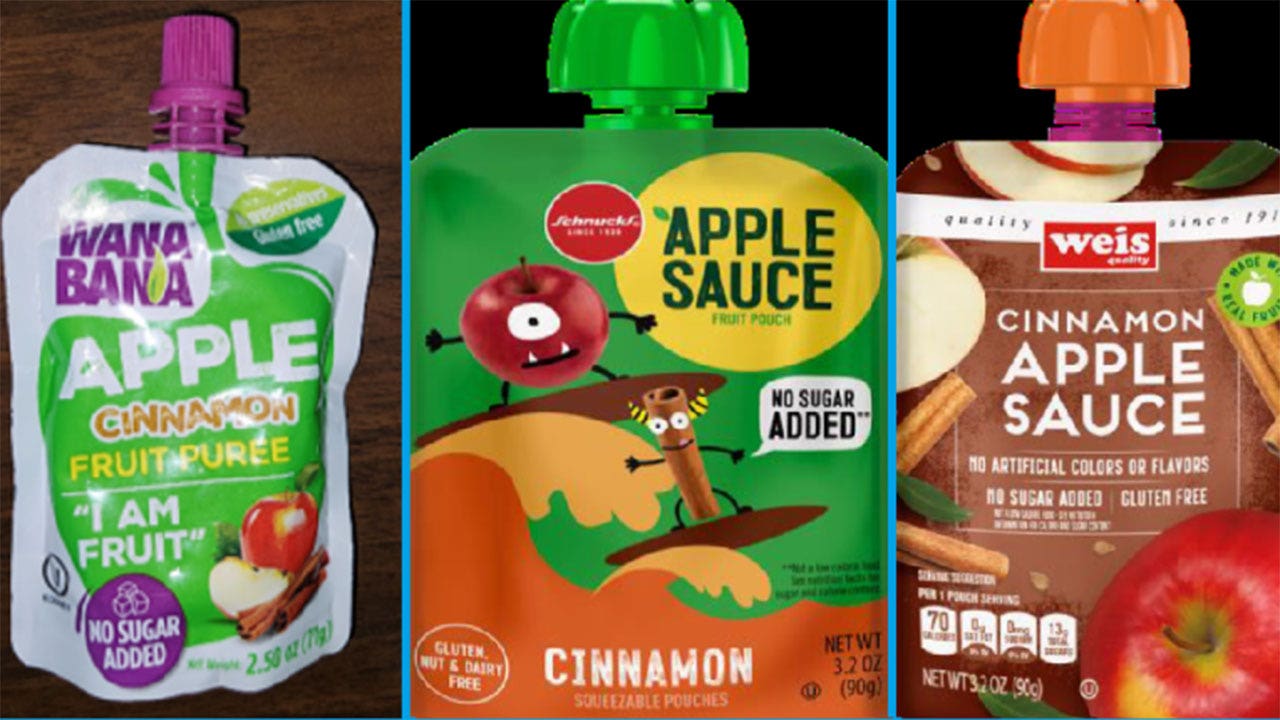
The FDA investigation revealed that the recalled cinnamon applesauce pouches contaminated with lead were not tested for heavy metals at the manufacturing plant in Ecuador, where metal pieces from a conveyor belt and lead in raw cinnamon were found to have contaminated the product. The FDA has received 90 confirmed reports of adverse events potentially linked to the recalled product, with 385 reports of lead poisoning cases across 42 states tied to the recall. The CDC recommends avoiding the recalled apple cinnamon fruit puree pouches and getting blood tested for lead if exposed, while parents should consult a health provider if they believe their children have been exposed to lead.

"FDA Discovers Lack of Heavy Metal Testing in Recalled Cinnamon Applesauce"

Originally Published 1 year ago — by Fox Business

Featured image for "FDA Discovers Lack of Heavy Metal Testing in Recalled Cinnamon Applesauce"
Source: Fox Business

The FDA found that the manufacturer behind the recalled applesauce products did not test for heavy metals and had several other shortcomings in its production process, leading to an onslaught of lead poisoning cases. Lawmakers are demanding answers from the FDA about the intentional lead contamination and steps taken to prevent future illicit food contamination in the supply chain. The FDA has received 90 confirmed complaints or reports of adverse events potentially linked to the pouches and is investigating the possibility of economically motivated adulteration, with officials suspecting the cinnamon as the source of contamination.

"Link Between Toxic Metals in Drinking Water, Dark Chocolate, and Vegetables and Ovarian Aging in Women"

Originally Published 1 year ago — by Daily Mail

Featured image for "Link Between Toxic Metals in Drinking Water, Dark Chocolate, and Vegetables and Ovarian Aging in Women"
Source: Daily Mail

Exposure to toxic metals like lead, arsenic, cadmium, and mercury found in drinking water and food may accelerate the depletion of eggs in women's ovaries, leading to earlier menopause and increased health risks. These metals are increasingly common in US tap water and a variety of foods, including dark chocolate, vegetables, and baby food. High levels of these metals in middle-aged women were associated with lower Anti-Müllerian hormone levels, indicating a diminished ovarian reserve. The presence of these endocrine-disrupting chemicals in the environment and food supply has been linked to various health issues, including reduced infertility, endometriosis, early onset of puberty, and certain cancers.

"Alarming Study Reveals Microplastics in 90% of Meat and Plant-Based Foods"

Originally Published 2 years ago — by New York Post

Featured image for "Alarming Study Reveals Microplastics in 90% of Meat and Plant-Based Foods"
Source: New York Post

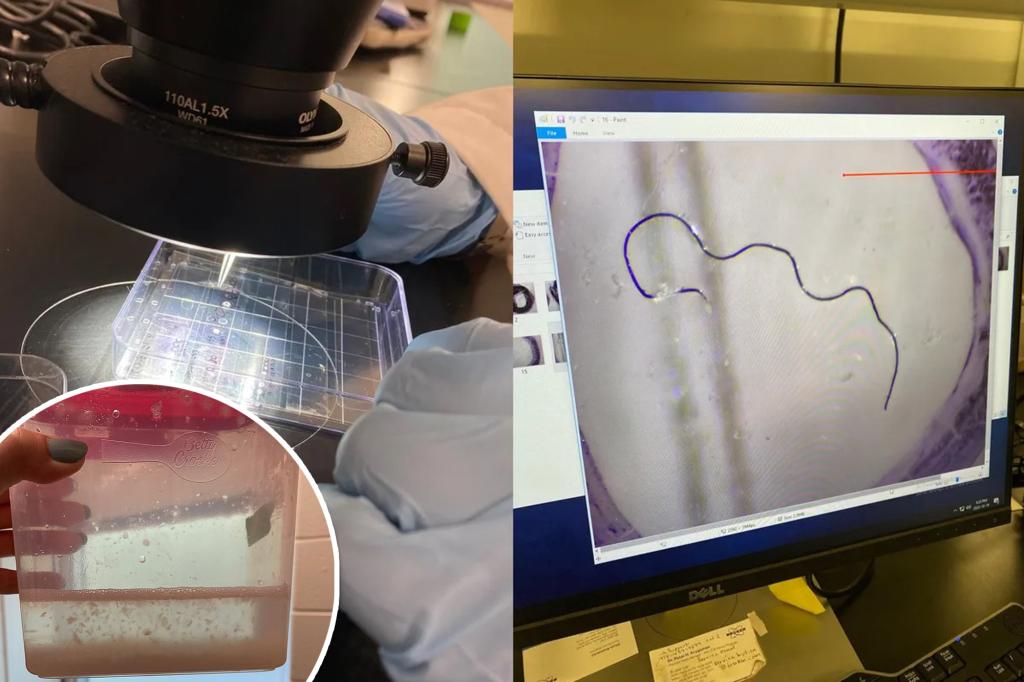
A new study reveals that nearly 90% of various protein sources, including both meat and plant-based alternatives, contain microplastics, with 44% being microplastic fibers. The research, conducted in the US, suggests that humans are likely consuming microplastics regardless of their diet. The study highlights the pervasive nature of plastic pollution and the need for further research to understand its origins and potential health impacts. Additionally, a separate study found that bottled water contains 100 times more nanoplastics than previously believed, raising concerns about their potential health effects.