Tag

Big Tobacco

All articles tagged with #big tobacco

law6 months ago

Supreme Court Expands Business Rights to Challenge Federal Agencies

The Supreme Court ruled 7-2 that Big Tobacco companies can choose which judges hear their challenges to FDA tobacco regulations, making it easier for them to select courts favorable to their interests, especially benefiting cases in the conservative Fifth Circuit. This decision expands the ability of tobacco companies and related retailers to challenge regulations, potentially undermining congressional intent and affecting future litigation strategies.

health2 years ago

Global Tobacco Use Declines Despite Big Tobacco's Resistance, Reports WHO

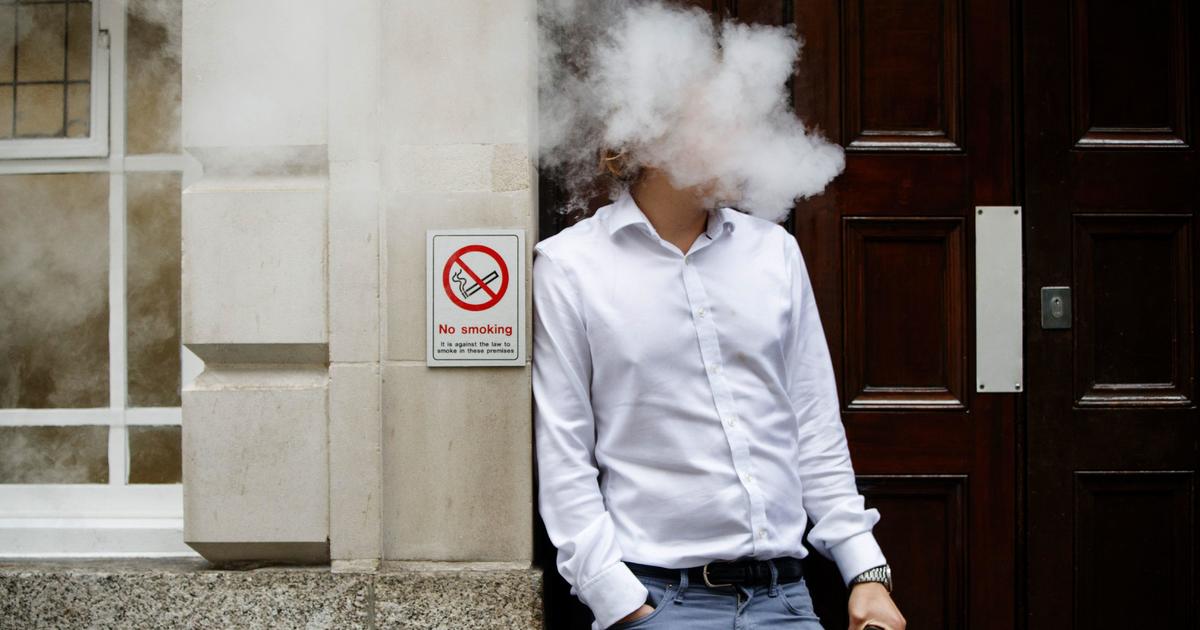
The World Health Organization reported a steady decline in adult tobacco users globally, with 150 countries successfully reducing tobacco use between 2000 and 2030. However, the WHO warned that despite the decline in smoking rates, tobacco-related deaths are expected to remain high, with the tobacco industry working to reverse the trend. The report highlighted the industry's efforts to manipulate health policies and target adolescents, urging countries to strengthen control policies and fight tobacco industry interference.

business2 years ago

WHO Takes Aim at Big Tobacco's Vaping Transition

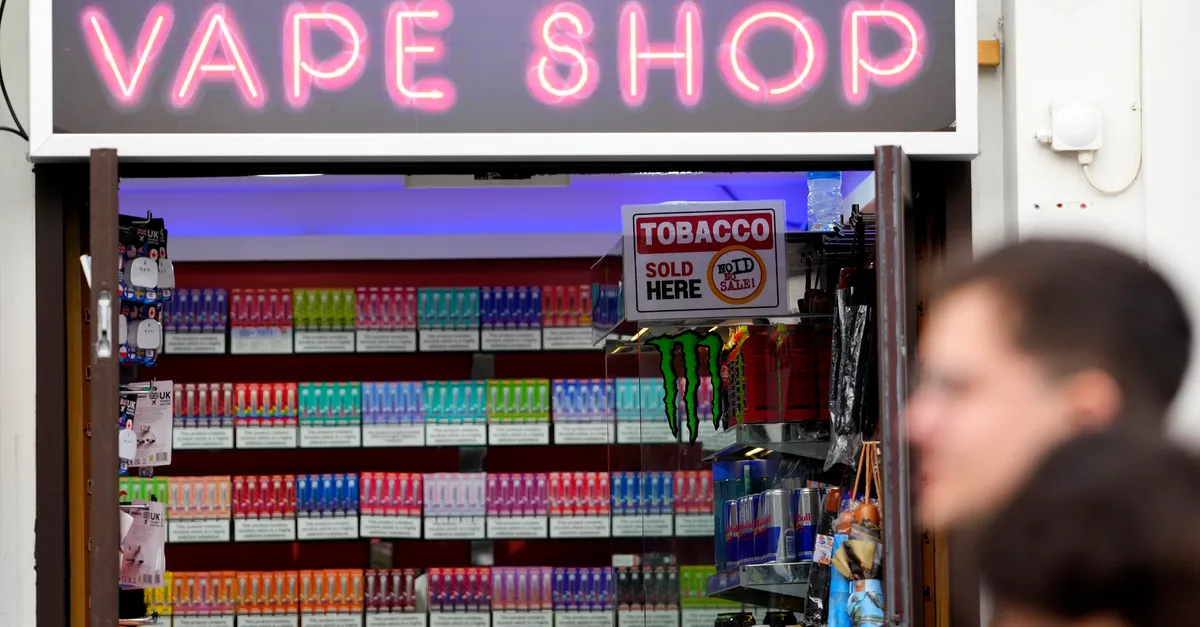
Big tobacco companies, such as Philip Morris International and British American Tobacco, could face significant losses if tobacco alternatives, like vaping, are subjected to the same regulations as cigarettes, according to investors and analysts. The World Health Organization has called for tighter controls on vapes, citing concerns about nicotine addiction. Stricter regulations and increased awareness of health risks could impact the cigarette businesses of tobacco companies that have been investing in alternative nicotine products. While some countries have embraced vaping as a public health measure, others have banned it altogether. The WHO's recommendations are unlikely to result in immediate global regulatory changes, but they could disadvantage tobacco companies and reduce competition in the long run.

health2 years ago

Tobacco industry embraces rooibos tea as ban looms

Big Tobacco companies, including British American Tobacco (BAT), are turning to rooibos tea-infused heat sticks as a way to counter the upcoming European Union ban on flavored heated tobacco products. These "reduced risk" products, which are heated instead of burned, aim to provide an alternative to traditional cigarettes. However, health experts warn that the safety of inhaling rooibos tea is unclear, and the long-term health implications are unknown. While these zero-tobacco sticks currently enjoy regulatory advantages, stricter regulations targeting nicotine are expected in the future. Proper regulation is necessary to ensure these alternatives do not attract more people to consume nicotine.

health2 years ago

Tobacco Industry's Role in Junk Food Addiction

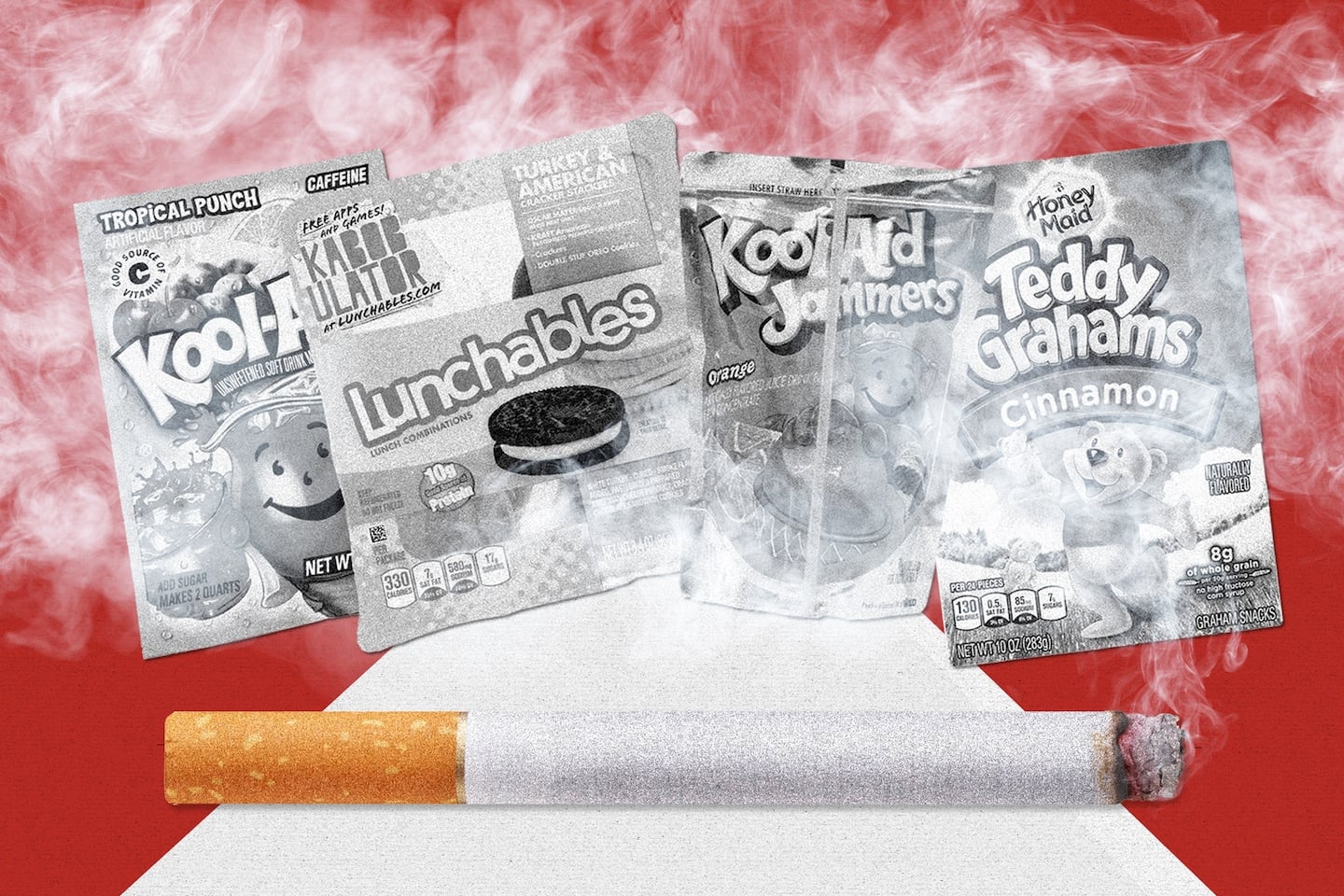
A study published in the journal Addiction suggests that big tobacco companies strategically manufactured and marketed highly processed junk food products to make them more addictive. Comparing tobacco-owned brands with competing brands, the study found that tobacco-owned brands were more likely to contain high levels of sodium, carbs, and fat. This created "hyper-palatable" foods that people crave and tend to overeat. The rise in obesity rates in the United States coincided with tobacco companies diversifying into the food industry in the late '80s. Some ingredients found in processed foods in the US are banned or restricted in other countries.

health2 years ago

Big Tobacco's Role in Creating Unhealthy Junk Foods

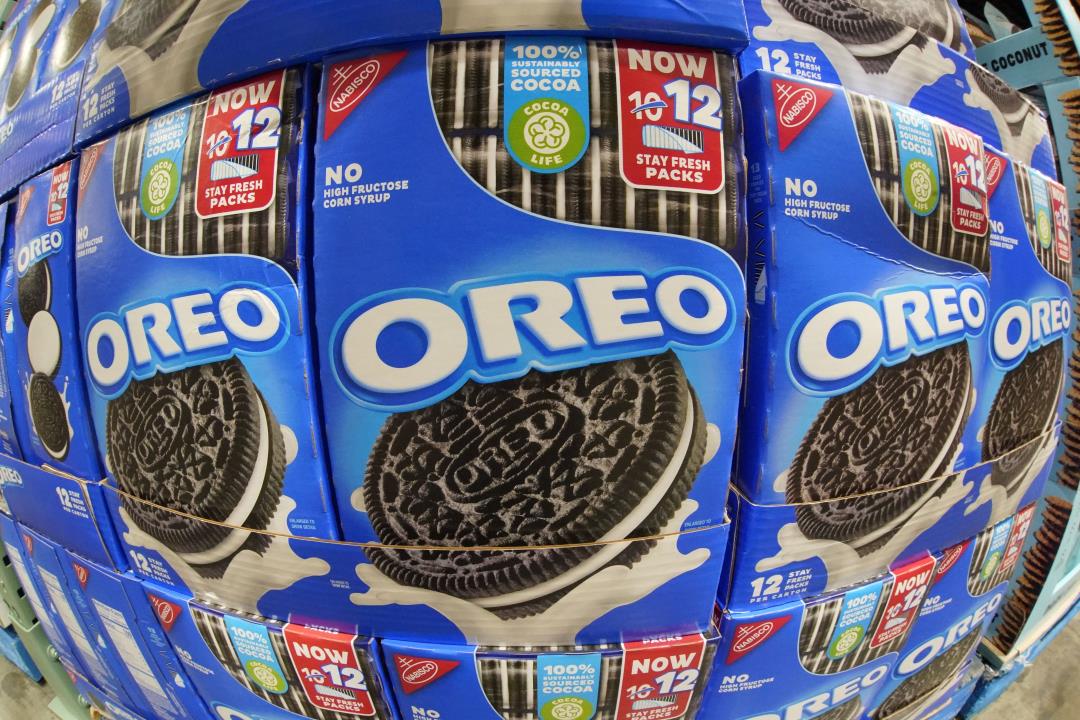
A new study suggests that tobacco companies, such as Philip Morris and R.J. Reynolds, used similar strategies to hook people on processed foods as they did with cigarettes. In the 1980s, these tobacco giants acquired major food companies like Kraft, General Foods, and Nabisco, allowing them to dominate the food industry and profit from popular brands like Oreo cookies and Kraft Macaroni & Cheese. The study found that during the tobacco companies' ownership, the foods they sold were more likely to be hyper-palatable, containing addictive combinations of fat, sodium, sugar, and other additives. The rise of hyper-palatable foods coincided with a surge in obesity and diet-related diseases. Although the tobacco companies no longer own these food brands, their influence on the highly-palatable, addictive foods we consume today is significant.

health2 years ago

Big Tobacco's Role in the Creation and Marketing of Today's Junk Foods

A new study suggests that tobacco companies, such as Philip Morris and R.J. Reynolds, used similar strategies to hook people on processed foods as they did with cigarettes. In the 1980s, these tobacco giants acquired major food companies like Kraft, General Foods, and Nabisco, allowing them to dominate America's food supply. The study found that during the time when tobacco companies owned these food brands, the foods they sold were more likely to be hyper-palatable, containing potent combinations of fat, sodium, sugar, and other additives that drive cravings and overeating. The rise of hyper-palatable foods coincided with a surge in obesity and diet-related diseases. Although tobacco companies no longer own these food brands, their influence on the food industry remains significant.

health2 years ago

Tobacco Industry's Influence on Hyperpalatable Foods Revealed

Food brands owned by tobacco companies in the 1980s actively promoted and disseminated hyperpalatable foods, which are loaded with salts, fats, and sugars, to American consumers. These foods provide an enhanced eating experience that is difficult to resist and can lead to overconsumption. While tobacco companies divested from the U.S. food system by the mid-2000s, the prevalence of hyperpalatable foods in the American diet remains high, contributing to obesity and related health issues.

health2 years ago

"Big Tobacco's Warning Signs: A Long-Awaited Resolution"

Big Tobacco will be required to display eye-catching warning signs about cigarette smoking in over 200,000 stores across the US as part of a lawsuit filed by the Justice Department in 1999. The signs, which must be displayed until June 30, 2025, will feature 17 specified statements in English and Spanish. This comes after years of dispute and a landmark judgment in 2006 that found the tobacco companies guilty of lying about the dangers of smoking. Altria and RJ Reynolds have stated their transition to potentially less harmful products, while the signs aim to inform the public about the health risks associated with smoking.