Tag

Allergy Symptoms

All articles tagged with #allergy symptoms

health-and-environment1 year ago

"Springtime in Metro Detroit: Navigating Allergies and Colds"

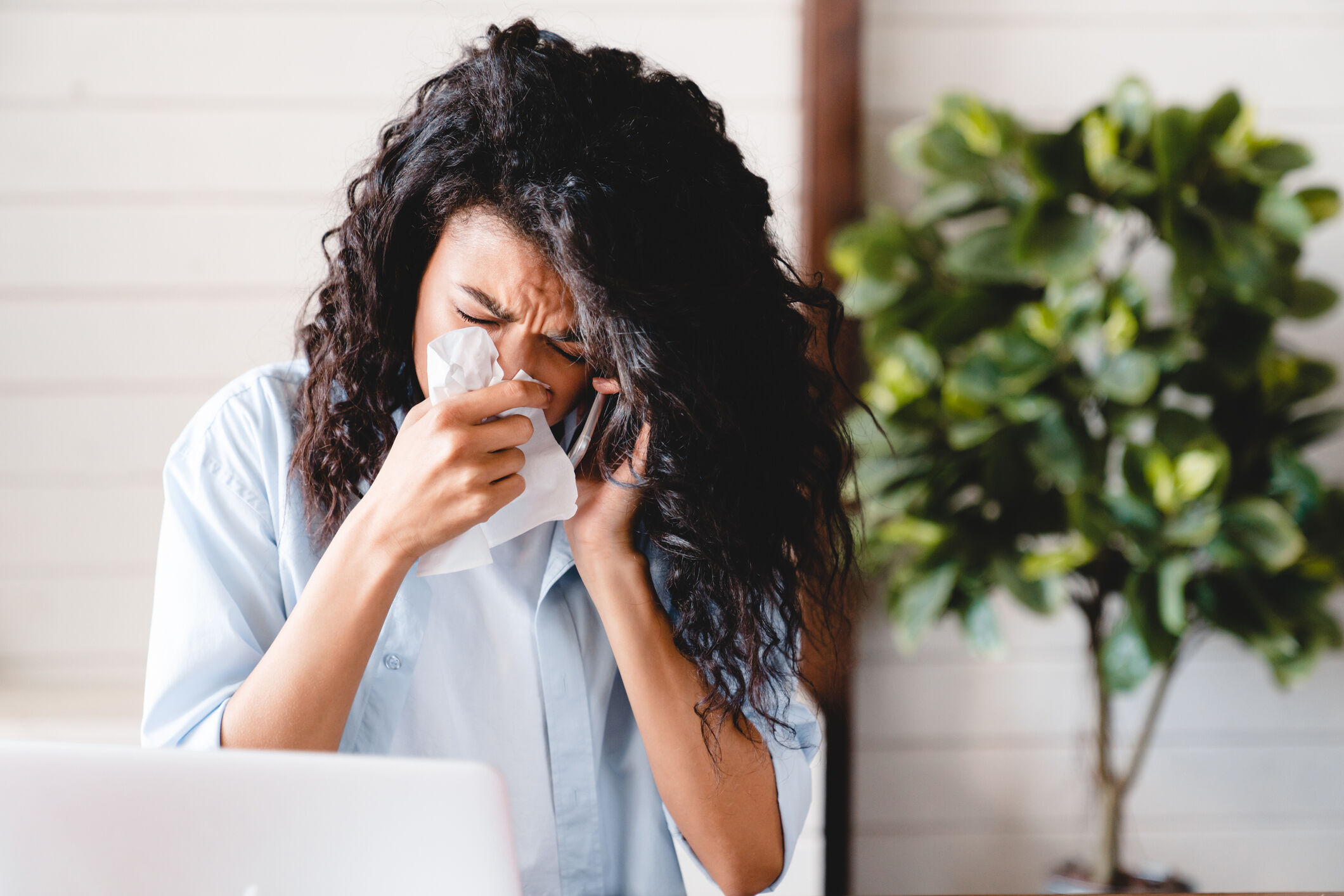
Certain trees in Metro Detroit are releasing high levels of pollen, triggering allergy symptoms for many people. The warmer winter has caused plants to fertilize earlier and release pollen sooner than usual. Experts advise those with spring allergies to start their medications early, avoid opening windows, change clothes and shower after spending time outside, and consider visiting an allergist if symptoms persist.
health1 year ago

"Beating Seasonal Allergies: Expert Tips and Product Recommendations"

Nearly 81 million Americans suffer from seasonal allergies, caused by pollen from trees like oak, elm, birch, poplar, and maple in early spring, and later from grasses and other plants in summer. Dr. Meredith Porter recommends checking daily pollen counts, minimizing outdoor time on high pollen days, keeping windows closed and using AC in the car, wearing glasses or sunglasses, and washing face, hands, and clothes after outdoor exposure. Severe symptoms should prompt a visit to a primary care provider for testing.

health1 year ago

"Mastering Allergy Season: Effective Treatments and Prevention Tips"

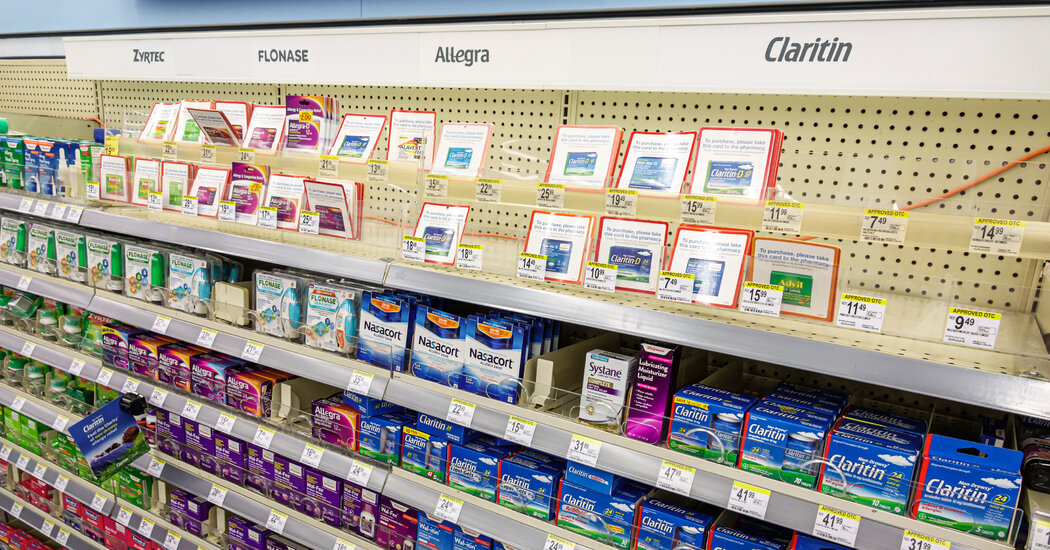
As tree pollen counts peak in some parts of the United States, it's important to prepare for and treat spring allergy symptoms. Before resorting to medication, consider measures such as monitoring pollen levels, keeping windows closed, wearing masks, and rinsing out your nose with saline spray. If medication is necessary, various pills, sprays, and shots are available, but it's recommended to first limit exposure to allergens.

health1 year ago

"Rising Pollen Allergies: Cities Facing Longer and Worsening Allergy Seasons"

Spring allergy seasons are starting about 20 days earlier than in the past, with pollen concentrations rising about 20 percent nationwide since 1990, attributed to warmer temperatures, higher carbon dioxide concentrations, and increased precipitation. This shift can have significant health consequences, leading to higher prevalence of allergic rhinitis and longer periods of pollen production. Experts advise being vigilant for allergy symptoms and having medications on hand to manage the worsening allergy season.

health1 year ago

"Beating Spring Allergies: Tips for Relief in Pollen-Heavy Cities"

Dr. Victor McLaughlin of Patient First explains that Maryland's terrain contributes to seasonal allergies, with river valleys and bays being big deposits of allergens. He advises differentiating between allergies and illness and recommends over-the-counter medications and preventive measures such as staying indoors on dry, windy days, using air conditioning, and taking a shower after spending time outside to reduce allergy symptoms and enjoy springtime in Maryland.

health1 year ago

Navigating Allergy Season: Tips for Preparation and Action

Allergy season has already begun in the DC area, with pollens from juniper and elm trees causing symptoms like itchy eyes and runny noses for sufferers. Allergy sufferers, especially those with asthma, should have a treatment plan in place with their allergist, which may include medications. Over-the-counter options like nasal saline sprays and allergy eyedrops can also provide relief. Taking a shower after spending time outdoors and considering pet-related allergens are additional steps to manage allergy symptoms.

health2 years ago

Winter Woes: Unraveling the Mystery of Indoor Allergies

Winter allergies, also known as indoor allergies, can be more problematic and noticeable during the colder months. Spending more time indoors with sealed doors and windows, forced air heating, and decreased humidity levels can exacerbate symptoms caused by indoor allergens such as dust, pet dander, and mold. Common symptoms include sneezing, watery eyes, runny nose, nasal congestion, coughing, and postnasal drip. To manage winter allergies, it is recommended to stay on top of cleaning, use an air purifier, regularly change HVAC filters, and minimize pet dander. If symptoms persist, especially for those with asthma or suspected secondary infections, it is advised to consult a doctor.

health2 years ago

Understanding Antihistamines: Your Solution to Seasonal Allergies

Seasonal allergies can affect people year-round, including during the winter. Winter allergies are often triggered by spending more time indoors surrounded by allergens. Most people with allergies rely on antihistamines to treat their symptoms. Antihistamines work by blocking the body's response to histamine, a chemical produced by the immune system in response to allergens. Common antihistamines include loratadine, fexofenadine, cetirizine, diphenhydramine, levocetirizine, and hydroxyzine. While antihistamines are generally considered safe, they can have mild side effects such as drowsiness and dryness. Serious side effects are rare but should be reported to a physician. Antihistamines are important for relieving allergy symptoms caused by histamine release from allergens.