Genetic ancestry tests from companies like 23andMe and Ancestry.com often oversimplify or distort human history, relying on arbitrary reference populations and statistical approximations that do not accurately reflect individual lineage or the complex, interconnected nature of human migration and genetic diversity.
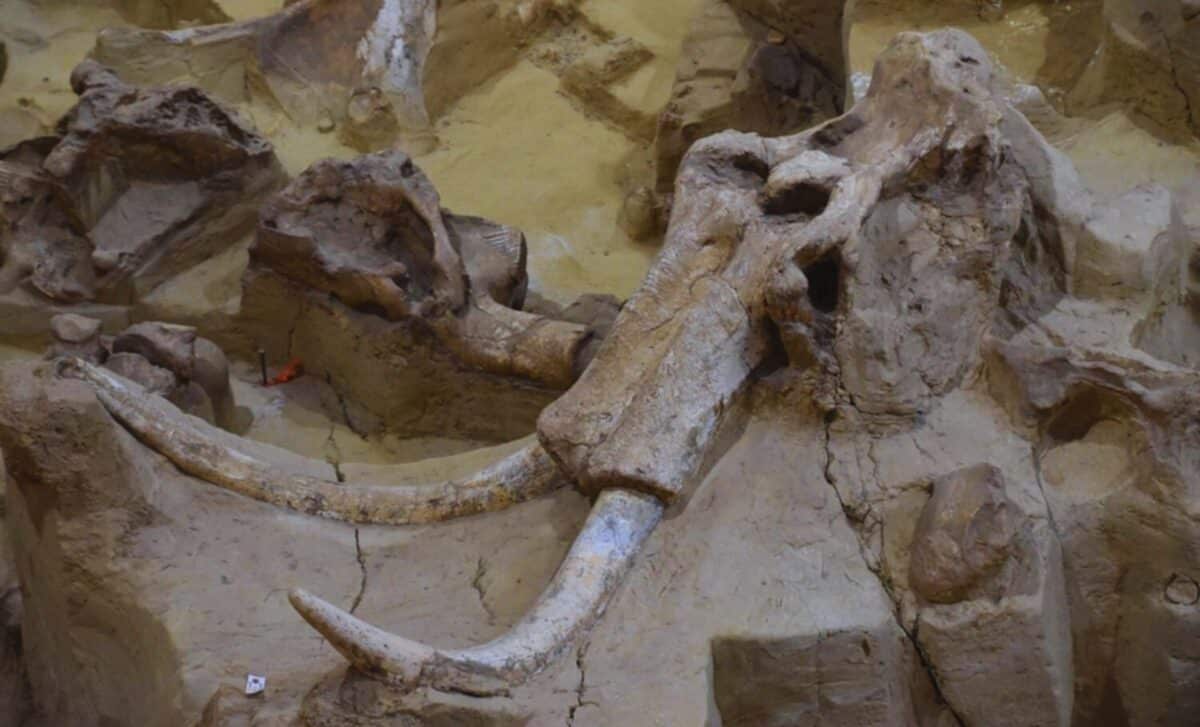
Fossils initially thought to be the youngest mammoth remains in Alaska were later identified through DNA testing as whale bones, revealing a case of mistaken identity and raising questions about how whale bones ended up far inland.
Julia Wandelt, who claimed to be Madeleine McCann, was found guilty of harassment against the McCann parents and sentenced to six months in prison, having already served her sentence. The court confirmed she is not Madeleine based on DNA tests, but she remains uncertain about her identity. Wandelt's actions included persistent contact and attempts to obtain DNA, causing distress to the McCann family.
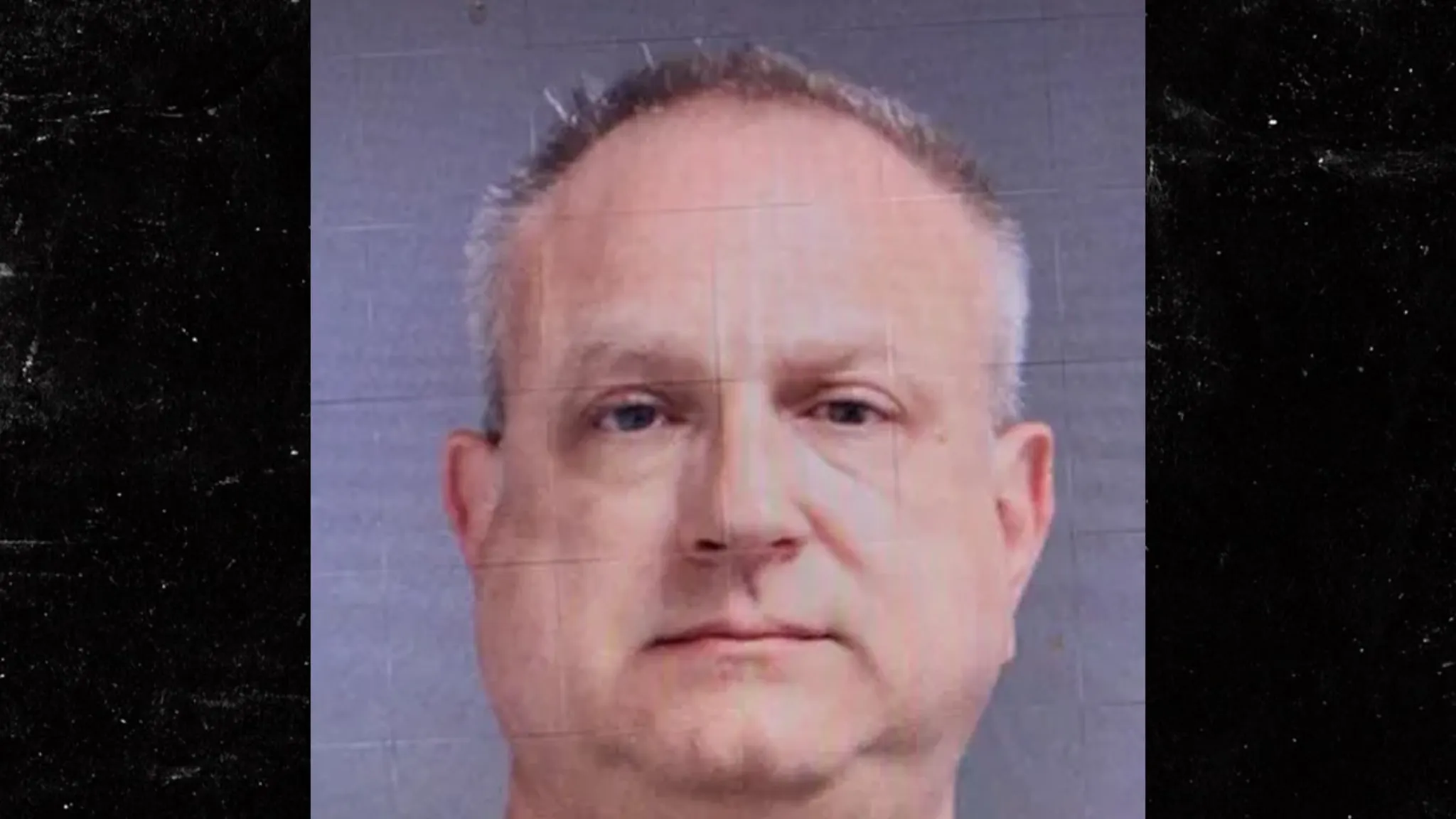
An army veteran, Stephan Smerk, was arrested and pleaded guilty to a 1994 Virginia murder after DNA testing linked him to the crime scene, leading to his 70-year sentence.
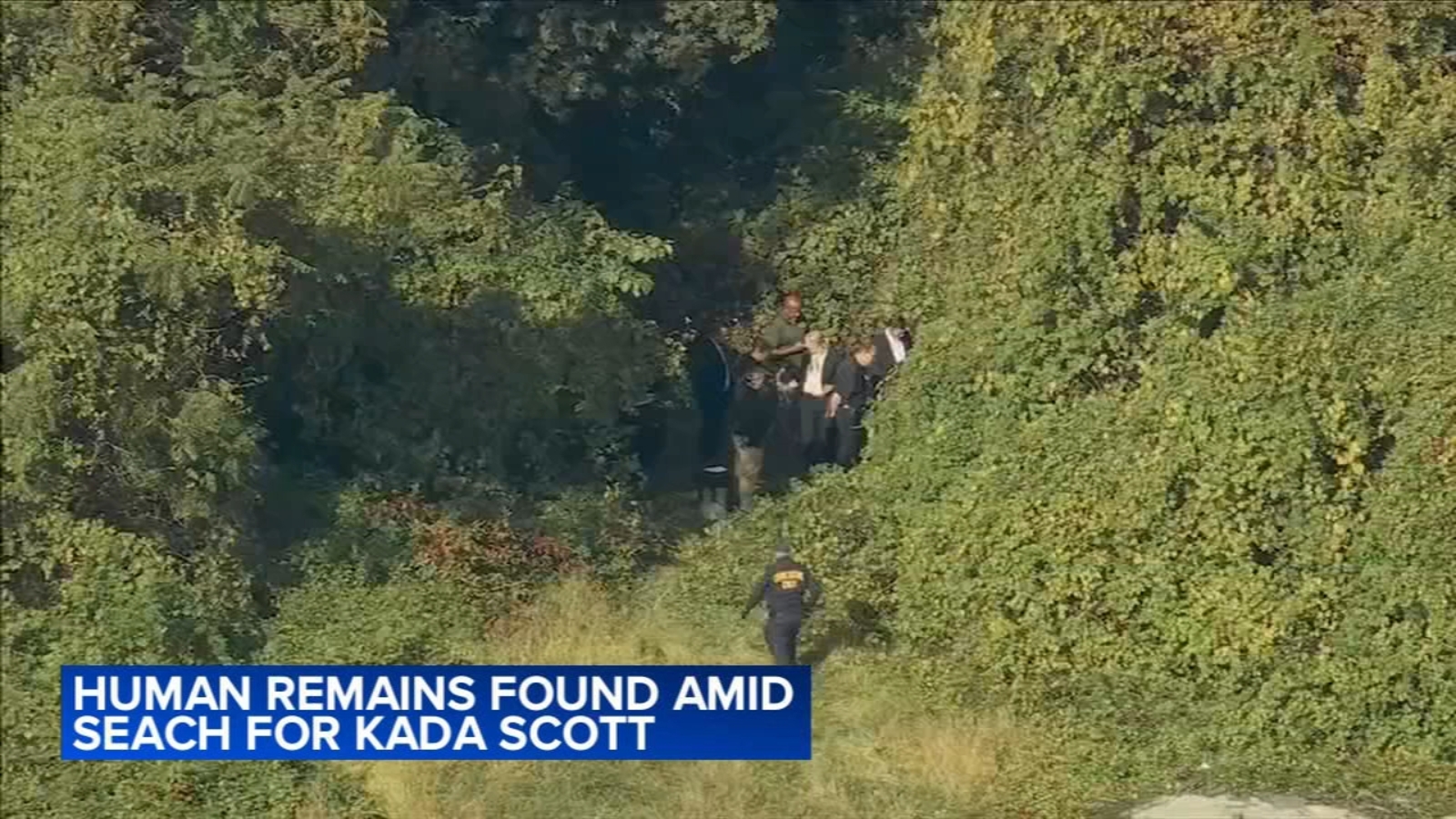
DNA evidence indicates that the human remains found behind a vacant school in Philadelphia are those of missing woman Kada Scott, with authorities linking the remains to her case and arresting a suspect connected to her disappearance.
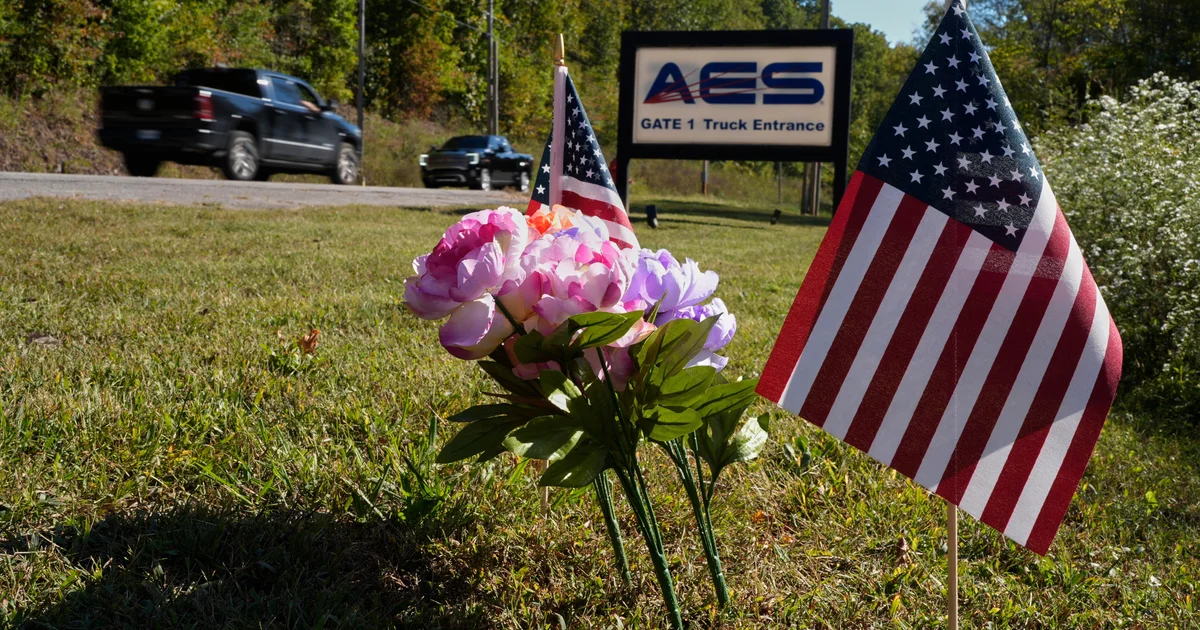
The names of 16 victims presumed dead in a Tennessee explosives plant explosion have been released, with identification efforts ongoing through DNA testing due to extensive damage. The cause of the blast at Accurate Energetic Systems remains under investigation, and the small community is mourning the loss.
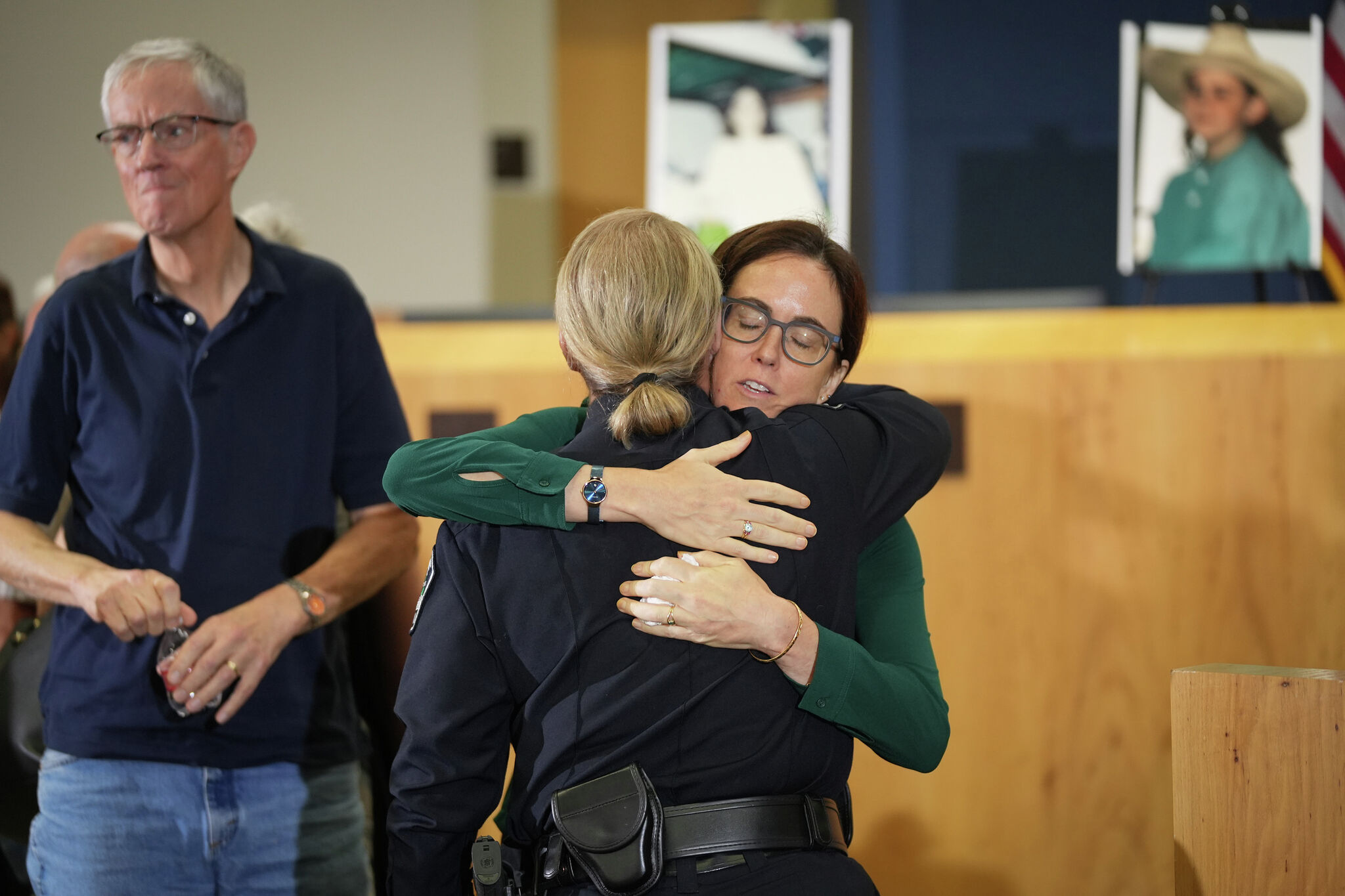
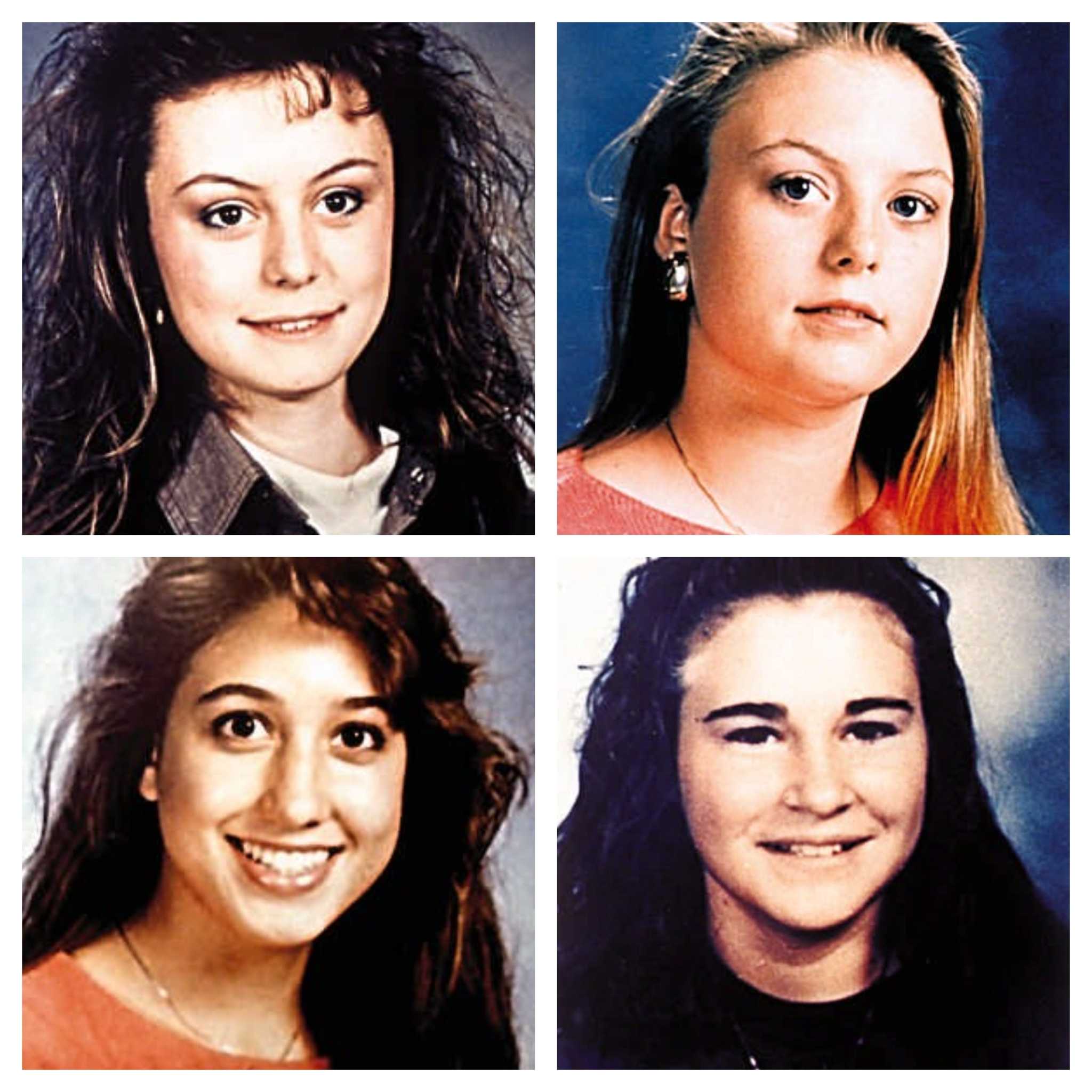
After 34 years, authorities linked the 1991 Austin yogurt shop murders to Robert Eugene Brashers through new DNA testing, ballistics, and traditional police work, leading to the case's resolution and the identification of Brashers as the killer, who died by suicide in 1999.
The 1991 Yogurt shop murders in Austin have been solved after 34 years through DNA testing, linking the crime to serial killer Robert Eugene Brashers, who died by suicide eight years after the murders, ending a long-standing cold case and bringing closure to the families and community.
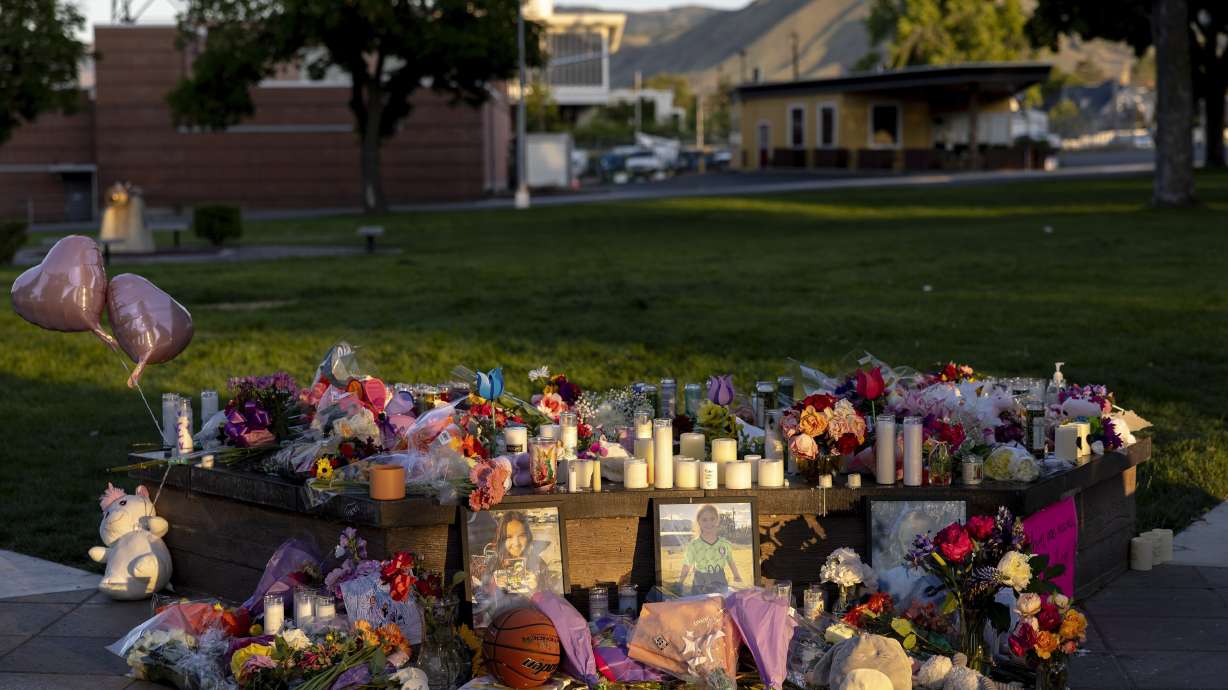
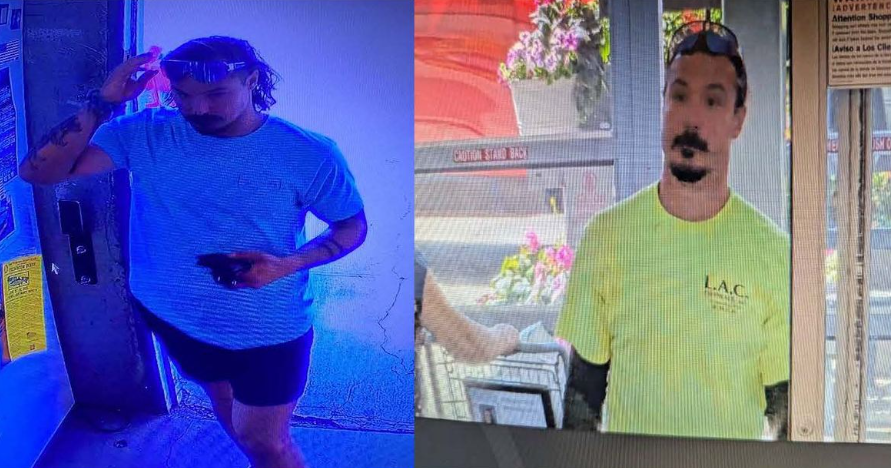
Authorities are conducting DNA tests on skeletal remains found near Grindstone Mountain in Washington, which preliminary results suggest may belong to Travis Decker, a man wanted in connection with the deaths of his three daughters, whose bodies were found earlier near the same area. Decker, a former soldier, is suspected of suffocating his daughters, who were last seen with him after a visit from their mother. The investigation involves extensive search efforts and forensic analysis to confirm the identity of the remains.
DNA testing has confirmed Travis Decker as the sole suspect in the murders of his three daughters in Washington, with evidence found on bags over their heads and near their bodies. The search for Decker continues as he remains at large, considered armed and dangerous, with a reward offered for information leading to his arrest.
DNA testing confirmed Travis Decker as the sole suspect in the murder of his three daughters at a Washington campground, with evidence found on plastic bags used for suffocation; authorities are still searching for him, considering him armed and dangerous.
The remains of British meteorologist Dennis Bell, who died in Antarctica in 1959, were discovered 66 years later on a receding glacier and identified through DNA testing, bringing closure to a long-standing mystery and highlighting the human stories behind Antarctic exploration.
Nearly 24 years after the 9/11 attacks, three more victims have been identified through advanced DNA testing, bringing the total identified victims to 1,653 out of 2,753. The ongoing efforts highlight the commitment to honoring the victims and providing closure to their families.
A 92-year-old man, Ryland Headley, was convicted of raping and murdering Louisa Dunne in 1967, solving the UK's longest-running cold case through DNA evidence and forensic analysis, after being linked to the scene decades later.,
The U.S. Supreme Court ruled 6-3 in favor of Ruben Gutierrez, a Texas death row inmate seeking DNA testing to potentially prove his innocence in a 1998 murder, reversing a lower court decision and allowing his legal challenge to proceed.