Tag

Growing Season

All articles tagged with #growing season

weather2 years ago

"Multiple Regions Brace for First Freeze of the Season: Find Out If You'll Be Impacted"

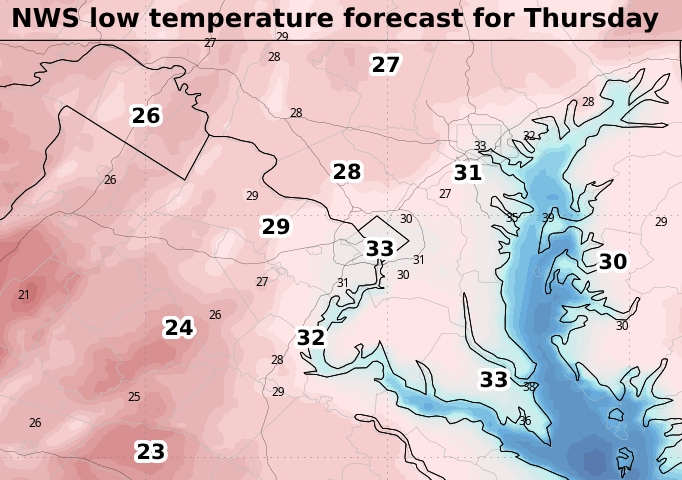
A freeze warning has been issued for tonight, marking the end of the growing season as temperatures drop to the mid-20s to lower 30s in most areas. Some milder spots near the bay and urban cores may stay just above freezing. Tomorrow, temperatures will remain around 50 degrees with lighter winds. Freeze warnings are in effect across East Texas, the South, Southeast, and the northern Gulf Coast, with temperatures dropping to the low and mid-30s.

gardening2 years ago

Optimal Pumpkin Fertilization: Expert Tips for Timing and Nutrient Balance

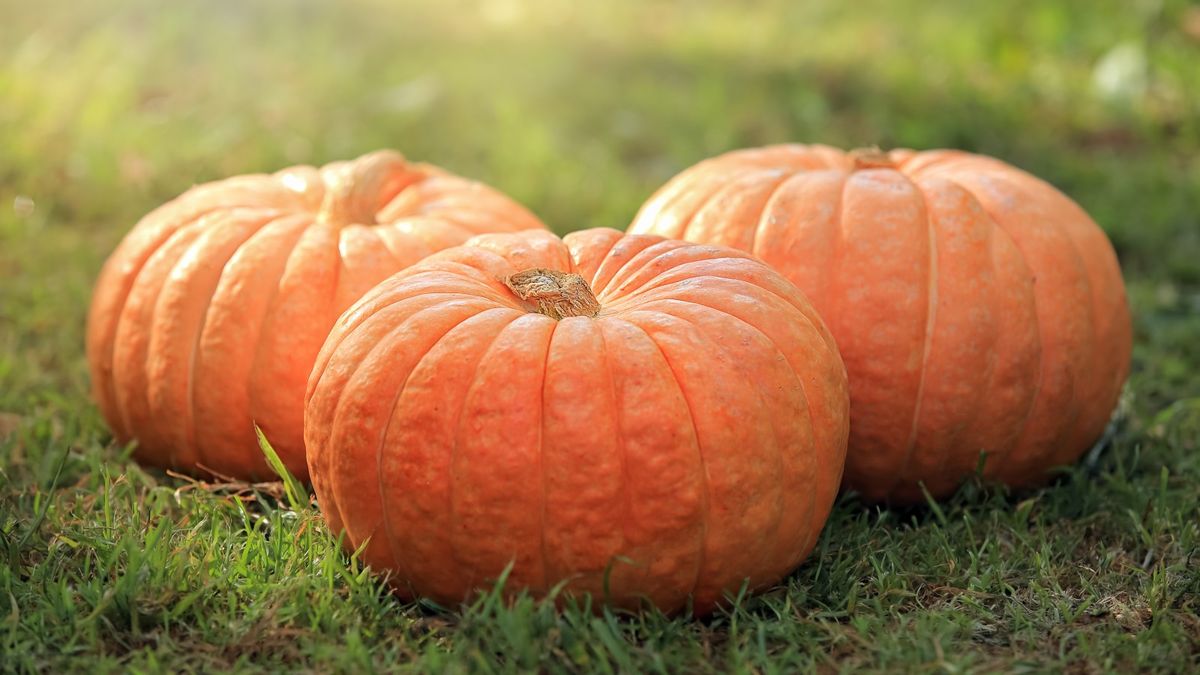
Pumpkins are heavy-feeding plants that require regular fertilization throughout their growing season. Nitrogen promotes vine and leaf growth, phosphorus encourages flowering and fruiting, and potassium ensures healthy fruit development. It is important to fertilize pumpkins at the right time, starting with compost or balanced fertilizer before planting, then switching to nitrogen-heavy fertilizer during rapid vine growth, phosphorus-heavy fertilizer during flowering, and high-potassium fertilizer when fruits start to form. Conducting a soil test and following recommended rates from the manufacturer are crucial. Coffee grounds can be used as a supplemental feed, and leftover pumpkins can be used as compost or buried to release nutrients into the soil.

weather2 years ago

Weather Update: Cold and Stormy Weekend, Warming Trend Ahead

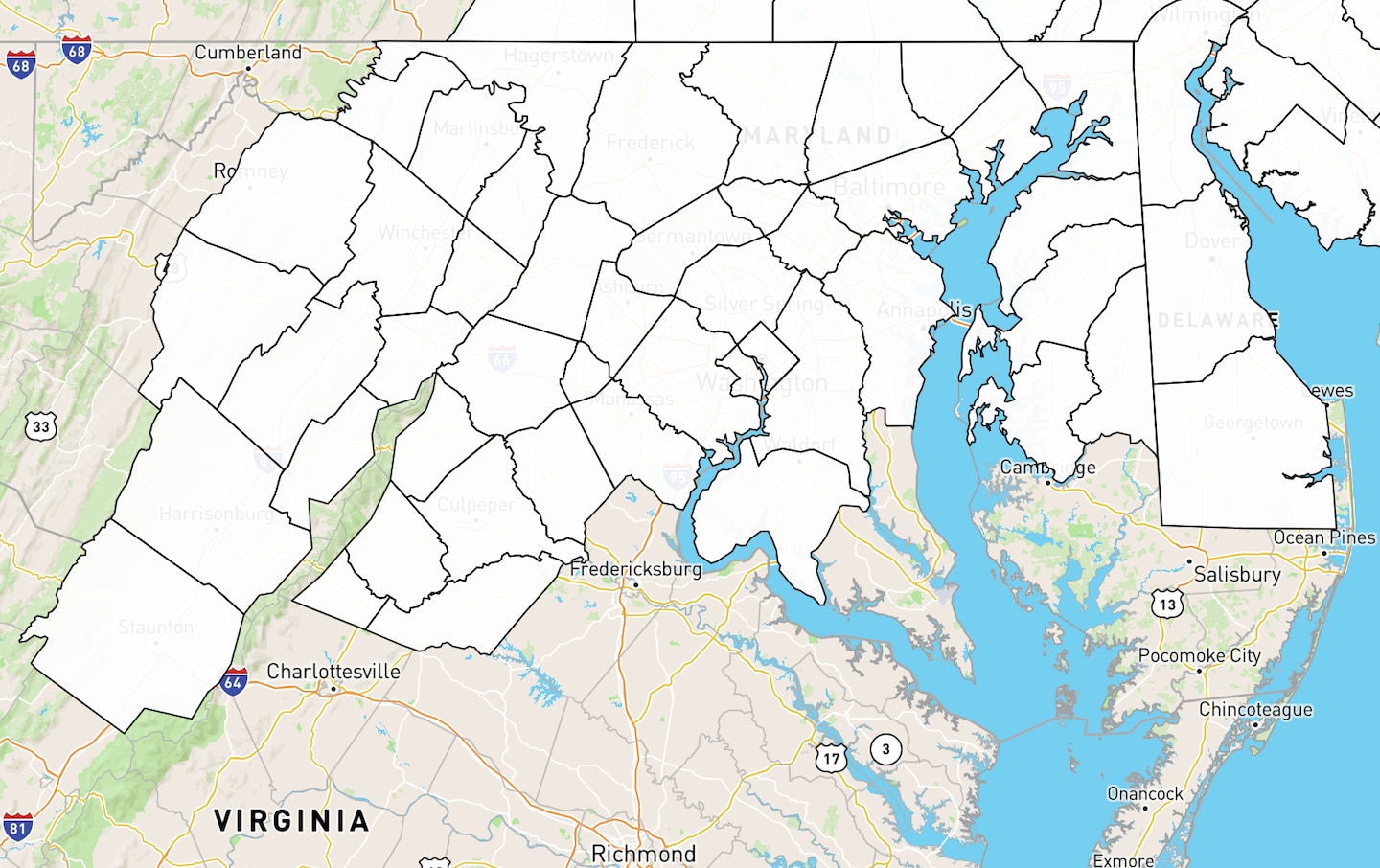
A frost advisory is in effect until 9 a.m. for most of the region, with temperatures expected to drop between 32 and 40 degrees tonight. However, the workweek will start with a warming trend, with temperatures reaching 70 degrees or higher on Monday and southerly breezes bringing in a warmer air mass. The growing season in the region has not yet passed typical last-frost dates, with areas along the Interstate 81 corridor having to wait until nearly May for confidence in being past a typical season's final frost.

health2 years ago

Report reveals US cities with earlier, longer, and worse allergy seasons.

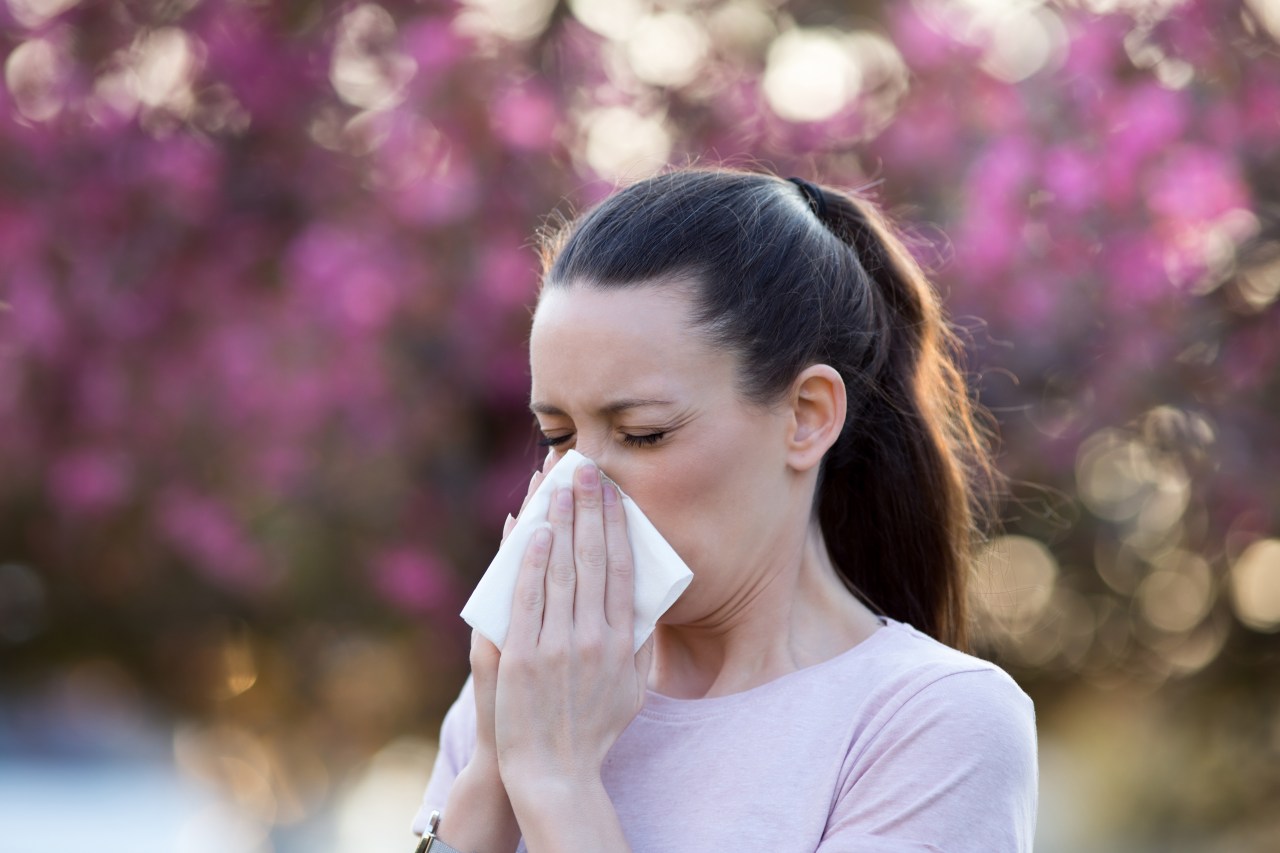
A new report by Climate Central has found that the growing season for allergy-inducing plants has lengthened by more than two weeks on average in 172 out of 203 US cities analyzed, leading to more intense and longer allergy seasons. The report attributes this to warming temperatures that have shortened the length of deep-freeze winters and extended the length of seasons where allergen-producing plants thrive. The Centers for Disease Control and Prevention warns that climate change could lead to more health consequences from allergens, including hay fever, allergic conjunctivitis, and asthma attacks.

health2 years ago

Climate change causing earlier and more severe allergy season.

Climate change is causing warmer winters and earlier blooms, leading to longer growing seasons for plants and earlier arrival of pollen that causes allergy symptoms. This is affecting millions of Americans with hay fever and asthma. Studies have found that more rain during a plant’s growing season leads to earlier and faster growth. Although some treatments for allergies exist, none are 100% effective and some are quite expensive or time-intensive. Ultimately, environmental and public health advocacy organizations argue for reducing greenhouse gas emissions to limit the severity of climate change.

health2 years ago

Climate change causing longer and earlier allergy seasons.

Climate change is causing warmer winters and earlier blooms, leading to longer growing seasons for plants and earlier arrival of pollen that causes allergy symptoms. This is affecting millions of Americans with hay fever and asthma. Studies have found that more rain during a plant’s growing season leads to earlier and faster growth. Although some treatments for allergies exist, none are 100% effective and some are quite expensive or time-intensive. Ultimately, environmental and public health advocacy organizations argue for reducing greenhouse gas emissions to limit the severity of climate change.