Tag

Gluten

All articles tagged with #gluten

health5 months ago

Carbohydrates Linked to Depression, Fatigue, and Schizophrenia Risk

Emerging research suggests that gluten, found in bread and pasta, may contribute to mental health issues like depression and schizophrenia, especially in those with gluten sensitivity or celiac disease, due to inflammation and nutrient absorption problems. The impact varies, with some individuals experiencing mood improvements on a gluten-free diet, while others see no change, and managing such diets can also cause stress.


food-and-nutrition1 year ago

"Debunking Oatmeal Myths: Unveiling Its True Health Benefits"

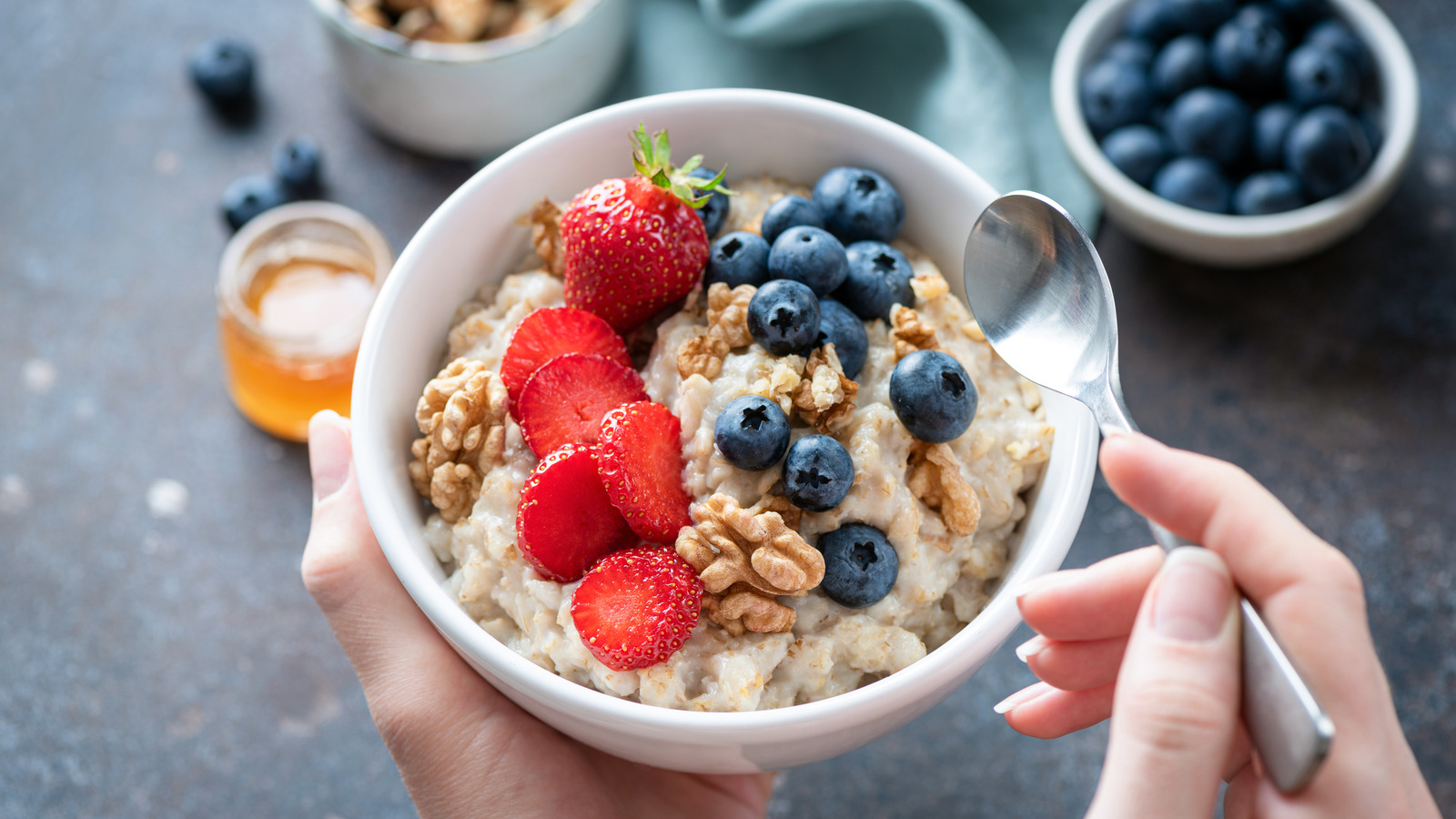
Despite persistent myths and misinformation, oatmeal is a healthy breakfast option when consumed in moderation and with attention to its processing and preparation. False claims about oatmeal's gluten content, impact on blood sugar, weight loss benefits, and nutritional value have been debunked. Additionally, concerns about glyphosate contamination in oats have been addressed, with many brands now offering glyphosate-free options.

health2 years ago

The Impact of Gluten on Your Body: Explained

Gluten is a protein found in grains like wheat, barley, and rye, as well as triticale. While gluten is essential for the structure and texture of foods, it only harms individuals with celiac disease or gluten sensitivity. For those without these conditions, excluding gluten from their diet can be detrimental as it eliminates foods with health benefits like whole grains. The rise in gluten-free diets may be due to the increased availability of gluten-free products for individuals with celiac disease, leading to misconceptions about the healthiness of gluten.

health2 years ago

"Steer Clear: 5 Inflammatory Foods That Aggravate Arthritis"

Making simple changes in diet can improve symptoms and lower the risk of developing arthritis. Here are five inflammatory foods to avoid if you have arthritis: 1) Red meat, which is high in fat and associated with increased inflammation; 2) Gluten, which can cause joint inflammation even in individuals without celiac disease; 3) High-salt foods, which can put people at higher risk of developing inflammatory arthritis; 4) Added sugars, found in soda and desserts, which worsen arthritis symptoms by increasing inflammation; and 5) Highly-processed foods, which contain potentially inflammatory ingredients and can trigger arthritis.

health2 years ago

Gluten consumption linked to brain damage and obesity in male mice, study reveals

A study conducted in New Zealand found that adding gluten to the diets of male mice consuming a high-fat regimen led to increased body weight and fat content. The addition of gluten also caused inflammation and the growth of certain cells in the hypothalamus region of the mice's brains. Gluten is a protein complex found in grains like wheat, rye, barley, and oats, and has been linked to various health issues. The study highlights the potential negative effects of gluten consumption on brain health and weight regulation, but further research is needed to determine if these findings are applicable to humans.

health2 years ago

Common Misconceptions About Allergies: Debunking Five False Allergen Beliefs

Many people mistakenly believe they are allergic to certain substances, such as penicillin, gluten, dairy, and fruit, when they are actually experiencing other conditions or intolerances. A study found that over 90% of those labeled with a penicillin allergy did not have one when tested. Similarly, gluten intolerance is often mistaken for coeliac disease, and cutting out dairy without a valid reason can lead to nutrient deficiencies. Only 2% of people have a fruit allergy, and hay fever, caused by pollen, affects one in four people in the UK. Understanding the difference between allergies and intolerances is crucial for accurate diagnosis and appropriate treatment.

health2 years ago

"Warning Signs: Gut Health Red Flags and Foods to Avoid"

Doctors recommend cutting out processed foods, gluten, and excessive sugar from your diet as they can irritate the gut lining, cause inflammation, and disrupt the balance of gut bacteria. Opting for whole, unprocessed foods, eliminating gluten-containing grains, and reducing refined sugars can promote a healthy gut and support gut lining integrity. Maintaining a well-balanced diet, regular exercise, stress management, and adequate sleep are also important for gut health.

health2 years ago

"Top Foods to Avoid for a Healthy Gut: Doctors' Recommendations"

Doctors recommend cutting out processed foods, gluten, and excessive sugar to improve gut health. Processed foods contain additives and preservatives that can irritate the gut lining, while gluten can cause inflammation and gastrointestinal damage in sensitive individuals. Excessive sugar, including artificial sweeteners, disrupts the balance of gut bacteria and contributes to inflammation and damage to the gut lining. Opting for whole, unprocessed foods and healthier sweeteners in moderation can promote a healthy gut and support gut lining integrity.

health2 years ago

Avoid These 4 Toxic Food Ingredients and Eat This Instead, Says Harvard Nutritionist.

Harvard-trained nutritionist warns against toxic food additives that make you hungrier and worsen emotional eating habits, including monosodium glutamate (MSG), refined flour, refined sugar, and gluten. Instead, she recommends increasing intake of polyphenols found in foods such as avocados, berries, broccoli, and green tea, which can reduce and control blood sugar levels and cravings for unhealthy foods.

health2 years ago

"Revamp Your Gut Health: Foods to Avoid and Embrace"

Nutritionist Lisa Richards suggests cutting out sugar, dairy, and gluten to reset gut health. Refined sugar can disrupt gut health by feeding bad gut bacteria, while dairy is highly inflammatory and produces mucus that can harm gut health. Gluten can cause the gut to become inflamed, especially refined varieties like bread and pasta. Cutting out these foods can be beneficial for gut health for a short period of time, but it's important to pay attention to how your body reacts to different foods and consult a healthcare professional.