An Ioniq 5 N owner claims Hyundai's software prevents him from changing his own brake pads, requiring costly proprietary tools and subscriptions, raising concerns about the Right to Repair in the EV era.
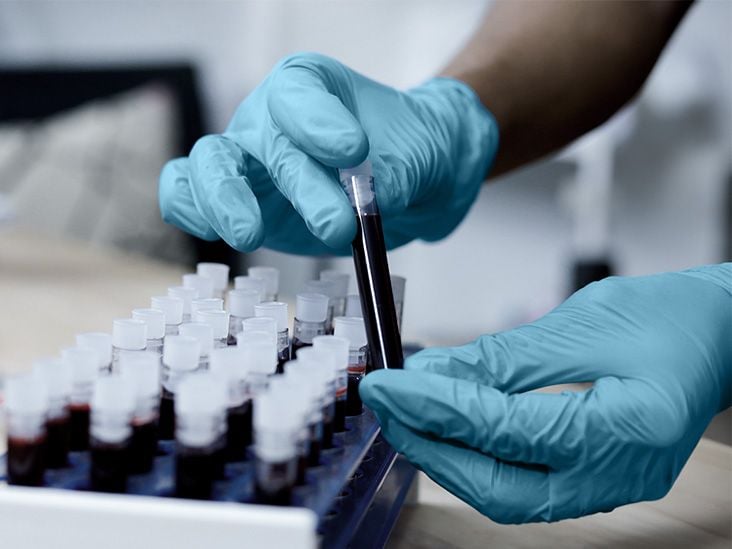
The FDA has approved Roche's Elecsys pTau181 blood test to help primary care physicians rule out Alzheimer's in adults over 55 showing symptoms, marking a significant step in early diagnosis and understanding of the disease, though further testing remains necessary for confirmation.
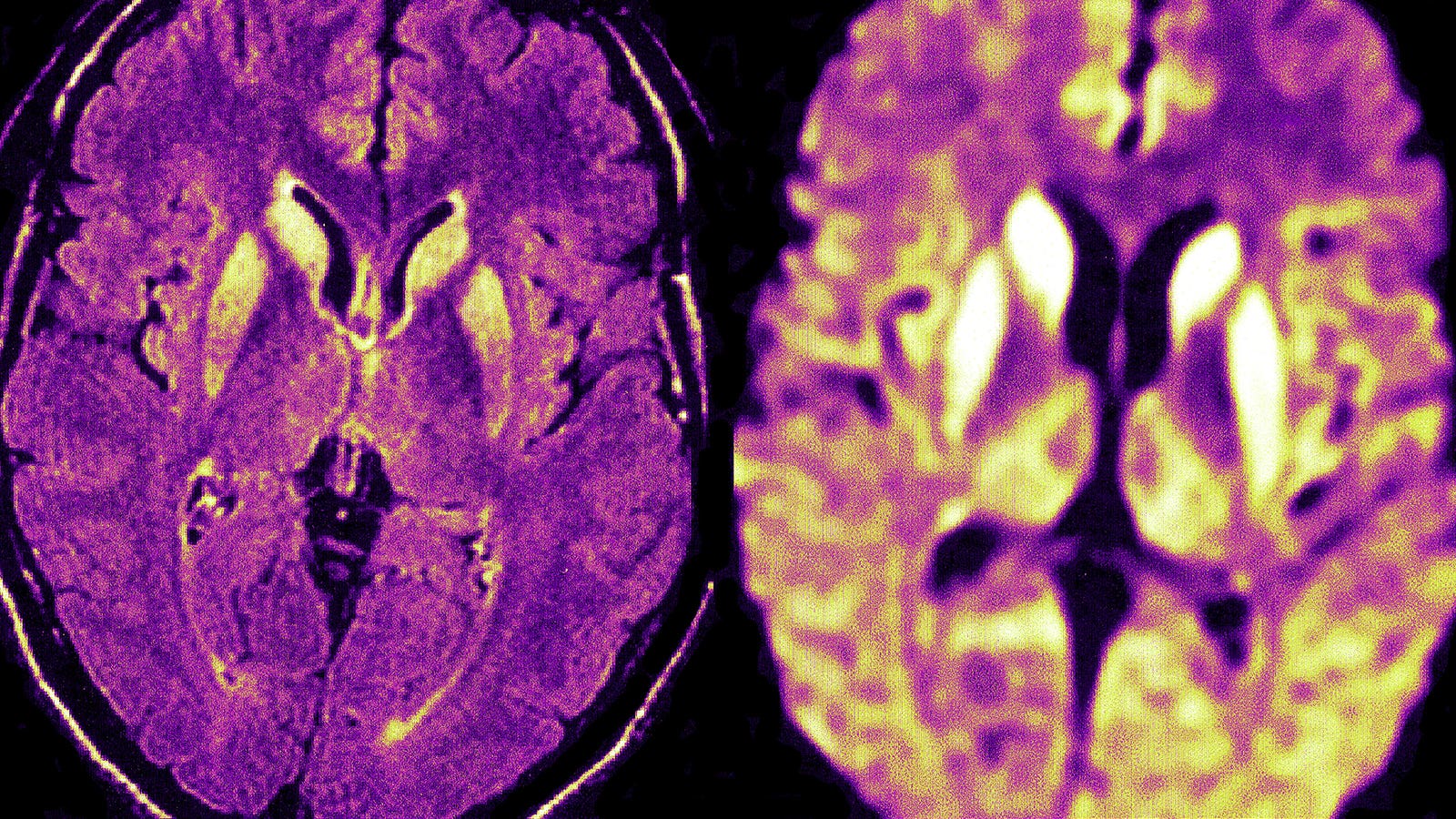
A study led by Prof. Takahashi has identified increased AMPA receptor density in the brains of Long COVID patients with cognitive impairment, linking molecular changes to brain fog and suggesting potential targets for diagnosis and treatment.
The US military is developing new guidelines and tools to prevent and better diagnose exertional rhabdomyolysis, a serious muscle breakdown condition caused by exertion and heat, which has increasingly affected troops and can lead to severe health issues or death.
A study from Denmark and Germany found that synchronization between stomach and brain electrical patterns correlates with mental health issues like anxiety and depression, suggesting potential for new diagnostic and treatment approaches by monitoring gut signals.
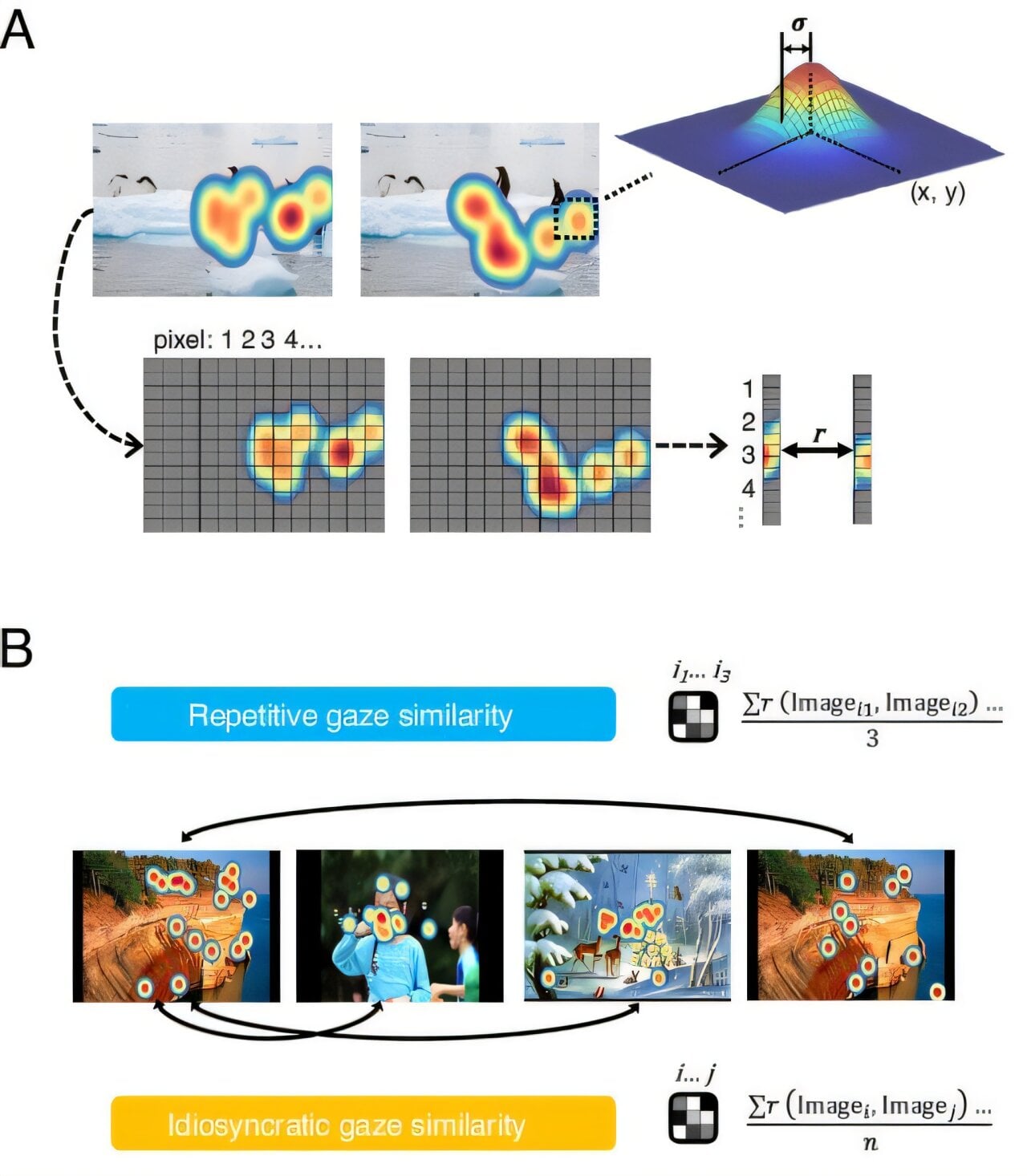
A study published in PNAS demonstrates that naturalistic eye movement patterns can serve as sensitive markers for detecting subtle signs of cognitive and memory decline, with specific gaze behaviors correlating with different levels of memory function across various participant groups.
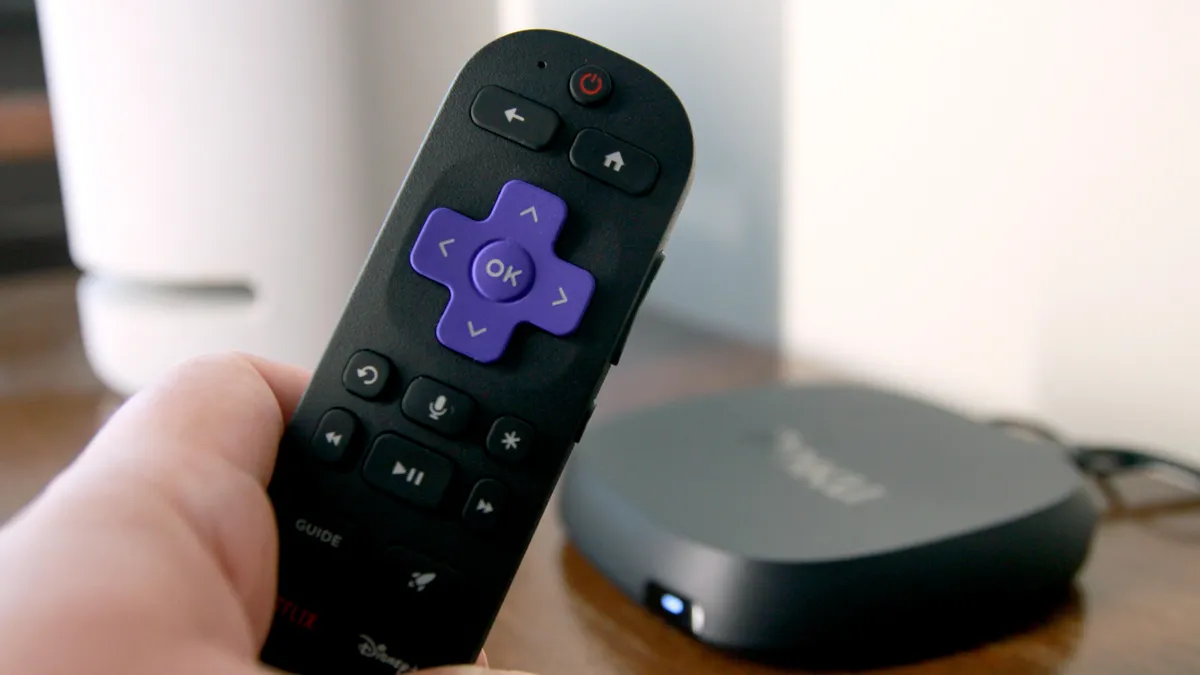
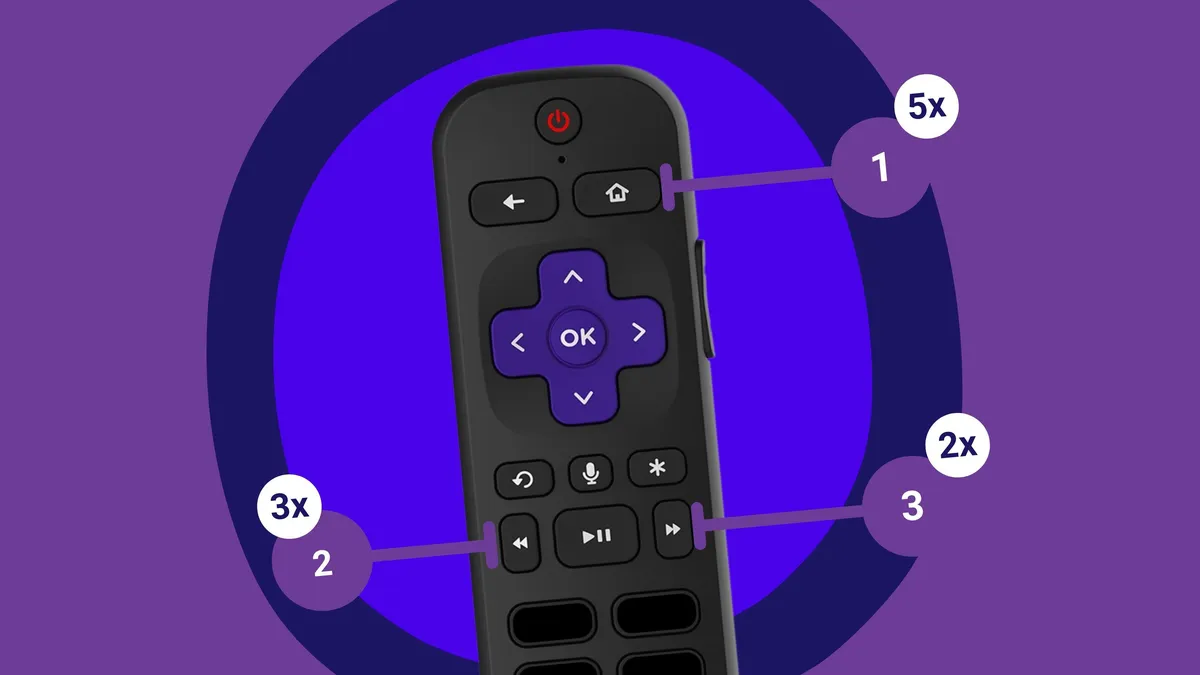
Roku devices have several hidden menus accessible through specific remote button sequences, offering diagnostic tools, advanced settings, and developer options, which can be useful for troubleshooting and tech enthusiasts.
Roku devices have several hidden menus accessible through specific remote button sequences, offering diagnostic tools, developer options, network info, performance data, and reset functions, which are useful for tech-savvy users or troubleshooting.
Researchers have developed a new technique to detect cancer early by identifying unique molecular 'fingerprints' in ribosomal RNA, using portable scanners with near-perfect accuracy. This method, which distinguishes between healthy and cancerous tissues, could lead to non-invasive diagnostic tools that require only blood samples. The study highlights the potential of nanopore direct RNA sequencing to revolutionize cancer diagnostics by capturing chemical modifications in rRNA, offering a promising approach for early detection and treatment.
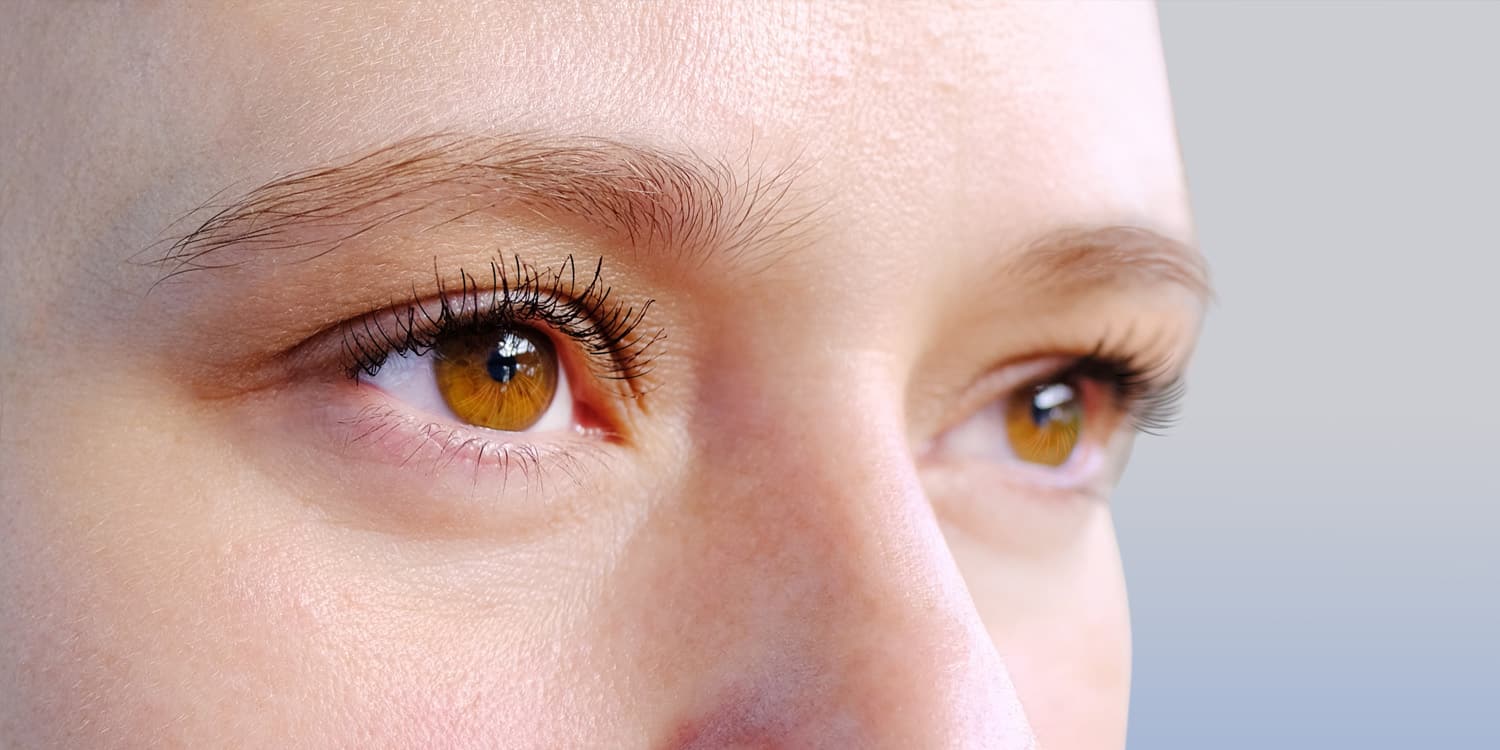
A recent study by scientists from the Max Planck Institute of Psychiatry suggests that pupillometry, the measurement of pupil size and reactivity, can differentiate between individuals suffering from depression and healthy individuals. The reduced pupil dilation observed in depressed patients during reward anticipation tasks could pave the way for new diagnostic tools and more personalized treatment approaches. The study's findings indicate a potential correlation between the severity of depressive symptoms and the extent of diminished pupil response, offering a window into the brain's noradrenergic system. While the study's design focused on unmedicated participants, further research is needed to generalize the results across different populations and stages of depression.
A study published in Science found that individuals with long COVID symptoms at six months show dysregulation of the blood clotting and complement pathways, which may predict the persistence of symptoms. These findings could lead to the development of diagnostic tools and targeted therapies for long COVID. The study also suggests that therapies targeting these pathways could help alleviate long COVID symptoms, and antivirals targeting herpesvirus and SARS-CoV-2 may have the potential to ameliorate long COVID symptoms.
The incidence of Creutzfeldt-Jakob disease (CJD), a fatal prion disease, has been steadily increasing in the United States, particularly among women. From 2007 to 2020, the incidence of CJD rose from 1.06 to 1.58 per million in women and from 1.05 to 1.47 per million in men. The increase remained significant for women even after adjusting for age. The rise in incidence may be due to changing demographics or improved detection with new diagnostic tools. The study highlights the need for monitoring among the aging U.S. population.
Tuberculosis (TB) has regained its position as the world's leading infectious disease killer, surpassing COVID-19, with 40% of people living with TB remaining untreated and undiagnosed. Despite recent advancements in diagnosing and treating TB, including new medicines and better diagnostic tools, millions of people are still dying from the disease. The lack of personnel, funding, and resources in many developing countries hinders the implementation of effective TB screening and treatment programs. While there is hope for an effective TB vaccine and progress in making medications more affordable, greater investment and commitment are needed to reach neglected communities and achieve the goal of ending TB.
Researchers at the Perelman School of Medicine at the University of Pennsylvania have tested the effectiveness of AI tools like ChatGPT and Google Bard in providing medical information. While AI can be a valuable educational tool, it has limitations in accurately answering complex medical questions. However, AI can offer more relevant search results compared to Google when it comes to symptom searches. The use of AI in reading and interpreting medical tests such as CT scans and MRI's is being explored, with the potential to improve efficiency and collaboration between AI and healthcare professionals. Despite its capabilities, AI can never replace human professionals due to the unique qualities of empathy and counseling they provide. Patients and medical workers should be cautious of overestimating AI results and ensure proper education and counseling accompany its use.
Researchers have used machine learning techniques to identify individuals with diabetes among those with normal fasting glucose levels. By analyzing physical examination data and employing a deep neural network, the study developed a framework that outperformed traditional methods in detecting undiagnosed cases. The study identified key features such as age, BMI, fasting blood glucose, and absolute lymphocyte count as significant factors in determining diabetic risk. The findings highlight the potential for personalized interventions based on individual risk profiles and offer a practical online tool, DRING, for diabetes risk assessment.