Researchers discovered a brain circuit in mice, linking the amygdala to the BNST, that acts as a 'dial' controlling the urge to eat sweets, fats, and salt. Stimulating this pathway increases consumption, while suppressing it reduces appetite, offering potential treatments for eating disorders, cachexia, and obesity.
Scientists have discovered a 'neurobiotic sense' involving neuropods in the gut that detect microbial proteins like flagellin and send real-time signals to the brain via the vagus nerve, influencing appetite and potentially affecting mood and behavior. This finding highlights a direct neural pathway through which gut microbes can impact human behavior and health.
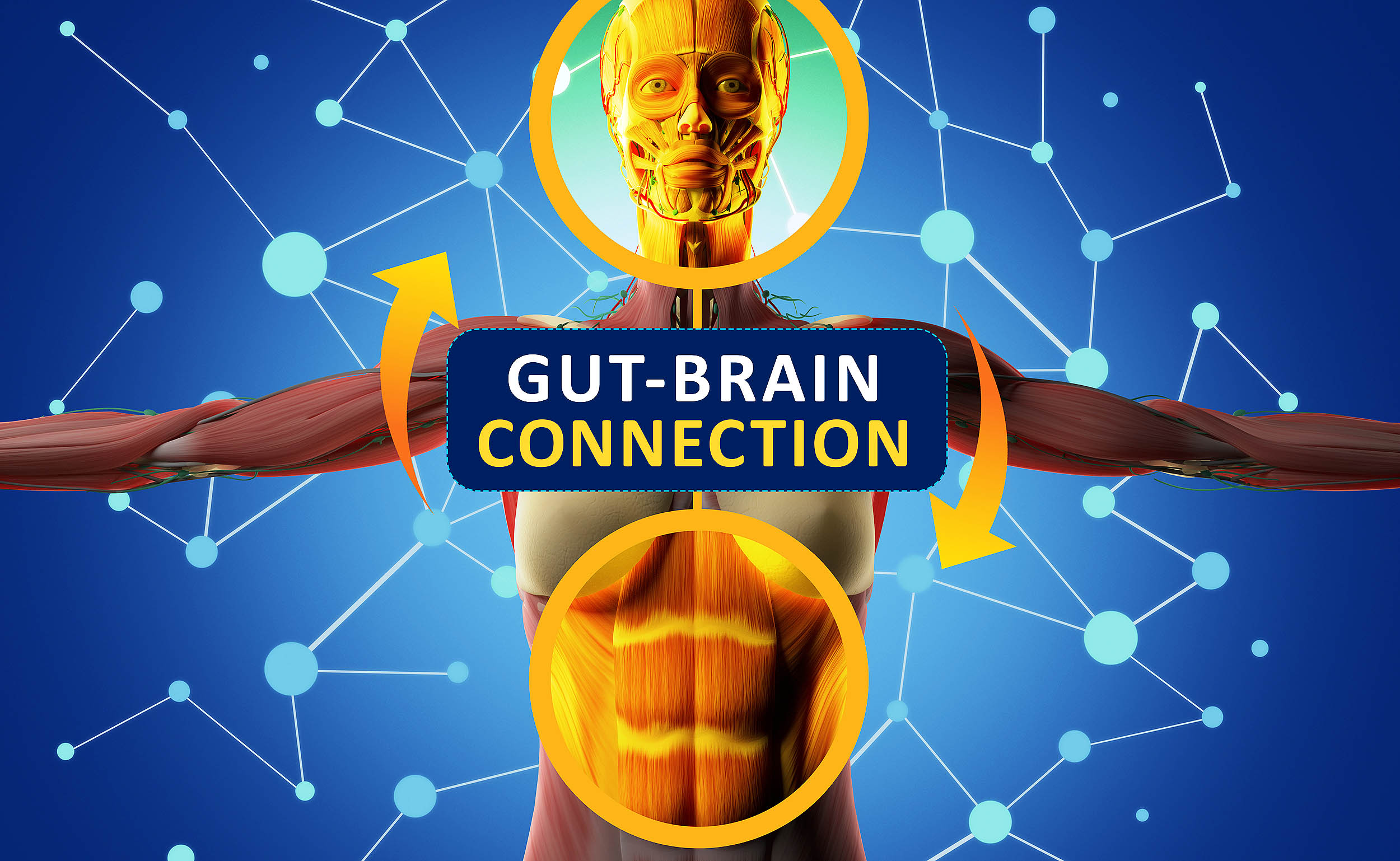
Scientists from Duke University have discovered a new neural communication system between gut microbes and the brain, involving specialized cells called neuropods that detect bacterial proteins like flagellin and send signals via the vagus nerve to regulate appetite and potentially influence behavior, revealing a 'sixth sense' linking the gut and brain in real time.
Scientists have discovered that the gut's microbiome may constitute a sixth sense, as bacteria in our gut can communicate with the brain via neural pathways, influencing appetite and potentially impacting conditions like obesity and psychiatric disorders.
Scientists at Duke University have discovered that the gut's microbiome may constitute a sixth sense, as bacteria in our gut communicate with the brain via neural pathways, influencing appetite and potentially impacting conditions like obesity and psychiatric disorders.
Scientists have discovered a 'sixth sense' in humans where gut bacteria communicate with the brain via neuropod cells and the vagus nerve, using bacterial flagellin to influence appetite and behavior in real time, revealing a rapid neural pathway that helps regulate food intake based on microbial activity.
Researchers have discovered BHB-Phe, a natural compound produced during fasting or exercise, that regulates appetite and body weight by activating specific neurons in the brain. This compound, distinct from Lac-Phe, shows potential for therapeutic applications in obesity by suppressing feeding behavior in mice. The study suggests that BHB-Phe could offer a novel weight-loss method without dietary restrictions, warranting further investigation into its mechanisms and effects in humans.
UCLA psychologists have identified a circuit in the brain of mice that drives food-seeking behavior, even when not hungry, by stimulating specific cells in the brainstem. This discovery sheds light on the neural basis of food cravings and could offer insights into understanding eating disorders in humans. The study suggests that an overactive food-seeking circuit may lead to compulsive eating of high-calorie foods, while a less active circuit could reduce pleasure associated with eating, potentially contributing to anorexia. If confirmed in humans, this food-seeking circuit could become a target for treating certain types of eating disorders.
Leptin, a hormone produced by fat cells, plays a crucial role in regulating appetite, body weight, and metabolism. Imbalance in leptin levels can lead to overeating and weight gain, often associated with leptin resistance, a condition prevalent in obesity. Strategies to improve leptin sensitivity include adopting a nutrient-rich diet, regular exercise, sufficient sleep, and stress management. These lifestyle modifications are essential for effective weight management and overall metabolic health.
A gene called MC4R, which is responsible for regulating body weight, can have a significant impact on a person's ability to resist the urge to eat. Individuals with a mutated version of this gene find it harder to control their appetite and tend to weigh nearly 20kg more than their peers. The MC4R gene produces a protein that signals to the brain when the body has enough fat stored, but if the gene is faulty, it can incorrectly signal a lack of fat stores, leading to overeating. Genetic tests can detect this mutation, and studies have shown that certain mutations to the MC4R gene can help people stay slim and avoid conditions like type 2 diabetes and coronary artery disease.
Incorporating low-calorie foods rich in protein and fiber can help you feel full and suppress your appetite, supporting weight management and overall health. Greek yogurt, cottage cheese, fish, lean meat and poultry, eggs, legumes, oats, vegetables, and fruits are all nutritious options that provide essential nutrients while keeping you satisfied. It's important to consider the nutritional value of these foods and build balanced meals and snacks around protein and fiber. Listening to your body's hunger cues and consulting with a registered dietitian can help create a tailored meal plan for optimal satisfaction and nutrition.
A study led by the University of Bristol has revealed that night shift work, which disrupts the body's biological clock, can lead to changes in appetite. The researchers found that circadian misalignment, similar to jet lag, can significantly alter the brain's regulation of hormones controlling hunger, resulting in an increased desire to eat during the inactive phase of the day. The study suggests that the neuropeptides identified in this research could be potential targets for drug treatments to address eating disorders and obesity. The findings also highlight the importance of maintaining daylight exposure, regular exercise, and regulated mealtimes for night shift workers.
Ghrelin and leptin are hormones that work together to regulate hunger and fullness. An imbalance in these hormones can disrupt appetite regulation and metabolism, leading to overeating and weight gain. Symptoms of an imbalance include constant hunger, difficulty feeling full, overeating, cravings for junk food, and weight gain. Factors such as diet, sleep, physical activity, and genetics can contribute to hormone imbalances. Strategies to balance ghrelin and leptin levels include maintaining a regular eating schedule, mindful eating, limiting sugar and processed foods, getting enough sleep, managing stress, engaging in regular physical activity, and eating a balanced diet. Foods high in fiber, healthy fats, and protein can help keep you fuller longer and stabilize energy levels. It is important to consult with a healthcare provider or endocrinologist for hormone imbalances.
Experts provide five strategies to regulate hunger and appetite. First, managing blood sugar spikes by avoiding foods that cause sharp rises in blood sugar and dopamine, and eating fiber alongside high glycemic index foods. Second, supplementing with omega-3 fatty acids or consuming plant-based sources like ahiflower to reduce sugar cravings. Third, increasing amino acid intake through protein-rich foods can reduce cravings by stimulating dopamine production. Fourth, getting quality sleep can reduce hunger hormone levels and cravings. Finally, breaking free from emotional and learned eating habits by distracting oneself and learning to tolerate hunger for short periods.