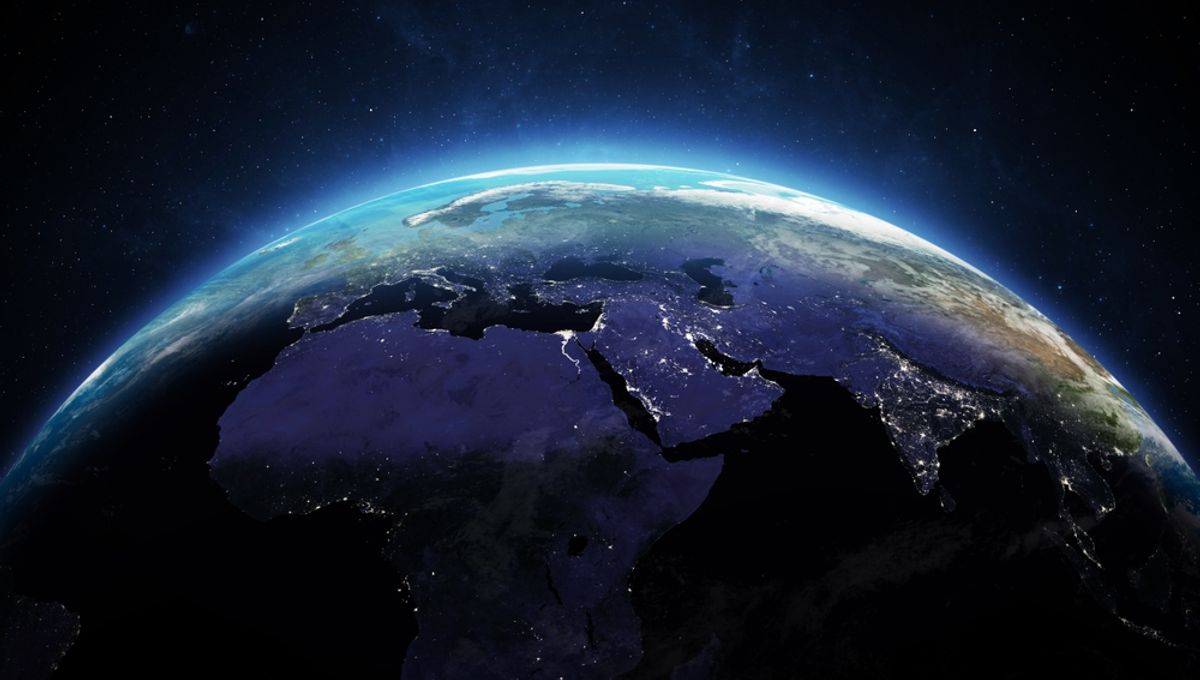
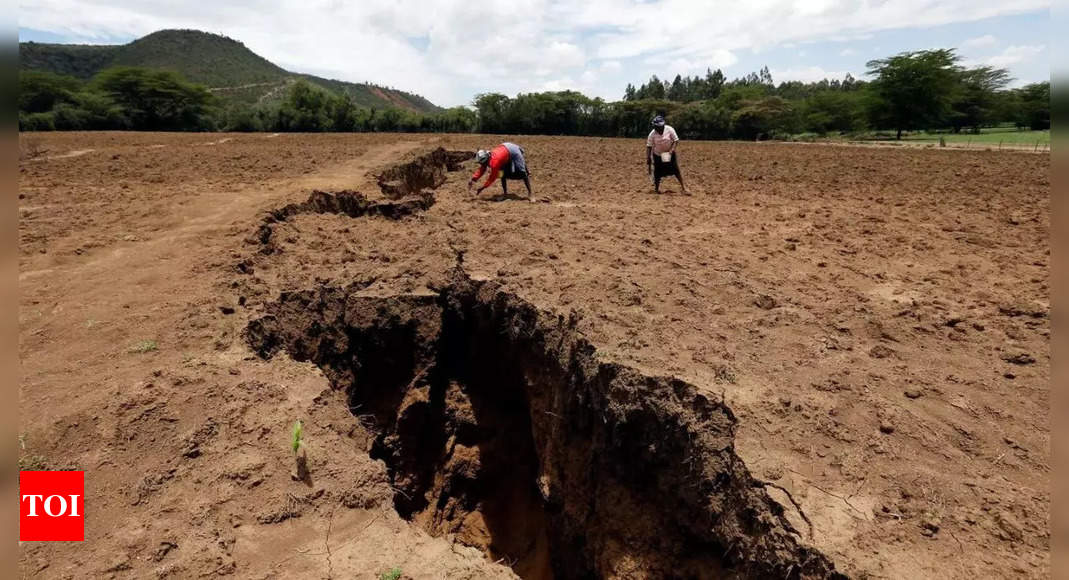
Africa is slowly splitting into two due to the East African Rift System, which could eventually lead to the formation of a new ocean and the separation of East Africa from the rest of the continent over the next 5 to 10 million years, highlighting Earth's ongoing geological evolution.
A study predicts Earth could face a catastrophic triple extinction event in about 250 million years due to geological and climatic forces, including supercontinent formation and volcanic activity, with urgent warnings about current climate change to prevent reaching such a future.
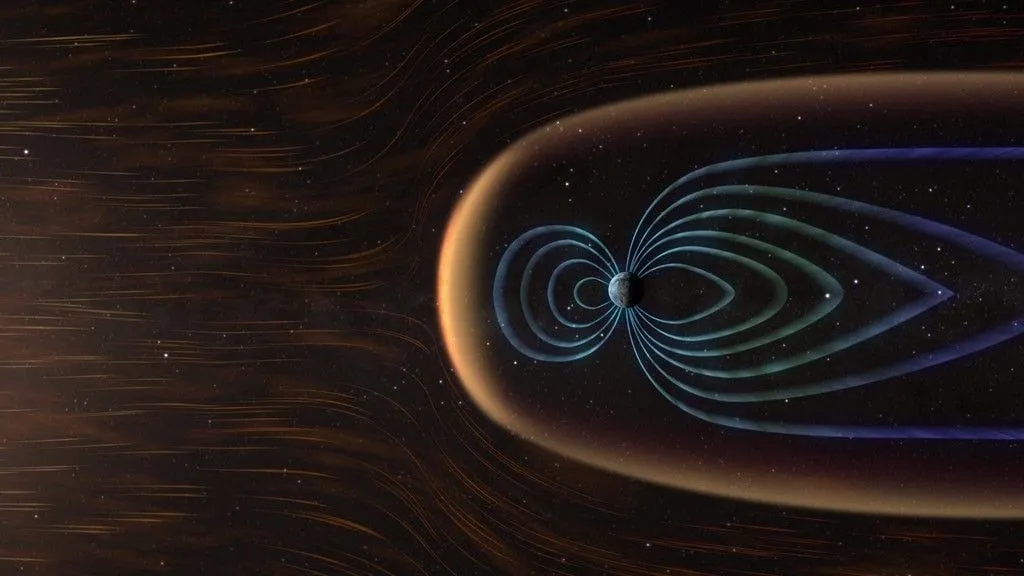
Researchers have found a strong correlation between Earth's magnetic field strength and oxygen levels since the Cambrian explosion, suggesting that core dynamics and mantle interactions may influence both, potentially affecting the evolution of life on Earth.
Scientists have discovered that precious metals like gold, previously thought to be trapped in Earth's core, are slowly leaking into the mantle and reaching the surface through volcanic activity, especially in Hawaii, challenging previous assumptions about Earth's internal isolation and offering new insights into planetary evolution.
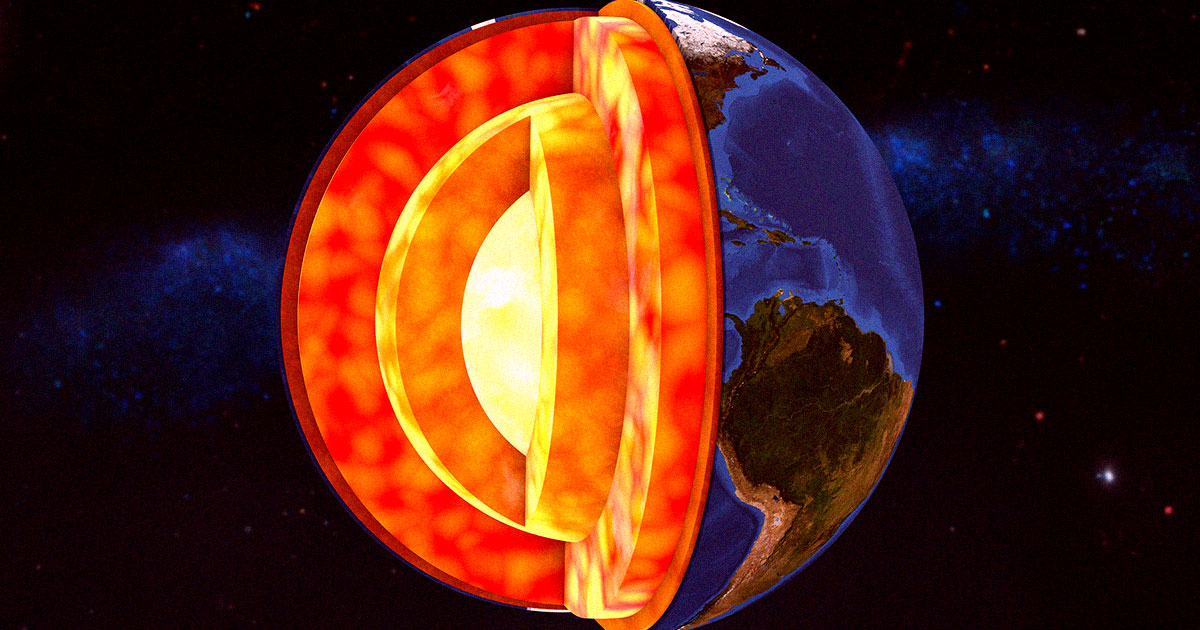
A recent study published in Nature Geoscience reveals that Earth's core may be leaking iron into the mantle, challenging the long-held belief of a stable interior. Through high-pressure experiments and geodynamic modeling, researchers found that temperature gradients could cause iron isotopes to migrate from the core to the mantle. This discovery suggests a more dynamic Earth, with implications for understanding geological processes, plate tectonics, and the planet's magnetic field. The findings highlight Earth's interior as a constantly shifting and evolving system.
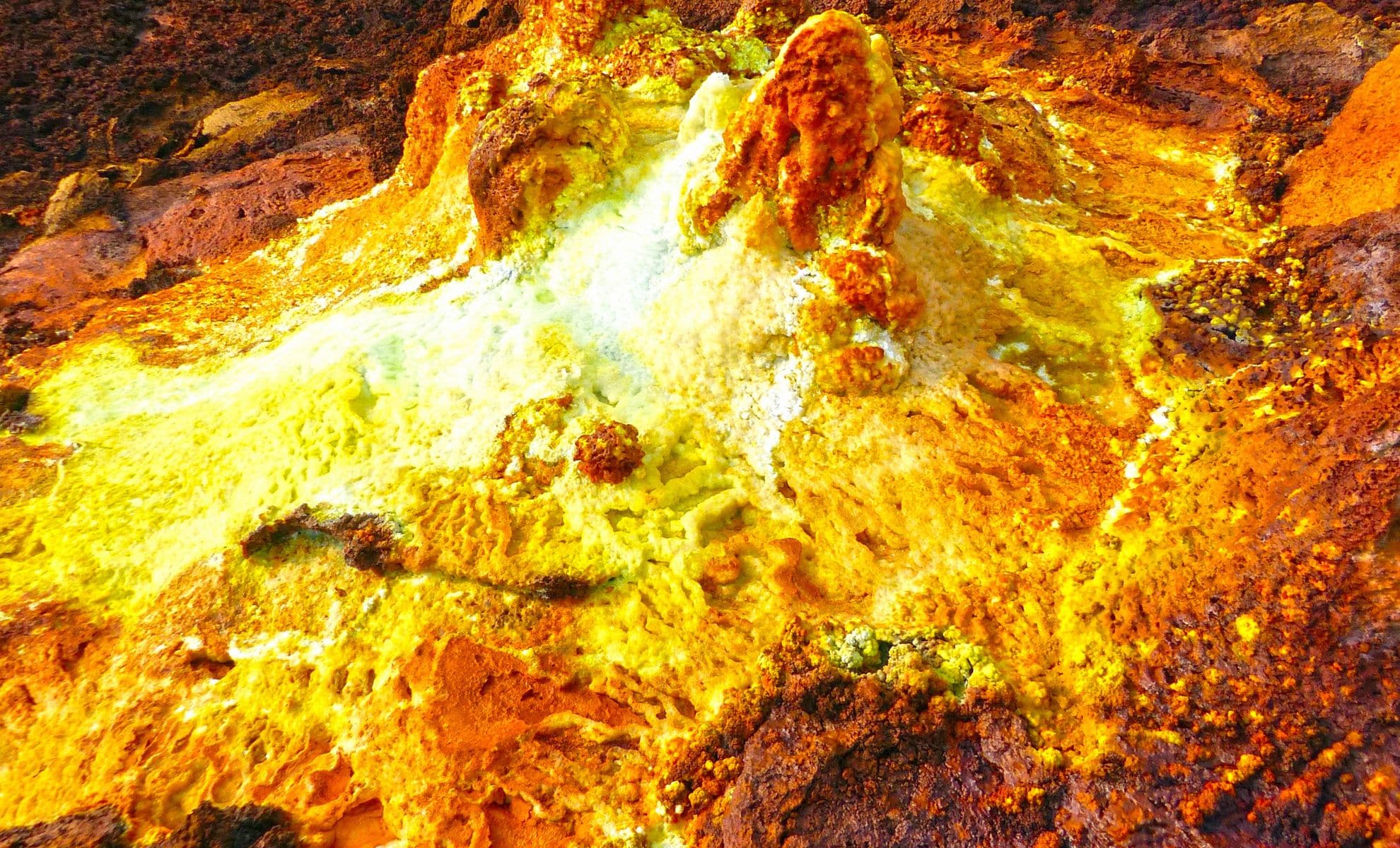
Geologists have identified a rare geological phenomenon in the Afar Triangle in Africa, where the movement of tectonic plates is gradually splitting the continent. This process, which has been ongoing for millions of years, could eventually lead to the formation of a new ocean in 5 to 10 million years. The East African Rift provides a unique opportunity for scientists to study the stages of rifting, with modern technology aiding in precise measurements of ground movement. The potential creation of a sixth ocean highlights the Earth's ever-changing nature and the importance of understanding geological processes.
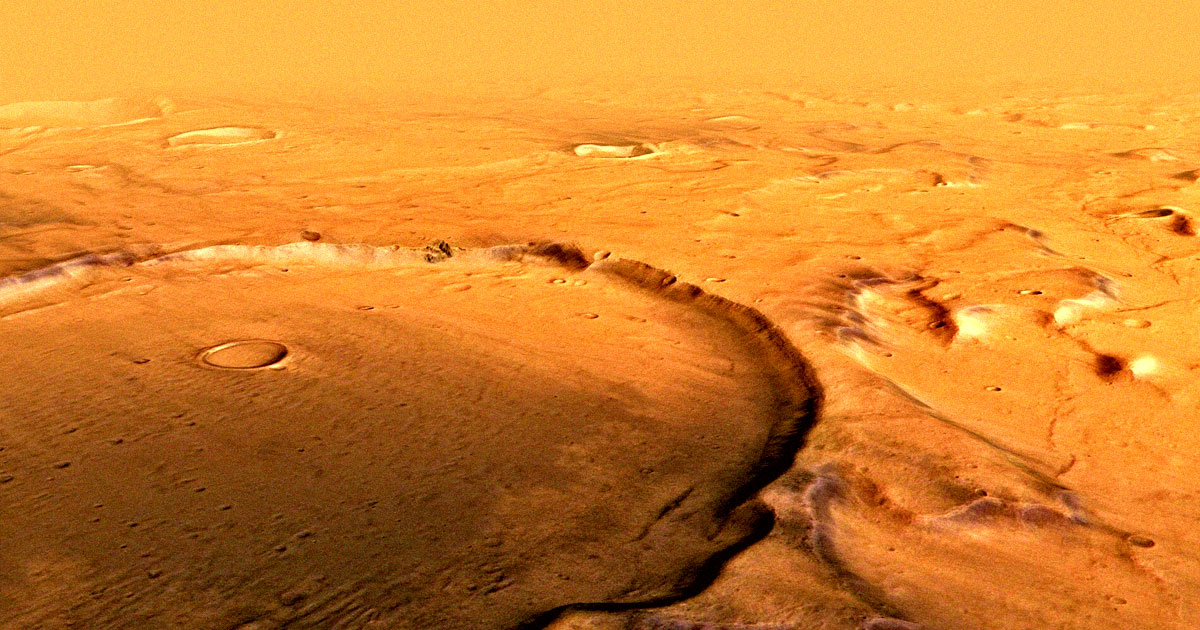
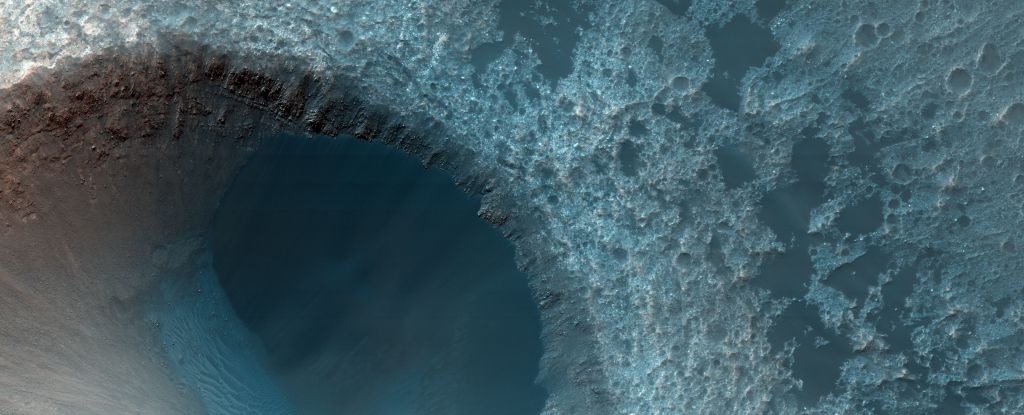
Scientists at NASA's Jet Propulsion Lab have discovered that a single meteorite impact on Mars created a 2.3 million-year-old crater called Corinto, as well as billions of secondary craters across 540,000 square miles. The collision sent up a plume of rocks, triggering a chain reaction that added even more craters to the Martian surface. This research sheds light on complex geological processes on Mars and could aid in understanding how its landscapes and composition have changed over time, crucial for future human exploration of the planet.
Scientists at NASA's Jet Propulsion Lab have discovered that a single asteroid impact on Mars created not just one, but billions of subsequent craters, with the main 2.3 million-year-old Corinto crater triggering between 1.3 and 3 billion secondary craters. This finding sheds light on the complex geological processes on Mars and could aid in understanding how its landscapes and composition have evolved over time, particularly as humans plan to send astronauts there. Additionally, recent meteorite impacts on Mars, including one detected by NASA's InSight lander, have led to intriguing discoveries, such as the detection of a massive marsquake and the revelation of underground ice.
Researchers have gained fresh insights into Earth's early evolution by studying rocks formed 3.5 billion years ago in the Singhbhum Craton, India, as well as in South Africa and Australia. The study revealed that explosive-style volcanic eruptions were common in these regions around 3.5 billion years ago, mostly occurring under oceans. Understanding these early Earth processes is crucial for piecing together the planet's evolutionary history and the conditions that may have sustained life during different geological epochs.
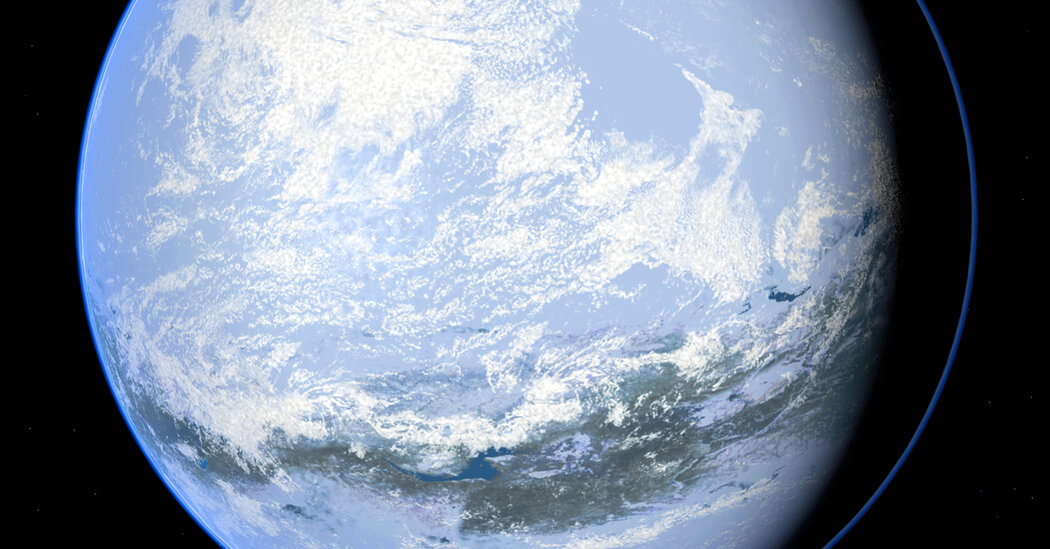
A team of researchers at the University of Sydney proposed a new theory explaining how Earth may have entered its longest ice age, known as Snowball Earth, around 717 million years ago. They suggest that a global drop in carbon dioxide emissions, caused by fewer volcanoes expelling the gas into the atmosphere, could have led to the planet's glaciation. This theory sheds light on the influence of geological processes on Earth's past climate and may provide insights into current climate trends.
Scientists have discovered that many Martian rocks that have landed on Earth are surprisingly young, contradicting the belief that most of the Martian surface is old. Different dating techniques have yielded conflicting results, making it difficult to accurately determine the age of these rocks. However, a team of researchers has developed a method to correct for contamination and found that the rocks are indeed relatively young, ranging from 161 million to 540 million years old. This suggests that frequent impacts on Mars have exposed and ejected younger rocks that have been replenished by volcanic activity. The findings provide insights into the geological processes and history of Mars.
The most intense marsquake ever recorded, known as S1222a, was initially assumed to be caused by a meteoroid impact, but no evidence of a fresh crater was found. An international team of researchers led by planetary geophysicist Benjamin Fernando concluded that the marsquake was likely caused by subsurface tectonic forces, as there were no visible craters or blast zones. The team suggests that the Martian crust undergoing immense stress from cooling and shrinking over billions of years may be responsible for the seismic activity. Further research is needed to understand the geological processes occurring beneath the surface of Mars.
Scientists have discovered that helium isotopes found in lava fields in Canada and Iceland suggest a slow leak from the Earth's core, indicating the existence of larger, undiscovered reserves. This finding provides valuable insights into the early formation of our planet and offers an opportunity to study the Earth's inaccessible core, which is buried under thousands of miles of rock and liquid metal. The presence of other noble gases supports the theory that these gases originated from the Earth's core, shedding light on the processes and conditions during the Earth's formation.
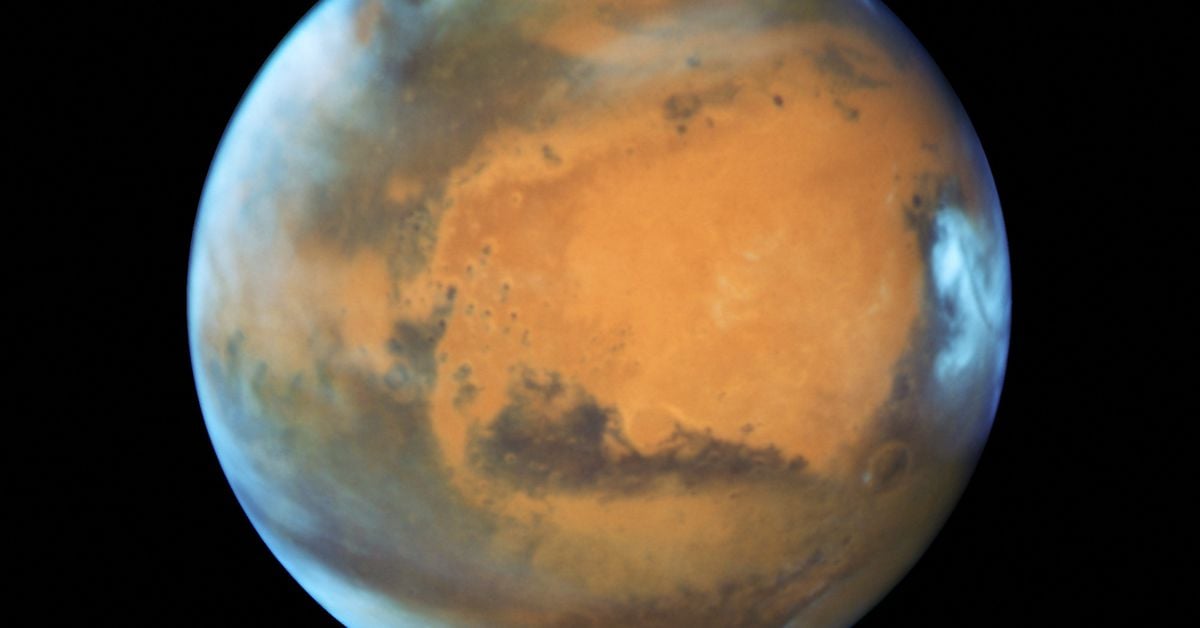
Scientists were surprised to discover that the largest quake ever detected on Mars, with a magnitude of 4.7, was not caused by a meteorite impact as initially suspected, but rather by tectonic activity within the planet's interior. This finding, based on data collected by NASA's InSight lander, provides valuable insights into the geological processes and seismic activity on Mars, which is crucial for future human missions to the planet. The absence of an impact crater challenges previous assumptions about Mars' seismic activity and highlights the ongoing motion and shrinking of the planet's crust.
Scientists have discovered that pink diamonds, known for their extreme rarity and high value, may have formed when an ancient supercontinent called Nuna broke up billions of years ago. Using narrow laser beams and mass spectrometry, researchers determined that pink diamonds from the Argyle diamond deposit in Western Australia are approximately 1.3 billion years old, 100 million years older than previously estimated. The study suggests that the movement of colliding crusts during the breakup of Nuna caused these rare diamonds to rise to the surface. The findings also indicate the possibility of undiscovered pink diamond deposits buried under layers of rock and sediment.