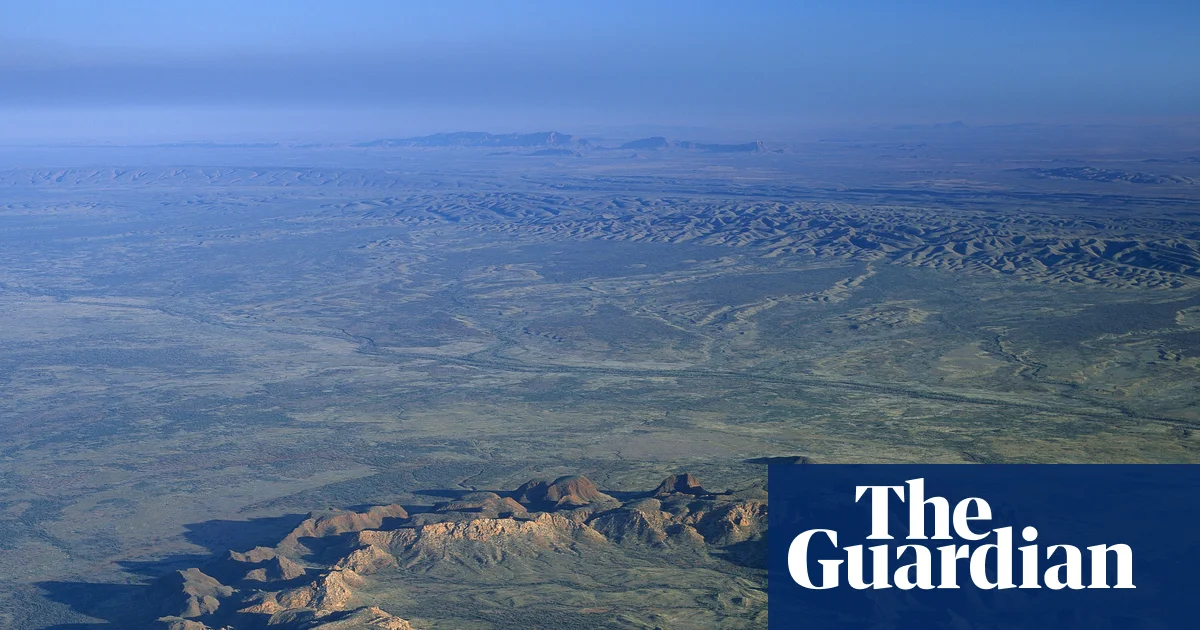
The article explores central Australia's cosmic craters, Henbury and Tnorala, formed by meteor impacts, highlighting their geological significance, cultural meanings, and the stunning desert scenery, encouraging visitors to experience this natural and cultural wonderland instead of space travel to Mars.
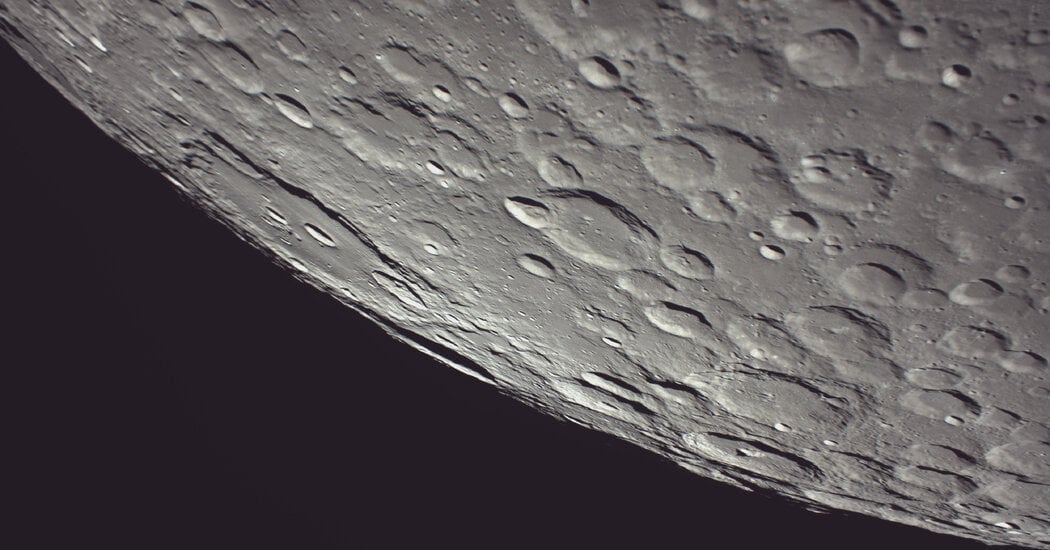
The article discusses a photograph of the moon's south pole taken by the Japanese company Ispace's robotic lander, highlighting how different viewers perceive the lunar surface as either craters or bumps, emphasizing the moon's pockmarked surface with craters.
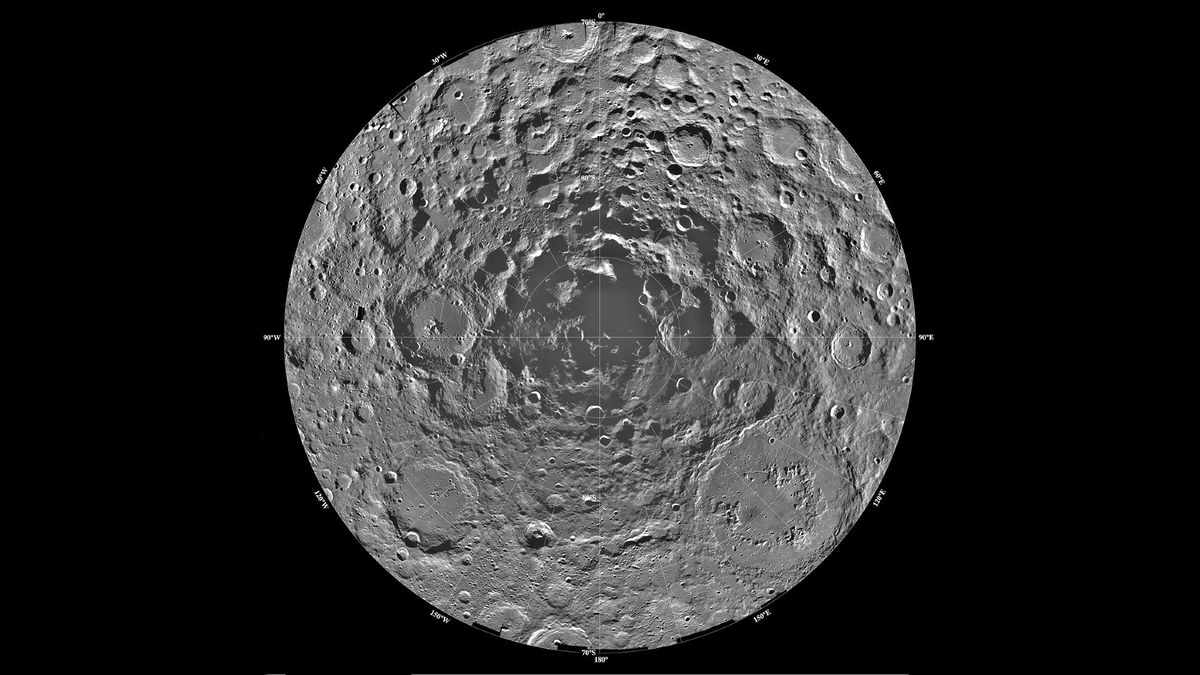
New research suggests the moon's South Pole-Aitken basin, previously thought to be oval, is actually round, indicating a deeper impact. This finding, based on data from NASA's Lunar Reconnaissance Orbiter, could provide insights into the moon's early history and has implications for NASA's upcoming Artemis missions. The circular shape implies more evenly distributed debris, potentially allowing astronauts to study deep lunar materials. This discovery challenges previous assumptions about the basin's formation and could aid future lunar exploration.
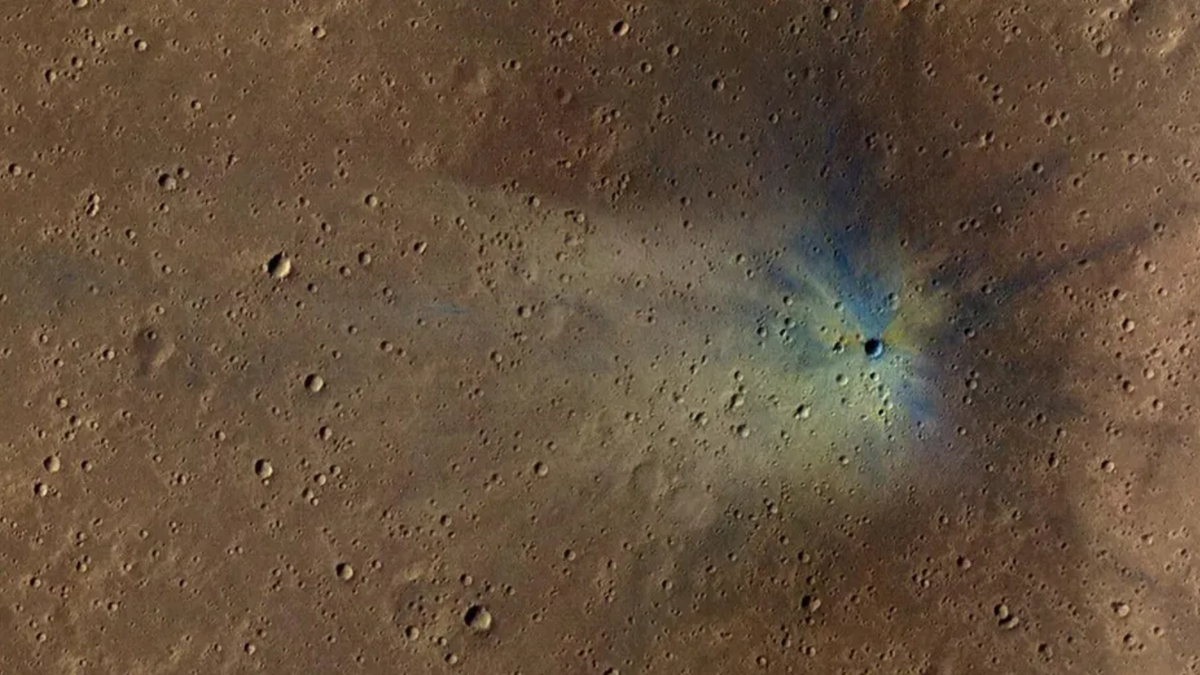
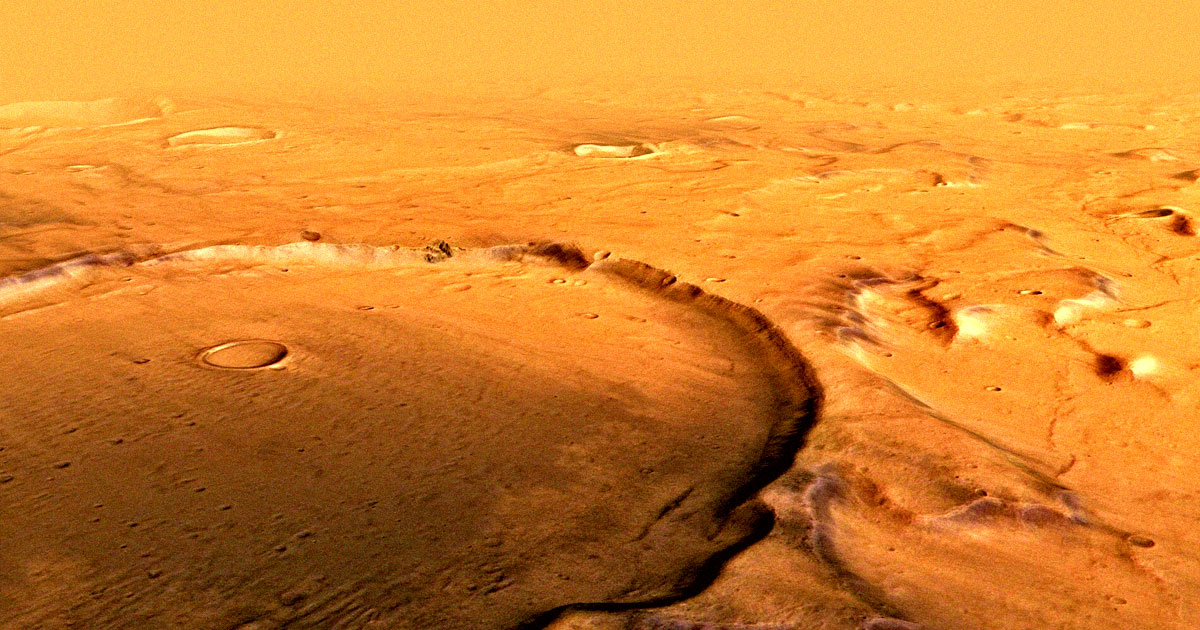
A giant asteroid impact on Mars 2.3 million years ago created a massive crater called Corinto and around two billion smaller individual craters across a 1,000-mile region. The impact, one of the biggest seen on Mars, left behind a vast field of destruction, with secondary craters ranging in size and shape. Data from NASA's Mars Reconnaissance Orbiter was used to study the impact and its aftermath, revealing insights into the composition of the ejected material and the potential presence of water or ice at the impact site.
Scientists at NASA's Jet Propulsion Lab have discovered that a single meteorite impact on Mars created a 2.3 million-year-old crater called Corinto, as well as billions of secondary craters across 540,000 square miles. The collision sent up a plume of rocks, triggering a chain reaction that added even more craters to the Martian surface. This research sheds light on complex geological processes on Mars and could aid in understanding how its landscapes and composition have changed over time, crucial for future human exploration of the planet.
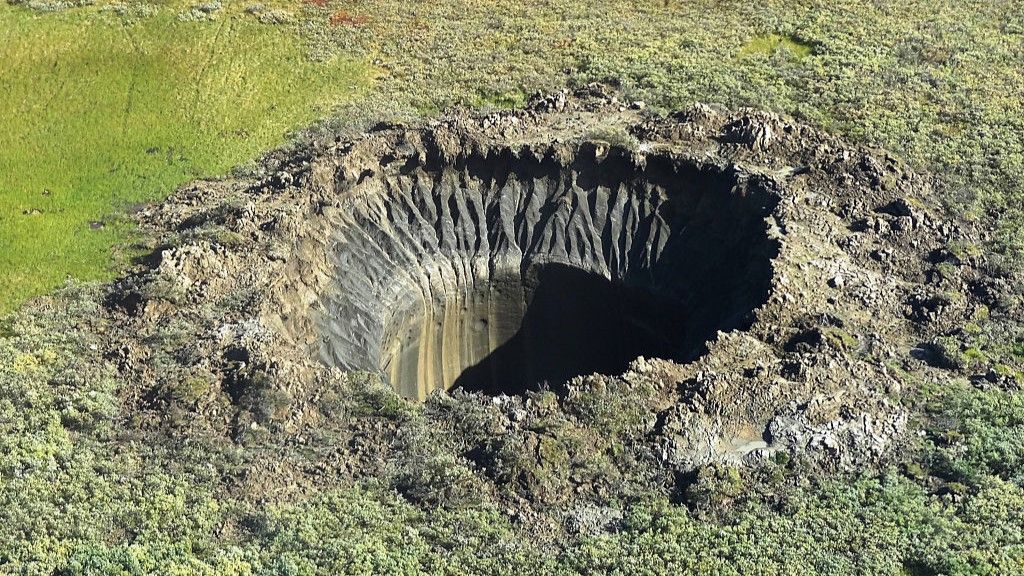
Scientists may have finally solved the mystery of the giant exploding craters in Siberia's permafrost, proposing a new theory that suggests the craters formed due to a "champagne effect" caused by the pressure from natural gas reserves trapped in the permafrost. This phenomenon, unique to Russia's northern Yamal and Gydan peninsulas, could be triggered by the melting of permafrost due to climate change, potentially releasing vast amounts of greenhouse gases and contributing to a climate feedback loop. The researchers estimate that 1,900 billion tons of greenhouse gases are stored in the Arctic permafrost, raising concerns about growing emissions from thawing permafrost.
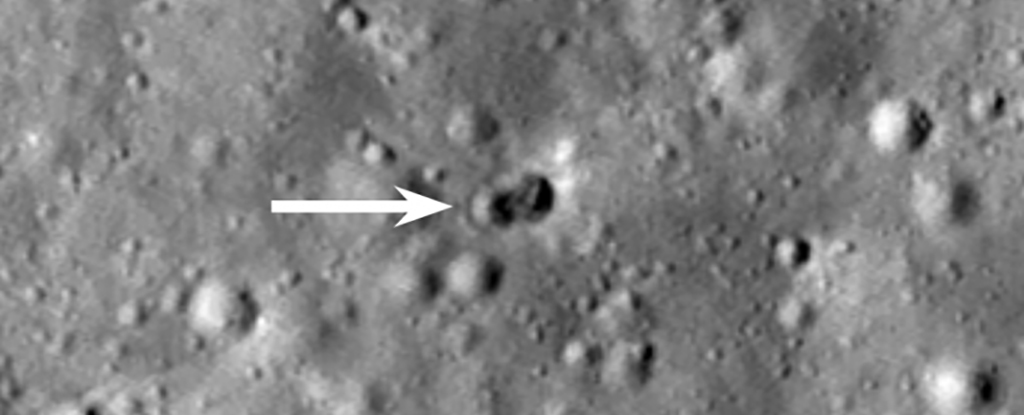
Researchers from the University of Arizona have identified the object responsible for creating double craters on the Moon's far side as the Long March 3C rocket body from China's 2014 Chang'e 5-T1 mission. The additional payload on the rocket, undisclosed by the China National Space Administration (CNSA), is believed to have caused the double crater phenomenon. The researchers tracked the rocket's path and analyzed its movement and changes in reflected light to determine its identity. The incident highlights the growing problem of space junk and the need for careful tracking of objects in space.
NASA's Curiosity Rover has successfully navigated a challenging 23-degree slope on its journey up Mount Sharp on Mars. The rover encountered wheel-sized rocks and slippery sand pits, but managed to overcome these obstacles with the help of its controllers at NASA's Jet Propulsion Laboratory. The rover reached the Jau region, a pit stop on its ascent, which is filled with dozens of small craters. Scientists are studying these craters to gain insights into Mars' past environment and the possibility of ancient life. Mount Sharp, the central peak of an impact crater, is composed of layers of sedimentary rock that were deposited billions of years ago, and researchers are eager to explore the potential for past habitability.
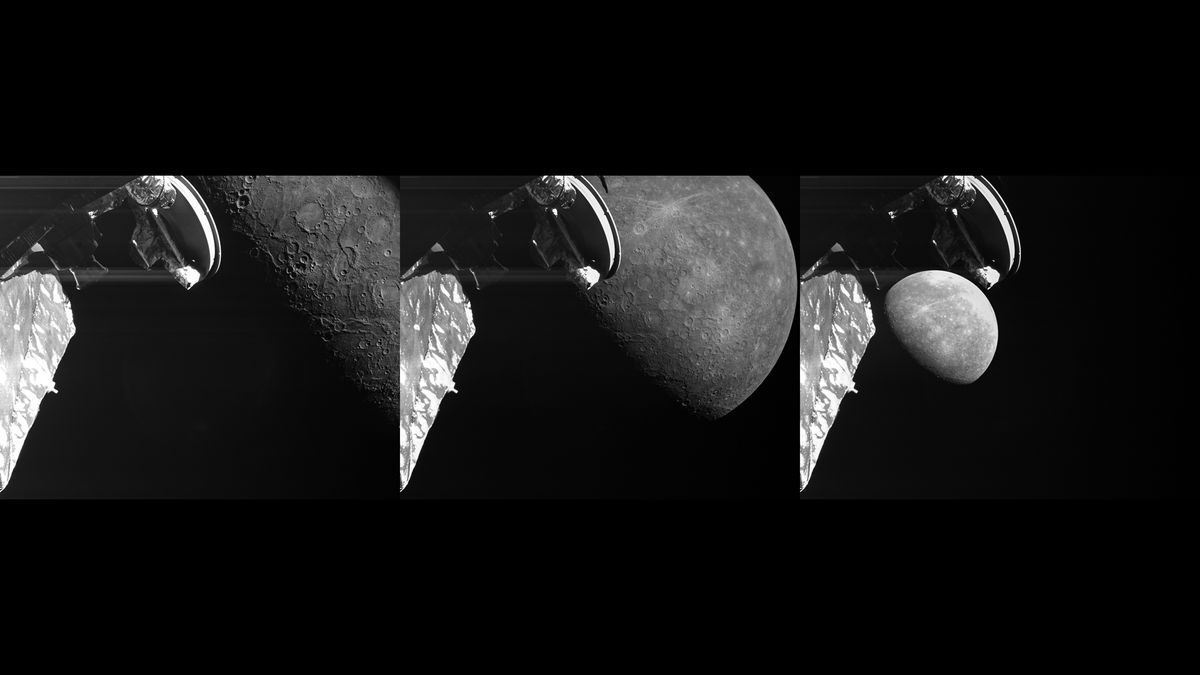
The European Space Agency's BepiColombo probe made its third close flyby of Mercury, capturing images of the planet's surface riddled with craters, ancient volcanic ridges, and lava flows. The images also revealed a variety of ancient impact basins flooded with volcanic lavas during the first billion years of the planet's life. The spacecraft unfortunately couldn't take images during its closest approach, as it arrived at the planet from the night side. The BepiColombo mission comprises two orbiters that cruise through space stacked on top of each other, which means that some of the probes' instruments are hidden at the moment.