A study predicts Earth could face a catastrophic triple extinction event in about 250 million years due to geological and climatic forces, including supercontinent formation and volcanic activity, with urgent warnings about current climate change to prevent reaching such a future.
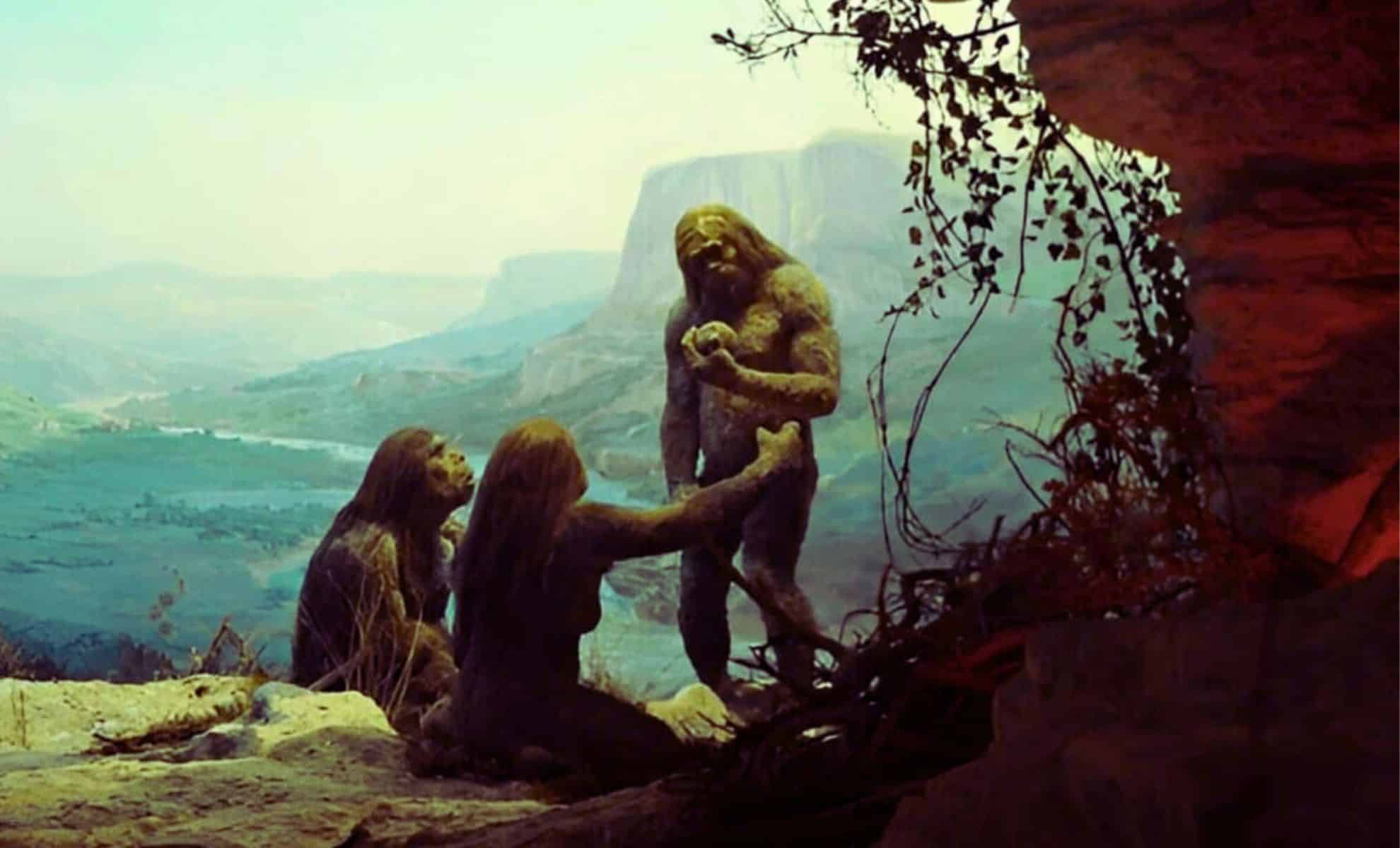
Approximately one million years ago, human ancestors faced a near-extinction, surviving a genetic bottleneck that reduced the population to about 1,280 individuals, likely driven by climate change. This event significantly impacted human evolution, including the fusion of two chromosomes into human chromosome 2, which distinguished humans from other primates. Following environmental improvements and technological advances, humans gradually recovered and expanded globally, demonstrating resilience through adversity.
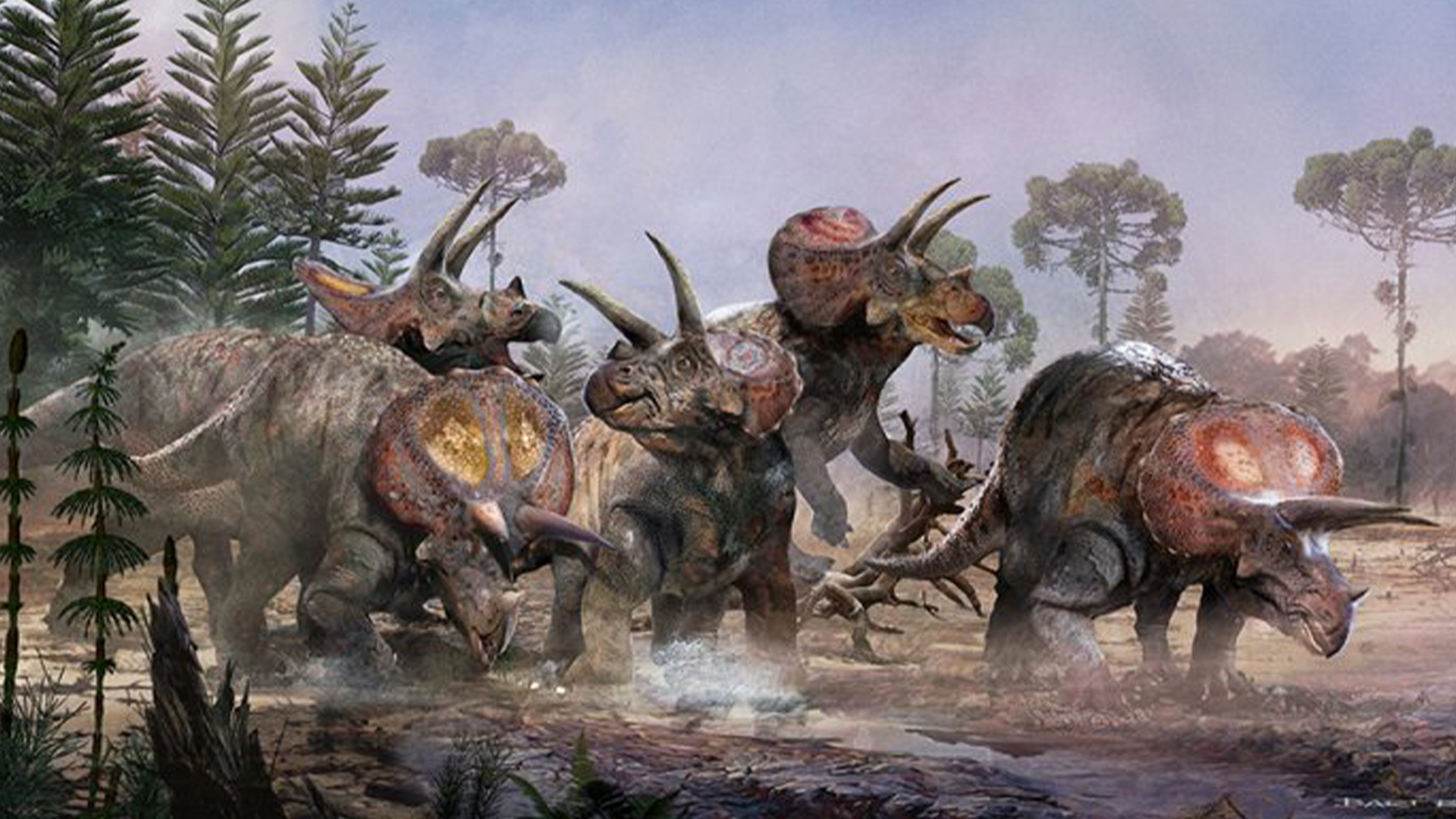
Scientists investigating a Triceratops grave in Wyoming have discovered a mysterious grave of five giant triceratops buried in the same spot, shedding light on their social behavior and living habits. The discovery has raised questions about the sociability of these dinosaurs and has led to new research on their group dynamics. Additionally, the article briefly discusses the theories surrounding the mass extinction event that wiped out the dinosaurs, including the impact of a massive comet or asteroid and the potential role of climate changes.
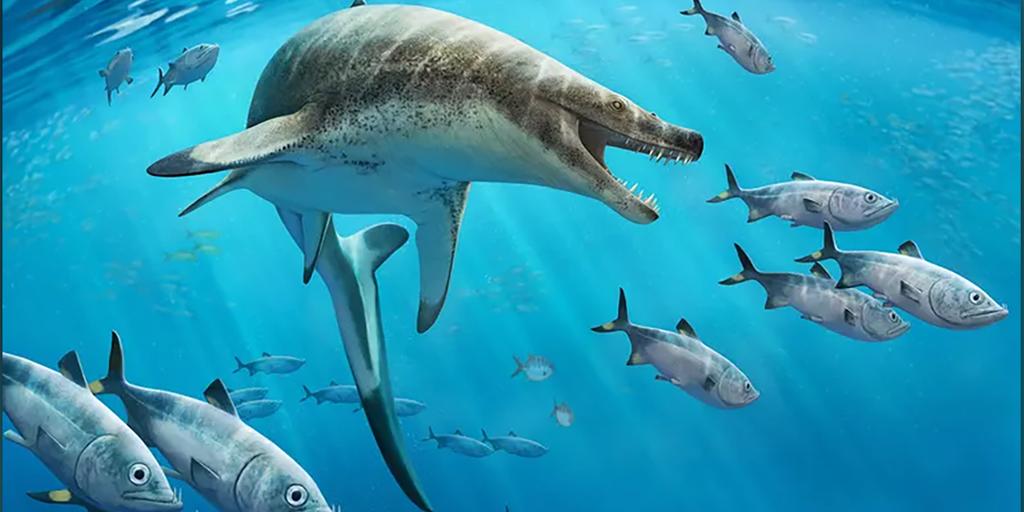
The fossil of a 26-foot-long prehistoric sea reptile, Khinjaria acuta, with "dagger-like" teeth has been discovered in Morocco, shedding light on the diverse top predators that inhabited the oceans 66 million years ago. Belonging to the mosasaur family, this giant reptile coexisted with dinosaurs and was wiped out by an asteroid impact that led to a mass extinction event, paving the way for the rise of modern marine species.
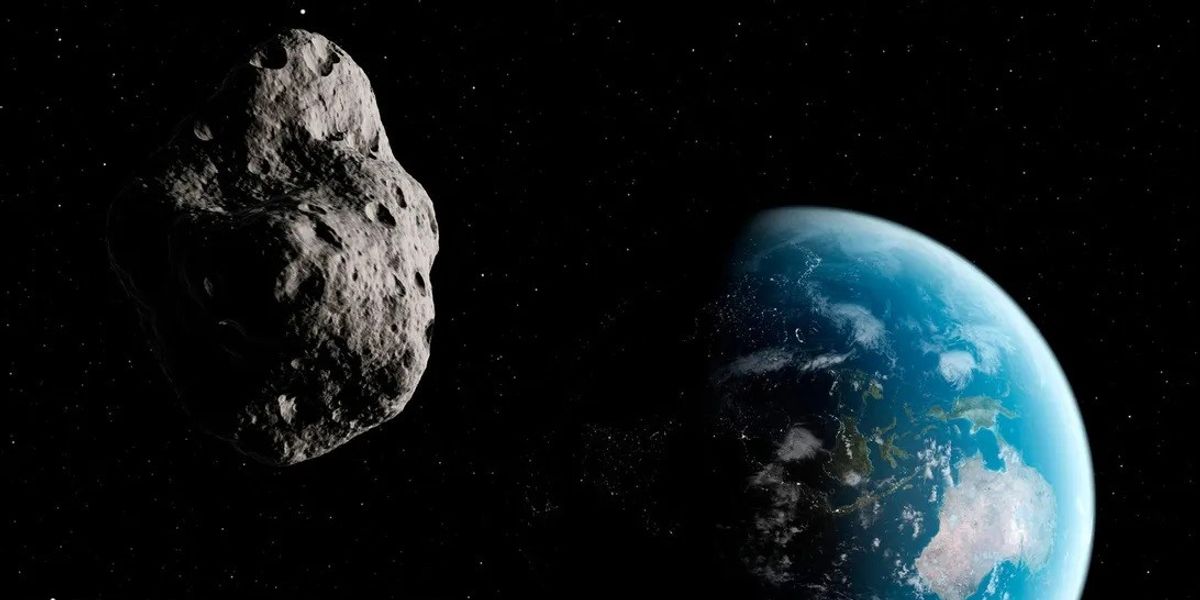
NASA's Planetary Defense Coordination Office is tasked with identifying and tracking potentially hazardous asteroids, with a focus on those that could cause an extinction event. In the event of an imminent doomsday impact, a global coalition of astronomers would be warned, and if necessary, the White House or the United Nations Office of Outer Space Affairs would be involved. NASA has tested deflection methods, including diverting a space rock with a spacecraft and using a "gravity tractor" technique, to prevent a catastrophic collision. The agency aims to prevent a mass extinction event by identifying threats well in advance and developing effective deflection techniques.
A recent study published in the Proceedings of the National Academy of Sciences suggests that magic mushrooms, specifically the Psilocybe genus, emerged around 65 million years ago, coinciding with the extinction of dinosaurs caused by a meteor impact. Despite being illegal under federal law, psilocybin therapy has gained approval in Oregon and Colorado, offering potential psychological benefits. Scientists have been conducting genomic diversity studies on these fungi and aim to sequence the genomic sequence for each Psilocybe specimen by 2020.
NASA has warned that a "lost asteroid" named 2007 FT3, which was first spotted in 2007 but lost soon after, has a slim chance of striking Earth in 2024 or 2030. The probability of impact is estimated to be 1 in 10 million or 1 in 11.5 million, respectively. If it were to hit, the asteroid could cause regional destruction but not a global catastrophe like the extinction of the dinosaurs. NASA tracks over 32,000 known near-Earth asteroids and considers 29075 (1950 DA) as the second riskiest, with a 1 in 34,500 chance of hitting Earth in 2880, posing a threat to humanity's existence.
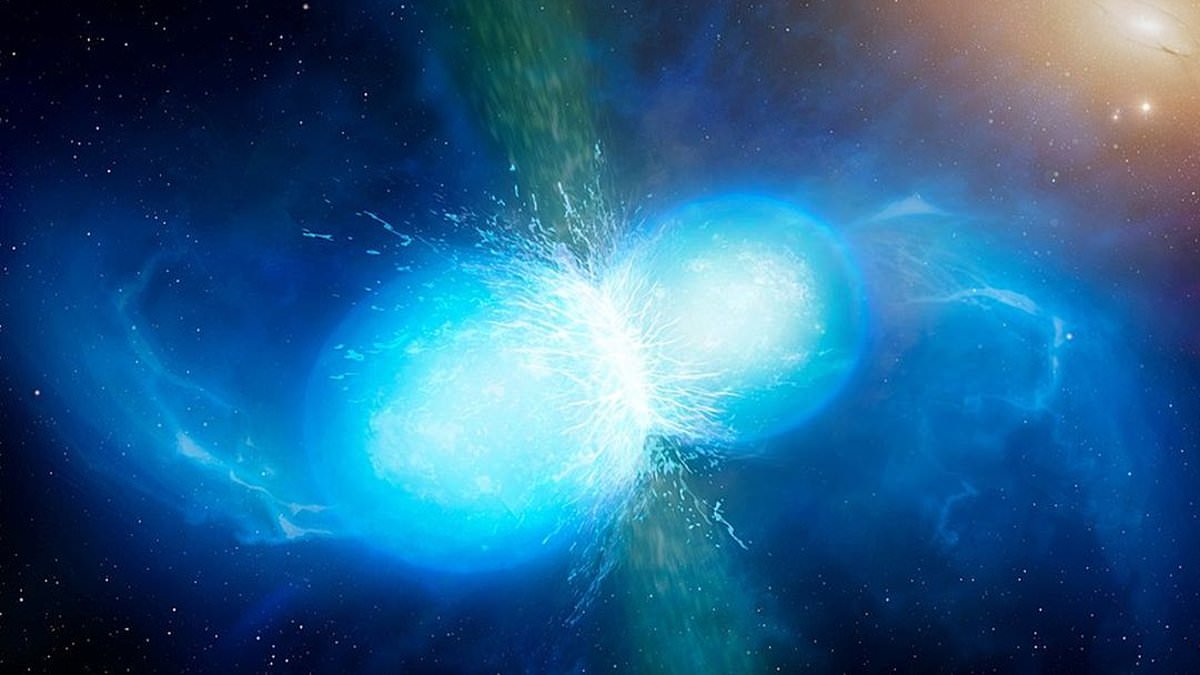
Scientists have warned that a rare type of space explosion known as a kilonova, which occurs when two neutron stars or a neutron star and a black hole collide and merge, could potentially eradicate life on Earth for thousands of years. The explosion would release gamma rays that could strip electrons from atoms, destroy the ozone layer, and expose the planet to lethal doses of ultraviolet radiation. However, the chances of such an event occurring within a dangerous distance of Earth are very low. Researchers are still studying kilonovas due to their rarity and rapidity.
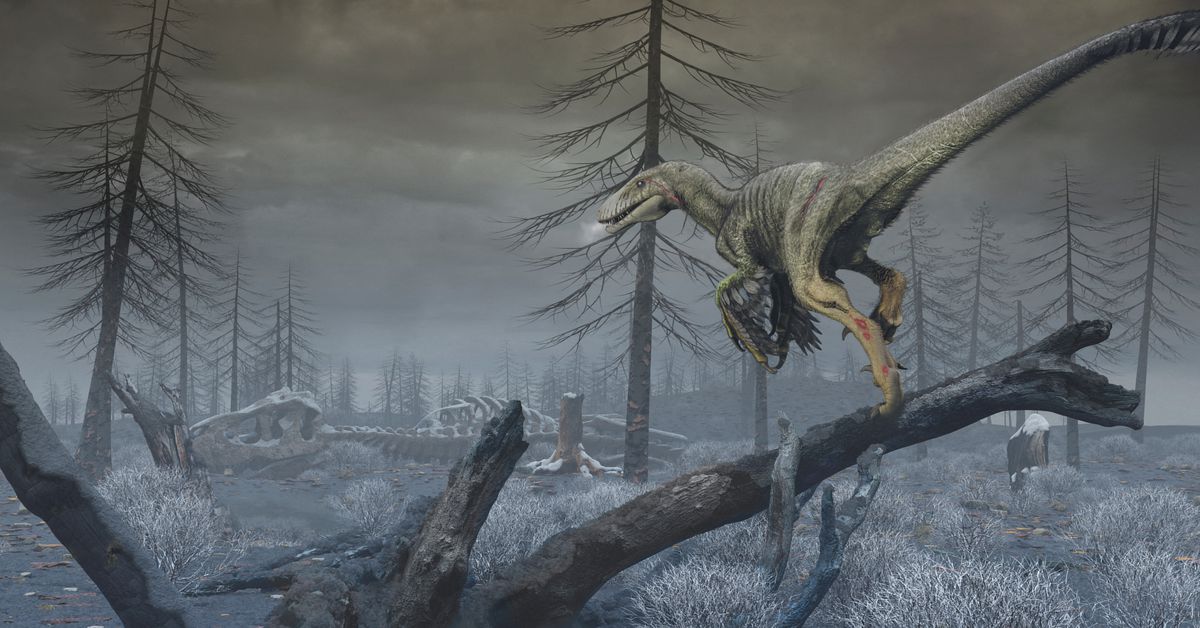
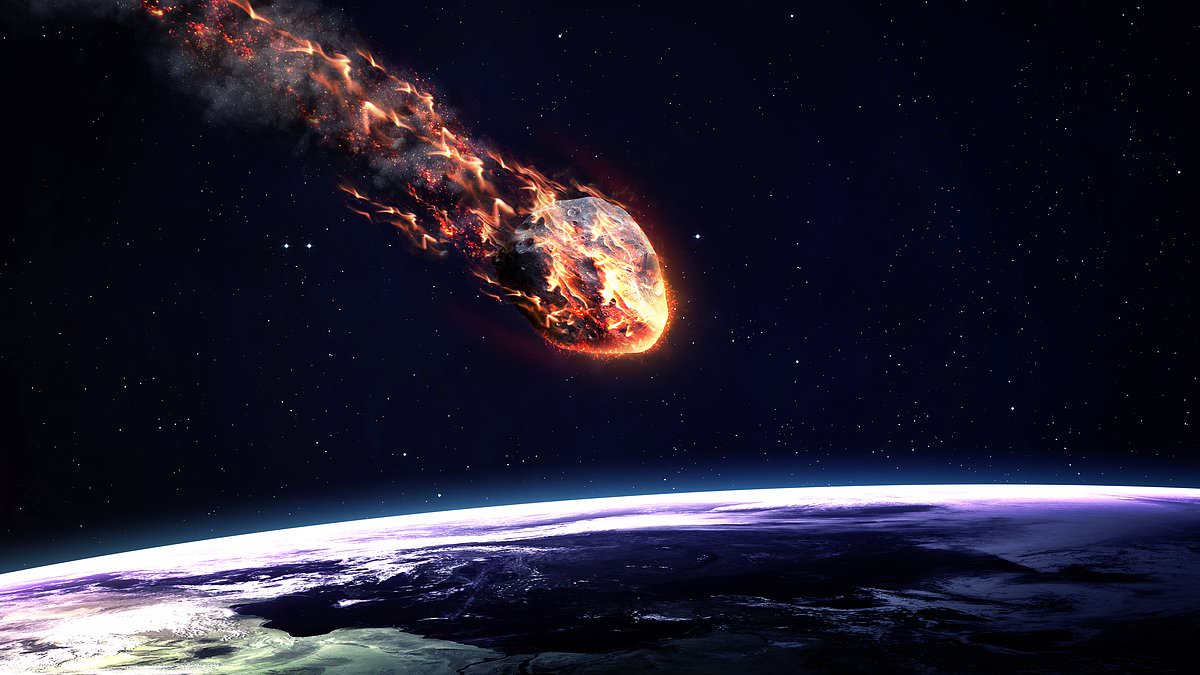
Researchers have revealed that the dust fallout from the asteroid impact that wiped out the dinosaurs 66 million years ago played a potent role in driving extinctions. The dust, which blocked photosynthesis for up to two years and remained in the atmosphere for 15 years, was calculated to weigh about 2,000 gigatonnes, exceeding 11 times the weight of Mt. Everest. This study indicates that dust played a larger role than previously known, surpassing the impact of sulfur and soot. The dust, formed from pulverized rock, caused an "impact winter" with plummeting temperatures and collapsing primary productivity, leading to a chain reaction of extinctions. The recovery from the impact winter took about 20 years, and without the asteroid impact, dinosaurs might still dominate the Earth today.
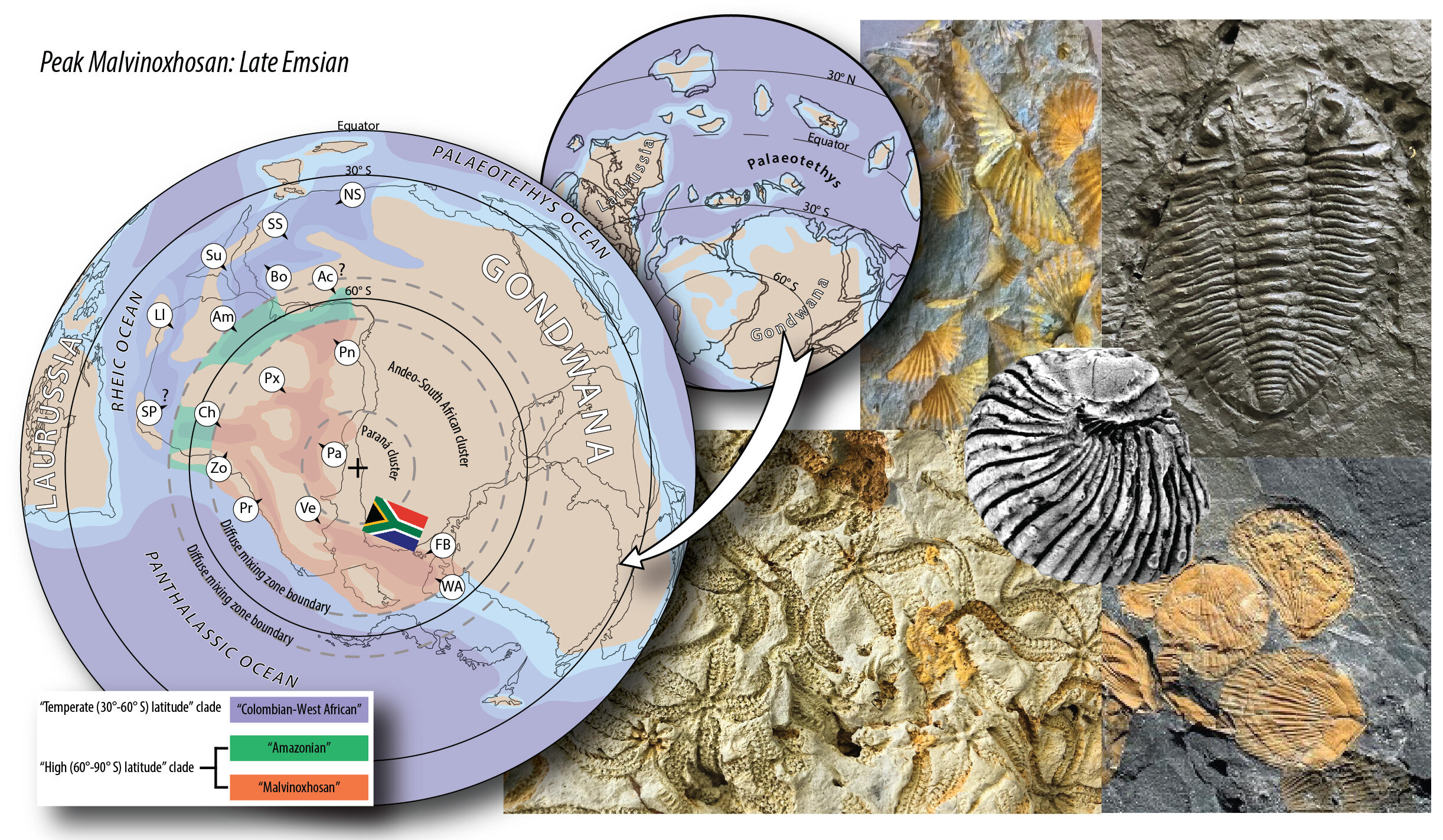
A new study published in Earth-Science Reviews reveals how sea-levels and climate change during the Early-Middle Devonian period, around 390-385 million years ago, altered marine ecosystems at the South Pole. The research suggests that the decline and eventual disappearance of the specialized, cool-water Malvinoxhosan marine animals was caused by shifts in sea levels and the warming climate, which allowed warm-water species to take over. This extinction event led to a collapse in polar ecosystems, with biodiversity never recovering. The findings highlight the sensitivity of polar environments to changes in sea level and temperature and have implications for understanding the current biodiversity crisis.
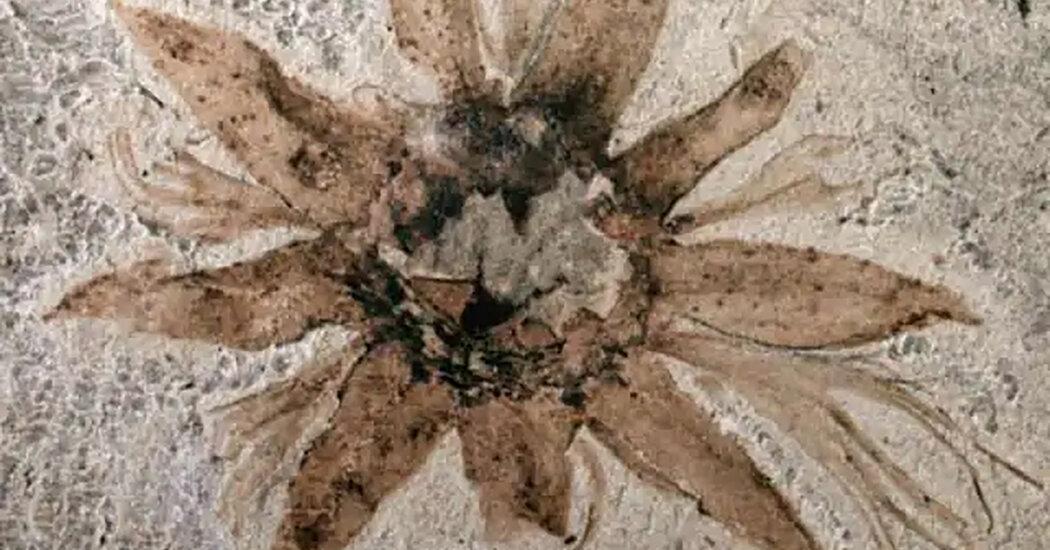
A new study published in the journal Biology Letters reveals that flowering plants, also known as angiosperms, survived the catastrophic Cretaceous-Paleogene (K-Pg) mass extinction event 66 million years ago relatively unscathed compared to other species. While dinosaurs and many other living things perished, flowering plants thrived and eventually became the dominant form of plant life on Earth. The researchers suggest that the adaptability and reproductive flexibility of angiosperms, along with their vast diversity, played a role in their survival. This event led to the rise of modern ecosystems, with mammals and flowering plants becoming the dominant species.
Scientists have proposed the existence of a massive impact crater, named the Deniliquin structure, buried deep in southeast Australia, which they estimate to be around 520 kilometers in size. If confirmed, it would be the largest impact crater on Earth since the Late Heavy Bombardment and could have caused one of the five mass extinction events. Geophysical data and magnetic evidence suggest the presence of a dome-shaped structure with radial faults and magnetic irregularities. Further research and sample collection from the core of the impact crater are needed to determine its age and potential link to a catastrophic event in Earth's history.
Experts believe that the largest meteor crater on Earth, spanning up to 520km in diameter, is hidden deep beneath the town of Deniliquin in New South Wales, Australia. This crater, believed to be caused by a meteor twice as powerful as the one that wiped out the dinosaurs, is linked to the Late Ordovician extinction event that occurred between 445.2 and 443.8 million years ago. The crater has yet to be tested by drilling, but its existence is supported by geophysical data and magnetic patterns. Further research and drilling are needed to determine the exact age and gather physical evidence of the impact.