Tag

Earths Future

All articles tagged with #earths future

science6 months ago

Team Fiery Sun Death vs. Team Lifeless Husk: Which Are You?

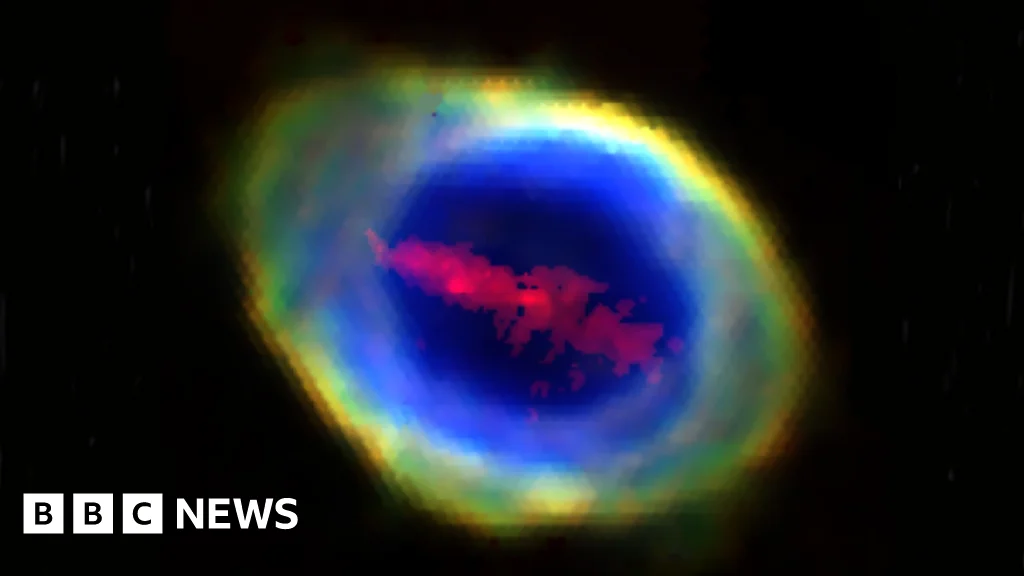
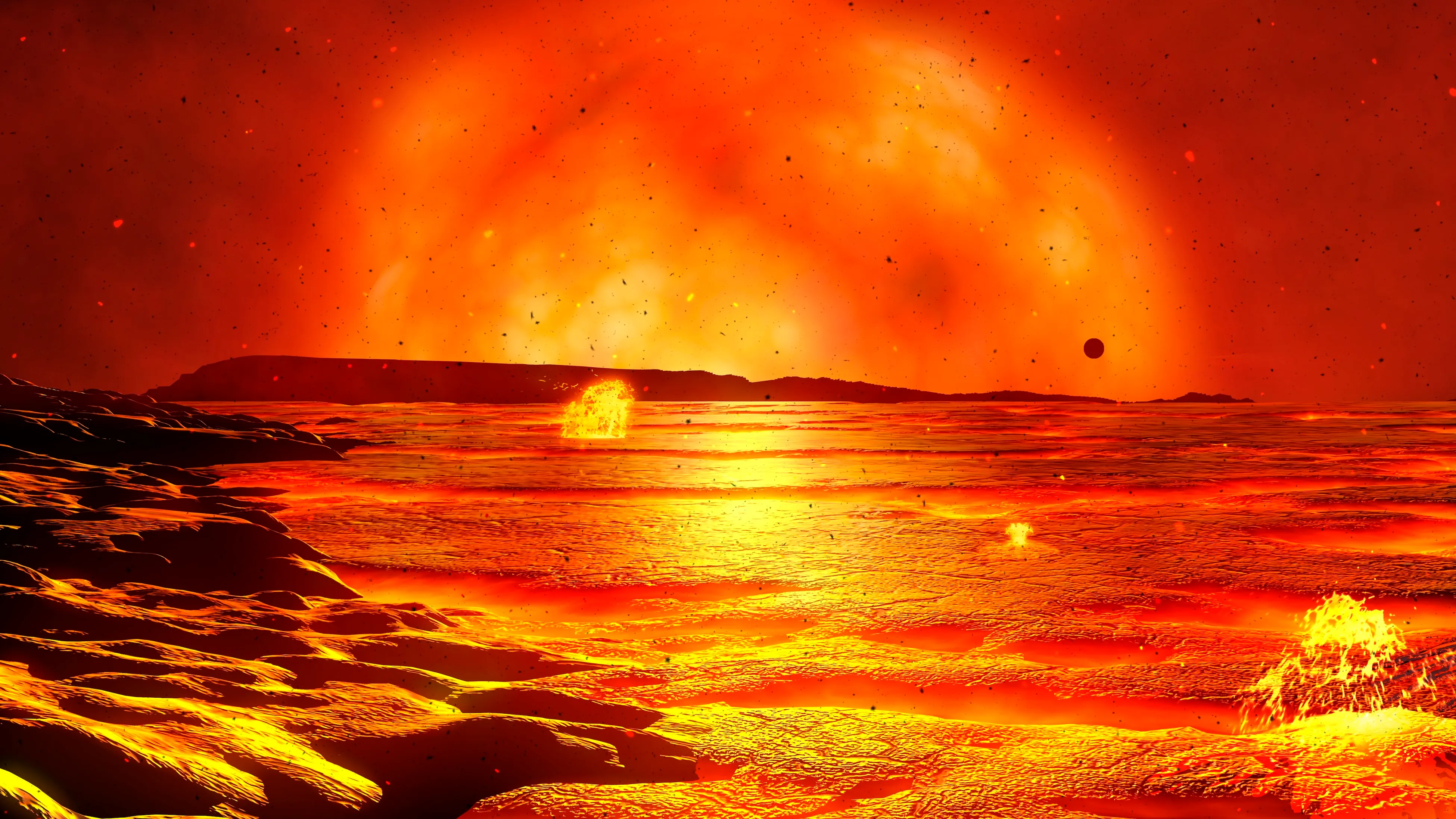
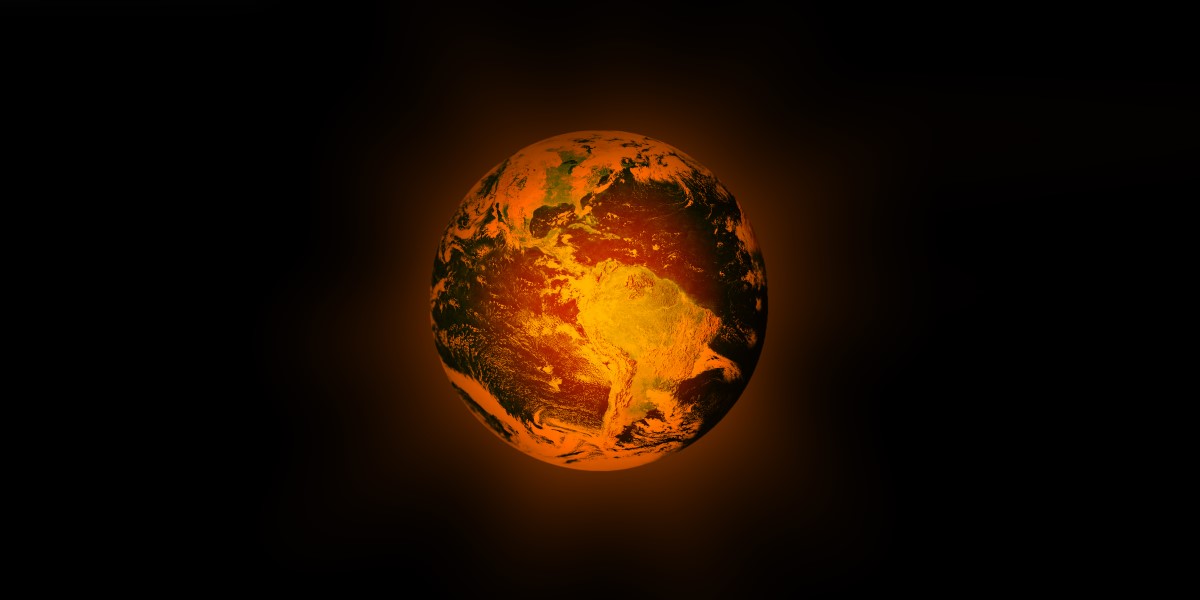
The article explores the scientific and mythological perspectives on Earth's ultimate fate, discussing the potential for Earth to be engulfed by the expanding Sun or to survive as a lifeless husk, and how cultural stories reflect our understanding and fears of cosmic end scenarios. It also considers the possibility of rebirth or renewal in the universe's long-term evolution.

science1 year ago

Discovery of Earth-Like Planet Offers Hope for Humanity's Future

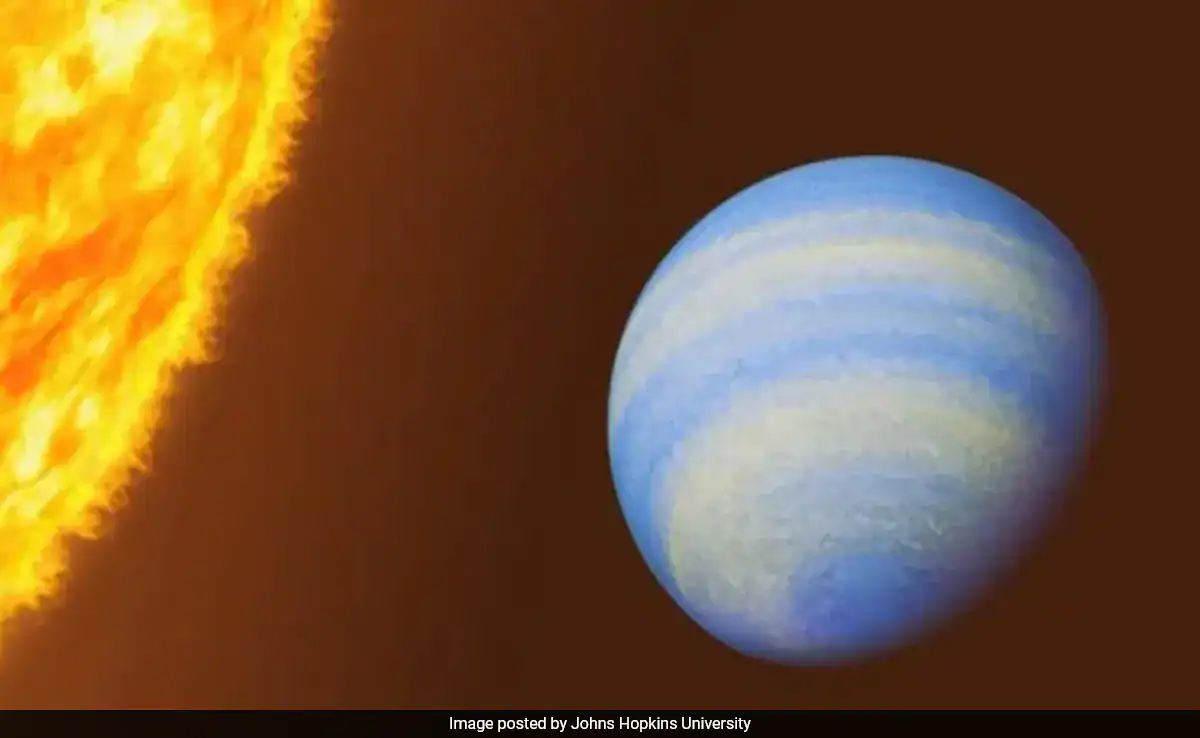
Astronomers have discovered an Earth-like planet orbiting a white dwarf star 4,000 light years away, offering potential insights into Earth's future as the sun becomes a red giant. This finding suggests that Earth might avoid being consumed by the expanding sun, allowing for possible human migration to outer solar system moons like Europa or Enceladus. The study, published in Nature Astronomy, highlights the shifting habitable zone as the sun evolves, raising questions about Earth's long-term habitability and the potential for life on other celestial bodies.

science2 years ago

"Unveiling the Terrifying Reality: Earth's Future Hangs on a Thin Line Between Habitability and Hell"

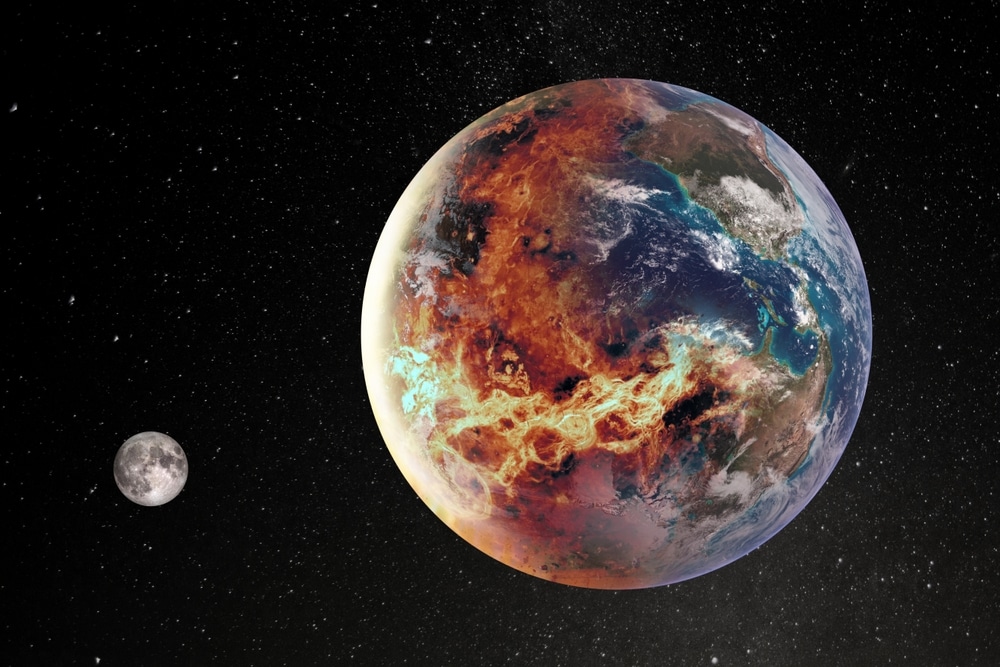
Scientists have simulated a "runaway greenhouse effect" on Earth, warning that our planet could become an "uninhabitable hell" similar to Venus within a couple of hundred years or even sooner. The runaway greenhouse effect is a dramatic rise in global temperatures caused by a hot and water-vapour-rich atmosphere that limits the emission of thermal radiation to space, preventing the planet from cooling and having liquid water on its surface. The study highlights the role of water vapor as a natural greenhouse gas and warns that a small increase in solar radiation could trigger an irreversible process, leading to the evaporation of Earth's oceans and temperatures reaching several hundred degrees. The research also emphasizes the importance of studying exoplanet temperatures to determine their potential for hosting life.

science2 years ago

Impending Supercontinent Threatens Mammalian Existence

Scientists predict that in 250 million years, Earth's continents will merge to form a supercontinent called "Pangea Ultima," resulting in inhospitable conditions for most mammals. The formation of this supercontinent will lead to increased volcanic activity and a hotter sun, causing land surface temperatures to exceed 40℃ and transforming much of the continent into a vast, hot desert. The average annual land temperature would increase from the pre-industrial average to approximately 24℃, reducing habitable areas on Earth to just 54%. The projected location of Pangea Ultima at the equator, along with other factors, would contribute to this warming. The increased solar intensity and elevated CO₂ levels would further reduce Earth's habitability, leaving only a quarter of the planet's surface habitable. Mammals' adaptability may not be enough to survive these extreme conditions, as their temperature thresholds are surpassed, making it challenging for them to regulate their body temperature.

science2 years ago

Earth's Future: Supercontinent and Extreme Heat Threaten Mass Extinction

A study predicts that the formation of a supercontinent, Pangea Ultima, on Earth in 250 million years could lead to a mass extinction event, wiping out humans and other mammals. The extinction would be caused by increased volcanic activity, resulting in higher levels of carbon dioxide, a hotter sun emitting more radiation, and extensive inland deserts in the tropics. The extreme climate of Pangea Ultima would see dramatic temperature extremes, with rising global temperatures of up to 15C (30C on land) above pre-industrial levels. The study highlights the challenges mammals, including humans, would face in adapting to the extreme heat and food supply problems. The research also suggests that tectonics should be considered when assessing the habitability of other planets.

astronomy2 years ago

Exoplanet Discovery May Shed Light on Habitability Limits.

Astronomers plan to observe LP 890-9c, a super-Earth exoplanet, with the James Webb Telescope to predict Earth's future as the Sun expands. LP 890-9c orbits a red dwarf star and is just at the edge of the habitable zone, making it a potential candidate for liquid water. The planet's climate models could reveal whether it is a hot but habitable Earth, a steamy greenhouse world, or a desolate, inhospitable Venus. Studying LP 890-9c could provide insight into Earth's far future and how long it has before oceans evaporate.