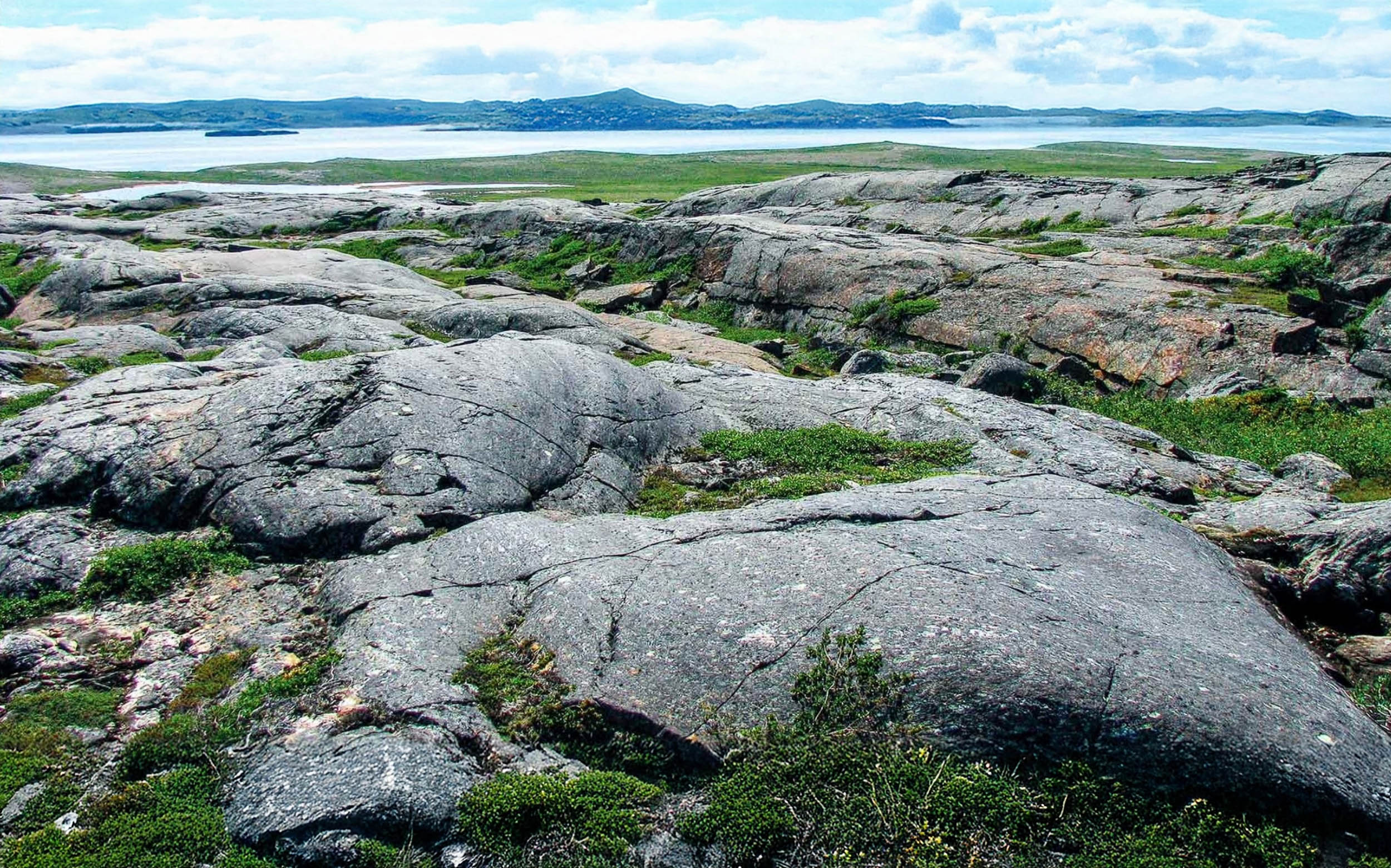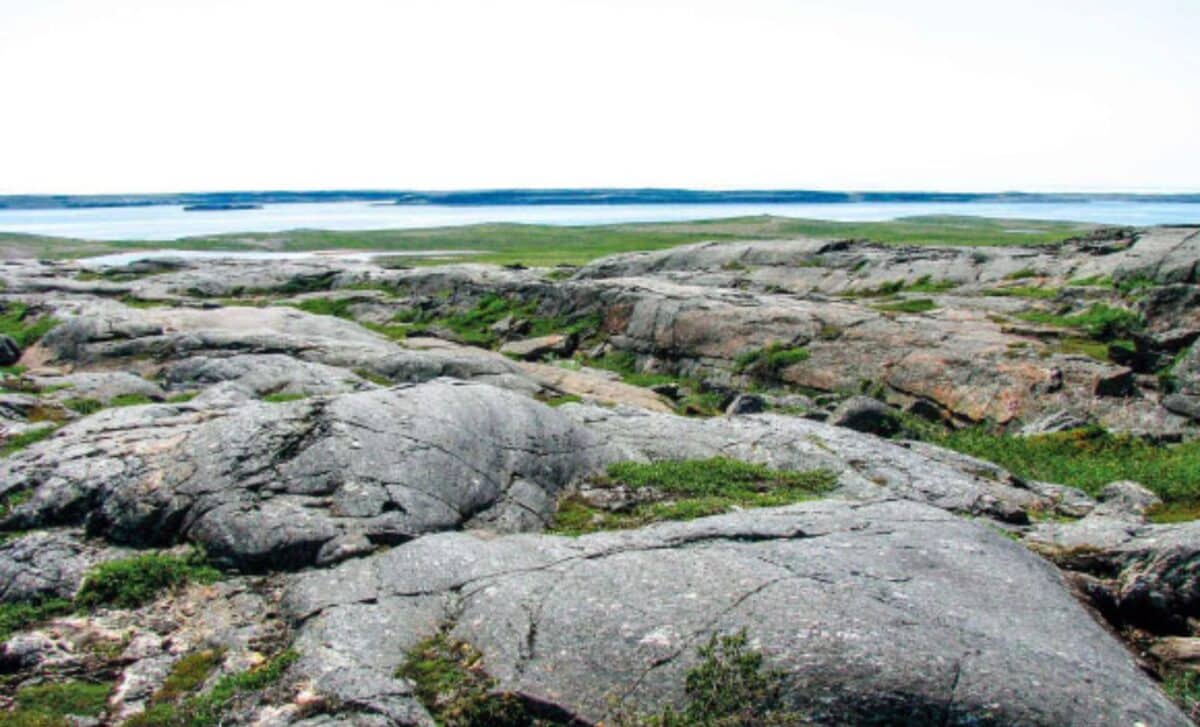
Scientists have found evidence suggesting that rocks in Canada's Nuvvuagittuq Greenstone Belt could be over 4.3 billion years old, potentially making them the oldest known rocks on Earth and offering insights into Earth's early crust and conditions, though the dating results are still debated among geologists.
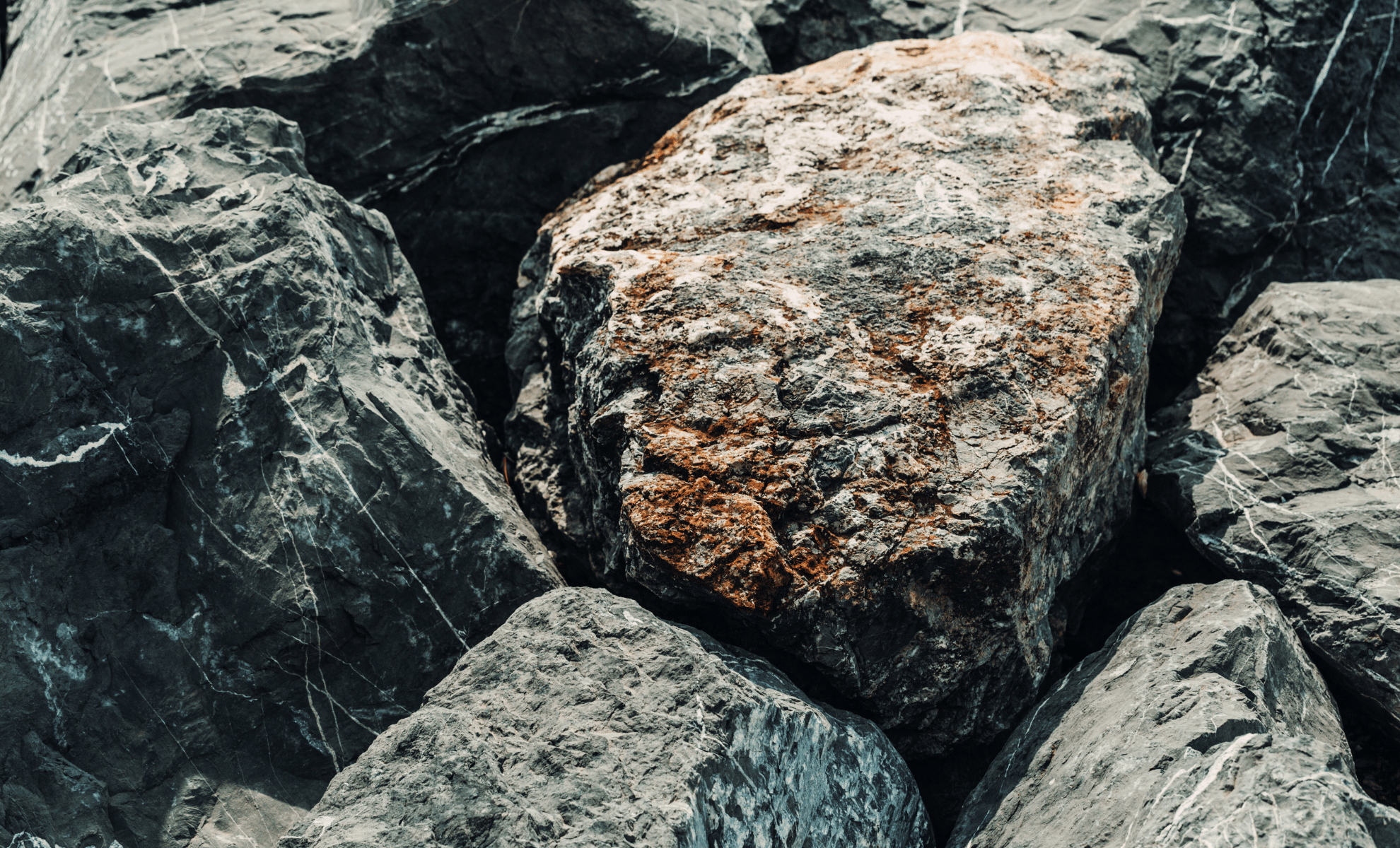
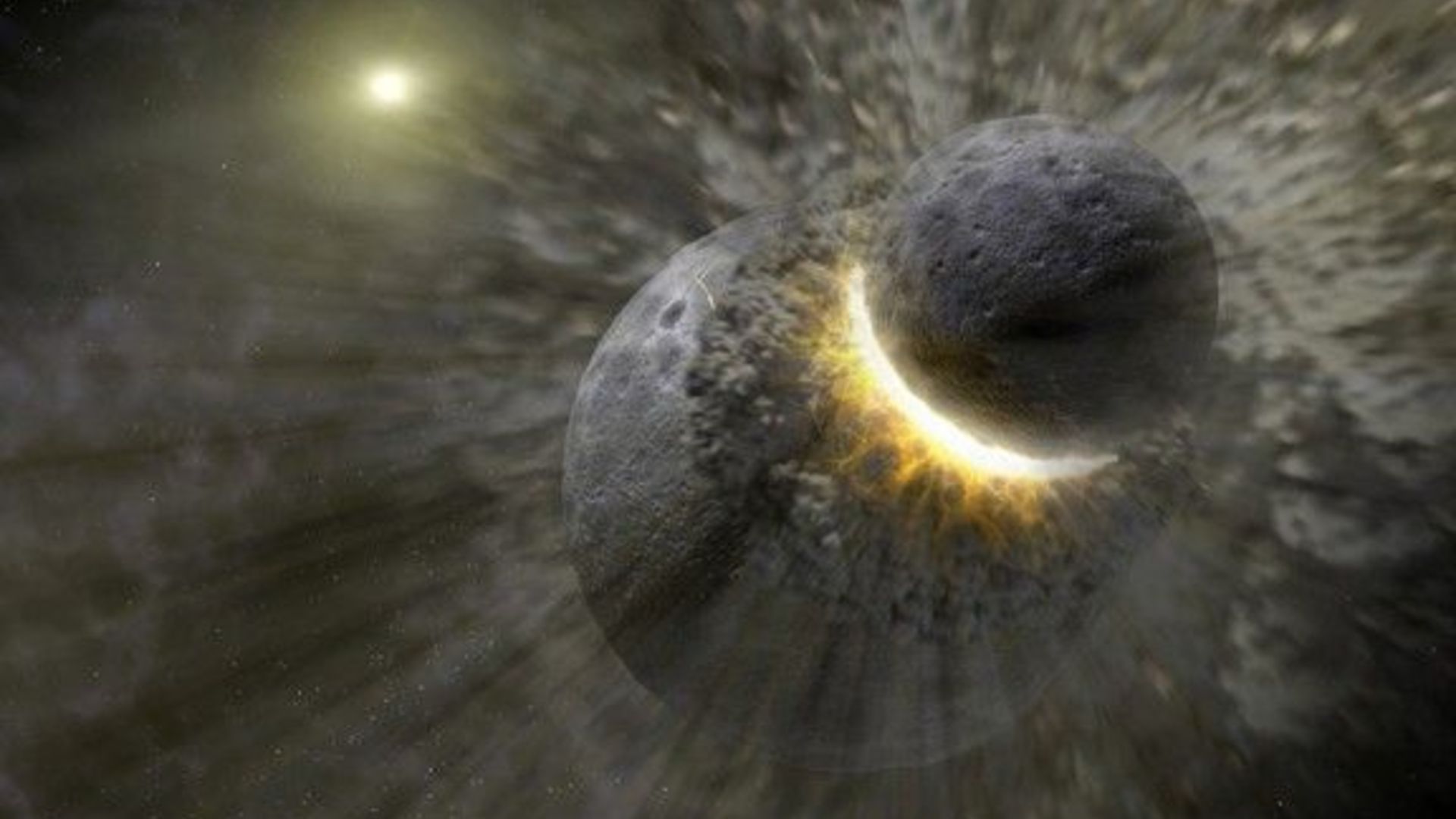
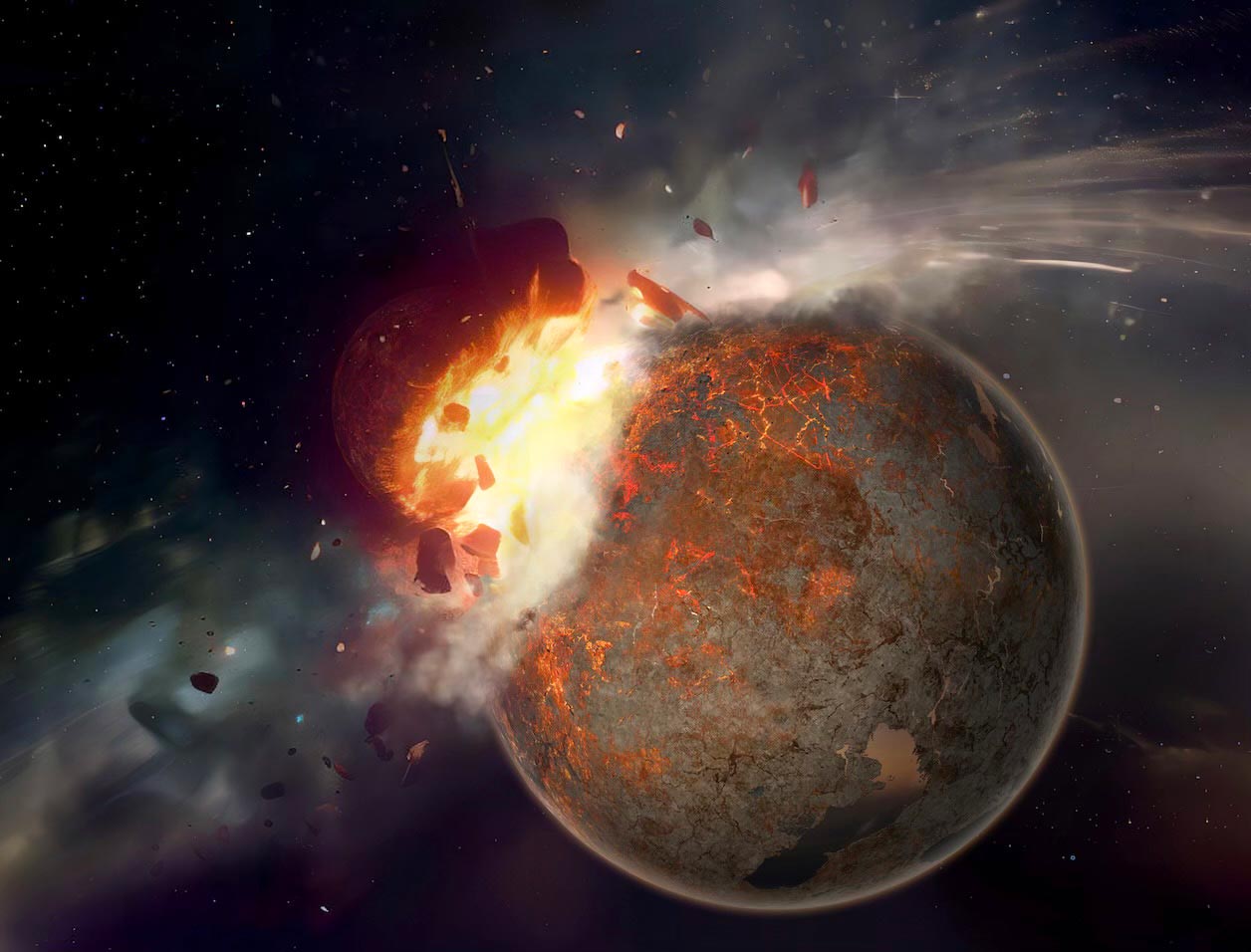
A study in Nature Communications reveals that Earth's oldest rocks, dating back 3.7 billion years, suggest that continental crust formation occurred much later than previously thought, around 3.5 billion years ago, and support the theory that Earth and the Moon share a common origin from the same primordial material, reinforcing the Giant Impact Hypothesis.
Scientists analyzing 3.7-billion-year-old rocks from Western Australia found chemical signatures supporting the giant impact theory of the moon's formation, revealing insights into Earth's early crust and its connection to lunar origins.
MIT scientists have discovered rare chemical traces in ancient rocks that suggest remnants of proto-Earth, the planet before its giant impact, providing new insights into Earth's original building materials and early history.
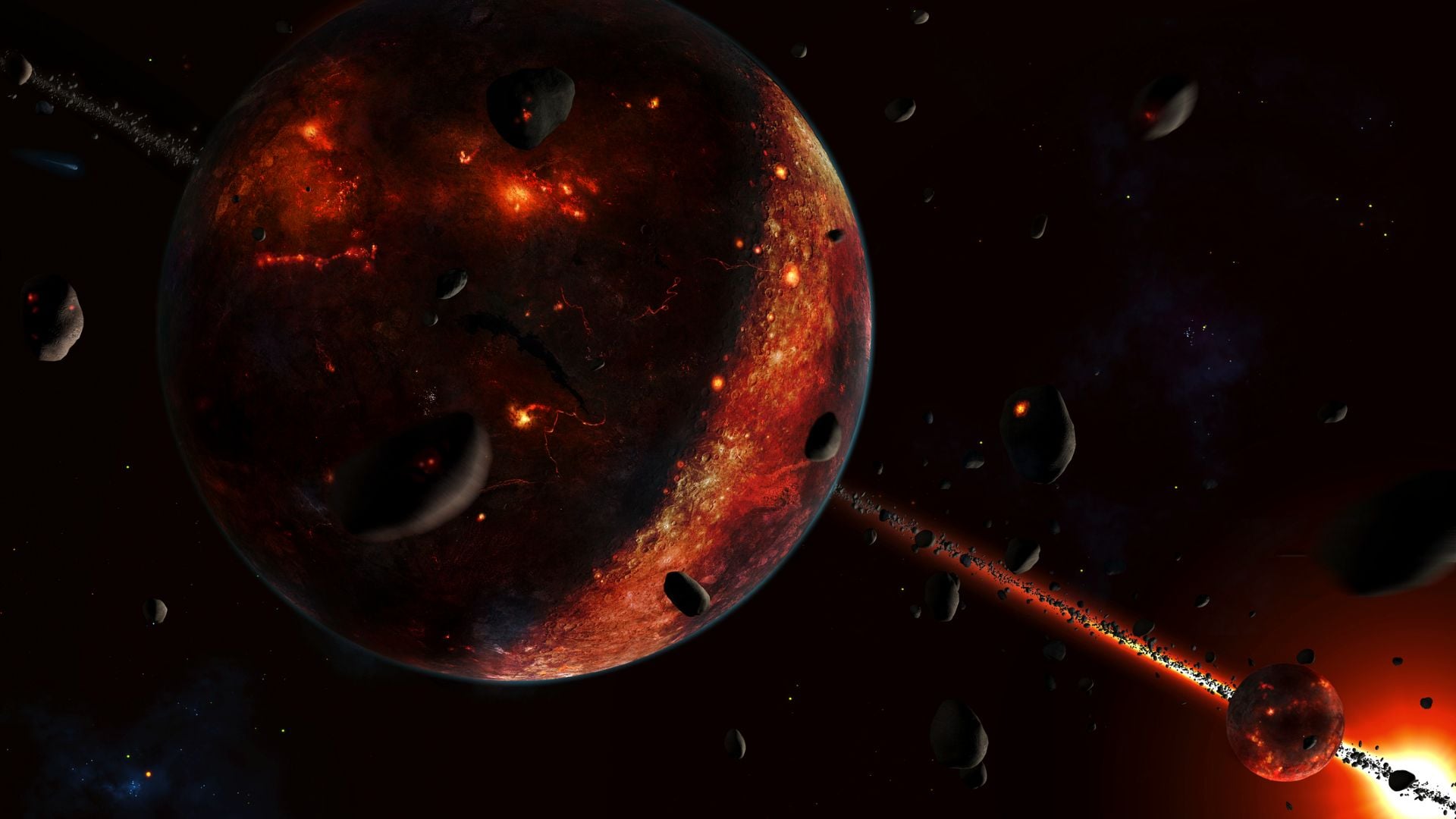
Scientists have found the first direct evidence of material from the 4.5-billion-year-old proto-Earth, preserved deep within Earth's rocks, through subtle chemical clues like a deficit of potassium-40 isotopes, offering new insights into Earth's earliest building blocks and its formation history.
Scientists have confirmed the discovery of the oldest rocks on Earth in northern Quebec, dating back approximately 4.16 billion years, providing valuable insights into Earth's early crust and the planet's formation during the Hadean eon.
Scientists have uncovered new evidence that the rise of oxygen in Earth's atmosphere, known as the Great Oxidation Event, began earlier than previously thought, around 2.5 billion years ago, leading to significant changes in the planet's environment and the evolution of complex life. Using advanced geochemical techniques on ancient rock cores from South Africa, researchers traced nitrogen isotope ratios to reconstruct the timeline of oxygenation, revealing a gradual process that profoundly shaped Earth's biosphere.
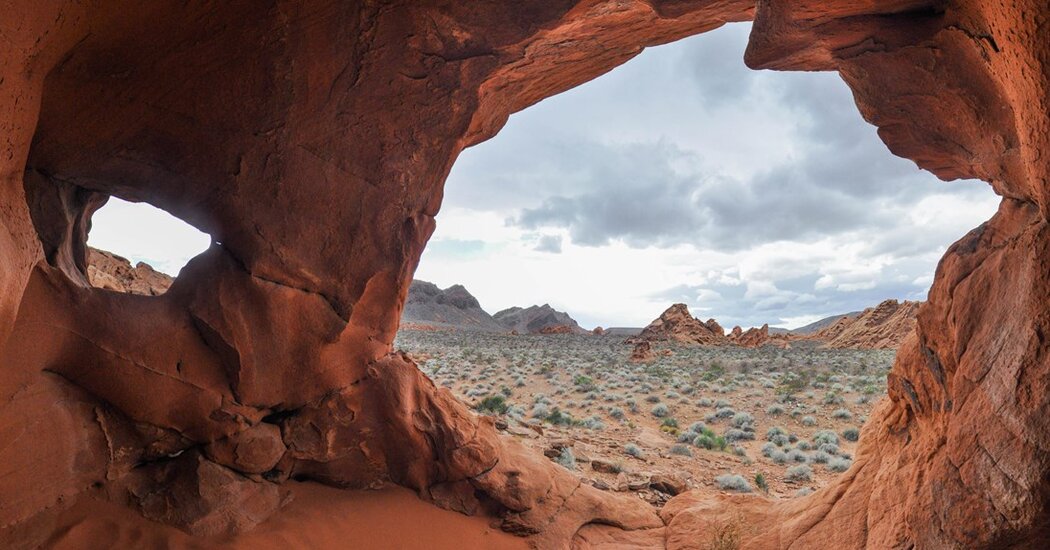
The National Park Service is seeking the public's help to identify two men captured on video toppling an ancient rock formation at Lake Mead National Recreation Area in Nevada. The incident, which occurred on the Redstone Trail, has sparked outrage, with park officials urging anyone with information to contact the authorities. Vandalism in national parks is unfortunately common, but the deliberate destruction of ancient natural formations has drawn widespread condemnation and calls for accountability.
Researchers have gained fresh insights into Earth's early evolution by studying rocks formed 3.5 billion years ago in the Singhbhum Craton, India, as well as in South Africa and Australia. The study revealed that explosive-style volcanic eruptions were common in these regions around 3.5 billion years ago, mostly occurring under oceans. Understanding these early Earth processes is crucial for piecing together the planet's evolutionary history and the conditions that may have sustained life during different geological epochs.
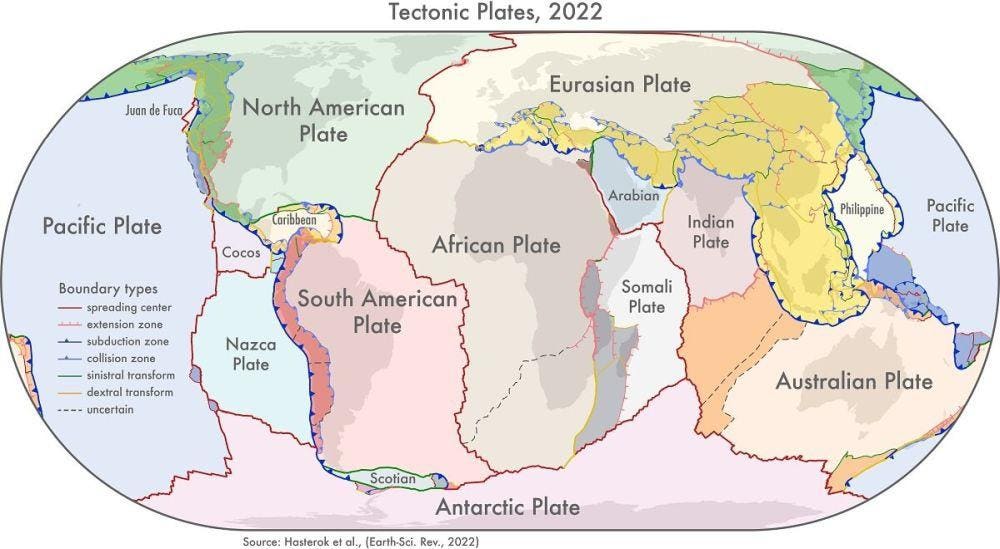
A new study analyzing olivine grains in 3.27-billion-year-old rocks suggests that Earth may have had active plate tectonics over 3.3 billion years ago, challenging previous beliefs that early Earth had a stagnant crust. The research indicates that the crust may have started moving due to pressures and melting similar to modern subduction zones, potentially leading to the transition from a stagnant crust to plate tectonics around 3.8 to 3.6 billion years ago. This finding sheds light on Earth's ancient geological processes and the evolution of its tectonic activity.
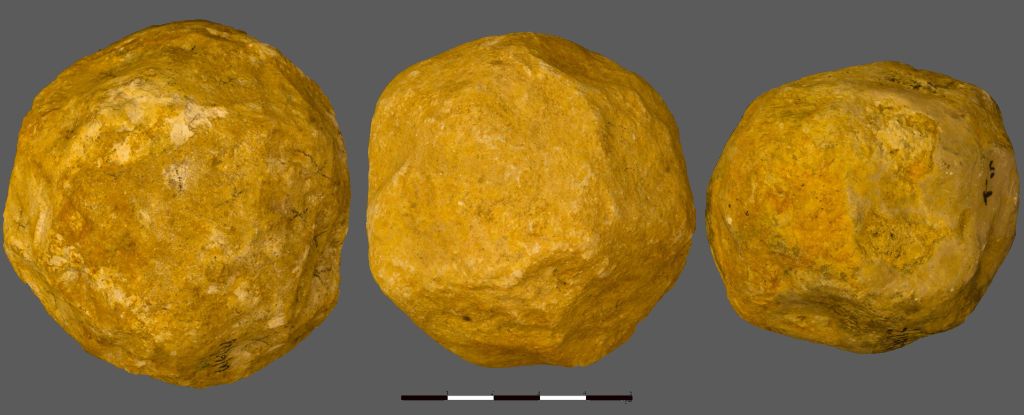
Ancient limestone spheroids found at the 'Ubeidiya prehistoric site in Israel, dating back 1.4 million years, were intentionally shaped to achieve a spherical form, according to archaeologists. The more the spheroids were worked, the rounder they became, indicating a deliberate goal of achieving perfect geometry. The purpose of these spheroids remains unknown, but their intentional production suggests a complex cognitive process and the earliest attempt at imposing symmetrical geometry on stone tools.
Scientists have discovered evidence of the oldest glaciers ever found, estimated to be 2.9 billion years old, in ancient rocks beneath South Africa's largest gold deposits. The rock beds near Durban contain fossilized glacial moraines, indicating the presence of glaciers during that time. The analysis of oxygen isotopes in the rocks suggests that the Earth experienced gradual climatic cooling, potentially leading to a global cooling period. The findings provide new insights into Earth's early history and may help explain the formation of goldfields. Further research is expected to follow to validate these discoveries.
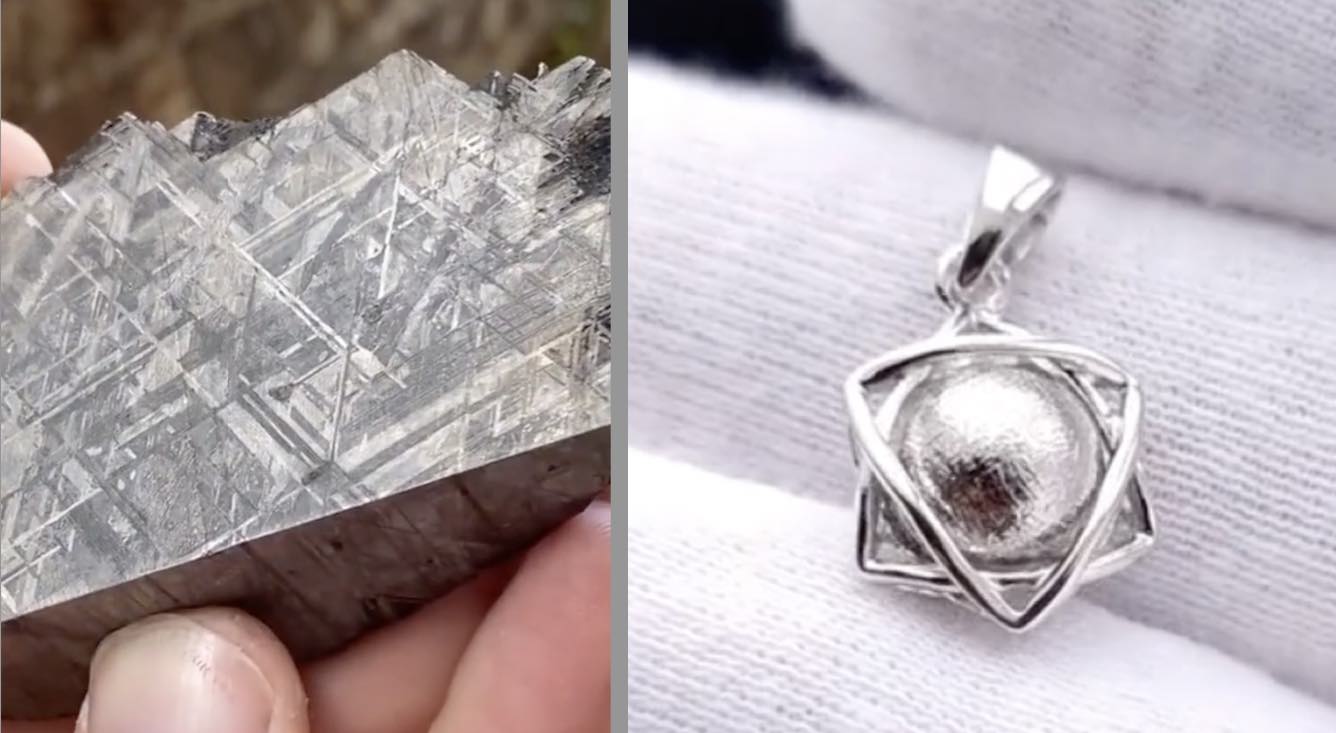
Emil Davidsson, a meteorite hunter from Buenos Aires, has turned his passion for collecting ancient space debris into a business by crafting them into jewelry. He sells pendants made from small fragments of meteorites estimated to be between one million and 4.5 billion years old, as well as watches and rings. Emil has been on expeditions to the Arctic Circle and the Atacama Desert to find these rare meteorites, using a special metal detector to locate them. Each type of meteorite requires a different process to stabilize and reveal their unique features, such as the Widmanstätten pattern. These meteorites are remnants from the formation of our solar system and hold immense historical value.