Tag

East African Rift

All articles tagged with #east african rift

science1 year ago

Africa's Rift: The Birth of Earth's Sixth Ocean

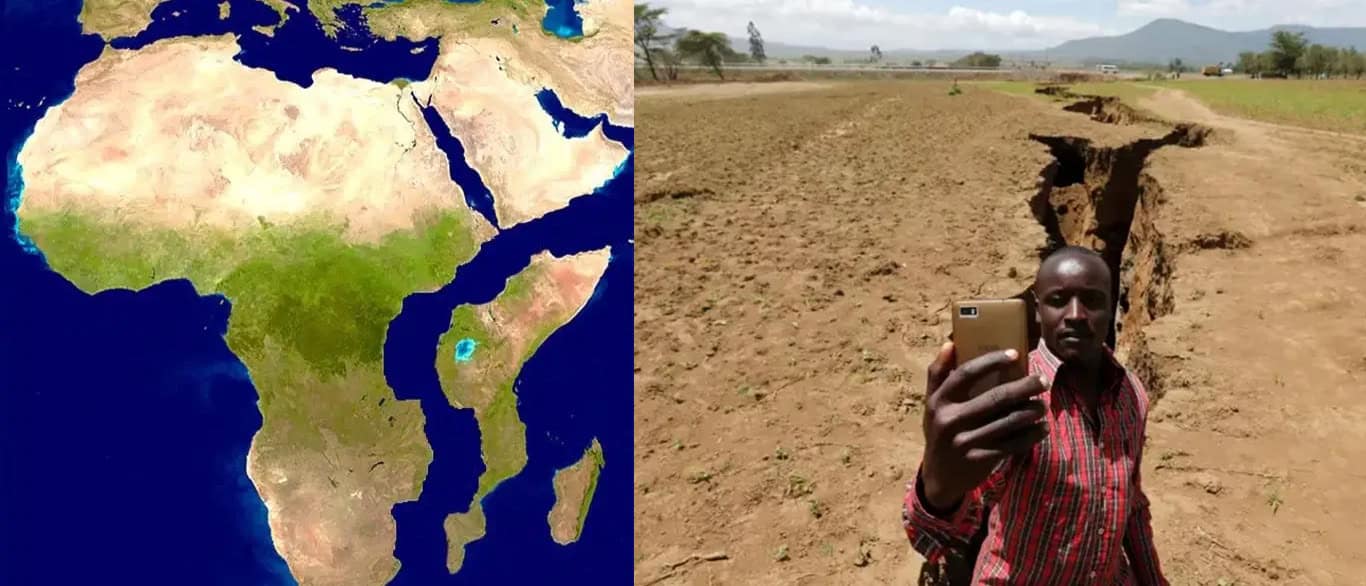
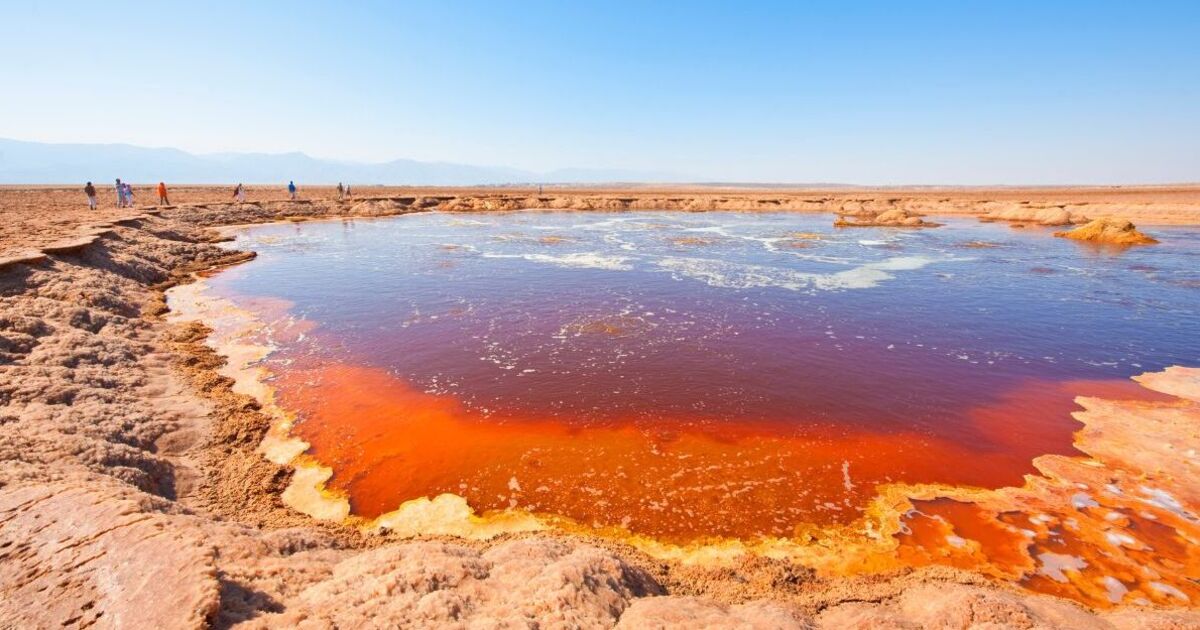
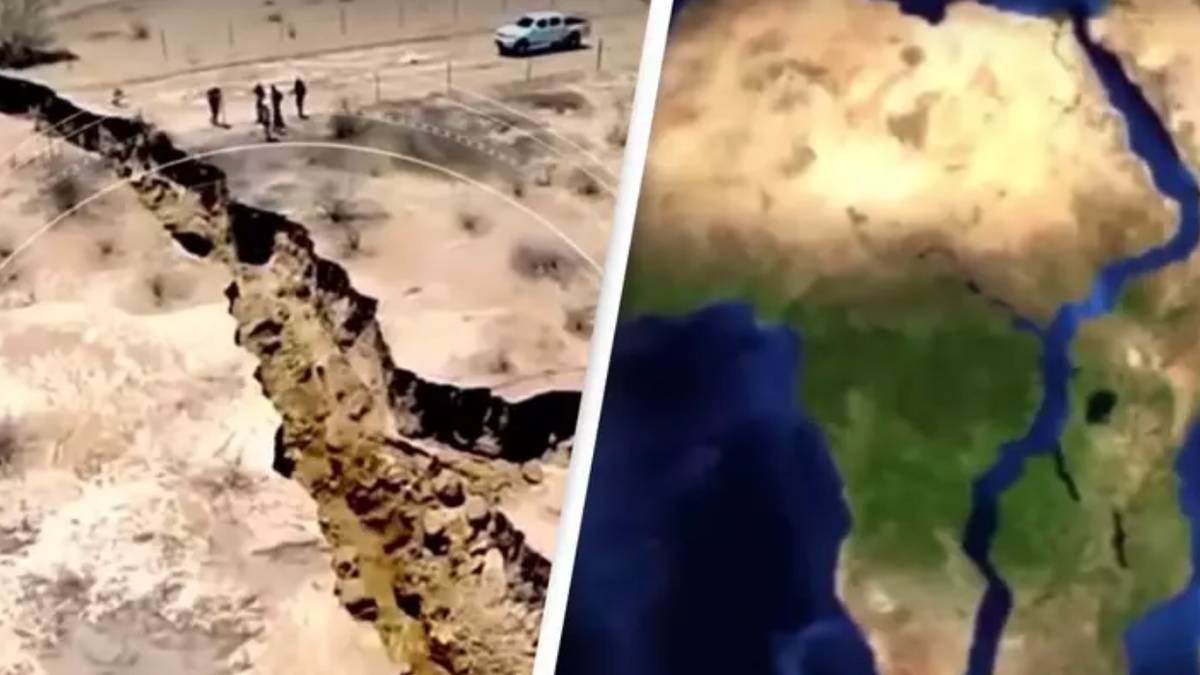
A massive crack in the Afar region of Ethiopia is part of the East African Rift, where tectonic plates are pulling apart, potentially leading to the formation of a new ocean. This geological activity could eventually split Africa into two separate landmasses, forming a new continent over millions of years. The rift is causing the African plate to divide into the Somali and Nubian plates, with the process resembling the formation of the Atlantic Ocean.

science1 year ago

Earth's Sixth Ocean Emerges: A Geological Marvel in Progress

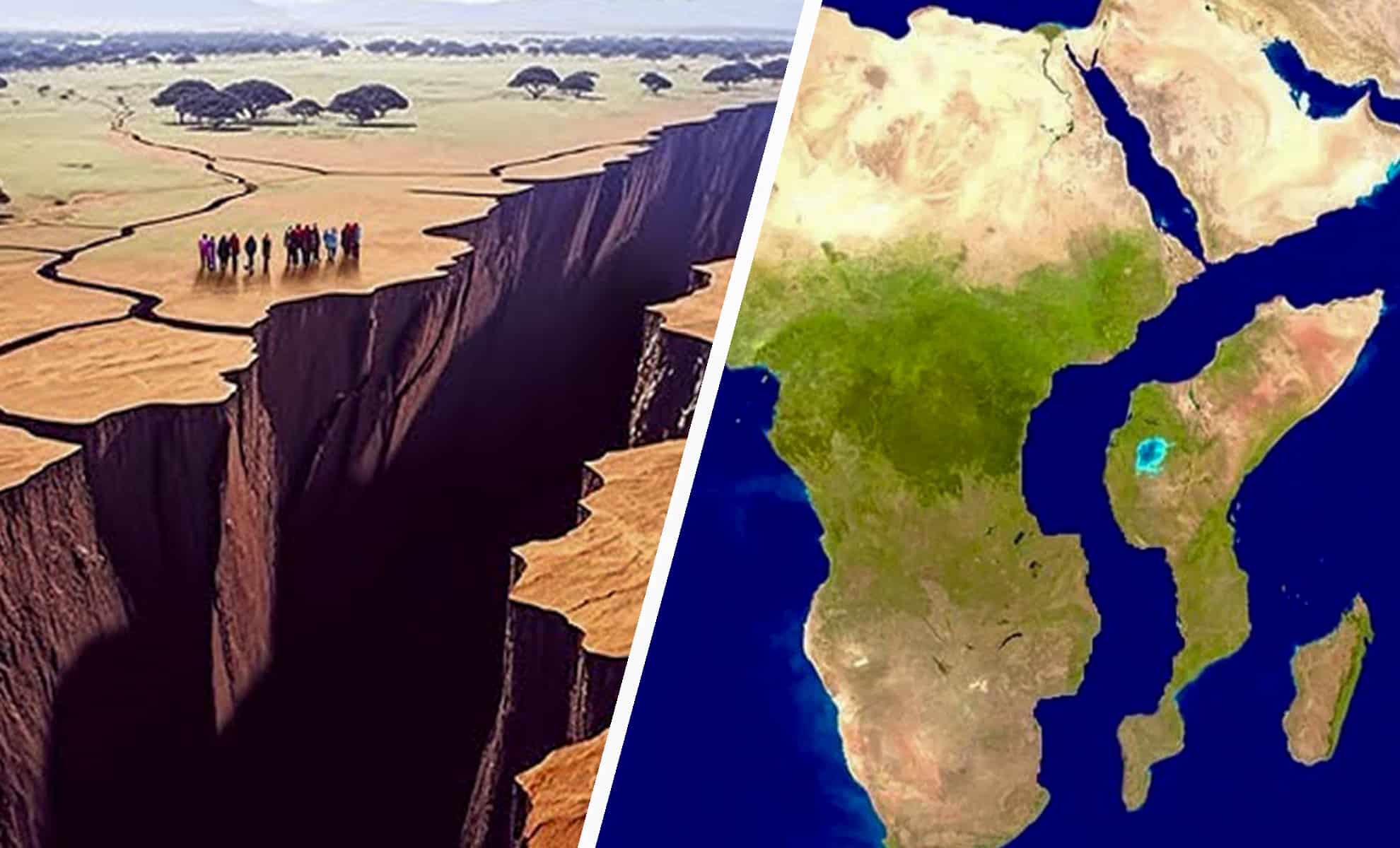
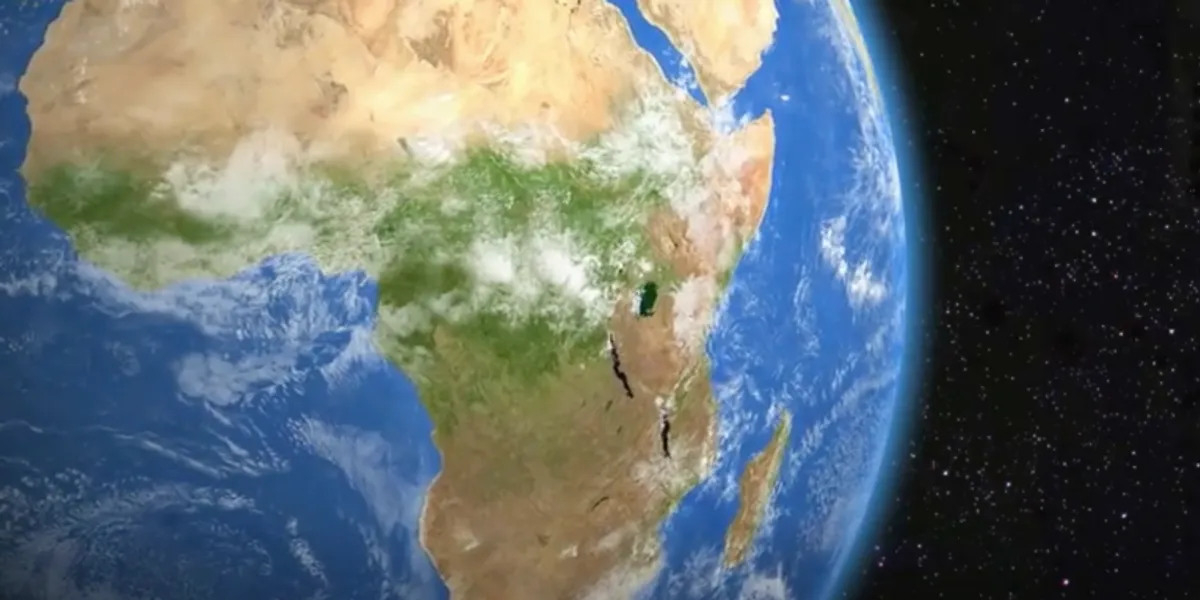
Scientists have observed the formation of Earth's sixth ocean as tectonic plates slowly drift apart, reshaping the African continent. The Arabian and Somali plates are moving away from the African plate, creating a rift in the East African Rift Valley, which could eventually flood and form a new ocean. This geological shift may alter the geography and economic prospects of several countries, potentially giving landlocked nations like Zambia and Uganda coastal access. Advanced GPS technology allows precise tracking of these tectonic movements, offering insights into Earth's geological future.

nature1 year ago

"The Bizarre Nature of Ol Doinyo Lengai: Earth's Strangest Volcano?"

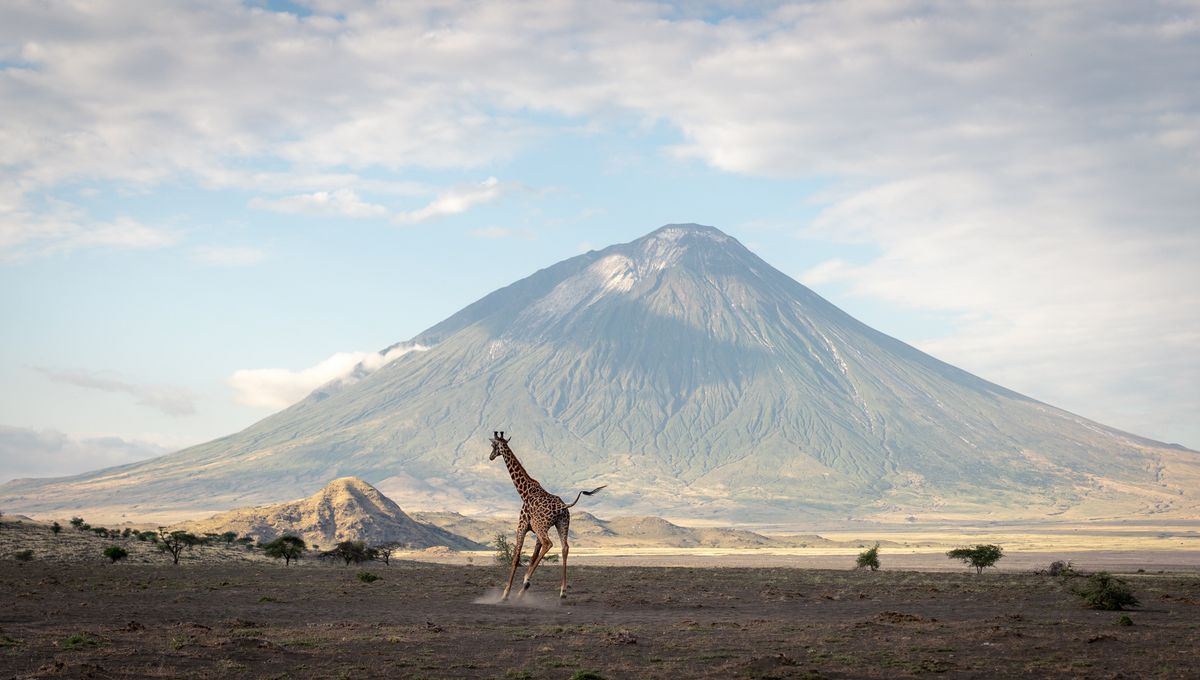
Ol Doinyo Lengai, located in Tanzania, is considered one of the weirdest volcanoes on Earth due to its unique black, relatively cool, and runny motor oil-like lava, known as natrocarbonatite lava. This volcano is the only known producer of this type of lava on Earth and is situated in the East African Rift, a tectonically active region. The volcano's carbon-rich lava is believed to be created by the melting of minerals in the Earth’s upper mantle. The East African Rift system, where the volcano sits, has been tectonically active for around 25 million years and could eventually split the African continent in half.

geology1 year ago

"Discovery of a Fault with Potential to Form Earth's Sixth Ocean"

Geologists have identified a rare geological phenomenon in the Afar Triangle in Africa, where the movement of tectonic plates is gradually splitting the continent. This process, which has been ongoing for millions of years, could eventually lead to the formation of a new ocean in 5 to 10 million years. The East African Rift provides a unique opportunity for scientists to study the stages of rifting, with modern technology aiding in precise measurements of ground movement. The potential creation of a sixth ocean highlights the Earth's ever-changing nature and the importance of understanding geological processes.

earth-science2 years ago

"Africa's Splitting Sparks Formation of New Ocean, Scientists Find"

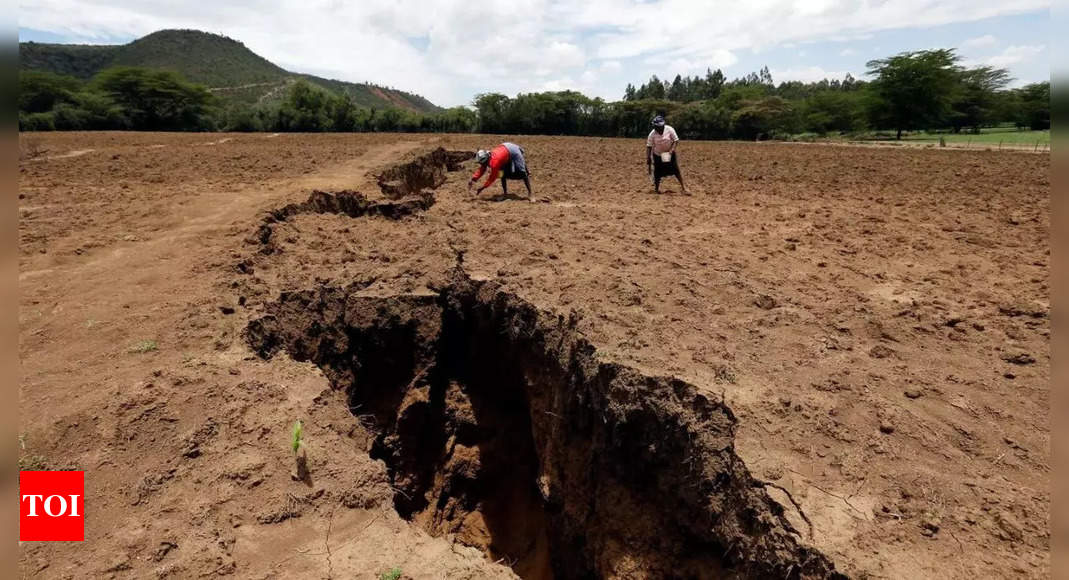
Scientists have discovered the formation of a new ocean as Africa begins to split, with the African continent gradually separating into two parts. The crack, known as the East African Rift, is located on the borders of three tectonic plates and is currently 35 miles long. This tectonic process will eventually create a new body of water, forming a new ocean millions of years from now. The Arabian plate is moving away from Africa at a rate of approximately one inch per year, while the African and Somali plates are breaking away at a slower rate.

science-and-environment2 years ago

"Africa's Splitting: Scientists Uncover New Ocean Emerging"

Scientists have discovered that the continent of Africa is slowly splitting in half, creating the potential for a new ocean to form. Two large parts of the land within Africa have begun to separate, and geologists believe that countries such as Uganda and Zambia could eventually have their own coastlines. The split, known as the East African Rift, started in 2005 and is located at the meeting point of three tectonic plates. While the process is gradual, it is estimated that it will take another 5 to 10 million years for the new ocean to fully form.

earth-science2 years ago

"Africa's Split: Mushroom-shaped Superplume Divides Continent"

A recent study suggests that a giant plume of super-heated rock rising from near Earth's core may be responsible for the mysterious distortions observed in the East African Rift, a network of valleys stretching from the Red Sea to Mozambique. The researchers found that the deformation of the Earth's surface in the rift is not only perpendicular to its length but also parallel to it, which is unusual. They propose that a mushroom-shaped "superplume" of hot rock ascending from the mantle, known as the African Superplume, may be causing these distortions. This study improves our understanding of how continents break apart.

earth-science2 years ago

"Africa's Split: Mushroom-shaped Superplume Divides Continent"

A recent study suggests that a mushroom-shaped superplume of scorching hot rock rising from near Earth's core may be responsible for the mysterious distortions and splitting of Africa. The East African Rift, the largest active continental rift, is experiencing unusual deformations parallel to the rift, in addition to the expected perpendicular deformations. The researchers used GPS technology, seismic instruments, and 3D computer simulations to analyze the underground activity and found that the African Superplume, rising beneath southwest Africa and extending northeast, may be driving the northward mantle flow causing these distortions. This study improves our understanding of how continents break up.

science2 years ago

Unraveling the Mystery of Africa's Continental Split.

The East African Rift, a network of valleys stretching from the Red Sea to Mozambique, is slowly tearing Africa apart. The Somalian tectonic plate is pulling eastward from the larger, older part of the continent, the Nubian tectonic plate, and the two plates are separating from the Arabian plate in the north. If Africa does rip apart, there are different ideas for how that might happen, but the geological forces driving the rifting might prove too slow to separate the Somalian and Nubian plates.

science2 years ago

New Discoveries Challenge Conventional Understanding of Earth's Crust.

Scientists at Virginia Tech have discovered that the "African Superplume" is responsible for the unusual deformation happening under the East African Rift System. The deformation is caused by the stretching and pulling apart of the lithosphere as tectonic plates move away from one another, forming perpendicular deformation in the Earth's crust.