Tag

Genetic Adaptation

All articles tagged with #genetic adaptation

science2 months ago

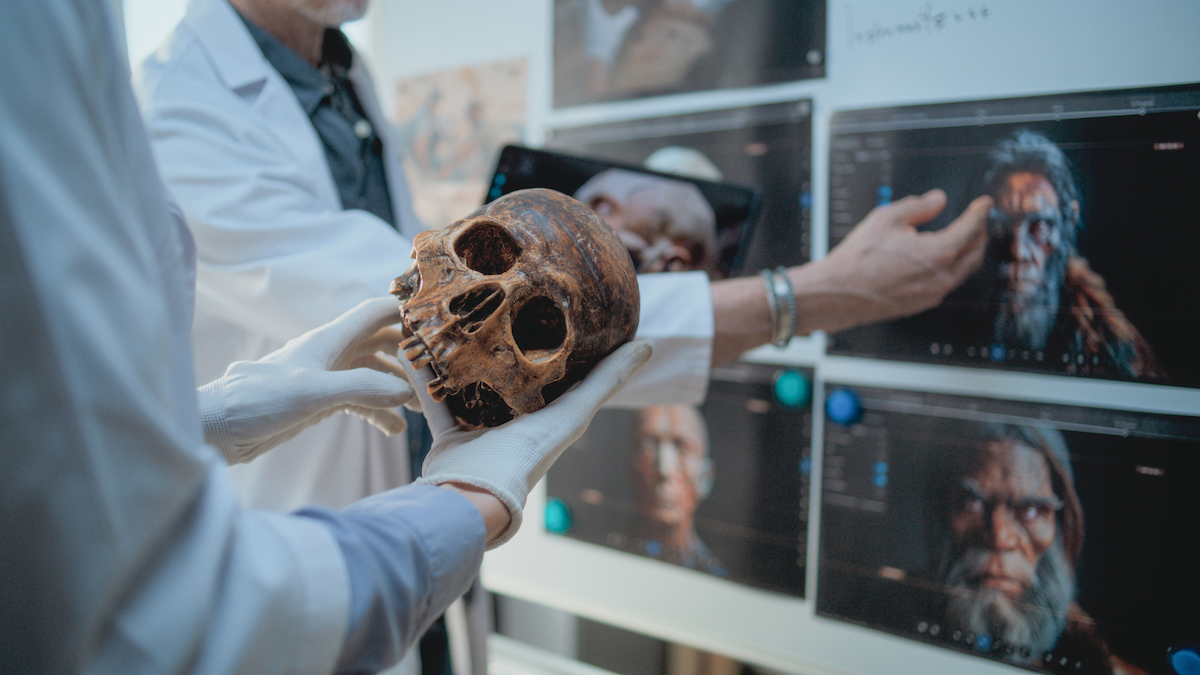
Neanderthals' vulnerability to lead poisoning gave humans an evolutionary edge

Research shows that Neanderthals were more susceptible to lead poisoning than modern humans, which may have influenced our species' communication abilities and provided an evolutionary advantage. The study suggests that exposure to lead, a toxin present for millions of years, impacted brain development and language skills, with modern humans developing gene variants that offered better protection against lead's toxic effects.

science1 year ago

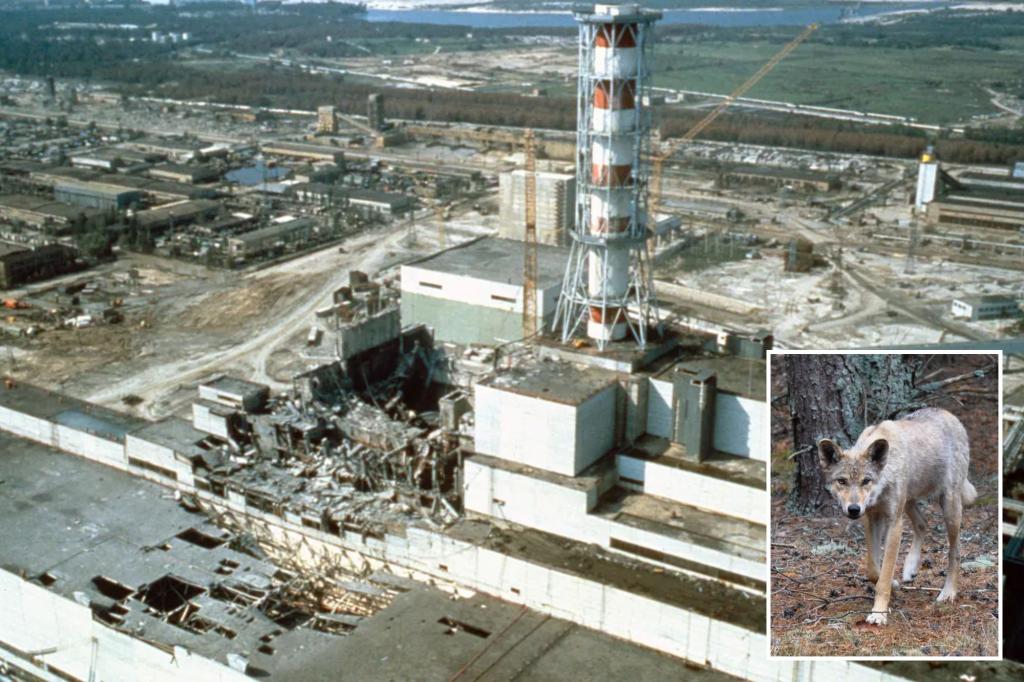
Chernobyl Dogs Evolve Unique Traits Amid Radiation Exposure

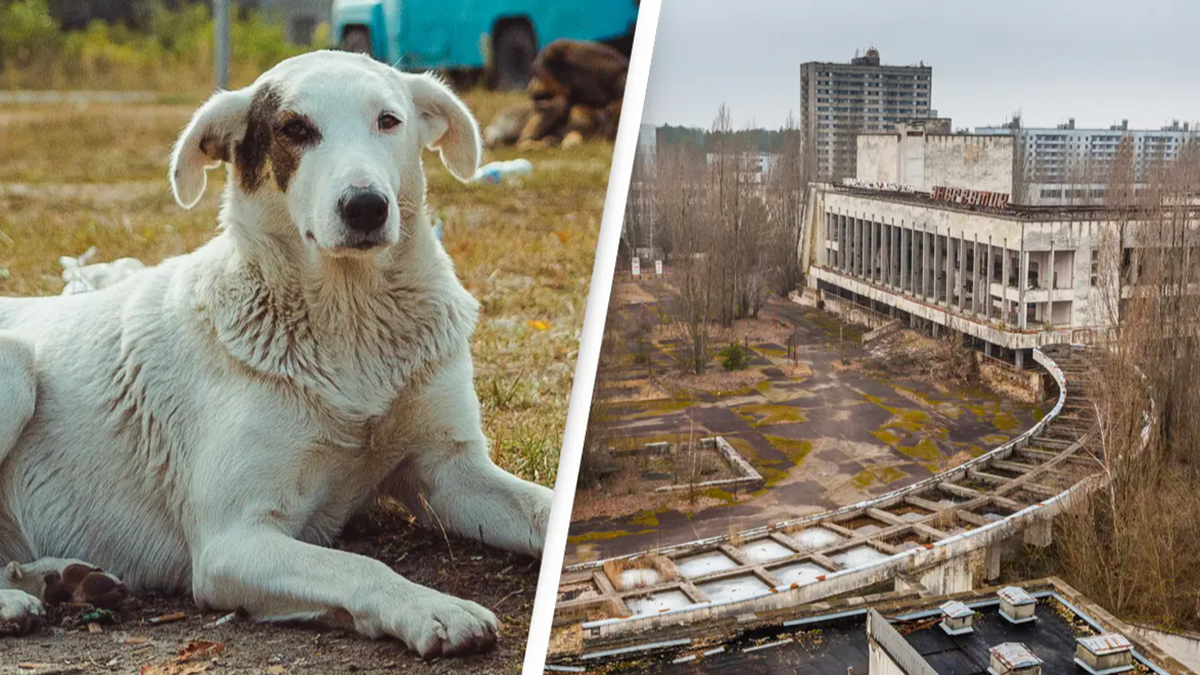
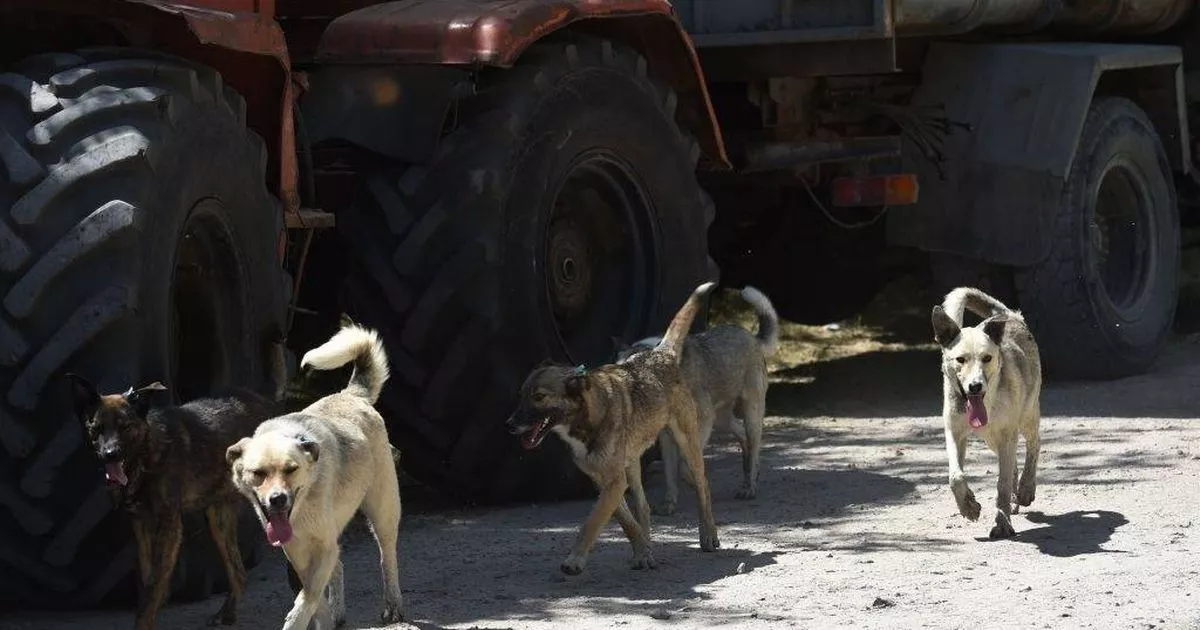
Stray dogs living near the Chernobyl nuclear disaster site have developed genetic adaptations that allow them to thrive in the radioactive environment, according to a study published in the Canine Medicine and Genetics journal. Researchers found that these dogs, likely descendants of pets left behind during the 1986 evacuation, have unique genomic variations potentially linked to radiation exposure. This discovery adds to ongoing research on how animals and potentially humans might adapt to or safely return to the Chernobyl Exclusion Zone.

science1 year ago

Chernobyl Dogs Evolve Unique Traits Amid Radiation Exposure

A new study reveals that stray dogs in Chernobyl, dubbed 'radiation hounds,' have genetically adapted to survive nearly four decades of nuclear fallout. Researchers identified 52 genes linked to contamination exposure among approximately 500 dogs, highlighting significant genetic changes that allow these canines to endure the harsh environment. The study underscores the broader implications of environmental hazards on genetic health, with potential insights into human health risks. The Chernobyl Dog Research Initiative has been monitoring these dogs since 2017, noting their unique adaptations and social structures.

science1 year ago

Revisiting Evolution: From Darwin's Theory to Modern Challenges

Human evolution, traditionally driven by natural selection, is now influenced by technological, medical, social, and cultural factors. While advancements have reduced environmental pressures, evolution continues through genetic adaptations to diseases and cultural preferences. Future evolution may be shaped by climate change, space exploration, and biotechnology, indicating that human evolution is ongoing, albeit in new forms.

science1 year ago

Ancient DNA Unveils 7,000-Year Evolution of Early Europeans

Researchers from The University of Texas at Austin and UCLA have used ancient DNA to uncover how Europeans adapted over 7,000 years, identifying genetic changes related to vitamin D production, lactose tolerance, and immunity. By analyzing over 700 samples from various historical periods, they revealed genetic adaptations that are no longer detectable in modern genomes due to genetic drift and population mixing. This study highlights the importance of ancient DNA in understanding human evolutionary history and how certain traits have evolved or disappeared over time.

science1 year ago

Ancient DNA Reveals Early European Adaptations to Agriculture

Researchers from The University of Texas at Austin and UCLA have used ancient DNA to uncover how early Europeans adapted to environmental changes over 7,000 years. By analyzing over 700 samples from different historical periods, they identified genetic adaptations, such as the ability to digest milk and produce vitamin D, that were crucial for survival but have since become less detectable in modern genomes. This study highlights the role of ancient DNA in understanding human evolutionary history and the impact of agriculture and population mixing on genetic traits.

science1 year ago

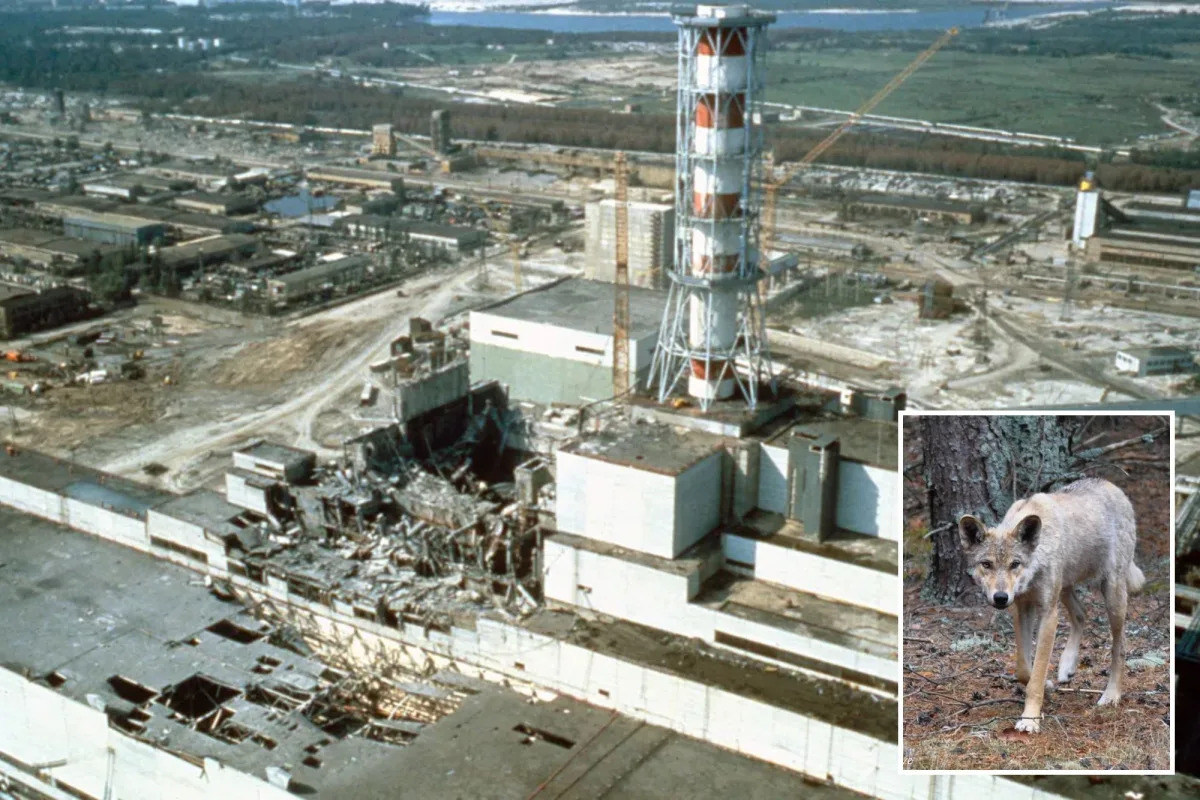
"Study: Mutant Wolves in Chernobyl Exclusion Zone Show Cancer-Resilient Abilities"

Mutant wolves in the Chernobyl Exclusion Zone have developed cancer-resilient genomes due to chronic exposure to radiation, with potential implications for human cancer treatment. Evolutionary biologist Cara Love and her team at Princeton University studied the wolves and found that their immune systems are similar to those of cancer patients undergoing radiation treatment. The research could provide insights into gene mutations that increase the odds of surviving cancer, and similar resilience may be present in Chernobyl dogs. However, further study has been hindered by the COVID-19 pandemic and the conflict between Russia and Ukraine.

science-and-environment1 year ago

"Chernobyl's Mutant Wolves: Developing Cancer-Resilient Abilities"

Mutant wolves in the Chernobyl Exclusion Zone have developed cancer-resilient genomes due to chronic exposure to radiation, offering potential insights for human cancer treatment. Evolutionary biologist Cara Love and her team studied the wolves' immune systems and identified specific resilient regions in their genome. The research could provide valuable information on gene mutations and cancer resilience in humans. Additionally, descendants of pets in the area, such as Chernobyl dogs, may also possess similar cancer resilience. However, further research has been hindered by the COVID-19 pandemic and the ongoing conflict between Russia and Ukraine.

science-and-health2 years ago

"Denisovan DNA: Ancient Ancestry Linked to Modern Mental Health Disorders"

Modern humans interbred with Denisovans, an extinct human species, which resulted in a genetic adaptation for zinc regulation that helped humans adapt to cold climates. However, this adaptation may also predispose individuals to mental health disorders such as depression and schizophrenia. The genetic variant observed, which affects zinc regulation, is widespread in non-African populations and is associated with a greater predisposition to psychiatric diseases. The variant is believed to have originated from interbreeding with Denisovans and has left a global mark, except in African populations. Further research is needed to understand the full implications of this genetic adaptation on mental health.

environment2 years ago

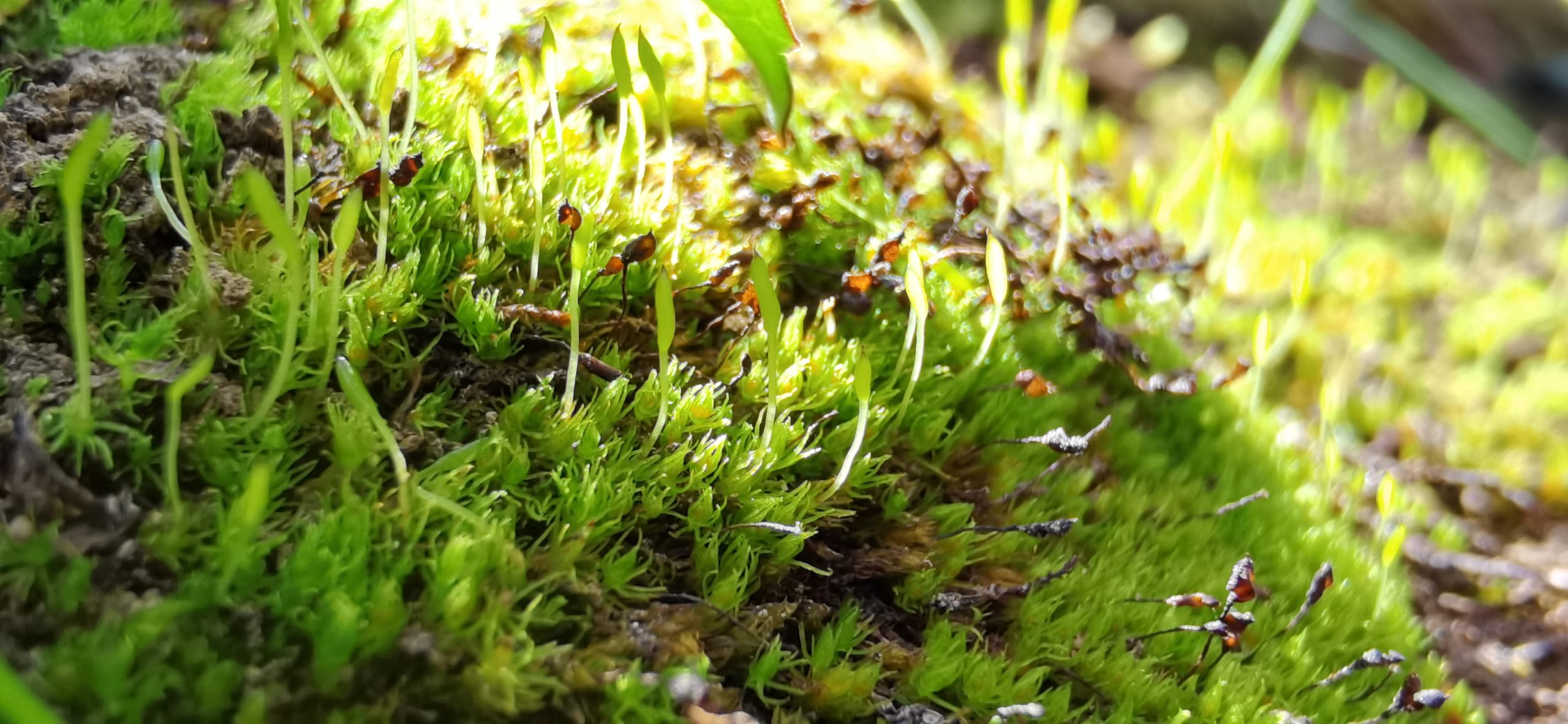
"Climate Change Endangers Oldest Living Land Plant, a Living Fossil"

The rare moss species Takakia, which is the oldest living land plant, is facing significant threats due to climate change. Researchers have discovered the genetic characteristics that allow the moss to survive extreme environmental conditions, such as frost and high UV radiation. However, rapid climate change has already impacted the natural habitat of Takakia within a few years, leading to a decline in population size. The moss's habitat on the Tibetan Plateau is experiencing increasing temperatures and glacier recession, which poses a greater challenge for Takakia compared to other species. The study highlights the importance of protecting and preserving this ancient plant species.

environment2 years ago

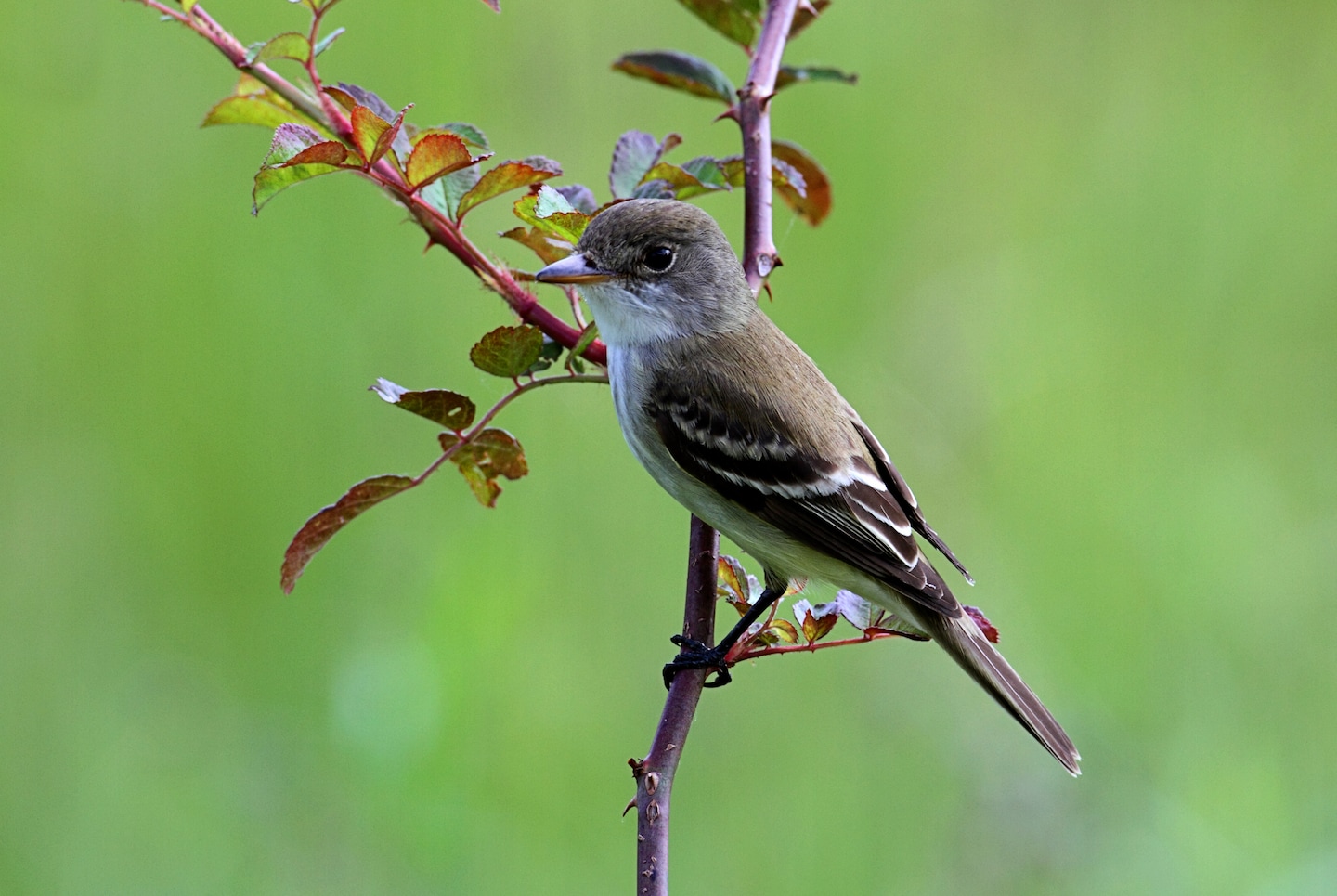
"Songbird Genes: Unveiling the Impact of Climate Change on Evolution"

Scientists studying the DNA of the southwestern willow flycatcher, an endangered songbird, have discovered genetic evidence that the bird is adapting at a rapid pace to climate change. The researchers found that the birds today are more likely to possess beneficial genes associated with handling heat stress than a century ago, indicating that evolution can occur quickly in response to climate change. This finding could inform future conservation efforts by potentially introducing helpful genes from animals better adapted to changing climate conditions. However, some experts caution that attributing genetic changes solely to climate change can be challenging and requires further study.

science2 years ago

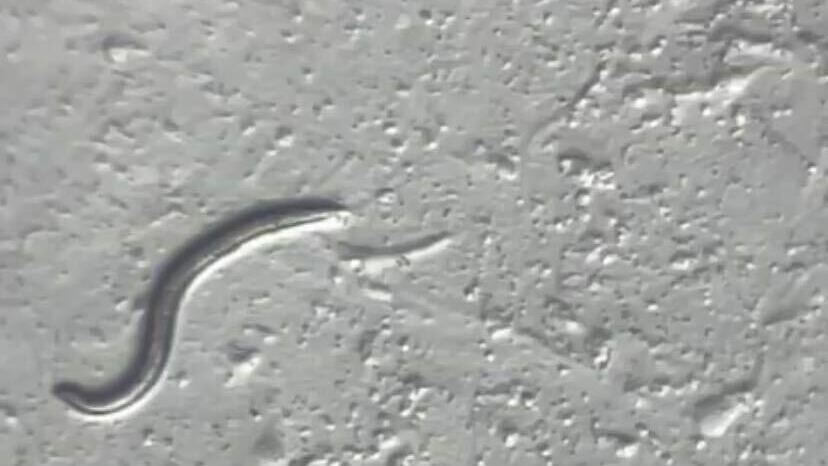
"Reviving a 46,000-Year-Old Worm: A Remarkable Scientific Achievement"

Scientists have discovered a previously unknown species of nematode worm that survived being frozen in Siberian permafrost for 46,000 years. The worm entered a dormant state known as cryptobiosis, during which it didn't eat and lacked a metabolism. This finding is significant because it reveals the ability of certain organisms to adapt and survive in extreme environments. The research could provide insights into genetic adaptations that help animals cope with climate change and protect endangered species.