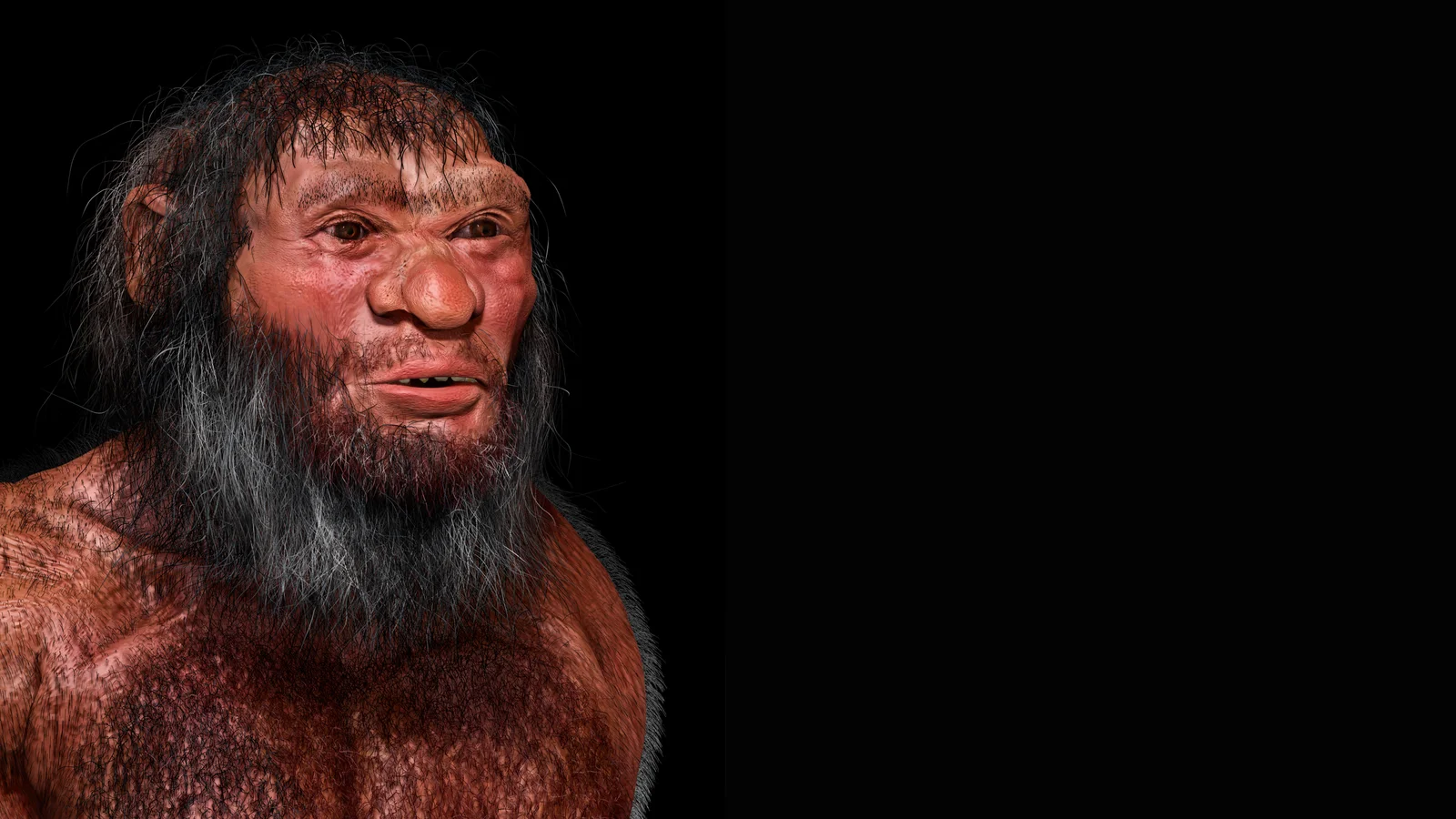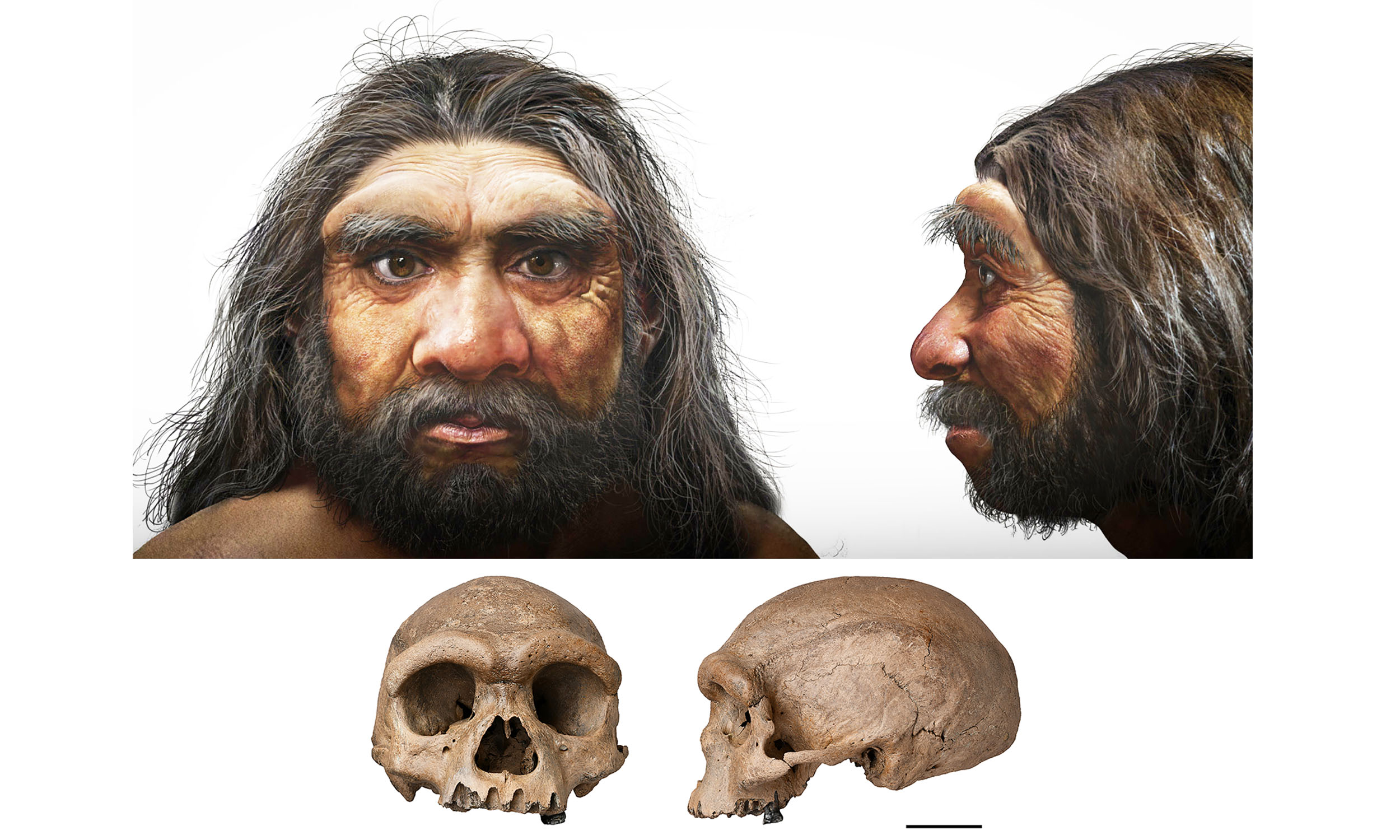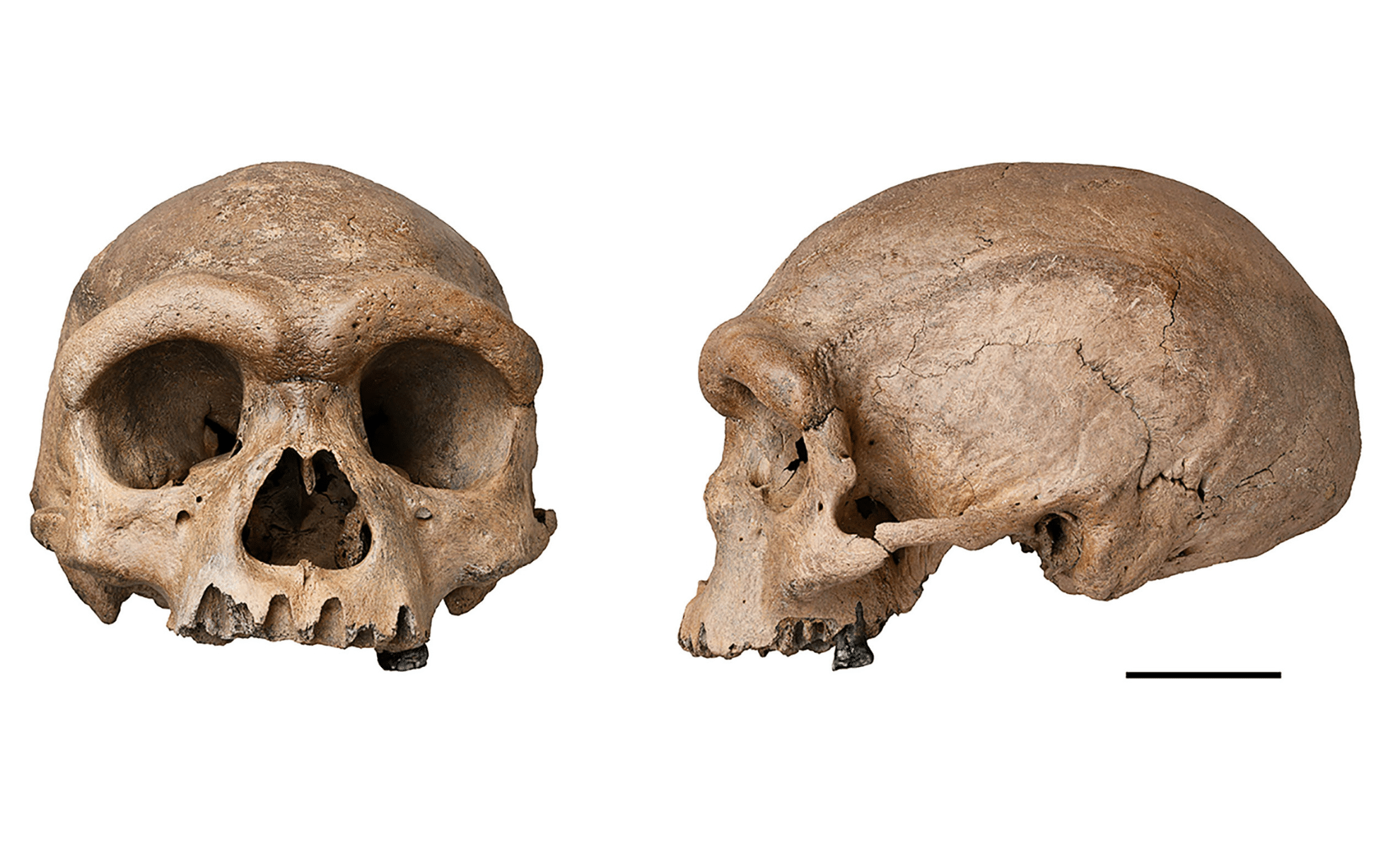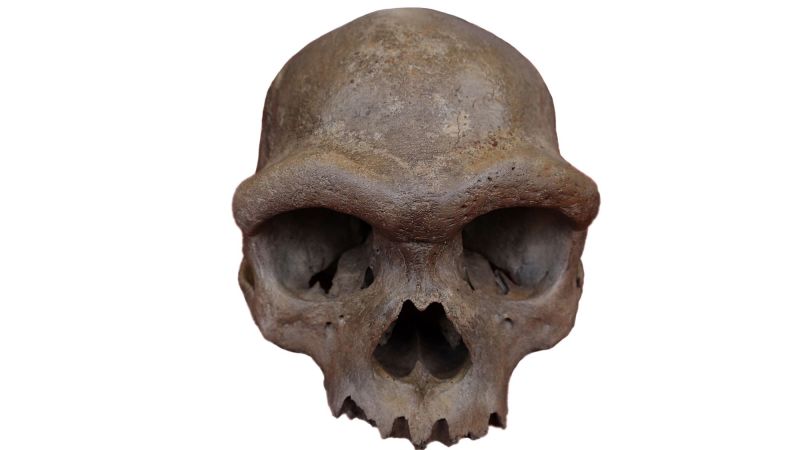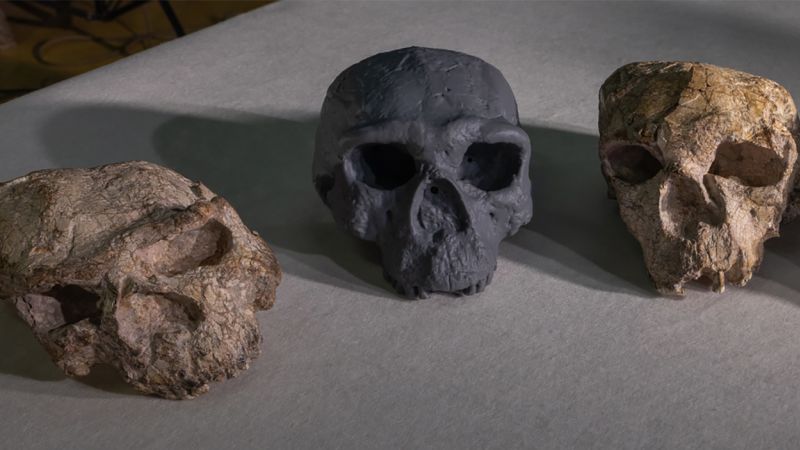
Scientists have identified a new human ancestor, 'Dragon Man,' linking it to the Denisovan group through advanced protein analysis of a 146,000-year-old skull from Harbin, China, providing new insights into human evolution and ancient migrations.
Scientists have confirmed the identity of the 'Dragon Man' skull as Denisovan through advanced DNA and protein analysis, providing the first physical evidence of what Denisovans looked like and shedding light on their physical traits, environment, and genetic legacy in modern humans.
In 2025, significant progress was made in understanding human evolution, particularly through the genetic analysis of fossils like the Dragon Man skull, which has been linked to Denisovans, revealing new insights into ancient human species and their interbreeding with modern humans. Additional discoveries, including a high-coverage Denisovan genome from a 200,000-year-old tooth, are expected to further unravel the complex history of human ancestry in the coming years.
Scientists have identified a nearly 146,000-year-old skull from Harbin, China, as belonging to a Denisovan, using protein analysis and DNA evidence, providing the first clear link between a Denisovan fossil and its physical appearance, and revealing insights into their size, diet, and contribution to modern human genetics.
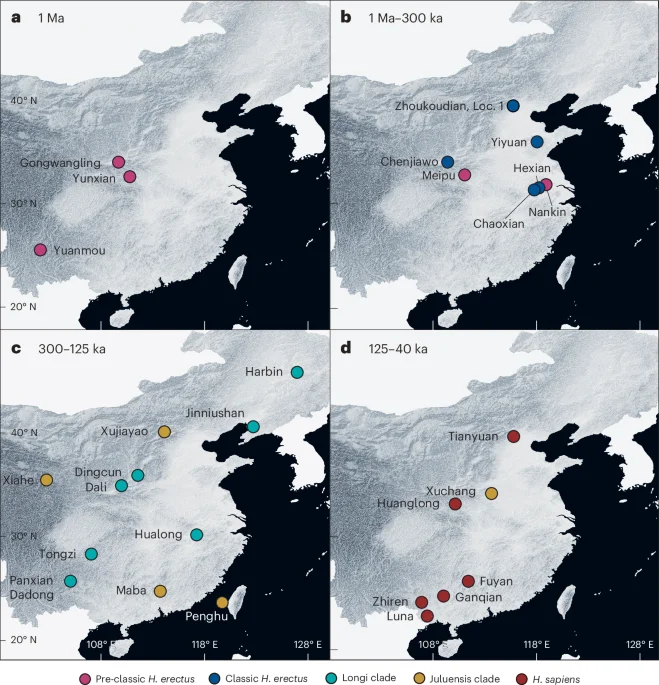
Scientists have identified a new human species called Homo juluensis based on fossil evidence from Asia, which challenges existing views on human evolution, suggests a possible link to Denisovans, and may explain the long-standing Xujiayao fossils.
A crushed skull found in China, dated to about 1 million years ago, has been digitally reconstructed and suggests that early Denisovans and related human lineages appeared much earlier than previously thought, potentially reshaping the timeline of human evolution and indicating that modern humans, Neanderthals, and Denisovans diverged over a million years ago.
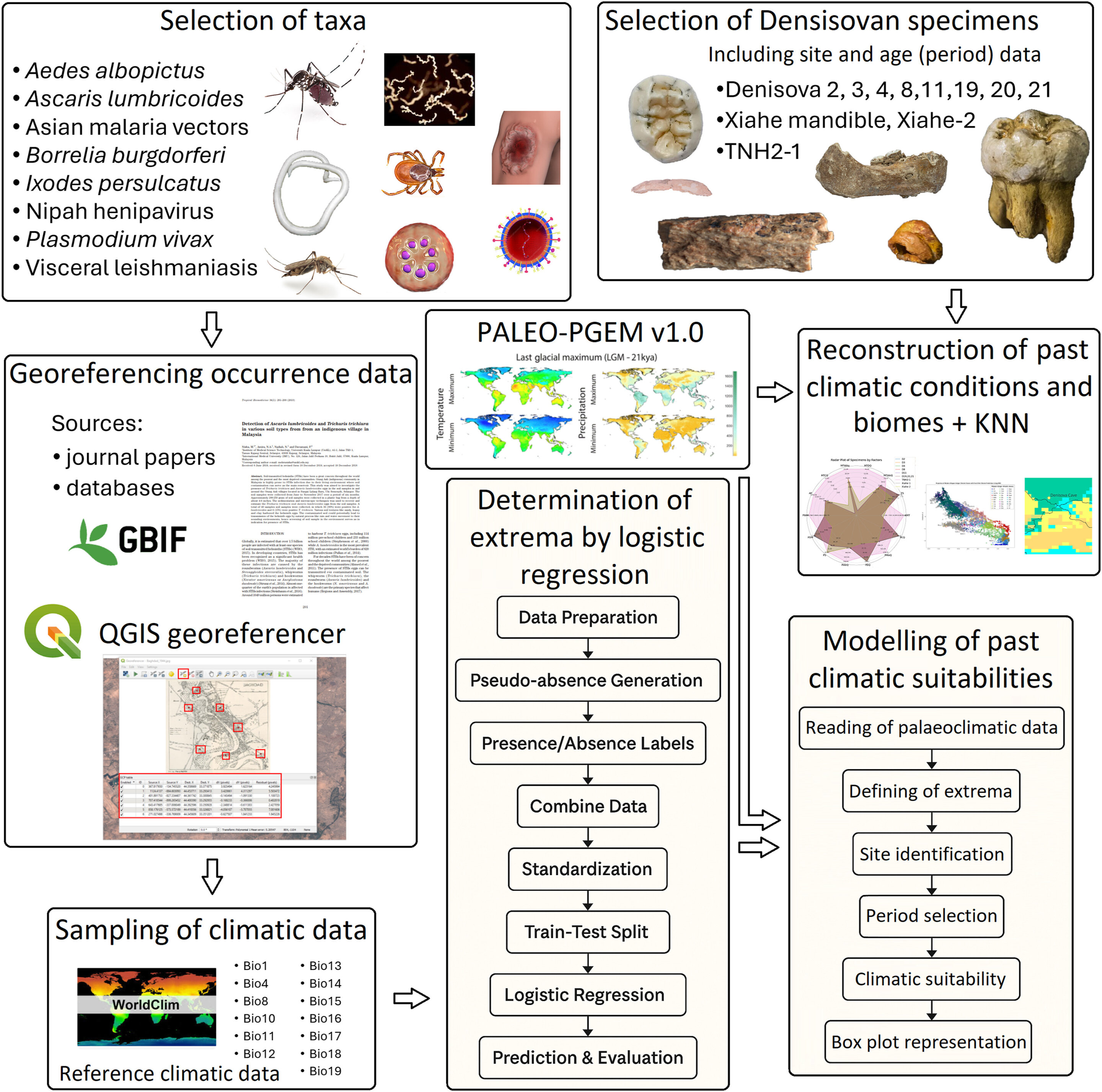
Research suggests that DNA inherited from extinct Denisovan ancestors may provide modern humans, especially in Melanesia, with genetic resistance to certain tropical diseases like malaria, shaped by the diverse environments Denisovans inhabited.
Scientists have developed new genetic techniques to identify Denisovan fossils in the fossil record, successfully matching two ancient skulls from China to the Denisovan profile and suggesting the potential to discover more extinct human relatives through genetic phenotyping.
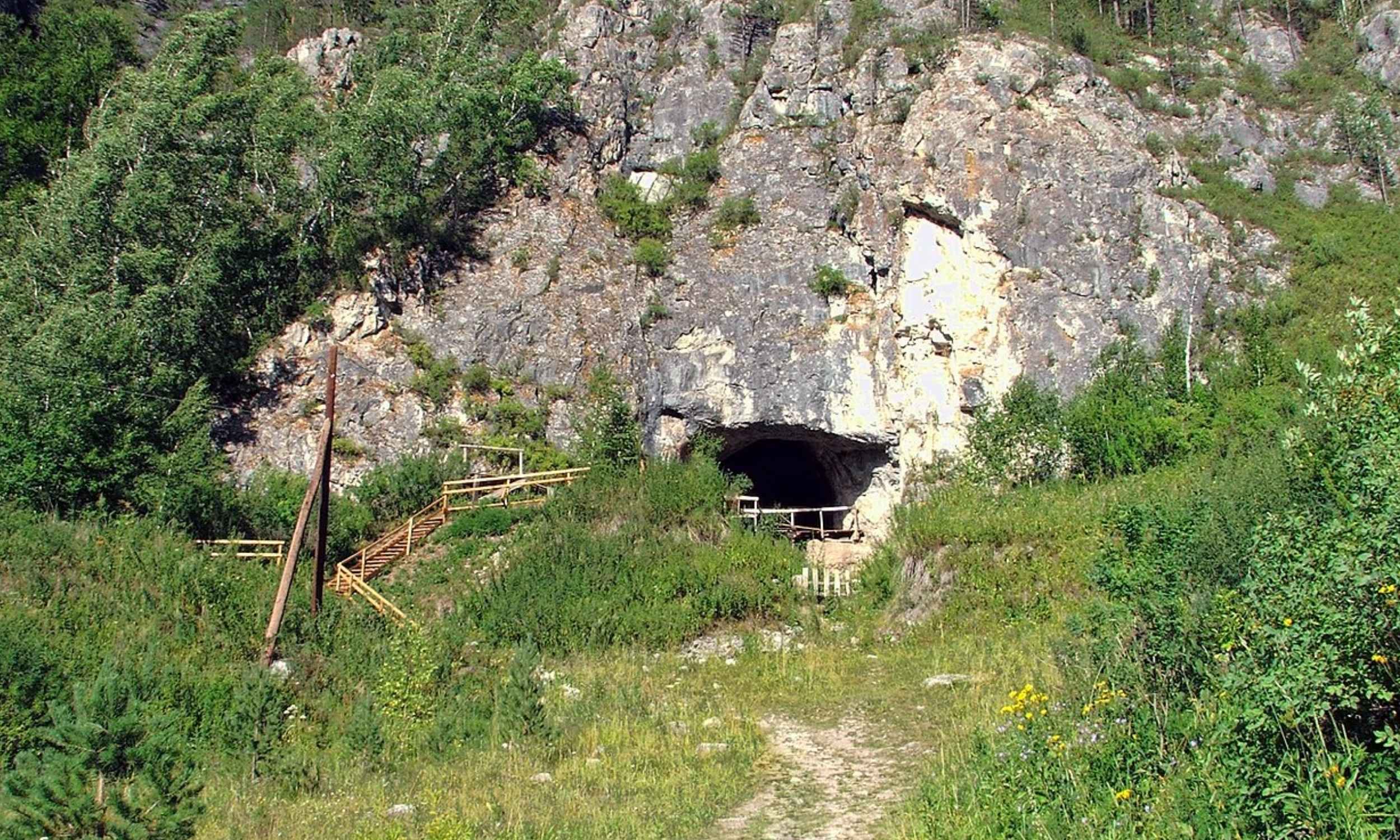
Recent research has significantly advanced our understanding of Denisovans, an ancient human lineage, through DNA analysis, cave sediment studies, and fossil discoveries, revealing their widespread presence, interactions with other hominins, and influence on modern human genetics, especially in Asia and Oceania.
A study suggests that ancient humans migrating to the Americas inherited DNA from Denisovans, an extinct hominin species, which may have helped them adapt to new environments, with particular focus on a gene called MUC19 involved in immune response.
Research indicates that interbreeding between Denisovans and early modern humans contributed to the genetic makeup of present-day humans, with evidence of multiple interbreeding events and Denisovan-derived genes providing survival advantages in various environments. Future studies aim to uncover more about Denisovan influence through genetic and archaeological research.
A discovery of 300,000-year-old wooden tools in southwest China suggests advanced plant-based foraging by Denisovans, challenging previous notions of technological lag in East Asia during the Paleolithic era.
DNA analysis of the Dragon Man skull has confirmed it as a Denisovan, providing the first clear physical link to this elusive human species and revealing their physical traits, geographic range, and genetic influence on modern humans, especially in Asia.
A 146,000-year-old skull, nicknamed the 'Dragon Man,' initially thought to be a new species, has been identified as belonging to the Denisovans through advanced DNA and protein analysis, providing the first complete Denisovan skull and offering new insights into human evolution.