Tag

Medical Advancements

All articles tagged with #medical advancements

29 Shocking Historical Medical Devices That Will Surprise You

Originally Published 5 months ago — by Bored Panda

Featured image for 29 Shocking Historical Medical Devices That Will Surprise You
Source: Bored Panda

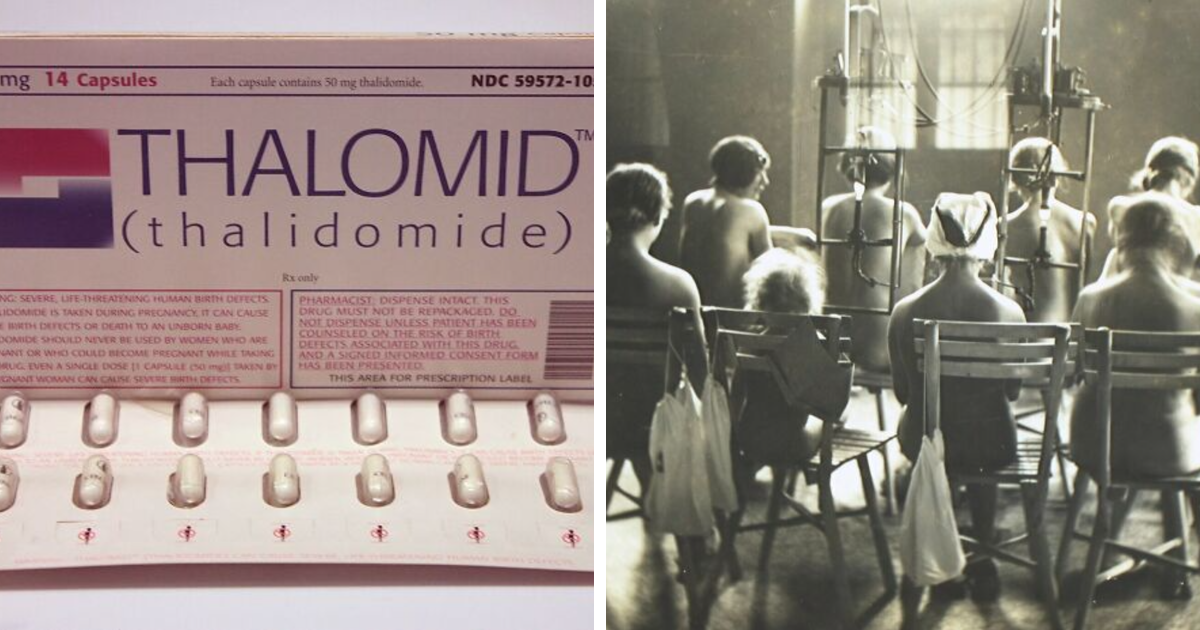
The article showcases bizarre and outdated medical devices and treatments from the past, highlighting how far modern medicine has come in terms of safety, effectiveness, and understanding of health, from early surgical methods to advanced diagnostic technology and vaccines.

Cancer Survivors Turn Adversity into Advocacy Mission

Originally Published 1 year ago — by NPR

Featured image for Cancer Survivors Turn Adversity into Advocacy Mission
Source: NPR

EJ Beck, a thyroid cancer survivor, and Brendan Harley, a leukemia survivor, both faced significant disruptions in their education and social lives due to their illnesses. Despite these challenges, they have turned their experiences into missions to improve cancer care. Beck is now a medical student at the hospital where she was treated, while Harley is a biochemical engineer developing better cancer treatments. Their stories highlight the importance of comprehensive support for young cancer patients, including educational assistance and emotional support, to help them reintegrate into normal life post-treatment.

Early Diagnosis Extends Lives of New Cancer Survivors

Originally Published 1 year ago — by NPR

Featured image for Early Diagnosis Extends Lives of New Cancer Survivors
Source: NPR

A new generation of cancer survivors is emerging, with early diagnoses and longer lifespans due to medical advancements like AI and genetic tools. However, cancer is becoming more common, especially among young adults, complicating their lives as they navigate careers and family. While the causes of increased cancer rates in young people are unclear, factors like obesity and pollutants may contribute. Young survivors face unique challenges but also find profound meaning and resilience in their experiences, highlighting the need for tailored support systems.

Revisiting Evolution: From Darwin's Theory to Modern Challenges

Originally Published 1 year ago — by The Daily Galaxy --Great Discoveries Channel

Featured image for Revisiting Evolution: From Darwin's Theory to Modern Challenges
Source: The Daily Galaxy --Great Discoveries Channel

Human evolution, traditionally driven by natural selection, is now influenced by technological, medical, social, and cultural factors. While advancements have reduced environmental pressures, evolution continues through genetic adaptations to diseases and cultural preferences. Future evolution may be shaped by climate change, space exploration, and biotechnology, indicating that human evolution is ongoing, albeit in new forms.

Are Our Bodies Outlasting Their Biological Limits?

Originally Published 1 year ago — by The Telegraph

Featured image for Are Our Bodies Outlasting Their Biological Limits?
Source: The Telegraph

Dr. Stuart Jay Olshansky, a longevity expert, argues against the possibility of humans living to 150 years, citing the biological limits of the human body. Despite advancements in medicine and public health, he believes life expectancy increases are slowing, and true anti-ageing interventions have yet to be discovered. Olshansky criticizes biohackers and the longevity market for making unsubstantiated claims about reversing ageing. He emphasizes the need for a comprehensive approach to slow ageing and improve healthspan rather than just lifespan.

Brain Surgery: A New Hope for Epilepsy Patients

Originally Published 1 year ago — by Ynetnews

Featured image for Brain Surgery: A New Hope for Epilepsy Patients
Source: Ynetnews

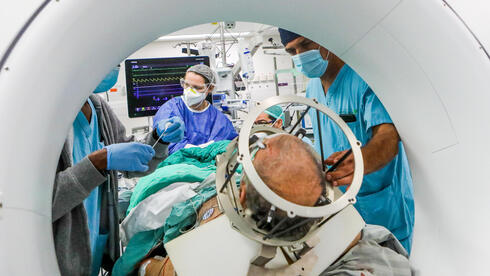
Epilepsy patients in Israel are finding new hope through brain surgery, which can remove the epileptic focus causing seizures. Despite the high success rate and low complication risk, many patients remain unaware or hesitant about the procedure. The surgery, which involves removing the part of the brain responsible for seizures, has helped patients like Avi, Shelly, and Alona lead seizure-free lives. With advancements in technology, such as 3D navigation systems and exoscopes, the surgery has become safer and more effective, offering a potential end to the debilitating effects of epilepsy.

"Dr. O’Rane Thomas Introduces Laparoscopic Colon Surgery in May Pen"

Originally Published 1 year ago — by Jamaica Gleaner

Featured image for "Dr. O’Rane Thomas Introduces Laparoscopic Colon Surgery in May Pen"
Source: Jamaica Gleaner

Dr O’Rane Thomas, a consultant general surgeon at May Pen Hospital, has performed the first laparoscopic colon surgery in the parish, marking a significant advancement in local healthcare. This minimally invasive procedure, which reduces recovery time and improves cosmetic outcomes, was previously only available at major hospitals in Jamaica. Dr Thomas aims to enhance patient care in the region, particularly in the early detection and treatment of colon cancer.

"Bethlehem Woman Celebrates 40 Years with Transplanted Heart"

Originally Published 1 year ago — by The Morning Call

Featured image for "Bethlehem Woman Celebrates 40 Years with Transplanted Heart"
Source: The Morning Call

Joy Prestosh, a 66-year-old woman from Bethlehem, celebrated 40 years with the same transplanted heart, making her one of the longest-lived heart transplant recipients in the U.S. Despite the median survival time for heart transplants being around a decade, Prestosh's adherence to medical advice, good care, and a bit of luck have contributed to her remarkable longevity. Her journey began with postpartum cardiomyopathy, leading to a life-saving transplant at age 26. She credits her survival to divine intervention, medical compliance, and a perfect donor match.

"Breakthrough Drug Approved for Silent Killer and Fatty Liver Disease"

Originally Published 1 year ago — by Financial Times

Weight-loss drugs are not the only potential blockbuster drugs in the fight against obesity-related conditions such as type 2 diabetes and heart disease. Researchers are exploring other avenues, including drugs that target the body's metabolism and appetite control. These potential breakthroughs could offer new hope in the battle against obesity and its associated health risks.

"US Leadership in Global Heart Disease Fight: The American Heart Association at 100"

Originally Published 2 years ago — by Daily Mail

Featured image for "US Leadership in Global Heart Disease Fight: The American Heart Association at 100"
Source: Daily Mail

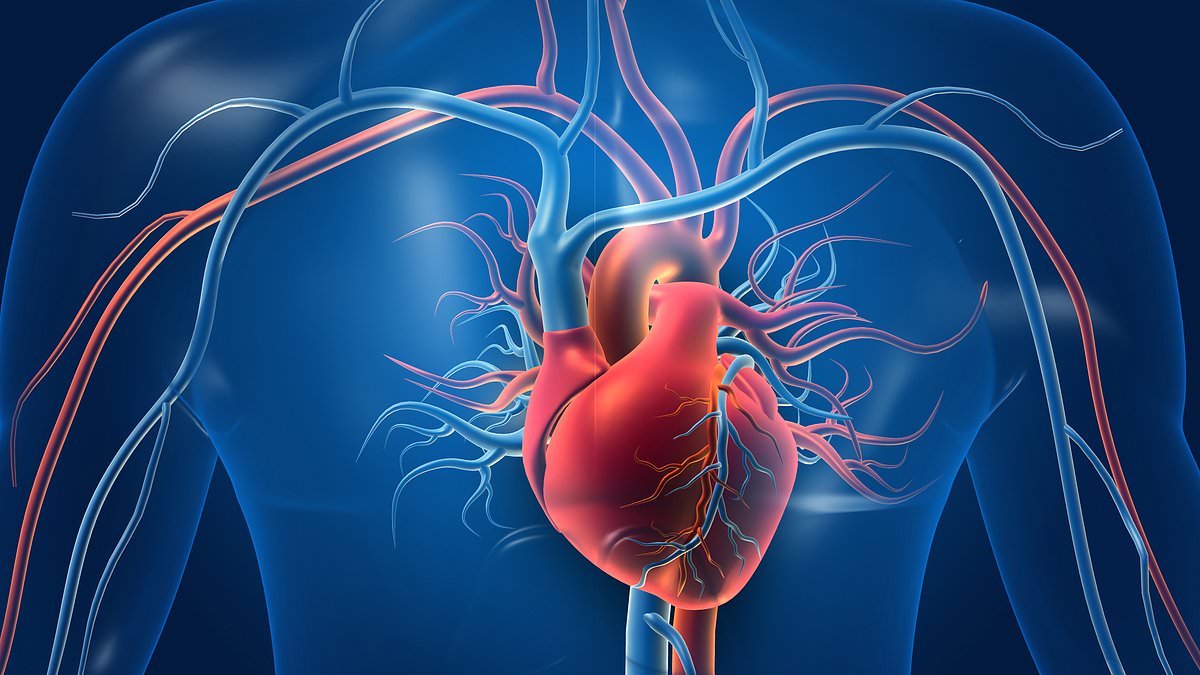
The American Heart Association celebrates its 100th anniversary, marking significant progress in the fight against heart disease, the leading cause of death in the US. From a time of limited understanding and treatment options, the organization has played a pivotal role in reducing heart disease deaths by 70%. Medical advancements, lifestyle changes, and improved diagnosis methods have contributed to this progress, with over 350 drugs now available for heart disease. Despite these achievements, heart disease remains a major health concern, and ongoing efforts are focused on reducing risk factors and developing new treatments.

The Science Behind Highly Effective Weight-Loss Drugs

Originally Published 2 years ago — by The Ringer

Featured image for The Science Behind Highly Effective Weight-Loss Drugs
Source: The Ringer

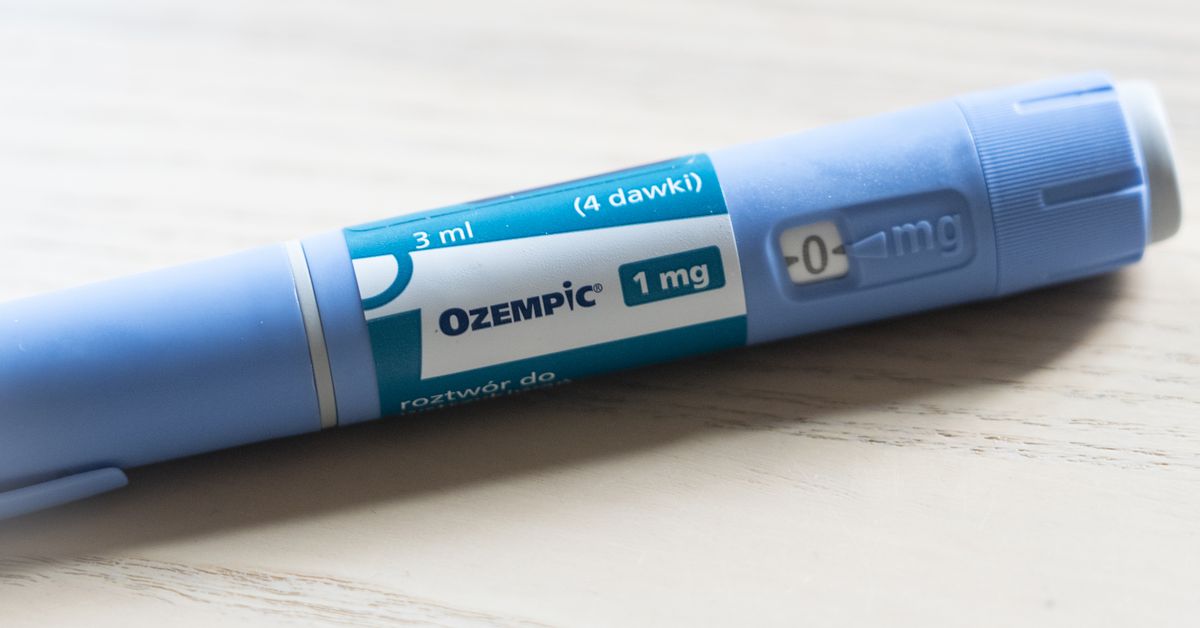
The weight-loss drug revolution is making a significant impact on patients with obesity and diabetes. Beverly Tchang, an endocrinologist, explains that these drugs are changing the way we view obesity as a disease and are providing new options for patients. The new generation of weight-loss drugs, such as Ozempic (semaglutide), are showing promising results with significant weight loss and the potential to reverse other medical problems like diabetes, hypertension, and high cholesterol. These drugs work by targeting the peptides produced in the gut that control appetite, providing insights into the biology of obesity. The convenience of once-a-week injections is also appealing to patients.

"Top Cancer Doctor Predicts 50% Reduction in Deaths by 2050"

Originally Published 2 years ago — by Daily Mail

Featured image for "Top Cancer Doctor Predicts 50% Reduction in Deaths by 2050"
Source: Daily Mail

Dr. Ned Sharpless, the former Director of the National Cancer Institute, predicts that deaths from cancer in the United States will be halved by 2050, thanks to remarkable medical advancements. The introduction of immunotherapy drugs has transformed the landscape of cancer treatment, with aggressive skin and breast cancers now being curable. Lung cancer, the leading cause of cancer fatalities, is also expected to decline sharply due to progress in tobacco control and the development of new treatments. While cancer rates in young people are increasing, the overall burden of colon cancer deaths remains small. President Biden's Cancer Moonshot initiative aims to prevent over four million cancer deaths by 2047, with a goal of reducing the age-adjusted cancer death rate by at least 50% over 25 years.

"Revolutionizing Surgery: Smart Lasers Replace Traditional Bone Saws"

Originally Published 2 years ago — by Phys.org

Featured image for "Revolutionizing Surgery: Smart Lasers Replace Traditional Bone Saws"
Source: Phys.org

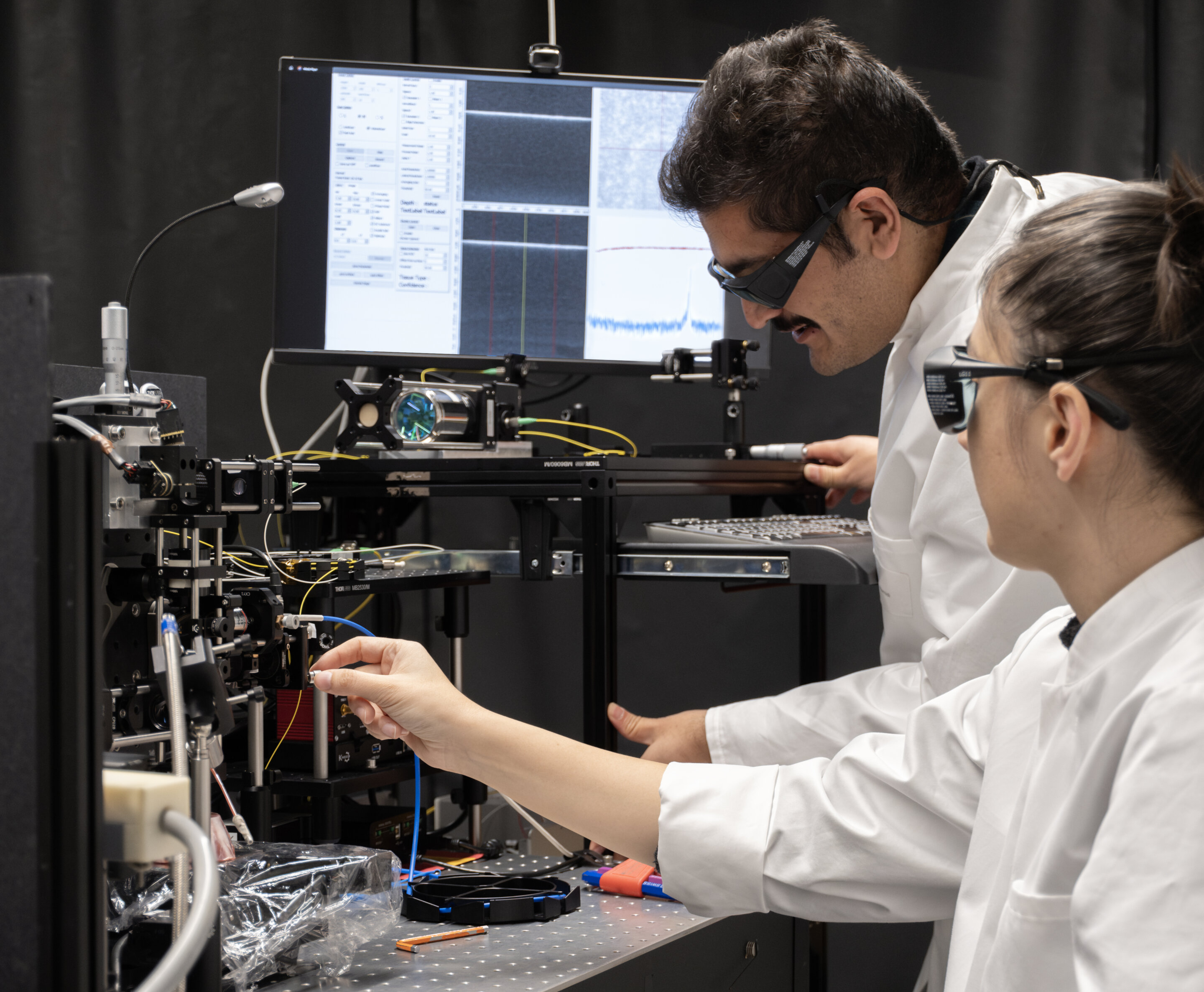
Researchers at the University of Basel have developed a system that combines three lasers to cut bone, control cutting depth, and differentiate between different tissues. The first laser scans the surroundings and creates a map of the bone and soft tissue. The second laser cuts the bone only in the designated areas, while the third laser measures the depth of the cut. The system is autonomous and has been tested on femur bones and pig tissue, proving its accuracy and potential for minimally invasive surgery. The researchers are working on miniaturizing the system to fit into the tip of an endoscope.

"Revolutionary DNA-Altering Drugs: A Potential Cure for Heart Disease"

Originally Published 2 years ago — by Daily Mail

Featured image for "Revolutionary DNA-Altering Drugs: A Potential Cure for Heart Disease"
Source: Daily Mail

Scientists have unveiled a series of groundbreaking treatments for heart disease, including drugs that can permanently alter DNA to halt the production of damaging cholesterol and reduce high blood pressure. These pioneering therapies have the potential to revolutionize the treatment of heart disease and could eliminate the need for daily tablets such as statins, blood thinners, and beta blockers. While these treatments are still in the early stages and their side effects are yet to be fully understood, they offer hope for millions of patients worldwide. Additionally, other medical advancements include a blood pressure control study that could lower the risk of dementia, a diabetes pill that aids heart attack recovery, and a new blood-thinning jab that is safer than current medications.