Weight loss drugs like Wegovy and Mounjaro not only suppress hunger but also alter taste perceptions and reduce the reward value of unhealthy foods, leading to changes in food preferences and potentially improving dietary habits, though side effects like gastrointestinal discomfort can also influence eating behavior.
Elvis Presley hated the smell of fish so much that he banned it from his home, Graceland, despite his love for Southern comfort foods like fried chicken and mashed potatoes.
The author shares their personal dislike for hot dogs, despite their popularity in American culture, especially during Memorial Day cookouts. They recount childhood trauma and social pressures that contributed to their aversion, and even after a recent taste test, they remain unimpressed. The piece highlights the feeling of being an outlier in a society that loves hot dogs.
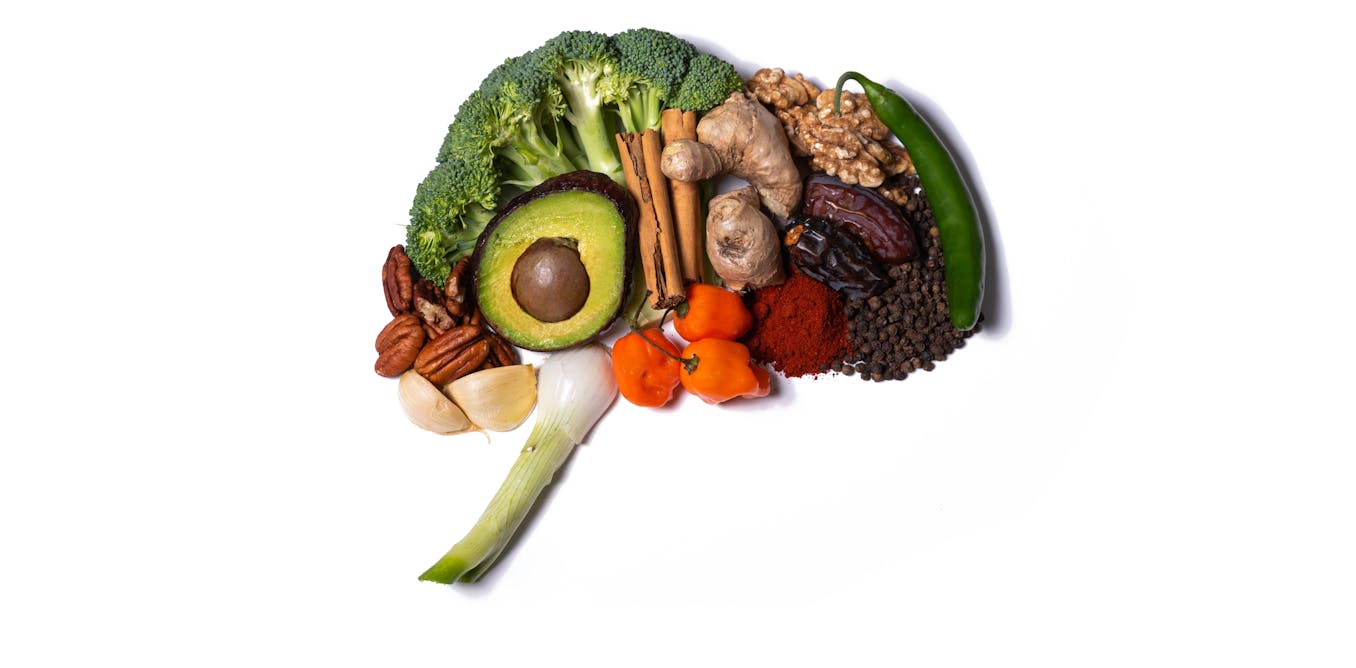
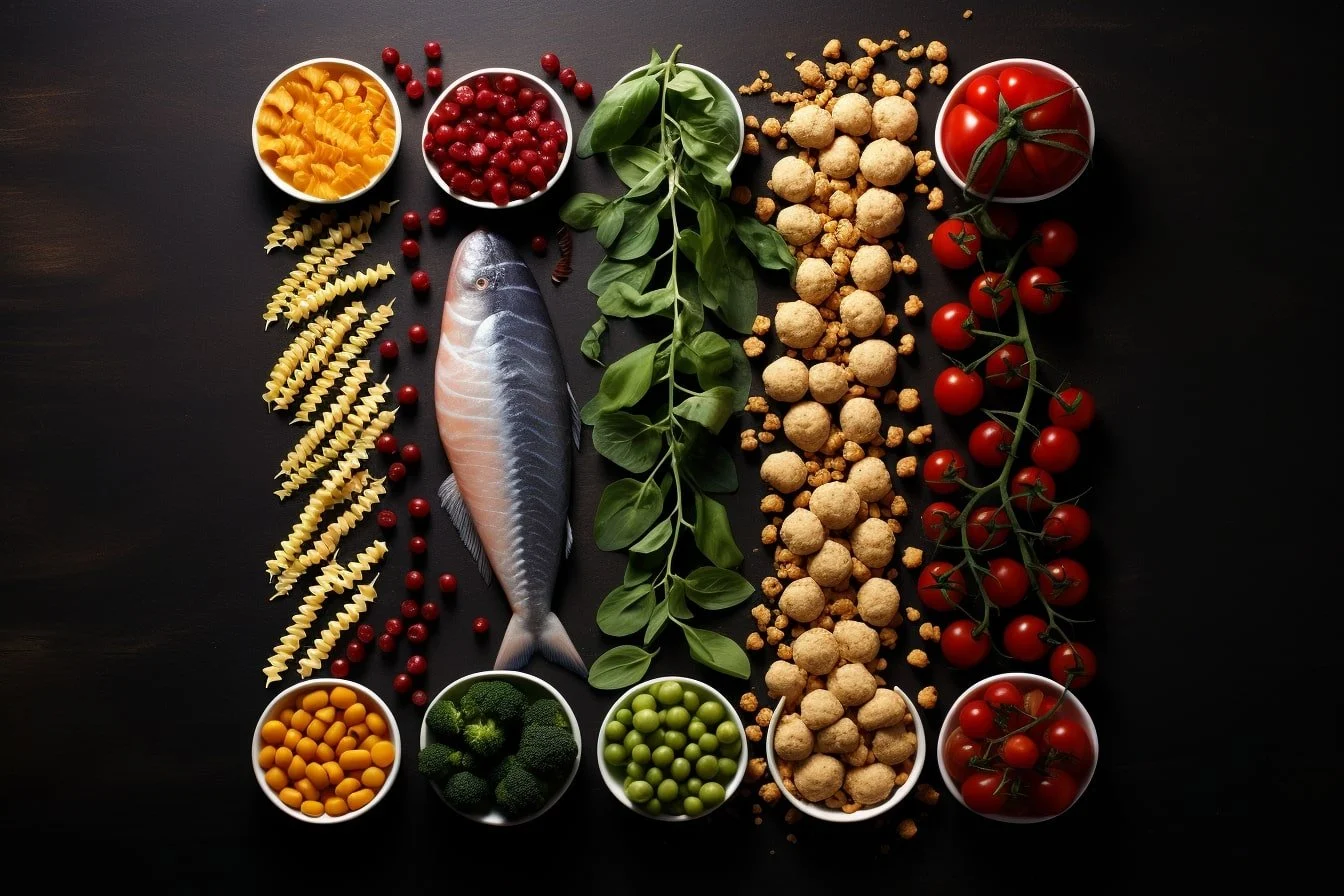
Food preferences are shaped by genetics, culture, and personal experiences, and play a significant role in shaping dietary habits. A preference for highly palatable but unhealthy foods has contributed to a global increase in obesity, which is linked to a higher risk of physical and mental health conditions. A study of 181,990 participants found that those with a balanced diet had better brain health, cognitive function, and mental health compared to those with low-carb, vegetarian, or high protein/low fiber diets. The Mediterranean and Mind diets, which promote a balanced mix of foods, have been shown to improve brain health and cognition. Genes may partly determine food preferences, which in turn affect brain function, but establishing healthy food preferences and an active lifestyle early in life is vital. Social support, cognitive behavioral therapy, and distraction techniques can help encourage adherence to healthy eating habits, and affordable healthy eating options should be prioritized by governments.
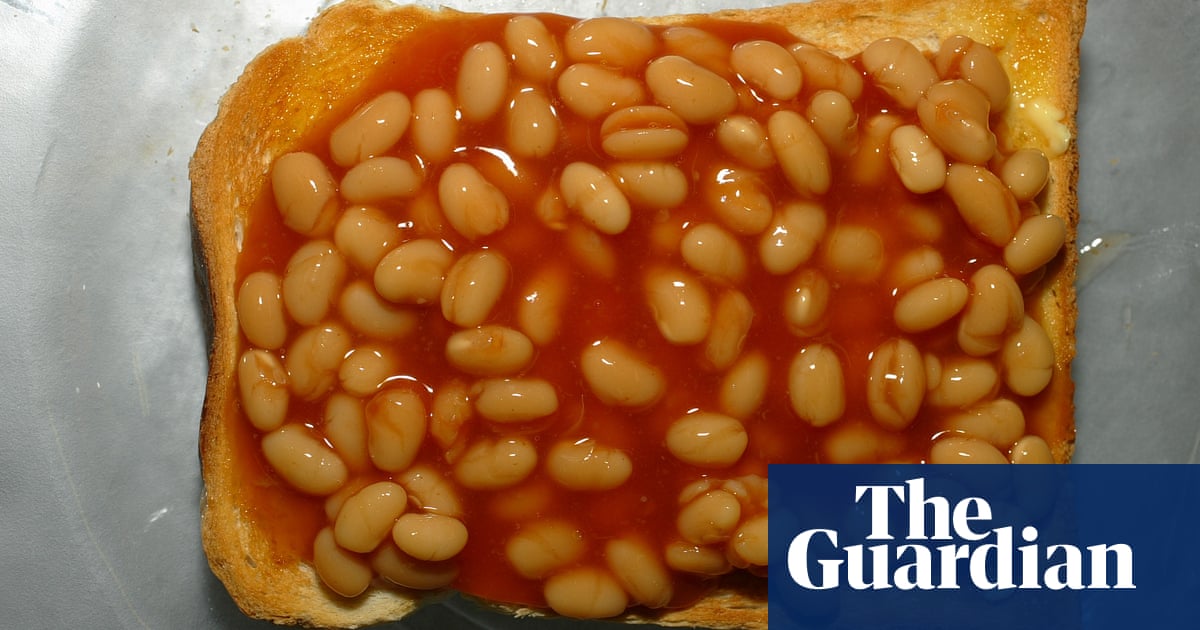
Baked beans in tomato sauce, popular in the British Isles, have not gained widespread popularity elsewhere, with some viewing them as a depressing or pitiable form of sustenance. Despite being cheap, delicious, and nutritious, they have not caught on outside the UK, prompting questions about cultural differences and food preferences.
Actress Julianne Moore expressed her dislike for mashed potatoes during a panel discussion, stating that she finds them to be "just mush." This is not the first time Moore has voiced her disdain for the Thanksgiving staple, as she previously mentioned it in a 2017 interview. Her co-stars Natalie Portman and Charles Melton also shared their food preferences, with Portman disliking fruit in salad and Melton not being a fan of bleu cheese or oatmeal.
A study analyzing 3D images of human tongues suggests that each person may have a unique "tongue print" similar to fingerprints. The research could provide insights into why people have varied food preferences and help design healthier alternatives to fatty or sugary foods. The study found that a single papilla could predict someone's gender and age with moderate accuracy, and even identify specific individuals with about 48% accuracy. Understanding the distribution of papillae and their correlation with medical conditions could offer new insights, while personalized foods could be designed based on individual tongue features.
A study from Bristol University challenges the assumption that ultra-processed foods (UPFs) are more appealing than other options. Researchers found that people didn't desire UPFs any more than lesser-processed or wholly unprocessed foods. The study suggests that humans are programmed to prefer foods with a balance of carbohydrate and fat content, and lower amounts of fiber, as they are less filling per calorie. UPFs make up more than half of our diets in the US and UK and have been linked to health risks such as heart disease, weight gain, excess body fat, and certain cancers. The study highlights the importance of incorporating whole foods into our diets.
A study challenges the assumption that ultra-processed foods (UPFs) are more likable or desirable than less processed options. Instead, foods with a balanced carbohydrate and fat content, higher taste intensity, and lower fiber content were found to be more favored. This suggests that our inherent food preferences may be geared towards maximizing calorie intake over fullness, reflecting an evolutionary adaptation for fluctuating food availability. The study highlights the importance of considering factors such as carbohydrate-to-fat ratio and taste intensity when studying food liking and reward.
The ability to enjoy new flavors and expand one's palate is influenced by a combination of genetics and environmental factors. While taste buds play a role in detecting flavors, the overall experience of food is influenced by factors such as smell, texture, appearance, and sound. Children have a natural preference for sweet and salty tastes but can develop a liking for bitter foods as they grow older. Strategies for acquiring a taste for new foods include repeated exposure, masking bitterness with other ingredients, eating in positive contexts, and starting young. Understanding how food preferences form and evolve is important for maintaining a balanced and varied diet.
A study conducted by the University of Bristol challenges the assumption that ultra-processed foods (UPFs) are more appealing than less processed foods. The research found that, on average, UPFs were no more liked or desired than processed or unprocessed foods. The study suggests that taste intensity, carbohydrate-to-fat ratio, and food fiber content play a significant role in food preferences. The findings highlight the importance of considering factors beyond processing levels when assessing the appeal of different food types. The consumption of UPFs has been linked to various health risks, including weight gain, heart disease, and an increased risk of cancer.
A study utilizing the UK Biobank has identified approximately 500 genes that influence our food preferences, particularly those related to sensory pathways such as taste, smell, and texture. These genes have the potential to create sensory genetic profiles, allowing for precision nutrition strategies tailored to individuals' dietary likes and dislikes. The research highlights the role of genetics in shaping our food choices and could lead to improved health outcomes and disease prevention.
A new study using worms has shed light on the workings of the endocannabinoid system and why cannabis consumption enhances mood and increases cravings for high-calorie foods. Researchers found that exposure to anandamide, an endocannabinoid, increased the worms' preference for higher-quality food, similar to the "munchies" effect in humans. The study suggests that worms can be a useful model for studying the endocannabinoid system and developing better drugs that target this system with fewer side effects.
A new study suggests that sugary and fatty snacks have the potential to alter how a person's brain works, causing them to crave and prefer high-sugar, high-fat foods. The study found that these types of foods stimulate the human brain's dopamine system, giving the consumer a feeling of reward and leading them to desire that food even more. However, more research is needed to fully understand the link between sugar, fat, and the human brain. It is recommended to fill your diet with other nutrient-dense foods to properly fuel your body and brain.
A study published in the journal Cell Metabolism suggests that eating fatty or sugary snacks alters our brain activity and creates lasting preferences for these less healthy items. The study showed that fatty, sugary snacks activate the brain’s dopamine system, which gives people a feeling of motivation or reward. The research is the first to demonstrate in humans that even small dietary changes can rewire brain circuits and increase the long-term risk of overeating or weight gain.