Researchers are exploring the effects of cannabis on ADHD symptoms, focusing on its interaction with the endocannabinoid system. While cannabis may influence attention, hyperactivity, and anxiety, the evidence is limited due to legal restrictions and the complexity of ADHD. Cannabidiol (CBD) is often preferred for its non-psychoactive properties, but lacks sufficient scientific support for ADHD treatment. The study highlights the need for more rigorous research to understand the potential therapeutic role of cannabis in ADHD management.

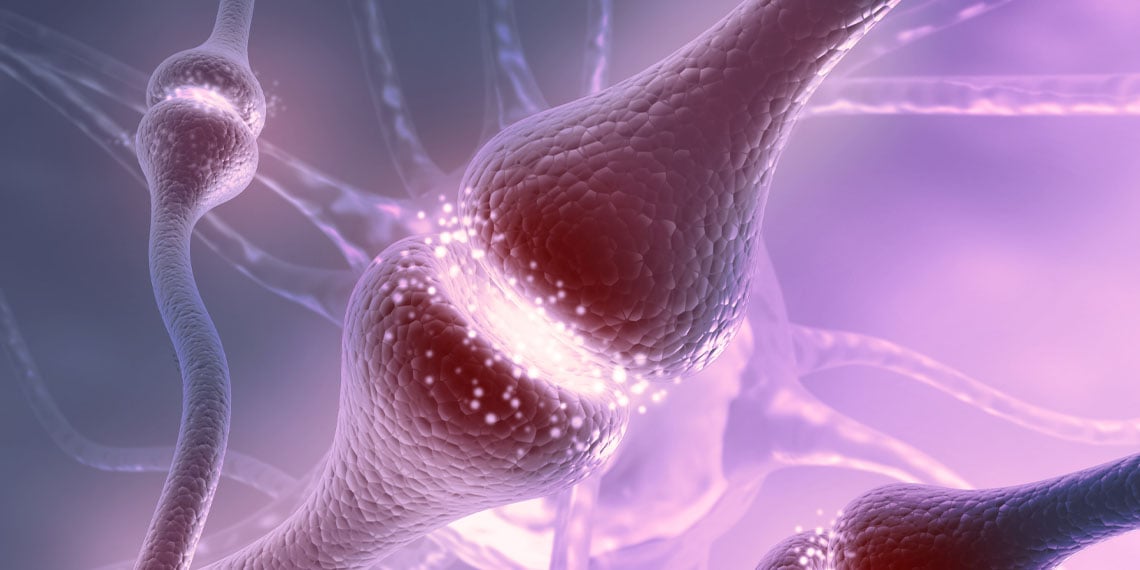
A new study has identified a potential mechanism for why sleep deprivation can intensify pain sensitivity. Researchers found that sleep-deprived mice had reduced levels of the neurotransmitter N-arachidonoyl dopamine (NADA) in a brain region associated with sensory processing and arousal. Administering NADA to this region alleviated heightened pain response in the mice. The study suggests that sleep disruption leads to decreased NADA levels, contributing to increased pain sensitivity. The findings highlight the potential of targeting the endocannabinoid system, which includes NADA, as a therapeutic approach for managing pain associated with sleep loss.
A study conducted by Northwestern Medicine has found that the brain releases its own cannabinoid molecules during times of stress, which activate the same receptors as THC from cannabis plants. These endogenous cannabinoids are released by the amygdala, a key emotional brain center, and help dampen the stress response from the hippocampus. Impairments in this endogenous cannabinoid signaling system could potentially increase susceptibility to stress-related psychiatric disorders. The study suggests that increasing levels of endogenous cannabinoids could be a potential therapeutic approach for stress-related disorders.
A study published in Molecular Psychiatry has identified potential protective factors against substance use disorder in individuals with a history of childhood maltreatment. The research found that those who experienced childhood maltreatment but did not develop substance use disorder exhibited better emotional control and healthier functioning of the endocannabinoid system. These findings may contribute to the development of interventions to prevent substance use disorder in individuals who have suffered childhood maltreatment. However, the study had limitations in terms of sample size and reliance on self-reported measures. Further research is needed to better understand the mechanisms behind resilience and to explore other potential factors that contribute to it.
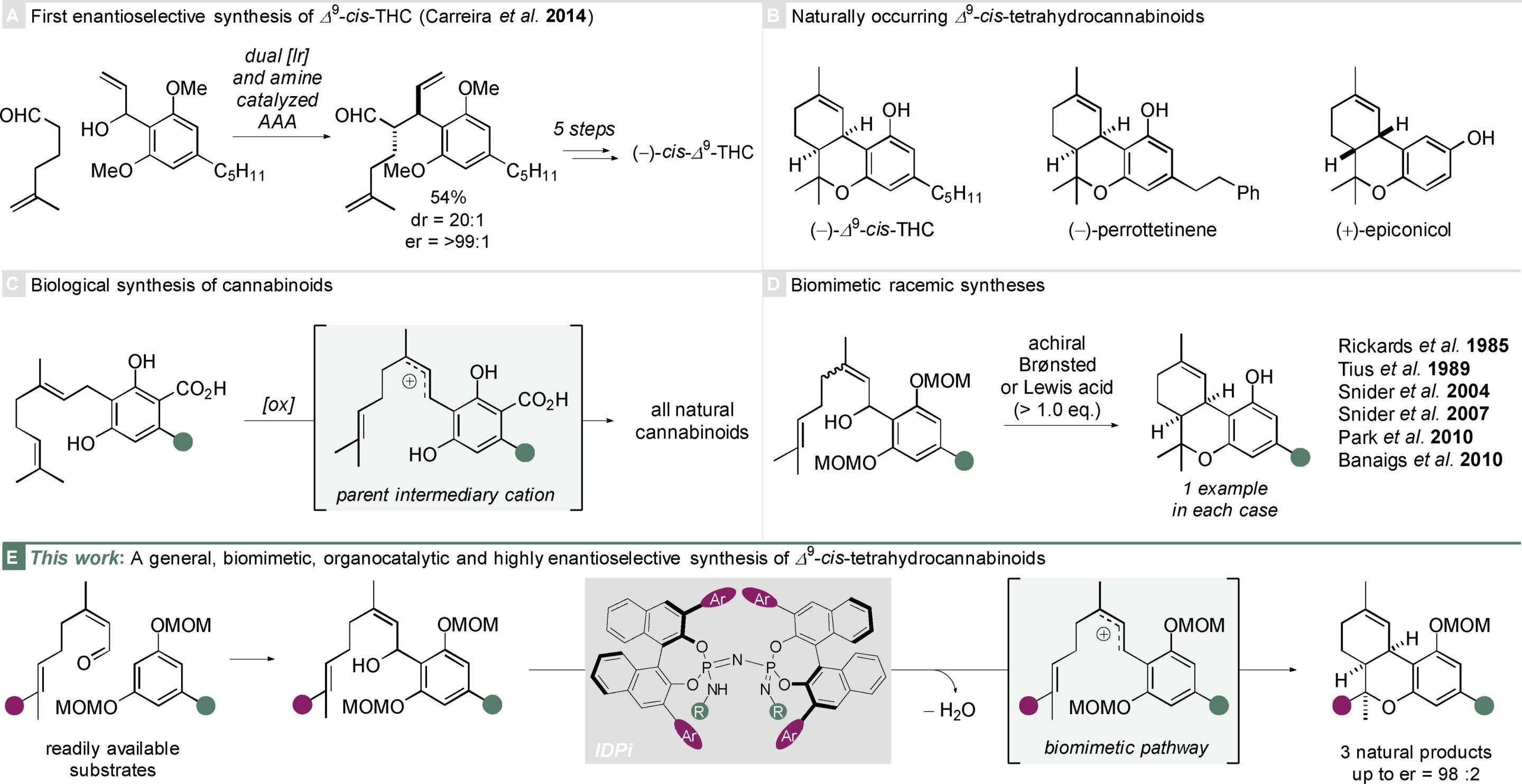
Researchers at Leipzig University have developed a new, simple, and inexpensive method for synthesizing cis-tetrahydrocannabinol (cis-THC), a natural substance found in the cannabis plant that produces the characteristic psychoactive effect and has many potential applications, including in the pharmaceutical industry. The new method allows for the production of cis-tetrahydrocannabinoids and testing them for their biological activity, which was not possible before. The substance can be synthesized with high overall yields and excellent optical purities using the new method, and it requires very small amounts of catalyst, which is highly attractive from an environmental perspective in terms of saving energy and resources and minimizing by-products.
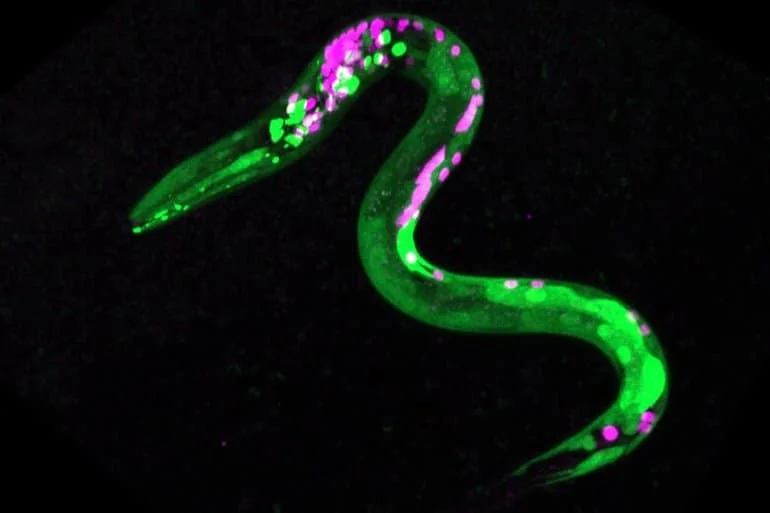
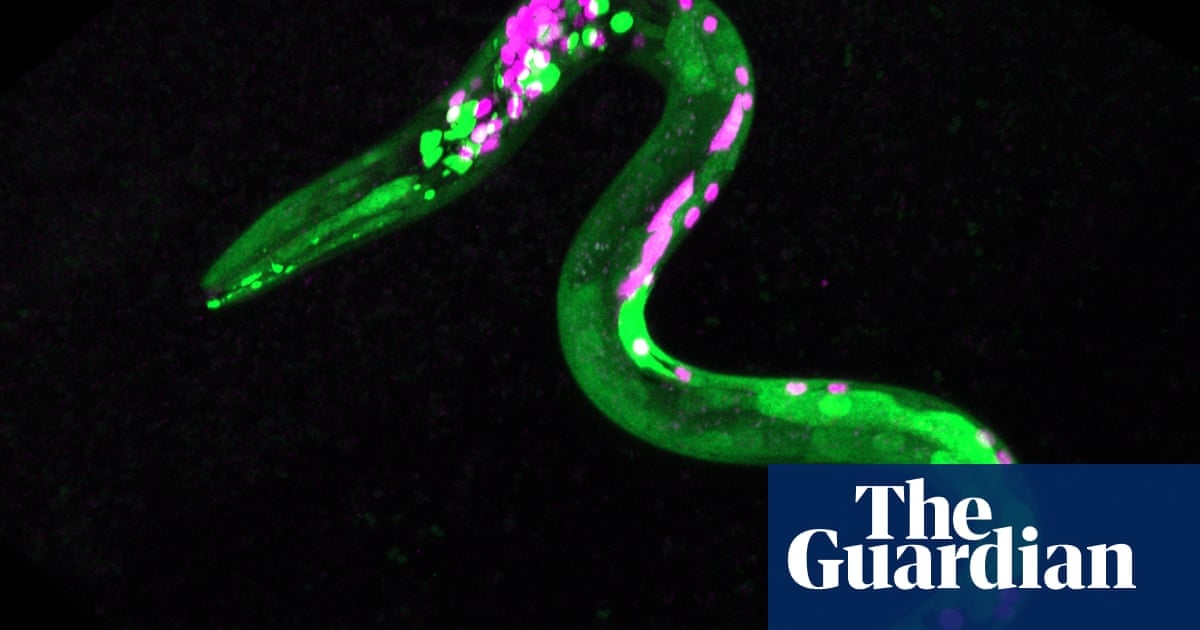
A new study using worms has shed light on the workings of the endocannabinoid system and why cannabis consumption enhances mood and increases cravings for high-calorie foods. Researchers found that exposure to anandamide, an endocannabinoid, increased the worms' preference for higher-quality food, similar to the "munchies" effect in humans. The study suggests that worms can be a useful model for studying the endocannabinoid system and developing better drugs that target this system with fewer side effects.
A new study published in the journal Current Biology found that roundworms, C. elegans, experience the munchies when dosed with cannabinoids. The worms showed a marked preference for high-calorie junk food. The endocannabinoid system (ECS) regulates and controls several critical bodily functions, including appetite. Cannabis plants have substances that bind to the same receptors as the ECS, notably marijuana's active ingredient, tetrahydrocannabinol (THC), which stimulates appetite by binding to CB1 receptors and mimicking the activity of the body's naturally produced cannabinoids. The study could further our understanding of the endocannabinoid system and help drug development.
Worms display a stronger preference for higher-calorie foods after consuming cannabis, just as humans crave junk food after taking the drug, according to a study published in the journal Current Biology. The finding suggests that cannabis can interfere with an important mechanism that helps regulate appetite. The study also suggests that worms could be used in testing and screening drugs for human use.