
Lymph Node Environment Influences FSP1 Targeting and Ferroptosis in Melanoma and Lung Cancer
TL;DR Summary
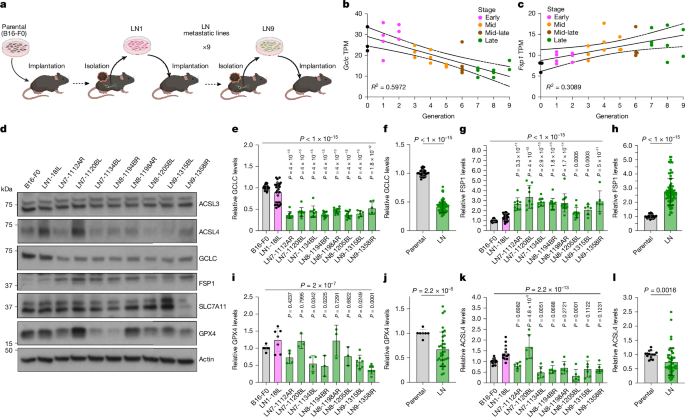
The study reveals that the lymph node microenvironment promotes resistance to ferroptosis in metastasizing melanoma by downregulating GSH synthesis and upregulating FSP1, which localizes to lysosomes and provides a GPX4-independent protective mechanism. Oxygen levels and epigenetic regulation influence GPX4 stability and ferroptosis sensitivity, suggesting potential therapeutic strategies targeting FSP1 and GSH synthesis in LN metastases.
- Lymph node environment drives FSP1 targetability in metastasizing melanoma Nature
- Targeting FSP1 triggers ferroptosis in lung cancer Nature
- Triggering cell death in metastatic melanoma may pave the way for new cancer treatments Harvard T.H. Chan School of Public Health
- Oxygen Levels and Lymph Node Microenvironment Linked to Ferroptosis Sensitivity in Melanoma Cells geneonline.com
- Lymph Node Drives FSP1 Target in Melanoma Bioengineer.org
Reading Insights
Total Reads
0
Unique Readers
1
Time Saved
71 min
vs 71 min read
Condensed
100%
14,160 → 55 words
Want the full story? Read the original article
Read on Nature