
A British biotech company has developed a cannabis-inspired drug, ART27.13, that helps cancer patients gain weight and improve activity levels by enhancing appetite without causing a high, showing promising results in phase two trials and potential for future approval and use.
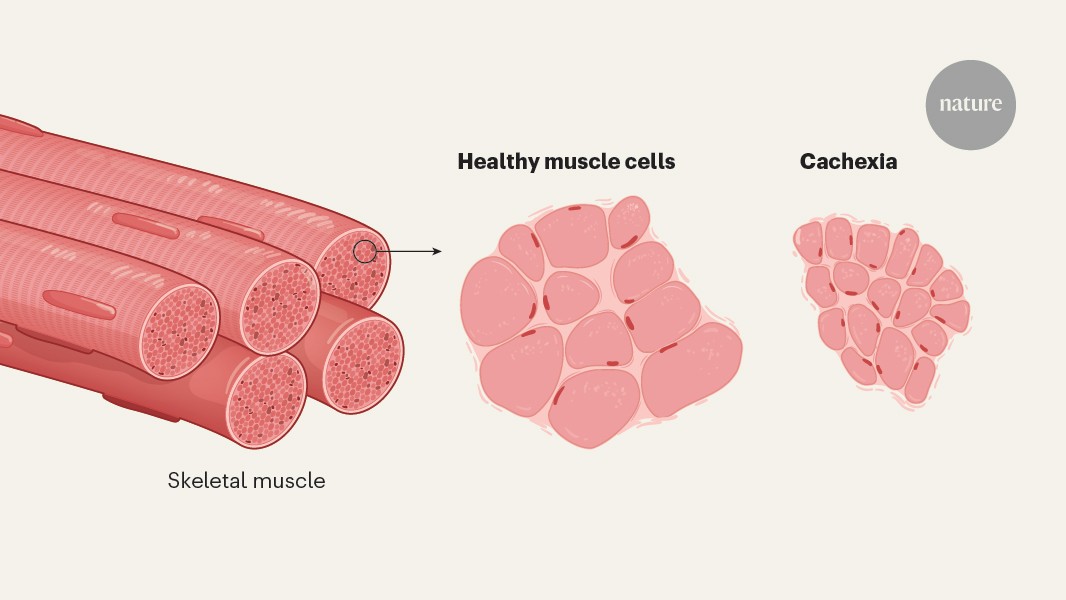
Research identifies RNA expression patterns linked to cachexia, a severe weight-loss syndrome associated with cancer that involves skeletal muscle wasting and is resistant to nutritional interventions, potentially leading to new treatment targets.
Scientists are researching ways to counteract cachexia, a wasting condition in cancer patients, by targeting biological pathways like interleukin-6, aiming to improve quality of life and survival rates, and develop an 'anti-Ozempic' approach to boost appetite and resilience in patients.
Researchers at the Weizmann Institute and MD Anderson Cancer Center discovered that blocking the right vagus nerve can prevent cachexia, a deadly syndrome causing severe weight and muscle loss in cancer patients, using existing clinical technologies, offering hope for improved treatments and patient outcomes.
A keto diet in mice slowed the growth of cancer cells but also promoted the wasting that is often associated with late-stage cancer, according to a new study. Cachexia can lead to a termination of treatment as a patient becomes too weak to withstand cancer drugs any longer. The study suggests that augmenting a keto diet with corticosteroids may delay the development of cachexia. However, caution is warranted as steroids are powerful drugs and have many effects. A true keto diet, such as the type used in the study, should only be considered under the supervision of a physician.