Tag

Dormancy

All articles tagged with #dormancy

science1 year ago

Tracing the Origins of the First Seeds

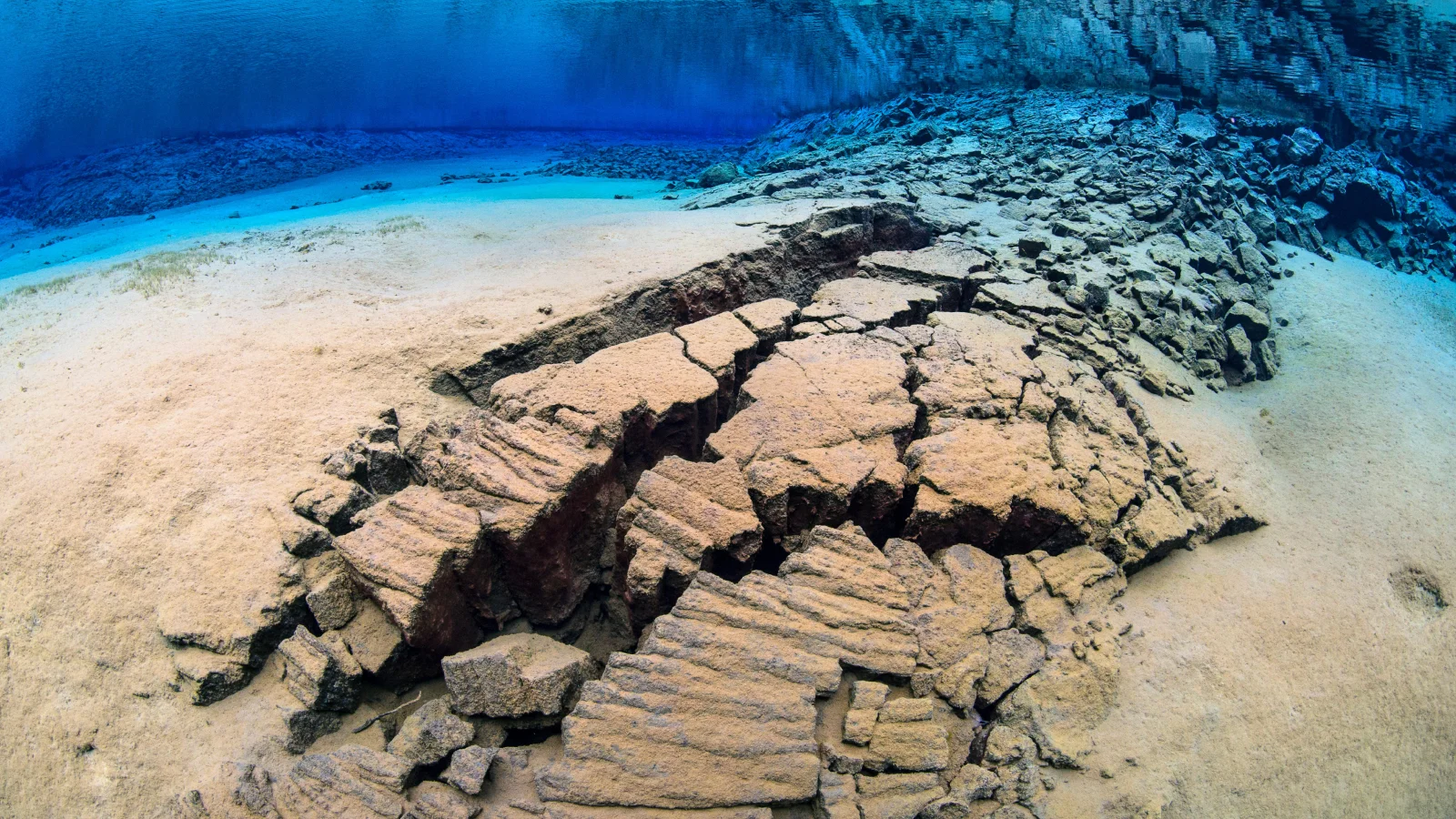
The first seeds emerged during the Devonian period, around 372 million years ago, as plants transitioned from spores to seeds for reproduction. This evolution provided plants with advantages such as protective shells, food storage, and adaptability to diverse environments, allowing them to thrive and diversify. Seeds can remain dormant, enabling them to survive across generations and travel long distances, contributing to their evolutionary success.

science1 year ago

"Earth's Life Largely Dormant After Hitting 'Emergency Brake'"

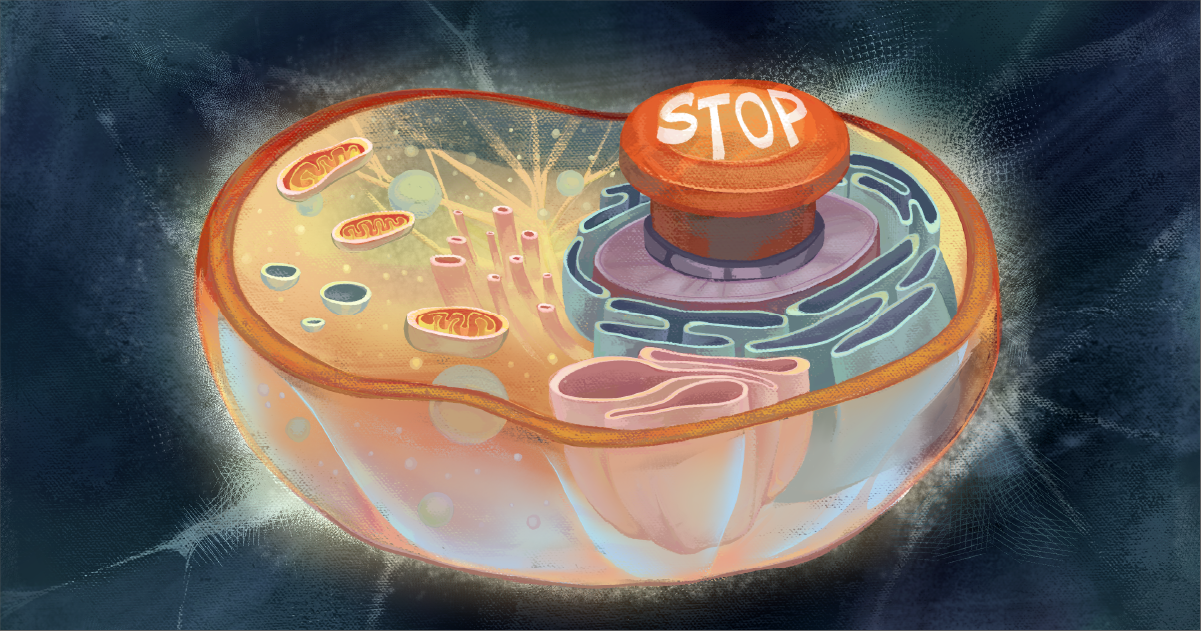
Researchers have discovered a protein called Balon that can halt protein production in cells, inducing dormancy. Found in Arctic bacteria, Balon is common across many organisms and represents a novel mechanism for dormancy, crucial for survival in harsh conditions. This discovery could help engineer organisms to withstand climate change and reframes dormancy as a vital, universal survival strategy.

ecology1 year ago

"The Looming Ecological Threat of Invasive Plant Time Bombs"

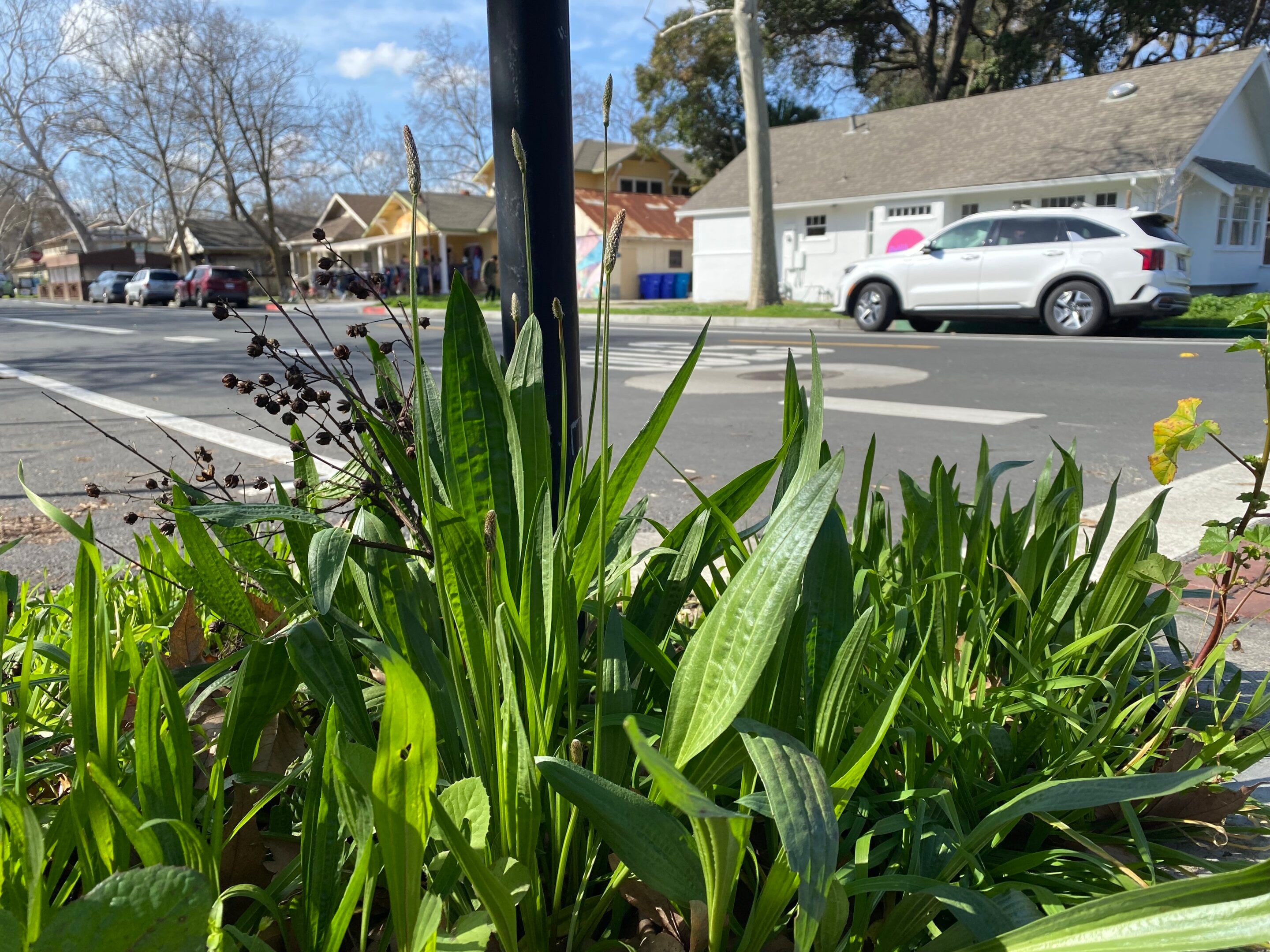
A new study led by the University of California, Davis reveals that invasive plants can remain dormant for decades or even centuries before rapidly expanding and causing ecological damage. The research, published in Nature Ecology and Evolution, analyzed over 5,700 species of invasive plants in nine regions globally, finding that nearly one-third exhibited lag periods between introduction and rapid expansion, with the average time being 40 years. The study emphasizes the need to consider dormancy periods in managing pests and preventing widespread invasion and economic losses in the future.

earth-science2 years ago

Ciomadul study reveals rapid and explosive eruptions of long dormant volcanoes

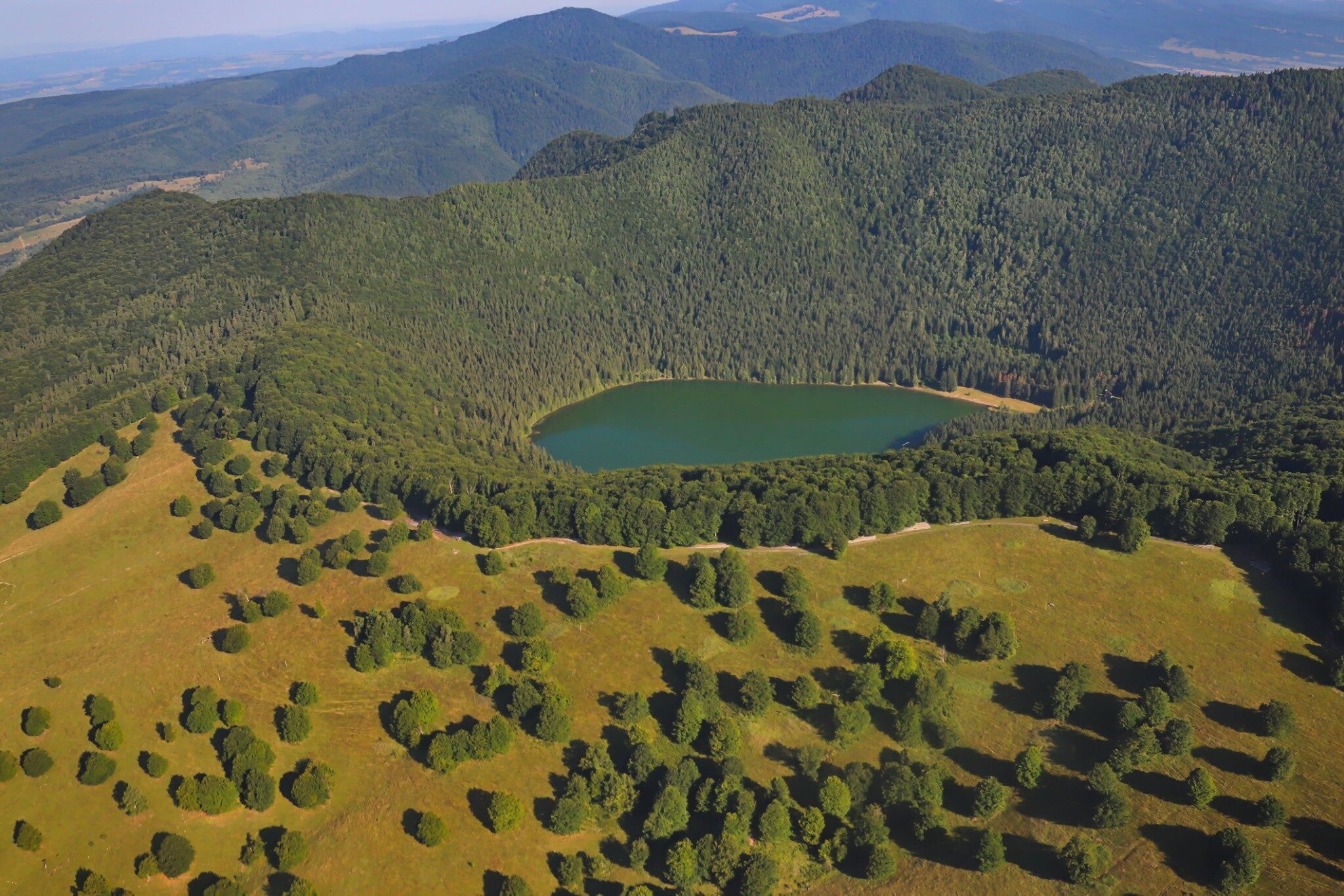
Hungarian scientists studying the Ciomadul volcano have found that even after tens of thousands of years of dormancy, a volcano can rapidly become active and pose a previously unknown threat. By analyzing the mineral composition of volcanic rocks, the researchers identified the conditions and processes that lead to explosive eruptions. They discovered that the presence of distinct amphibole compositions in the magma played a key role in triggering the explosive eruptions. This research highlights the importance of studying long-dormant volcanoes and understanding their potential hazards.