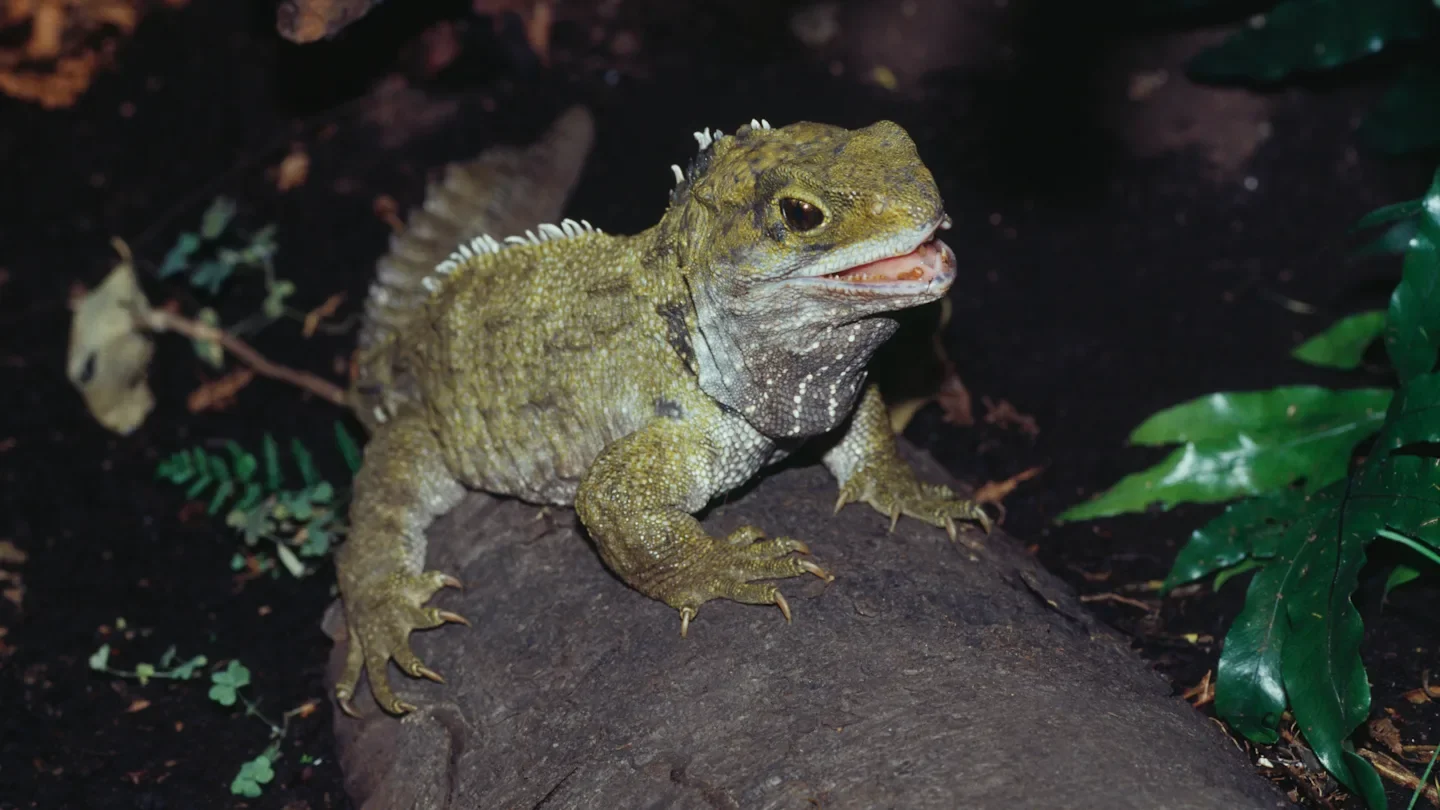
Nine species are highlighted as 'living fossils' that have changed little over hundreds of millions of years, from sharks and nautilus to sea turtles, crocodiles, platypuses, and the tuatara. The article traces their ancient origins, notes ongoing threats like pollution and climate change, and underscores how these lineages endured multiple mass extinctions while remaining recognizable today.
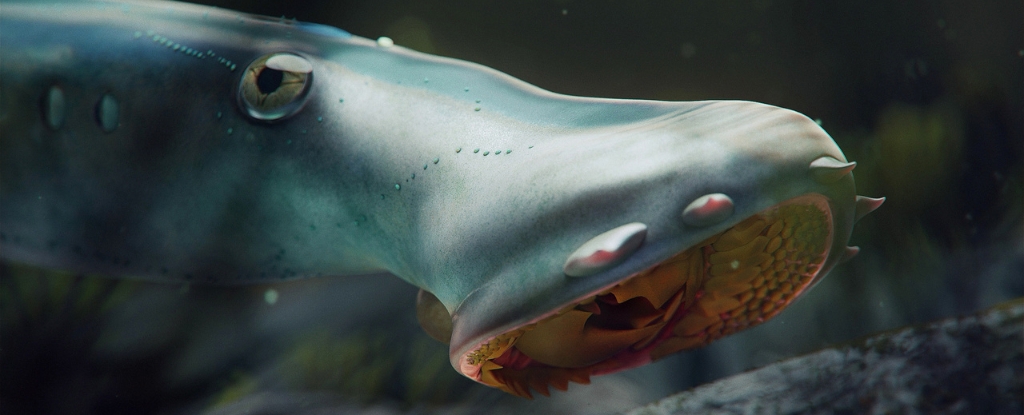
Paleontologists have discovered the fossils of two 160 million-year-old lamprey species in North China, revealing that these ancient fish had already evolved into much larger creatures than their earlier counterparts. The largest of the newly discovered species measured over 64 centimeters in length. The exceptionally well-preserved fossils provide valuable insights into the evolutionary history and feeding biology of lampreys, shedding light on their origins and the development of their unique feeding behavior. The study also suggests that modern lampreys may have originated from the Southern Hemisphere.
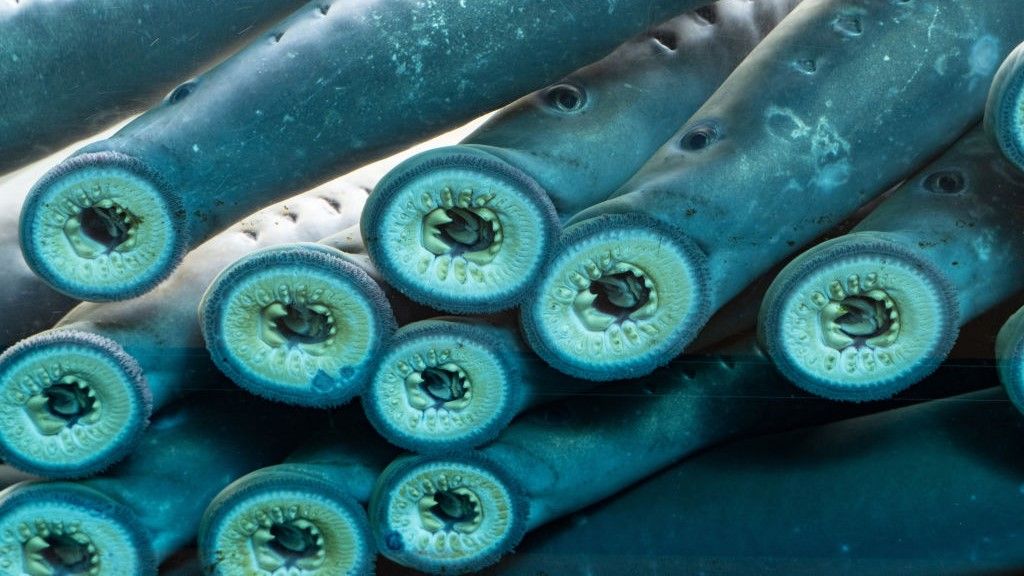
The Pacific lamprey, a jawless fish, is an ancient species that has survived four mass extinctions. With a sucker mouth rimmed with teeth, it latches onto prey and feeds on their blood and body fluids. Pacific lampreys have boneless bodies made of cartilage and play a vital role in freshwater and marine ecosystems. They lay up to 200,000 eggs, with larvae burrowing into sediment for up to a decade before emerging as juveniles. These lampreys can grow up to 33 inches long and are highly sought after as prey due to their fatty flesh.
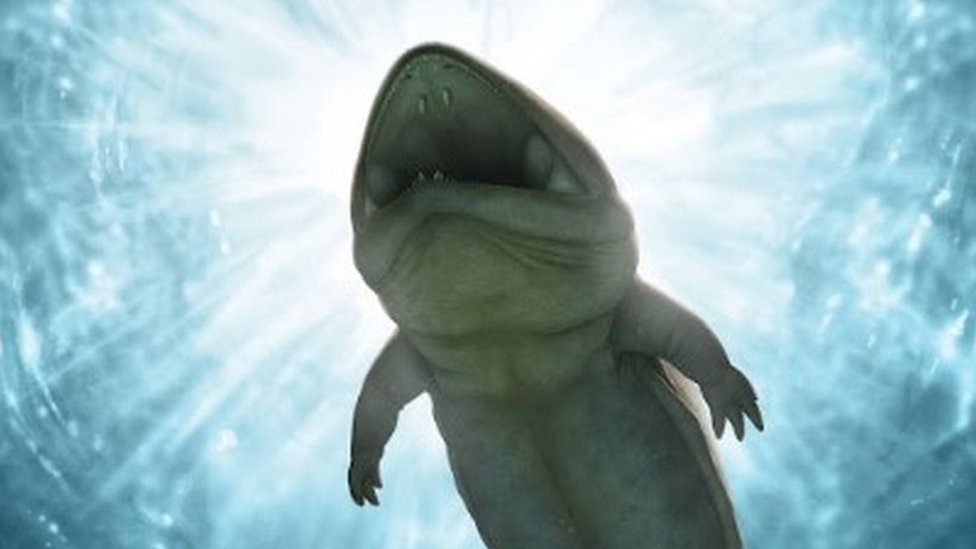
Scientists have identified a new species of amphibian, named Arenaepeton supinatus, that lived in Australia approximately 247 million years ago. The discovery of this lizard-like creature, based on a nearly complete fossil, may rewrite the evolution of amphibians in Australia. The fossil was found by a retired chicken farmer in New South Wales in the 90s and has since been studied by a team of paleontologists. The findings suggest that Australia was a favorable environment for animal evolution and refuge after mass extinctions. The fossil will be displayed at the Australian Museum.
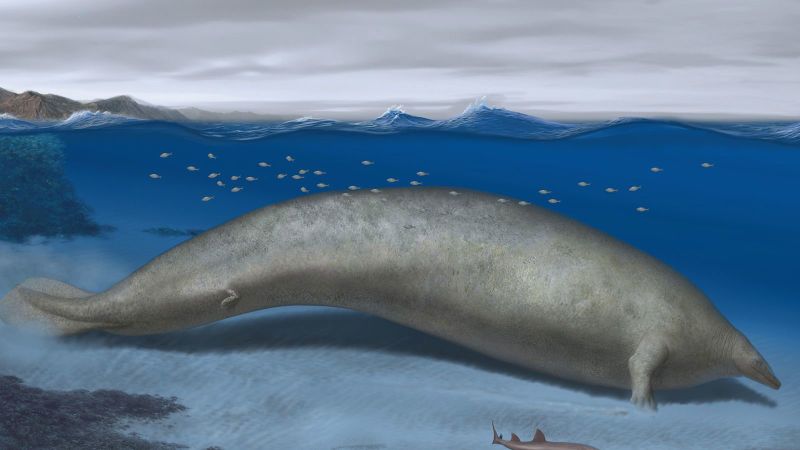
Scientists have made several fascinating discoveries in the field of paleontology and neuroscience. In Peru, massive bones belonging to an ancient whale, named Perucetus colossus, have been unearthed, suggesting it may have been the heaviest animal to have ever lived. In Canada, well-preserved fossils of a previously unknown jellyfish species with 90 fingerlike tentacles have been found. Meanwhile, researchers tickled rats to study their brain activity and understand the neuroscience behind play behavior in animals. In space, the Hubble Space Telescope observed a young planetary system with a gaseous planet exhibiting unusual activity, while the Euclid telescope captured its first star-filled test images and the James Webb Space Telescope revealed new details within the Ring Nebula. Additionally, scientists used gene editing to trigger virgin birth in fruit flies, shedding light on the phenomenon in animals. Lastly, the reassembly of an 8,000-year-old necklace found in a Neolithic village in Jordan has provided unique insights into an ancient society.