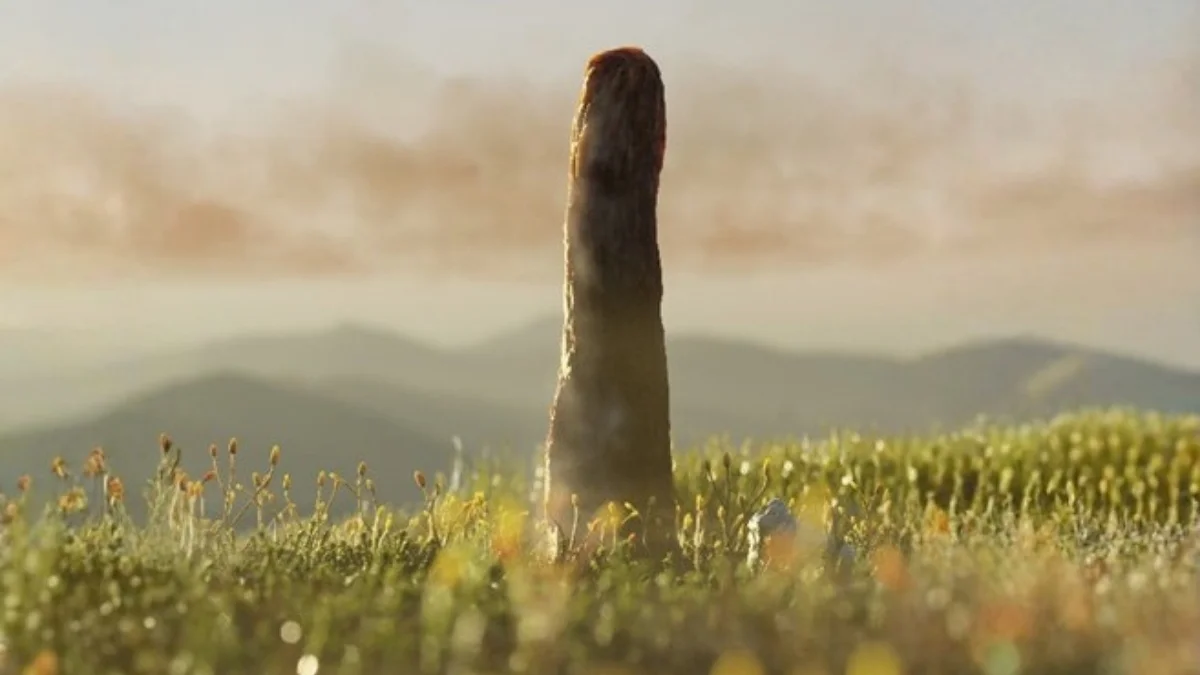
New analyses of Prototaxites fossils suggest the giant Silurian–Devonian structures belong to an entirely extinct branch of eukaryotes, not fungi, plants, algae, or animals, making Prototaxites a fossil anomaly resistant to placement on the tree of life.
Researchers analyzing 407-million-year-old Rhynie chert fossils in Scotland confirm Prototaxites—a 370-million-year-old fossil towering about 26 feet—represents a completely new, extinct form of life, not a fungus or plant, marking an early, long-vanished eukaryotic lineage; the study, published in Science Advances, resolves decades of debate about where Prototaxites sits on the tree of life.
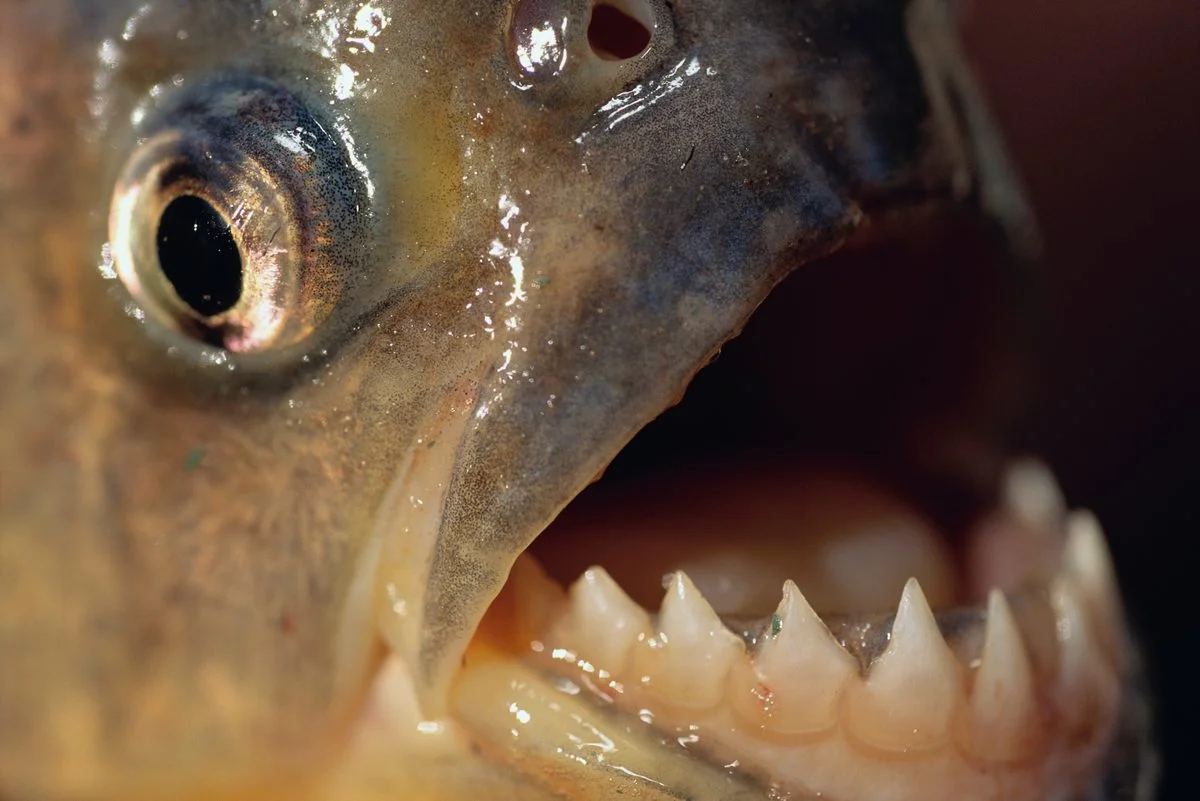
Pound for pound, the black piranha has the most powerful bite of any fish, with a force more than 30 times its body weight, surpassing even great white sharks in bite strength.
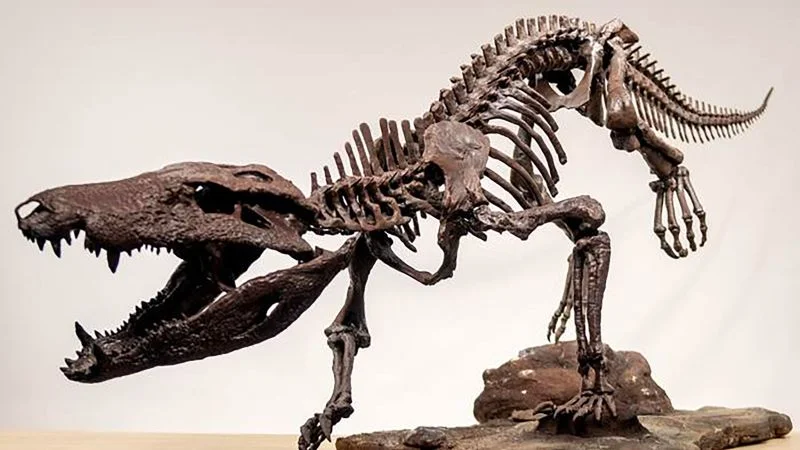
Scientists discovered the nearly complete skeleton of Kostensuchus atrox, a large, extinct hypercarnivorous crocodyliform from 70 million years ago in Argentina, which likely hunted dinosaurs and lived in diverse habitats, expanding understanding of ancient crocodile evolution and distribution.
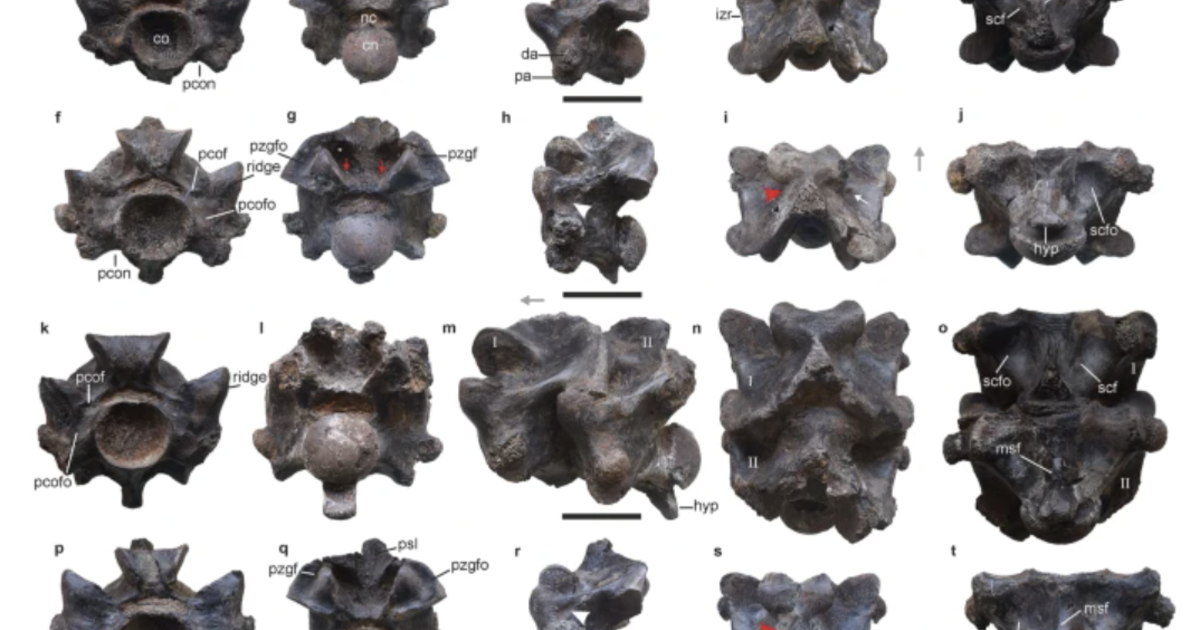
Researchers in India have discovered the fossilized remains of a giant extinct snake, named Vasuki indicus, which measured up to 50 feet long and is believed to be the largest madtsoiid snake ever recorded. The specimen, dating back 47 million years, had a broad, cylindrical body and likely weighed up to 2,200 pounds. It was identified as an ambush predator that constricted its prey, similar to a python, and is from the Indian subcontinent, existing approximately 56 to 34 million years ago.
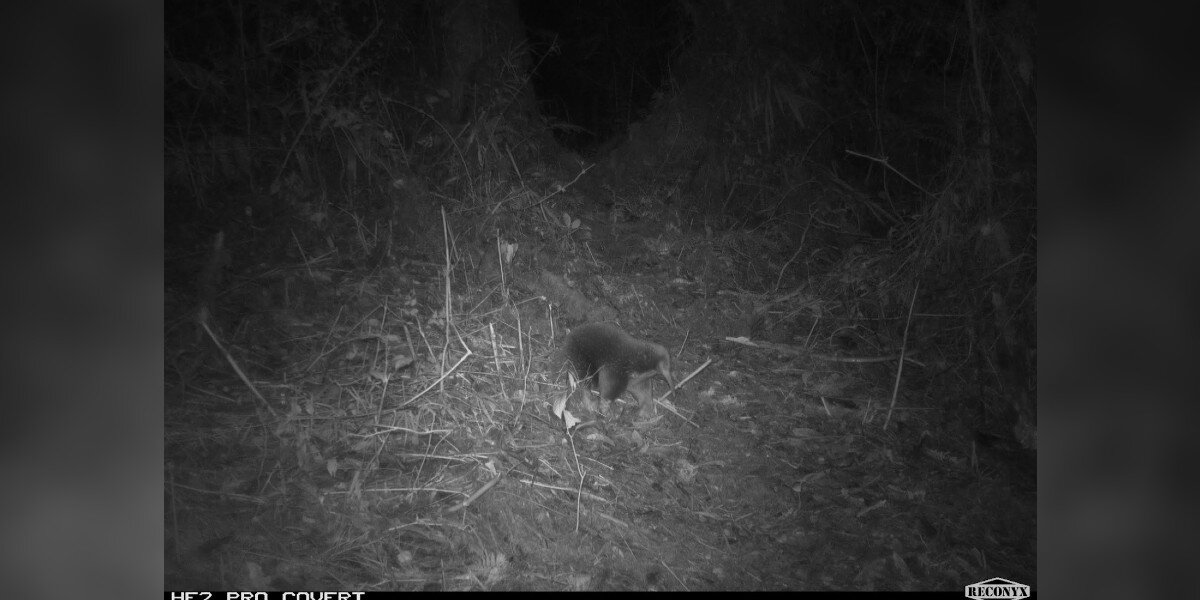
A team of researchers from the University of Oxford captured the first-ever footage of the thought-to-be-extinct Attenborough's long-beaked echidna in Indonesia's Cyclops Mountains. The discovery of this spiny animal, assumed to be extinct for over 60 years, has brought great joy to the scientific community and offers hope for further understanding of this unique species of monotreme.
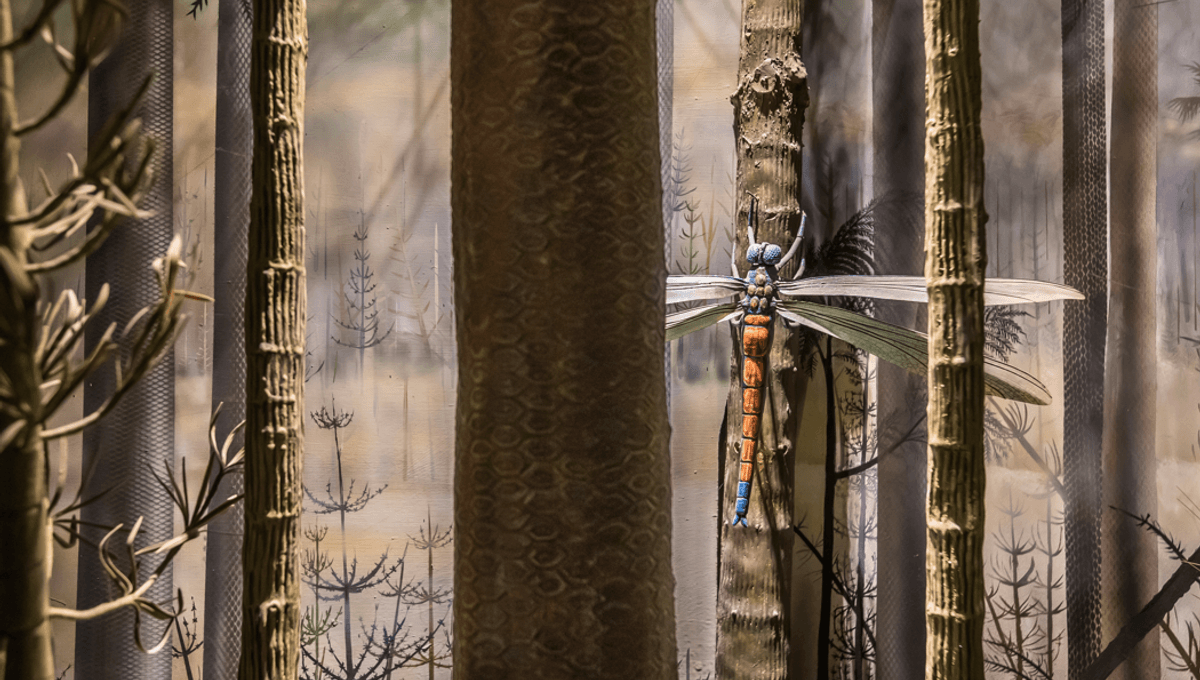
Meganeuropsis permiana, an extinct giant dragonfly-like insect from the late Permian era, holds the title for the largest known insect of all time with an estimated wingspan of 71 centimeters. Belonging to the extinct order of insects known as Meganisoptera or griffinflies, these creatures lived around 275 million years ago when the Earth looked very different. Due to the scarcity of insect fossils, little is known about them. The size of insects is limited by their exoskeleton and respiratory system, making Meganeuropsis permiana close to the theoretical limit of insect size.
The advancement of modern technology has rendered several phrases obsolete, such as "roll down the window," "check the answering machine," "dial 411," "beep me," "rewind/fast-forward," "find a payphone," "get the film developed," "look it up in the White or Yellow Pages," "I'll fax it to you," "drop a coin in the jukebox," "burn a CD," "dial-up tone," "turn the channel knob," "you've got mail," "save it on a floppy," "hit the pound key," "I need new batteries for my Walkman," "remember to defrag your computer," and "put the antenna up." These phrases evoke nostalgia for a time when technology was less advanced and highlight how communication and entertainment have evolved over the years.
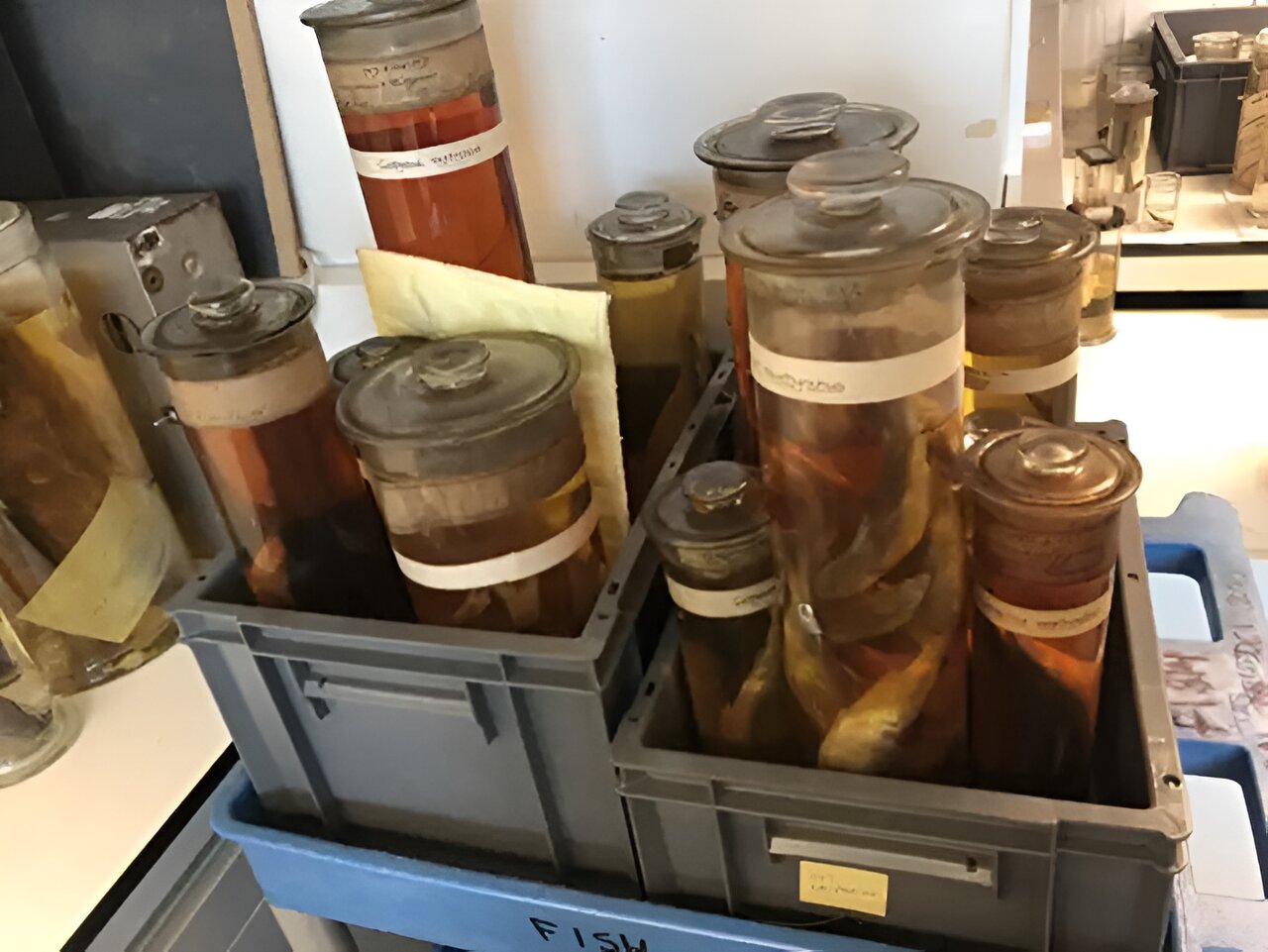
The houting, a fish species declared extinct in 2008, has been found to be alive and well through DNA analysis. Researchers compared DNA from museum specimens of houting with DNA from currently occurring sibling species and found little genetic difference between houting and the European whitefish. The study suggests that houting is not a separate species but rather a variation of the European whitefish. The findings call for a revision of the houting's extinct status and a potential name change.
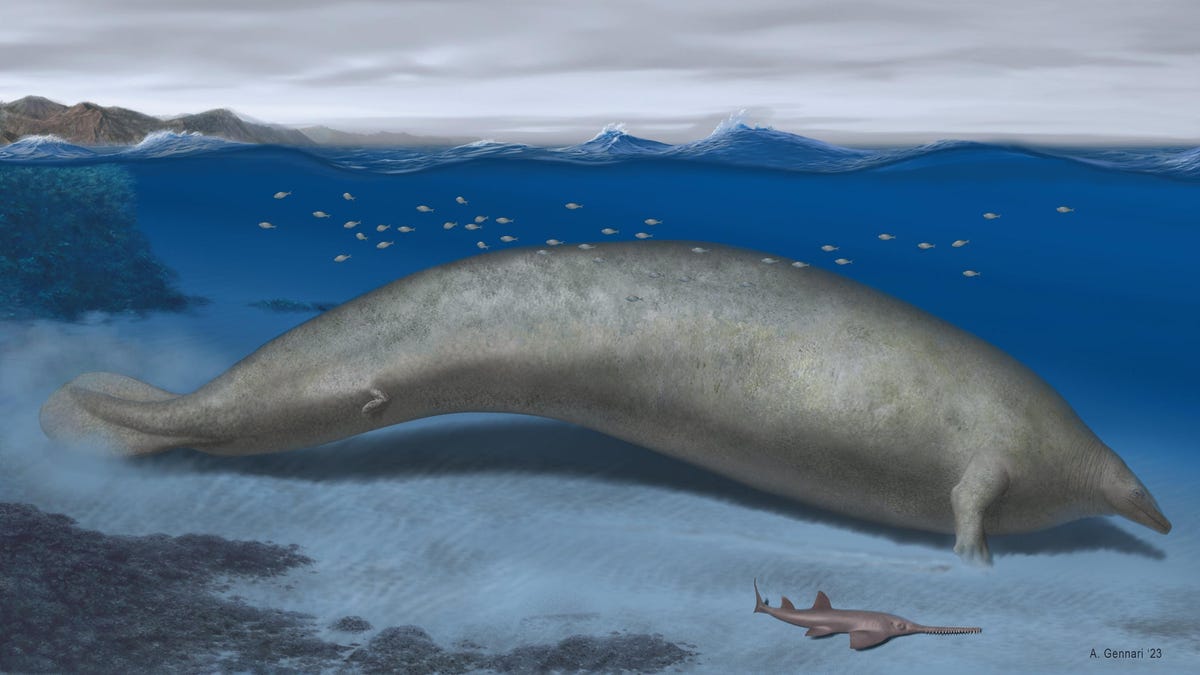
Paleontologists have discovered the fossilized remains of an Eocene-era whale in Peru that may be the heaviest animal ever, surpassing the blue whale in mass. Named Perucetus colossus, the whale weighed between 93.7 and 374.8 tons (85 and 340 metric tons), making it one of the largest creatures of all time. The discovery challenges previous assumptions about the timing and environment in which extreme gigantism in cetaceans occurred. The researchers believe that P. colossus was a shallow-water scavenger and had dense bones, suggesting it was a coastal dweller. The find sheds light on the evolution of large marine animals and raises questions about the potential for future gigantism.