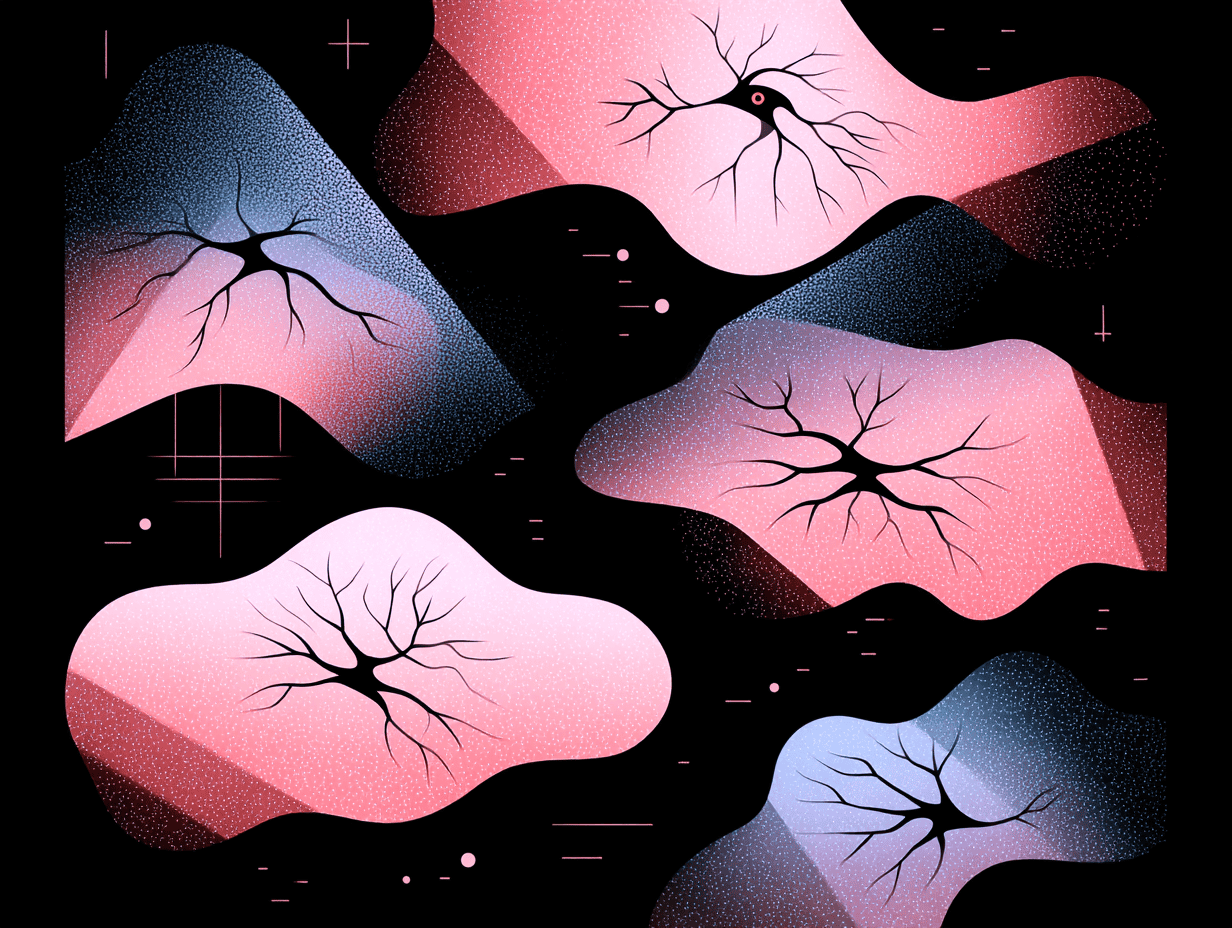
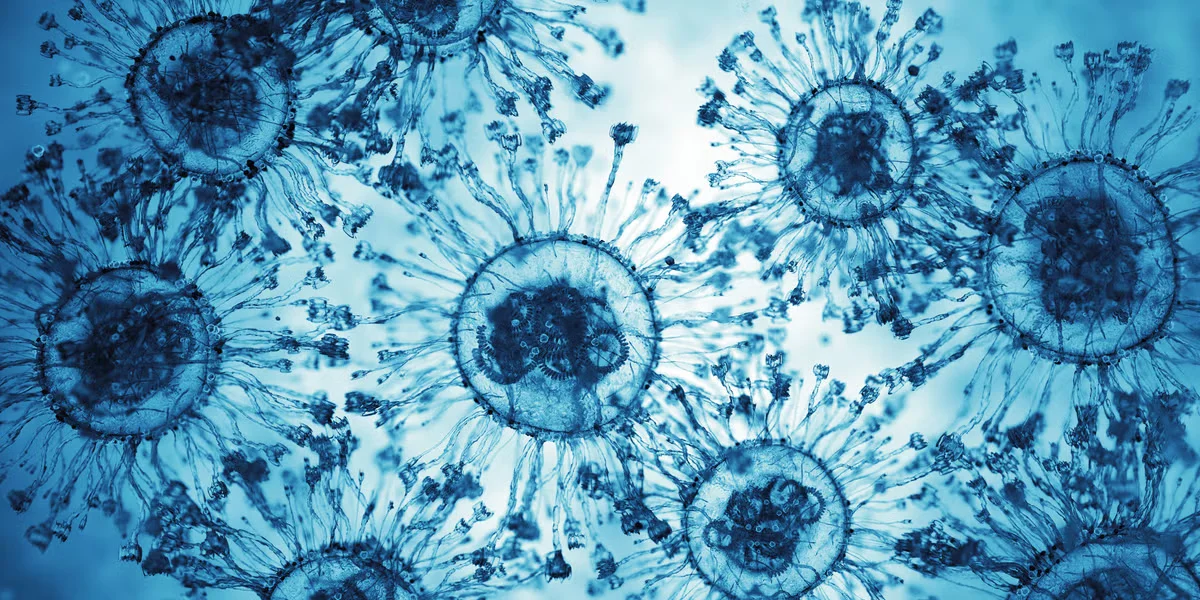
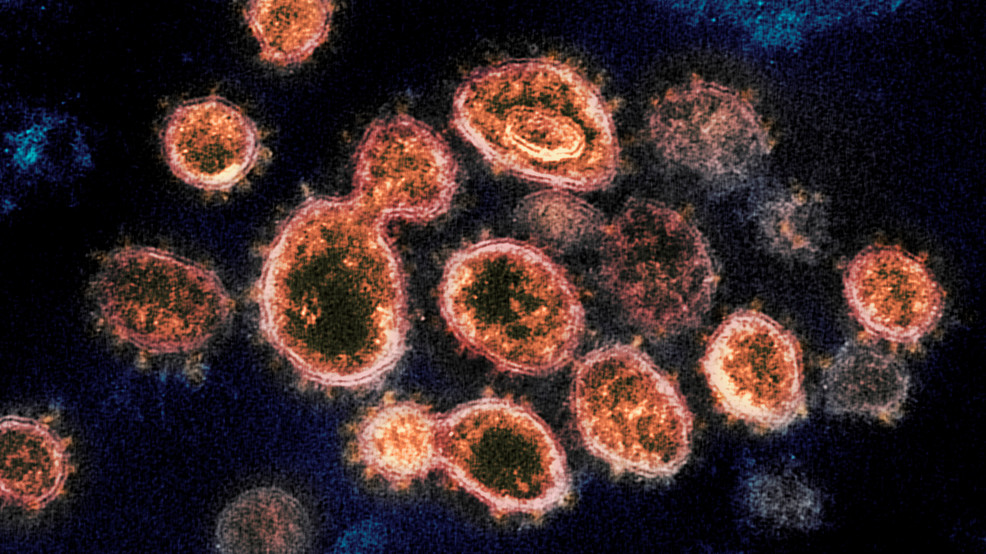
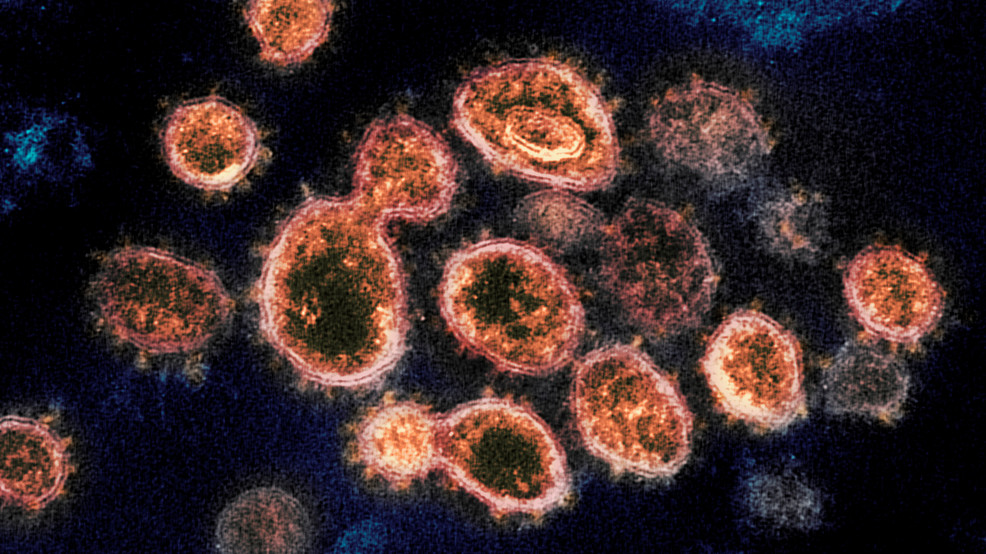
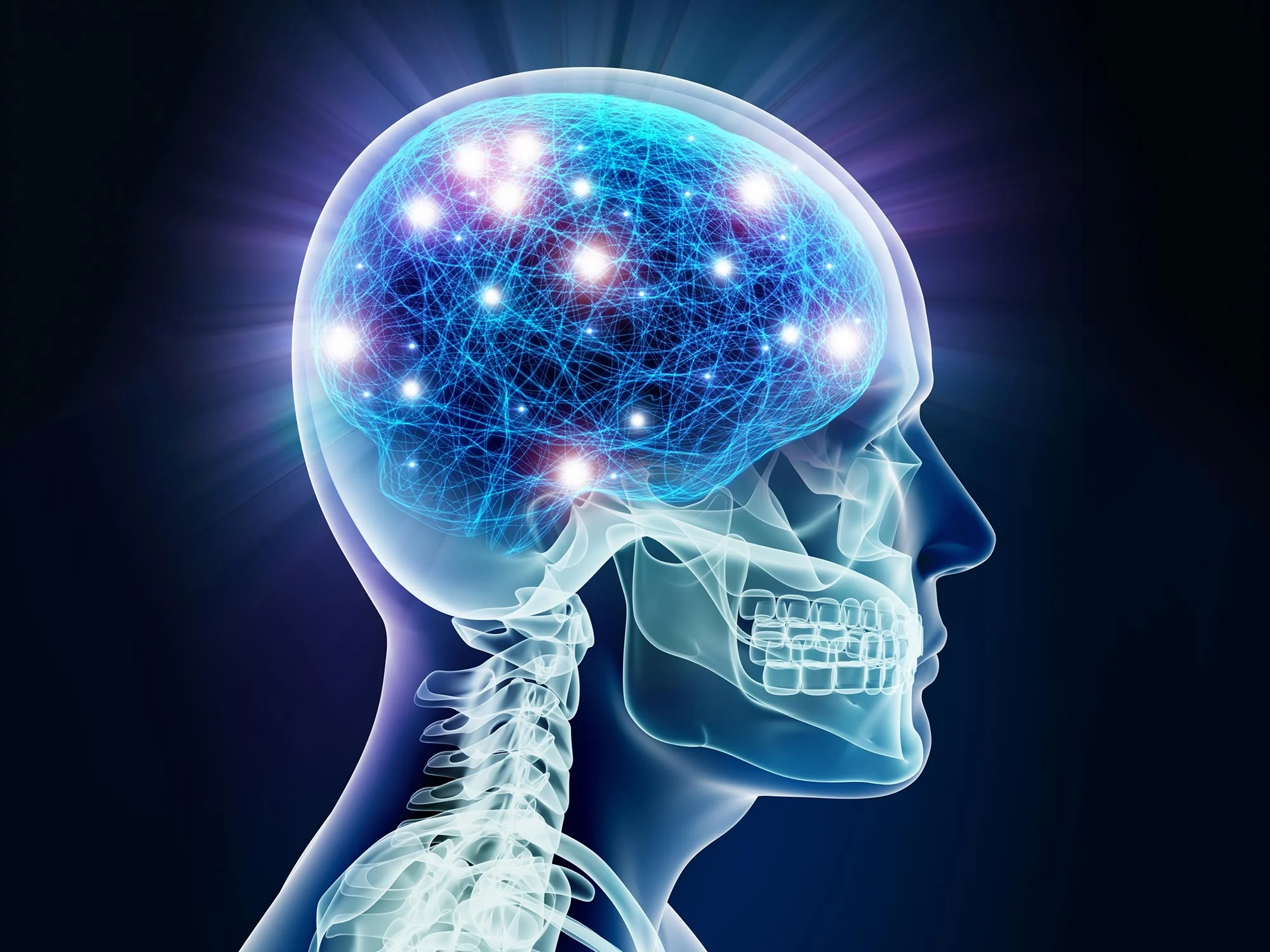
New research from NYU suggests that memory and learning are not exclusive to brain cells; other human cells can also recognize and store temporal patterns through molecular mechanisms, indicating that memory might be a fundamental property of all cells and not just neural tissue.
Recent research suggests that some cells may possess a form of consciousness and can reorganize after death into new life forms called xenobots, challenging traditional views of life and evolution, and opening new possibilities in medicine and biology.
Scientists are exploring a 'third state' where cells of deceased organisms can adopt new functions, challenging traditional views of life and death, with findings showing resilience and new behaviors in xenobots and other cells post-mortem.
Scientists have discovered a 'third state' where cells of deceased organisms can adopt new functions, challenging traditional views of life and death. This phenomenon, observed in xenobots and other cells, shows remarkable resilience and plasticity, with cells reorganizing into new structures even after death, although they typically perish within weeks. The findings suggest that death may play a role in biological transformation and evolution.
New research suggests that memory may not be confined to the brain, as cells throughout the body, such as kidney and nerve cells, exhibit a form of 'body memory.' These cells can learn and retain information from chemical signals, challenging the belief that memory is exclusive to neural networks. This discovery has significant implications for medical treatments, potentially aiding in therapies for memory loss and neurodegenerative diseases, and reshapes our understanding of the body's interconnectedness and adaptive capabilities.
A groundbreaking study published in Nature Communications reveals that non-brain cells, such as those from kidney and nerve tissues, can form memories similarly to neurons. Researchers at New York University demonstrated that these cells activate a "memory gene" when exposed to spaced chemical signals, challenging the belief that memory is exclusive to brain cells. This discovery opens new avenues for understanding memory and could lead to advancements in learning enhancement and treatment of memory-related conditions.
A groundbreaking study by researchers at New York University reveals that memory and learning are not exclusive to brain cells, but can also occur in non-brain cells throughout the body. The study demonstrated that cells from nerve and kidney tissues can activate a "memory gene" in response to chemical signals, similar to how brain cells form memories. This discovery suggests that memory formation might be a fundamental property of all cells, potentially leading to new approaches in enhancing learning and treating memory-related conditions.
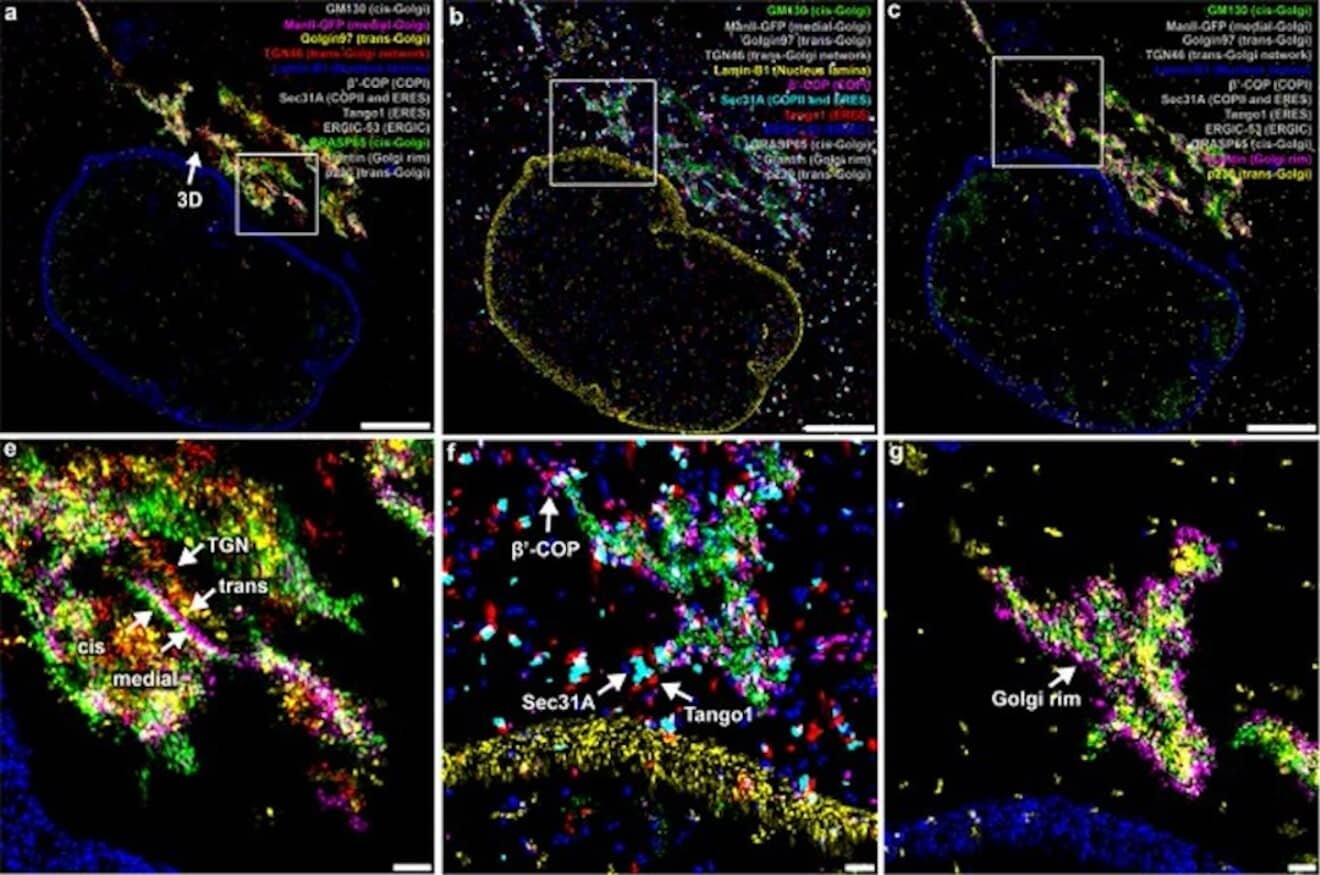
Yale scientists have developed a new microscopy technique called FLASH-PAINT, which allows researchers to view an unlimited number of different molecules within individual cells. This technique, published in Cell, utilizes imaging probes and an adapter that transiently binds to numerous targets, making it 100 times faster and more cost-efficient than current super-resolution microscopy techniques. The team hopes that FLASH-PAINT will enable visualization of complex subcellular processes, leading to new insights for disease treatment and potential diagnostic applications.
A recent study aimed to estimate the total amount of life that has ever existed on Earth. By analyzing ancient sedimentary rocks and compiling previous estimates of ancient primary production, researchers estimated that 100 quintillion tons of carbon has been through primary production since the origin of life. They also found that land plants have likely contributed the most to Earth’s historical primary production. The study projected that about 10^40 cells will ever occupy the Earth, but the Earth's biosphere is limited by the sun's life cycle, which will eventually lead to a largely lifeless planet. The research also aims to use Earth as a benchmark to compare other planets and explore different trajectories that could have produced a radically different amount of life on Earth.
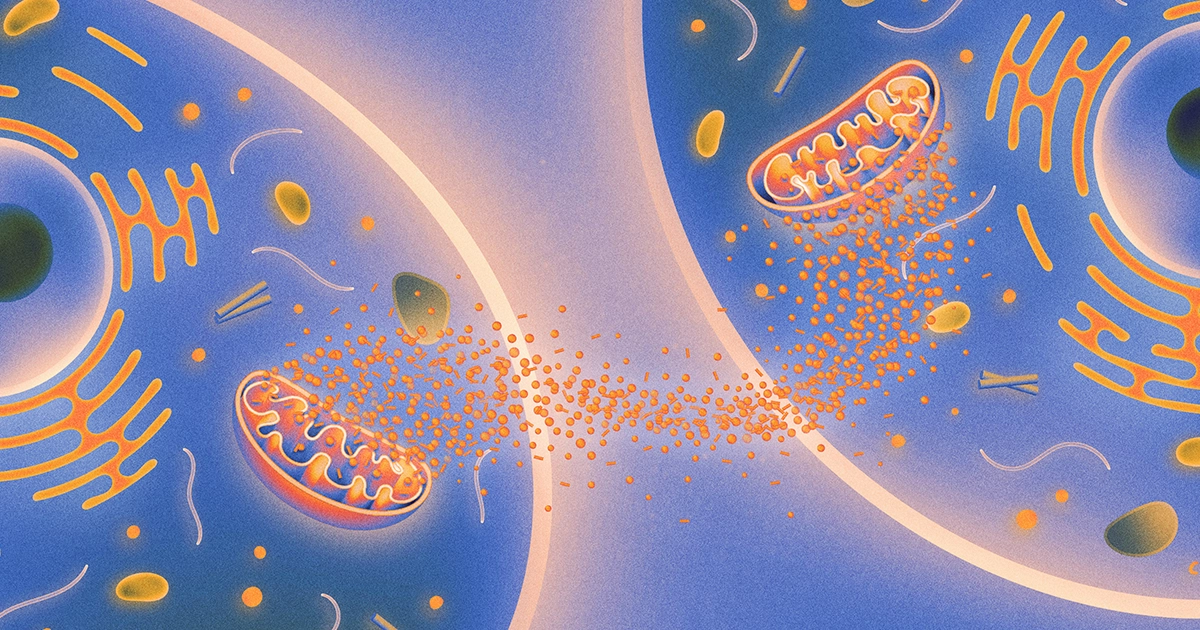
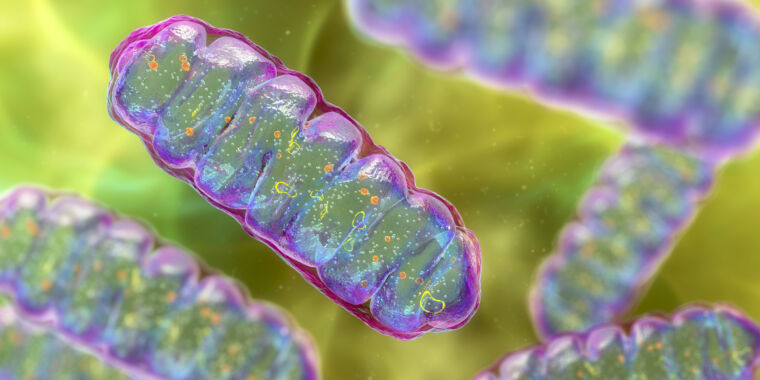
Researchers have discovered that mitochondria in the brain communicate with cells throughout the body to extend life in worms by triggering a repair response known as the unfolded protein response, which keeps cells healthy and functions as anti-aging detailing. The communication occurs through the use of vesicles to carry a signal called Wnt beyond the nerve cells to other cells in the body, with germline cells playing a critical role in relaying the Wnt signal. The strength of the germline signal regulates the organism’s life span, with declining quality of germ cells leading to a decline in the body as well. While it's not yet known if these findings apply to humans, the hypothesis aligns with evolutionary principles, and the ability of mitochondria to communicate likely stems from their free-living bacterial origins.
A recent study has calculated that there are more living cells on Earth than there are stars in the universe or grains of sand on our planet. The majority of these cells are microbes, with cyanobacteria being particularly abundant. This finding highlights the deep connection between geophysics and biology and allows scientists to explore alternative trajectories life could have taken on Earth. The study also raises questions about the potential for life on other planets and how the biosphere of icy moons may change as the sun gets brighter.
"The Song of the Cell" by Siddhartha Mukherjee is a captivating book that explores the fundamental role of cells in all aspects of life. Mukherjee, a Pulitzer Prize-winning author and oncologist, provides clear explanations of cellular biology and its connection to human health. The book delves into the evolution of life, the importance of stem cells, and the history and potential of cell therapy. While our understanding of manipulating cells for disease treatment is still developing, Mukherjee's work highlights the immense potential for transformative breakthroughs in medicine.
Scientists from China have identified a group of cells surrounding motor neurons in the spinal cord that accelerate the aging process. These cells secrete a toxic protein called CHIT1, which contributes to the aging of motor neurons. The researchers found that vitamin C can act on the CHIT1 protein and slow down the aging process. In a study involving cynomolgus monkeys, oral vitamin C supplements showed a significant improvement in aging-related indicators for motor neurons, suggesting potential benefits for anti-aging.
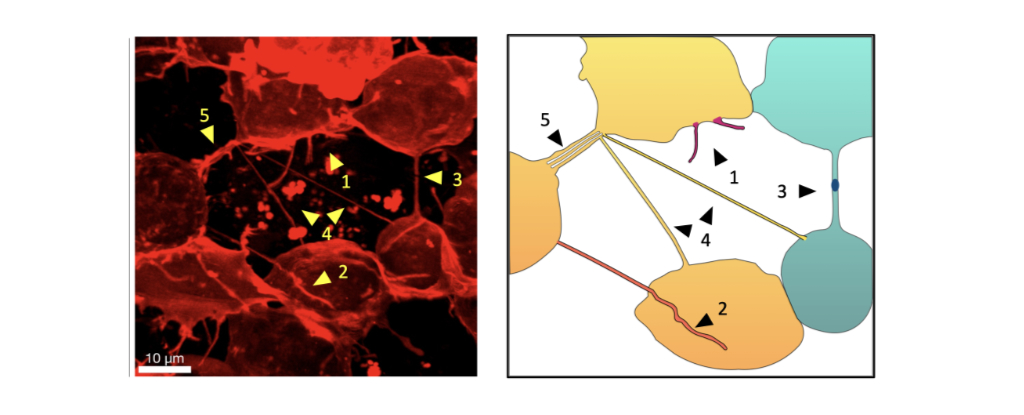
Cells inside zebrafish embryos have been observed using tunneling nanotubes to transport cargo between each other, according to a study published on bioRxiv. These long, thin tubes serve as intercellular transport systems for various substances, including chemicals, messenger RNA, proteins, organelles, viruses, and bacteria. The discovery of functional tunneling nanotubes in a living embryo could have implications for understanding diseases such as cancer, Alzheimer's, HIV, and SARS-CoV-2. Researchers overcame the challenge of observing these structures in a complex, 3D living organism by tracking their growth in transparent zebrafish embryos.
The origin of complex structures within eukaryotic cells, such as the nucleus and endoplasmic reticulum, has long been a mystery. Recent research suggests that these structures may have evolved soon after the mitochondrion, a primitive cell that merged with another cell over 1.5 billion years ago. The "mitochondria early" hypothesis proposes that the endomembrane system, which includes various membrane structures, could have arisen from vesicles released by the mitochondrial ancestor. These vesicles would have helped sequester harmful chemicals and protect the cell. Additionally, the membrane surrounding the nucleus may have evolved to keep mRNA away from ribosomes until it was properly processed, allowing for the production of functional proteins.