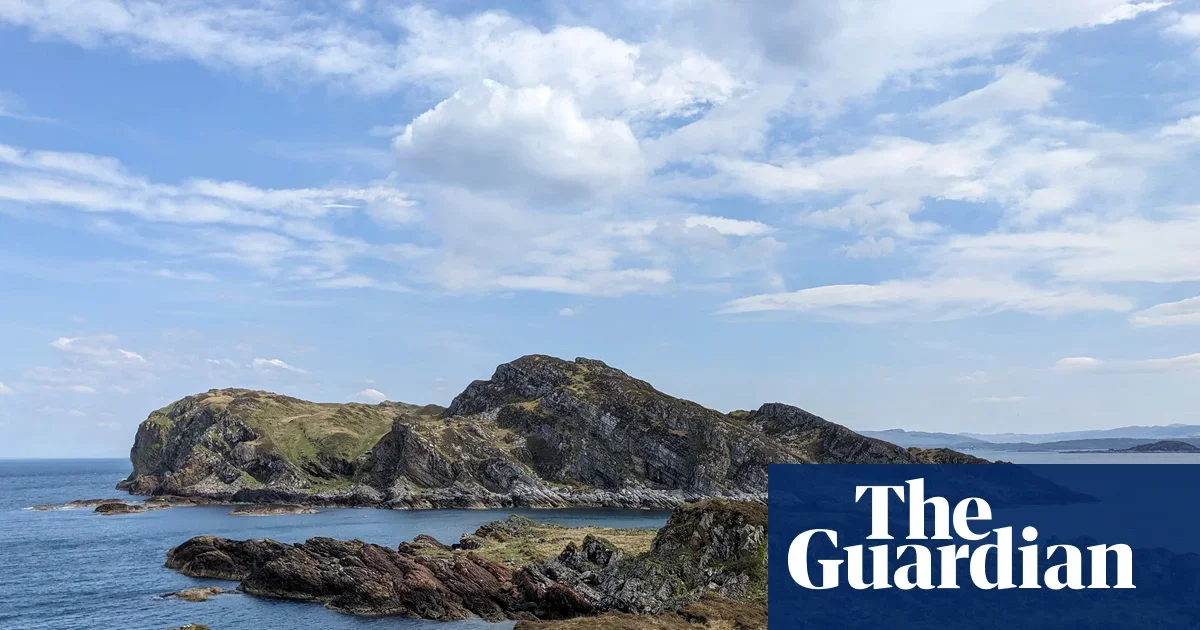
Analyses of 2,600 well-preserved varves from Scotland's Garvellachs reveal year-by-year climate signals during the Snowball Earth period, showing rare brief thaw episodes that briefly woke the climate and challenging the idea of a completely frozen world, with implications for Earth's climate sensitivity.
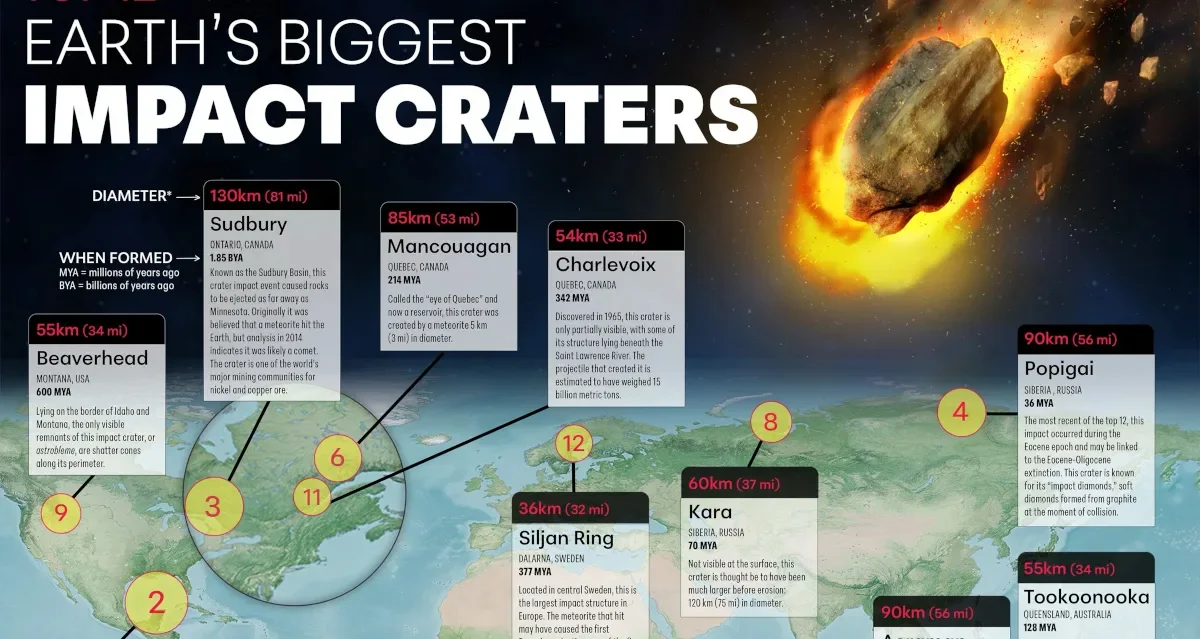
Visual Capitalist maps the 12 largest confirmed Earth impact craters, led by Vredefort (≈160 km) in South Africa and Chicxulub (≈150 km) in Mexico; other entries include Sudbury, Popigai, Acraman, Manicouagan, Morokweng, Kara, Beaverhead, Tookoonooka, Charlevoix, and Siljan. The article notes that crater size doesn’t always predict devastation—impact energy, velocity, angle, and composition are crucial—with Chicxulub likely releasing over 100 million megatons of TNT and triggering mass extinction, while older craters like Sudbury and Morokweng formed long before complex life. Many ancient craters have eroded away, making these 12 especially valuable for studying Earth’s violent history, and some preserve significant mineral deposits and geology from their cosmic origins.
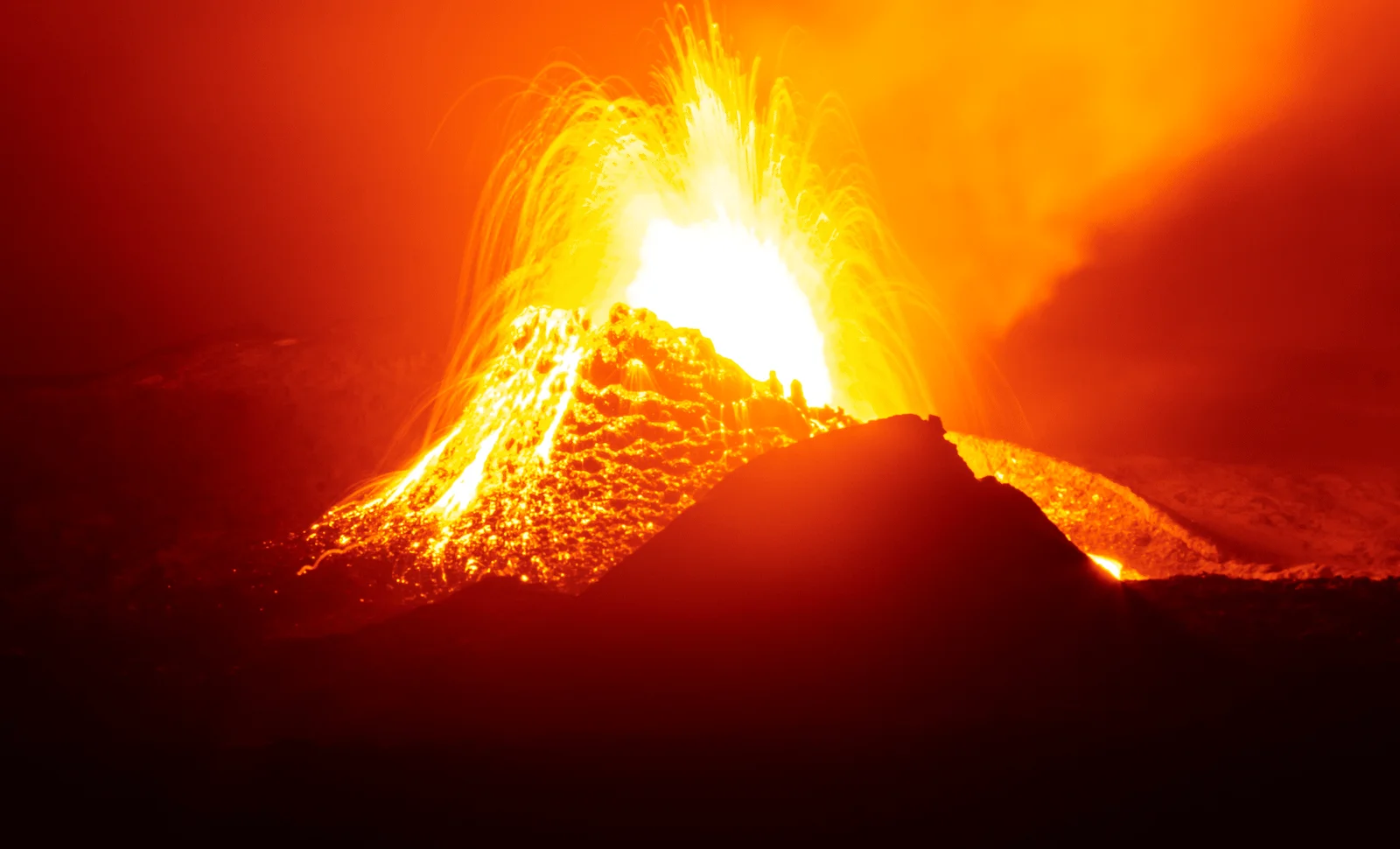
Large Igneous Provinces (LIPs) are massive, long-lasting volcanic events capable of causing global destruction and mass extinctions, with historical examples like the Siberian Traps illustrating their potential to reshape Earth's environment and climate. While rare today, understanding LIPs is crucial for preparedness, as their effects include climate disruption, ecosystem collapse, and potential threats to civilization.
A new study suggests that the Last Universal Common Ancestor (LUCA) of all life on Earth existed around 4.2 billion years ago, much earlier than previously thought, and likely had an early immune system, indicating that life was fighting off viruses from its very beginnings.
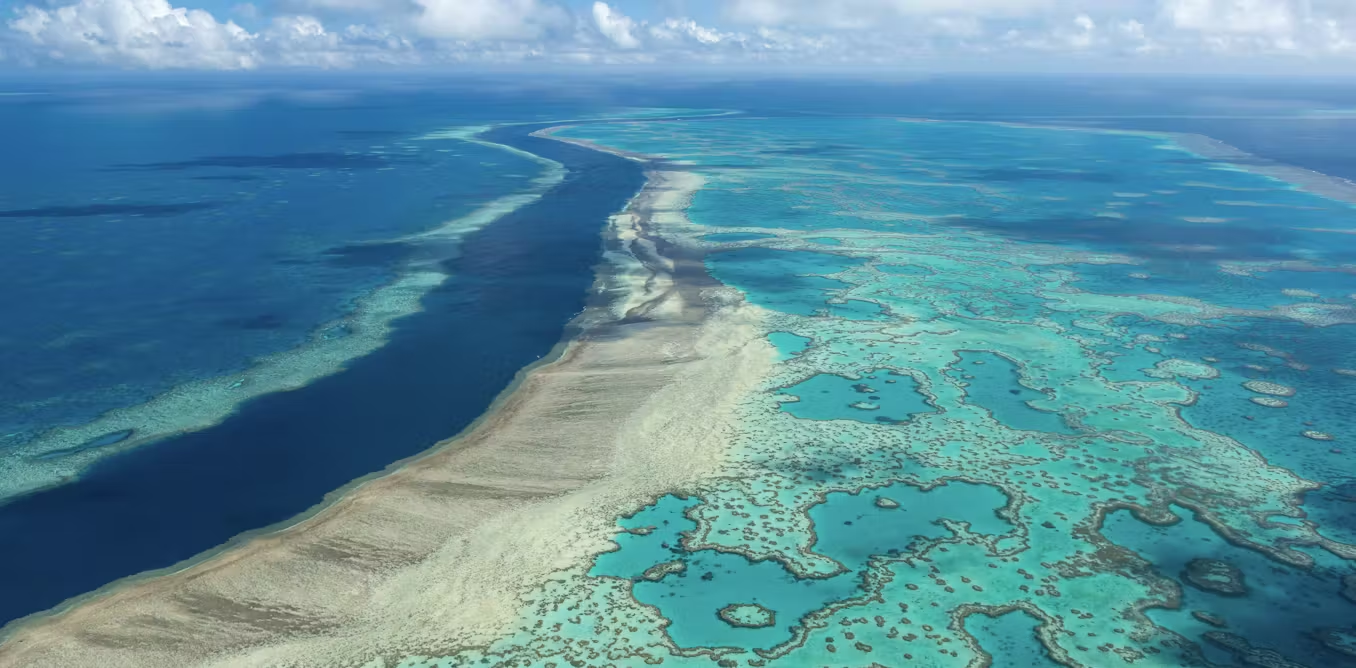
Coral reefs have played a crucial role in regulating Earth's climate for over 250 million years by influencing ocean alkalinity and carbon absorption, with their rise and fall affecting climate recovery times and marine evolution; current reef decline due to human activity may impact this natural climate regulation, but recovery would take thousands to hundreds of thousands of years.
Around 56 million years ago, a rapid and intense global warming event caused significant changes in Earth's vegetation, with drought-resistant plants thriving at mid-latitudes and increased biomass in high-latitudes, but overall reducing the planet's capacity to sequester carbon, which prolonged the warming period. Modern warming, occurring ten times faster, may pose even greater challenges for plant adaptation and climate regulation.
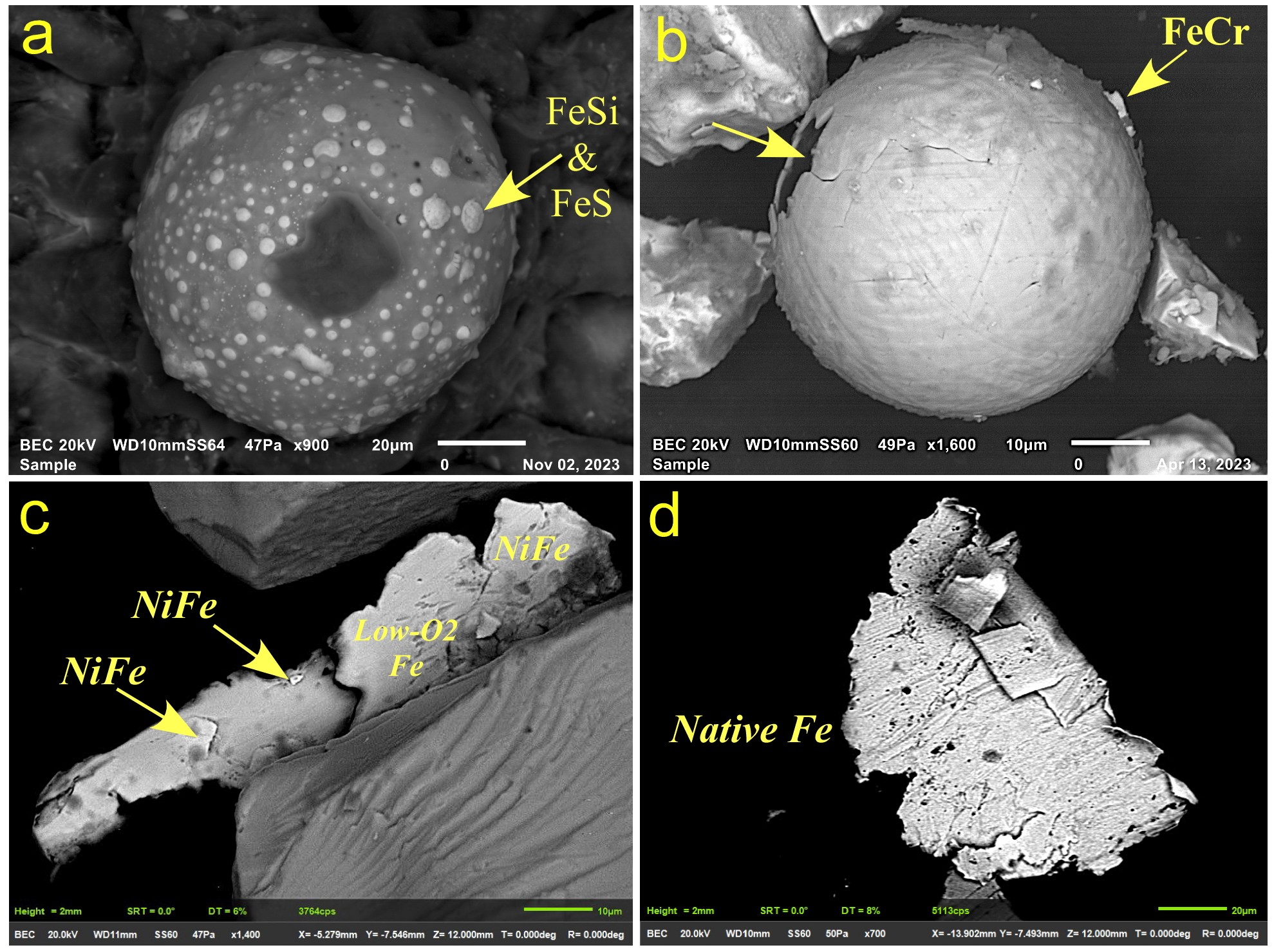
Researchers discovered that some tektites in an Australian museum, previously thought to originate from an 800,000-year-old asteroid impact, are actually over 11 million years old, revealing a forgotten cosmic impact in Earth's history.
A new study revises the date of a Scottish meteorite impact from 1.2 billion to about 990 million years ago, providing a precise timestamp that links the event to the emergence of complex life on land, and offering insights into Earth's geological and biological evolution.
A recent study discovered a hidden hierarchical, multifractal pattern in Earth's geological transitions, suggesting that Earth's history follows a complex, structured cascade of events over at least 500 million years, which could improve understanding of past and future planetary changes.
A new study suggests that the boundaries between Earth's geological periods follow a hidden hierarchical, fractal pattern, which could improve our understanding of past planetary changes and help predict future shifts.
Scientists have discovered massive 117-million-year-old mud waves beneath the Atlantic Ocean, indicating that the ocean's formation began earlier than previously thought, around 117 million years ago, driven by salt-laden water flows that reshaped the seafloor and redefined geological timelines.
New evidence suggests that tiny particles from a disintegrating comet may have caused the abrupt climate cooling during the Younger Dryas event over 12,000 years ago, indicating a possible impact winter that contributed to the rapid temperature drop.
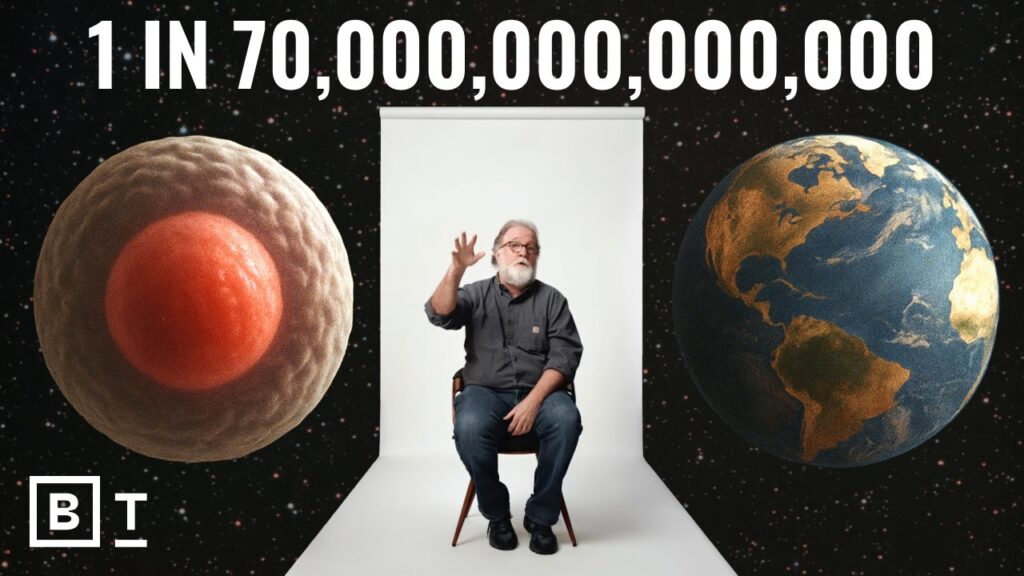
Evolutionary biologist Sean B. Carroll explains that the probability of individual human existence is about one in 70 trillion, emphasizing how contingent and unlikely our presence on Earth is, shaped by a series of improbable events across cosmic, geological, and biological scales.
About 700 million years ago, Earth may have entered a global ice age, or 'Snowball Earth,' due to a combination of cold climate, massive volcanic eruptions, and lack of vegetation, which led to rapid erosion and significant reduction of atmospheric CO2, triggering widespread glaciation.
The article explores ten of the most challenging times to be alive in Earth's history, including events like the ocean losing oxygen, massive insects, giant dinosaurs, and catastrophic extinctions caused by asteroid impacts and volcanic eruptions, highlighting the planet's tumultuous past and the resilience of life.