An airline pilot shares his experiences exploring Jeddah, Saudi Arabia, during a layover, highlighting the historic Al Balad neighborhood, its rich history, and the city's growing tourism scene.
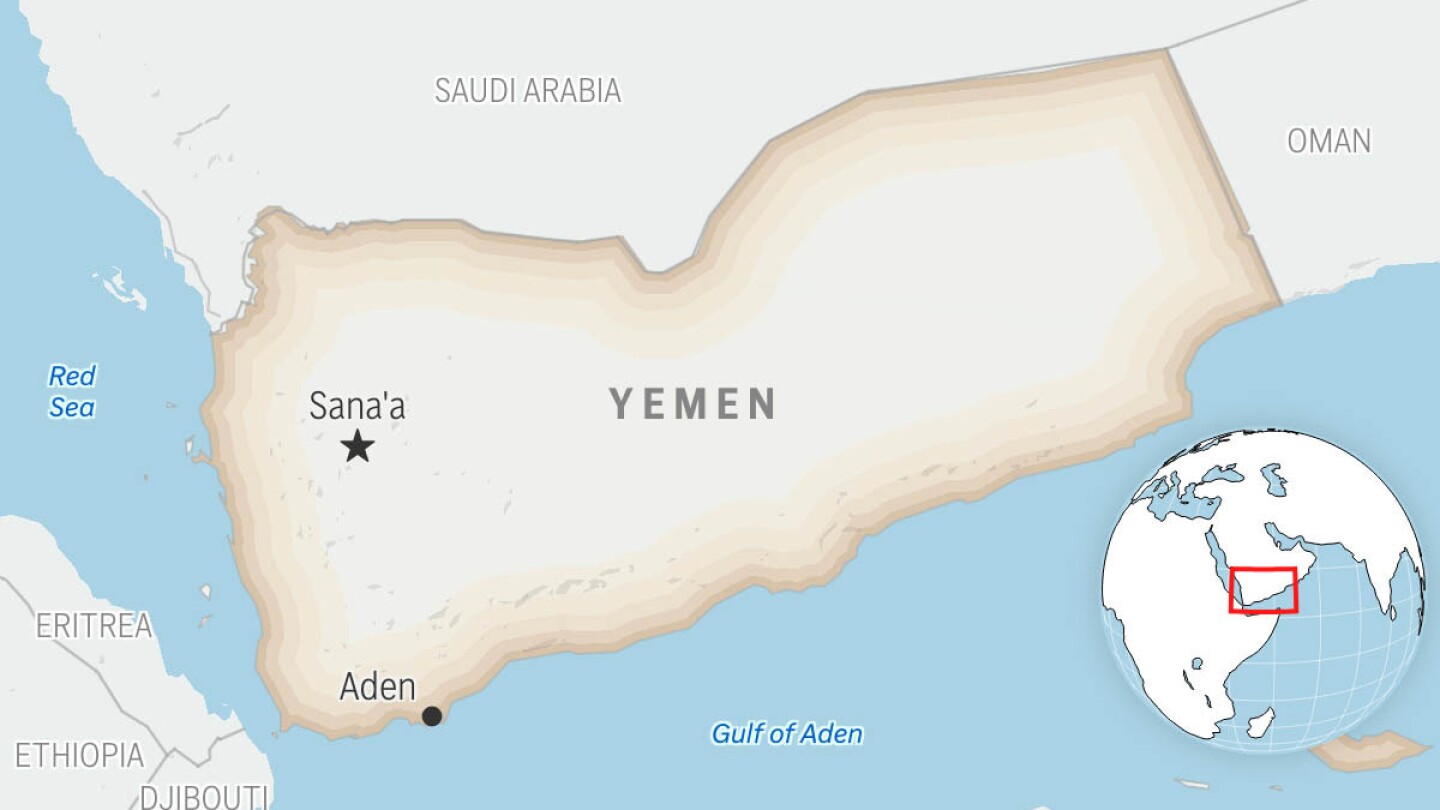
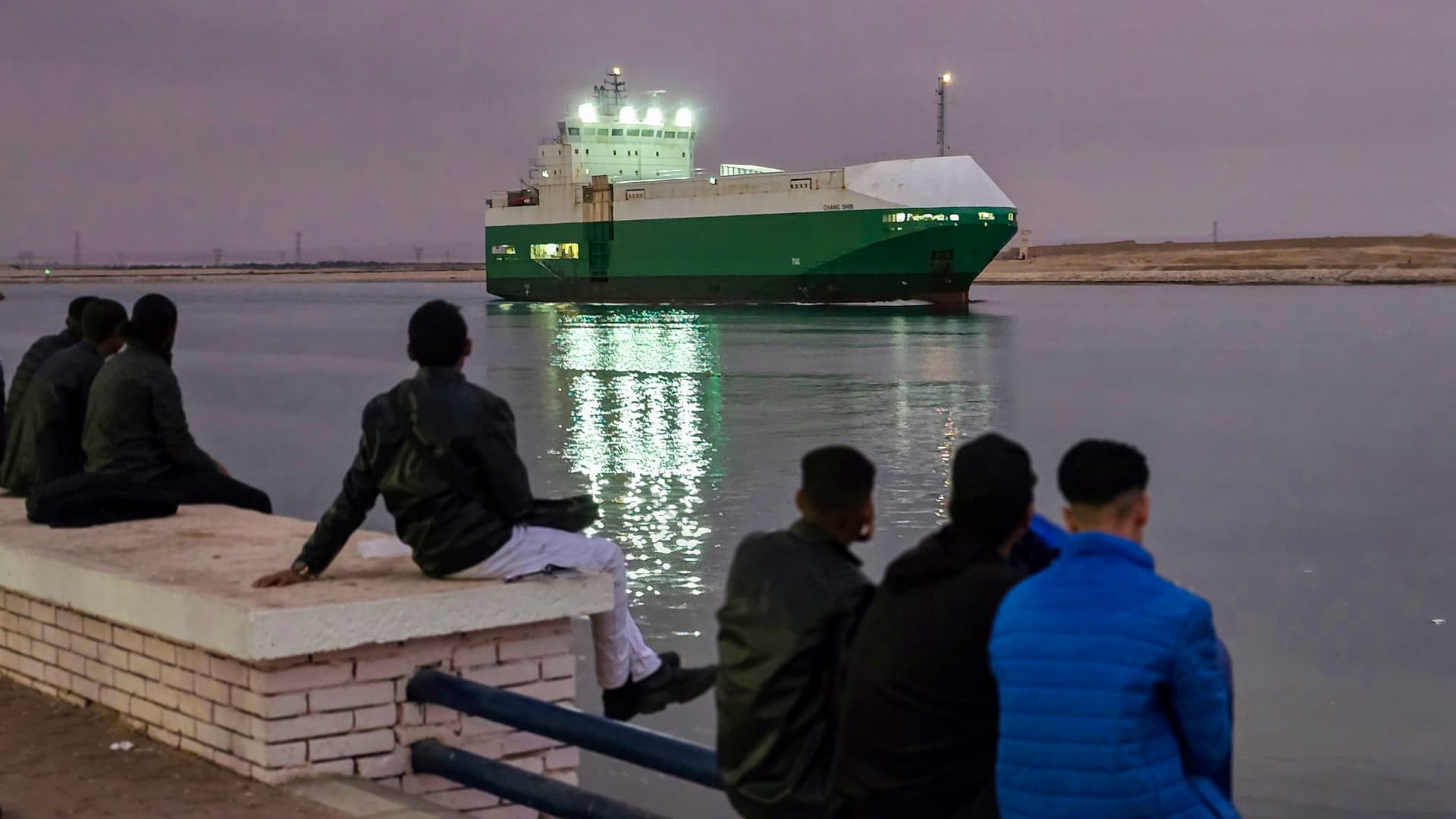
Yemen's Houthi rebels have signaled a halt to their attacks against Israel and shipping in the Red Sea, suggesting a possible ceasefire, though they have not officially confirmed the end of their campaign. The attacks had disrupted Red Sea shipping and impacted Egypt's economy, with recent tensions including threats against Saudi Arabia and detentions of aid workers. The situation remains tense, with potential for renewed conflict if hostilities resume.
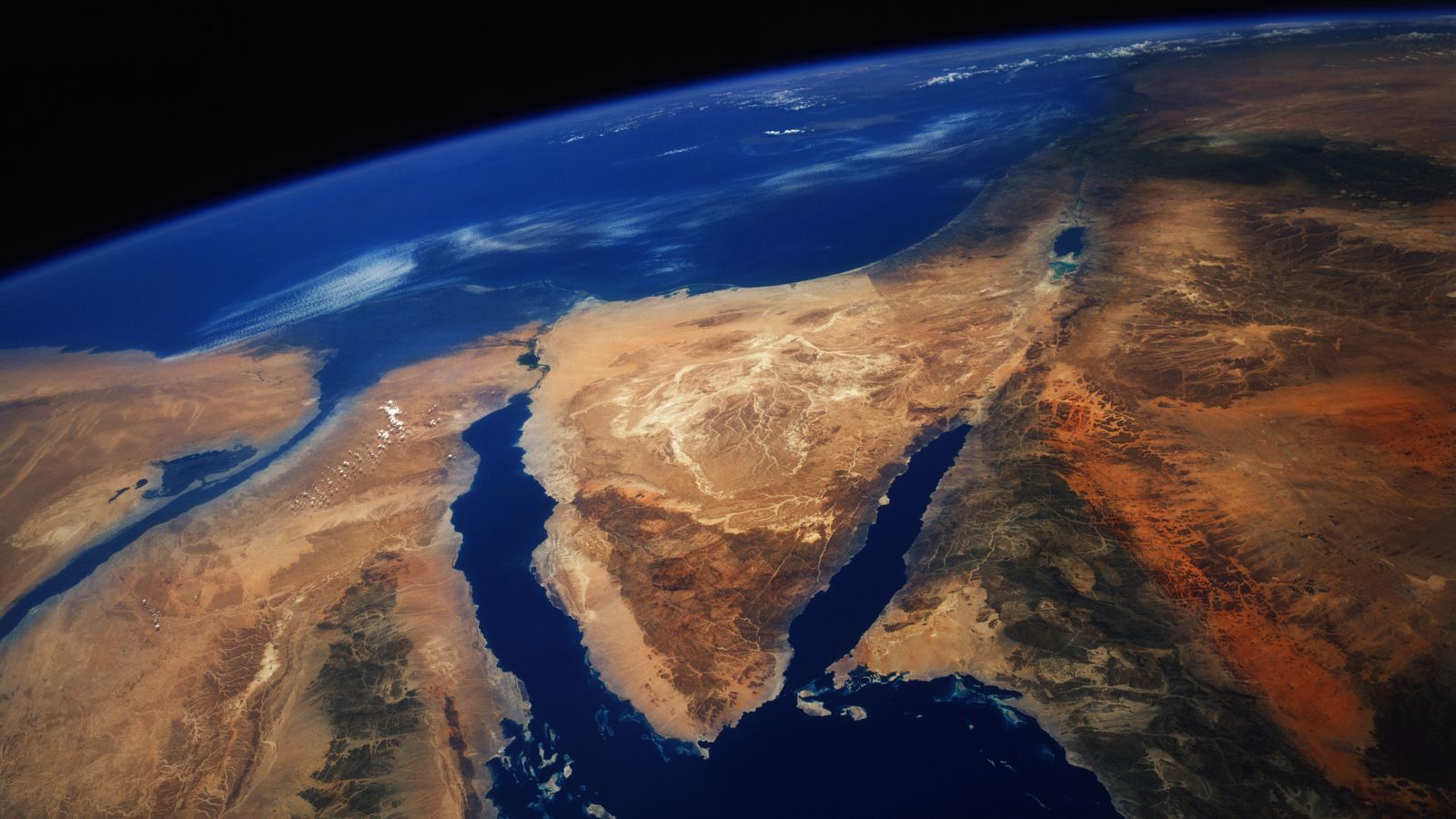
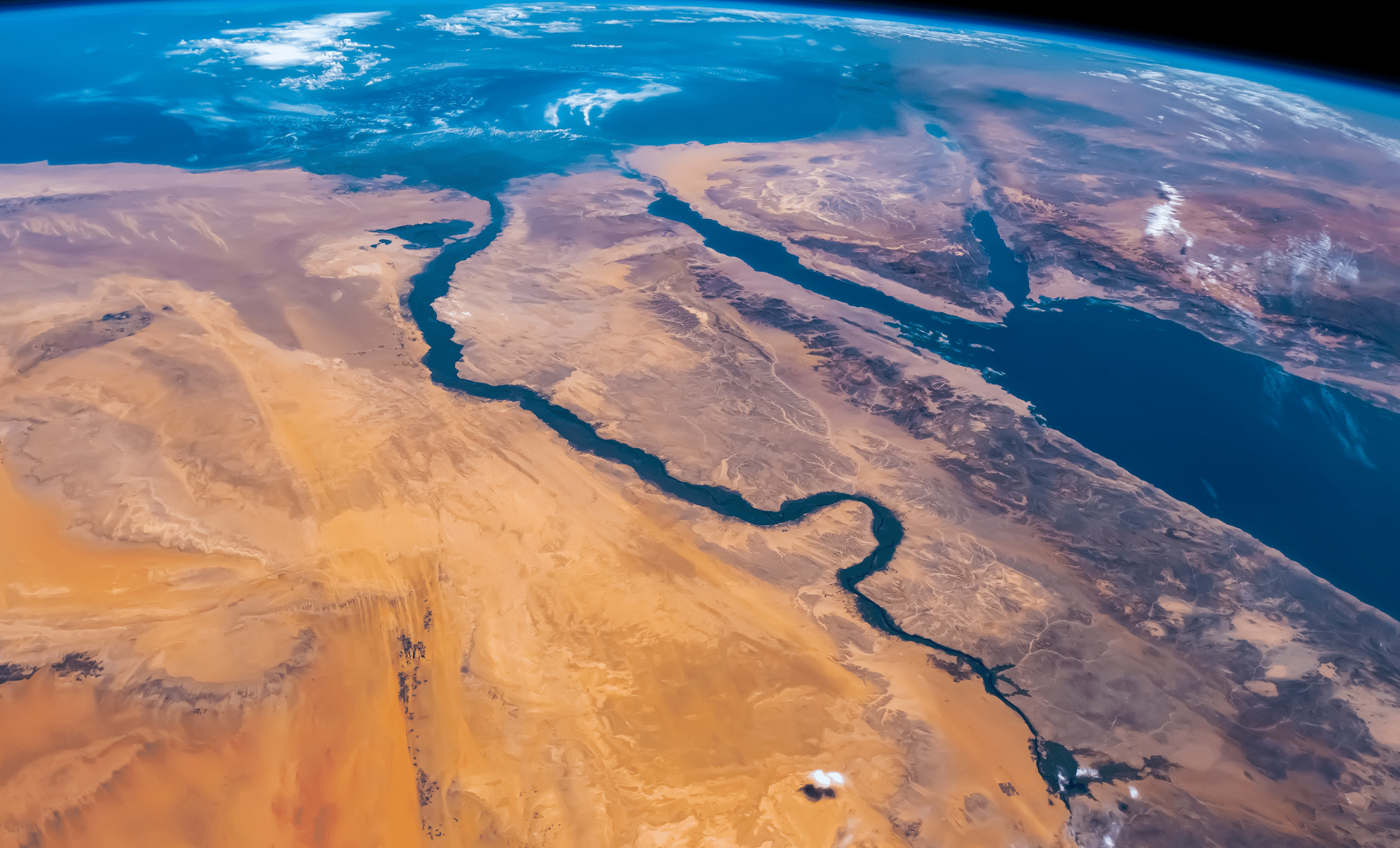
Approximately 6.2 million years ago, the Red Sea completely dried up during a salinity crisis, and was rapidly refilled within 100,000 years when the Indian Ocean breached a volcanic ridge, leading to significant geological changes including the formation of a deep submarine canyon.
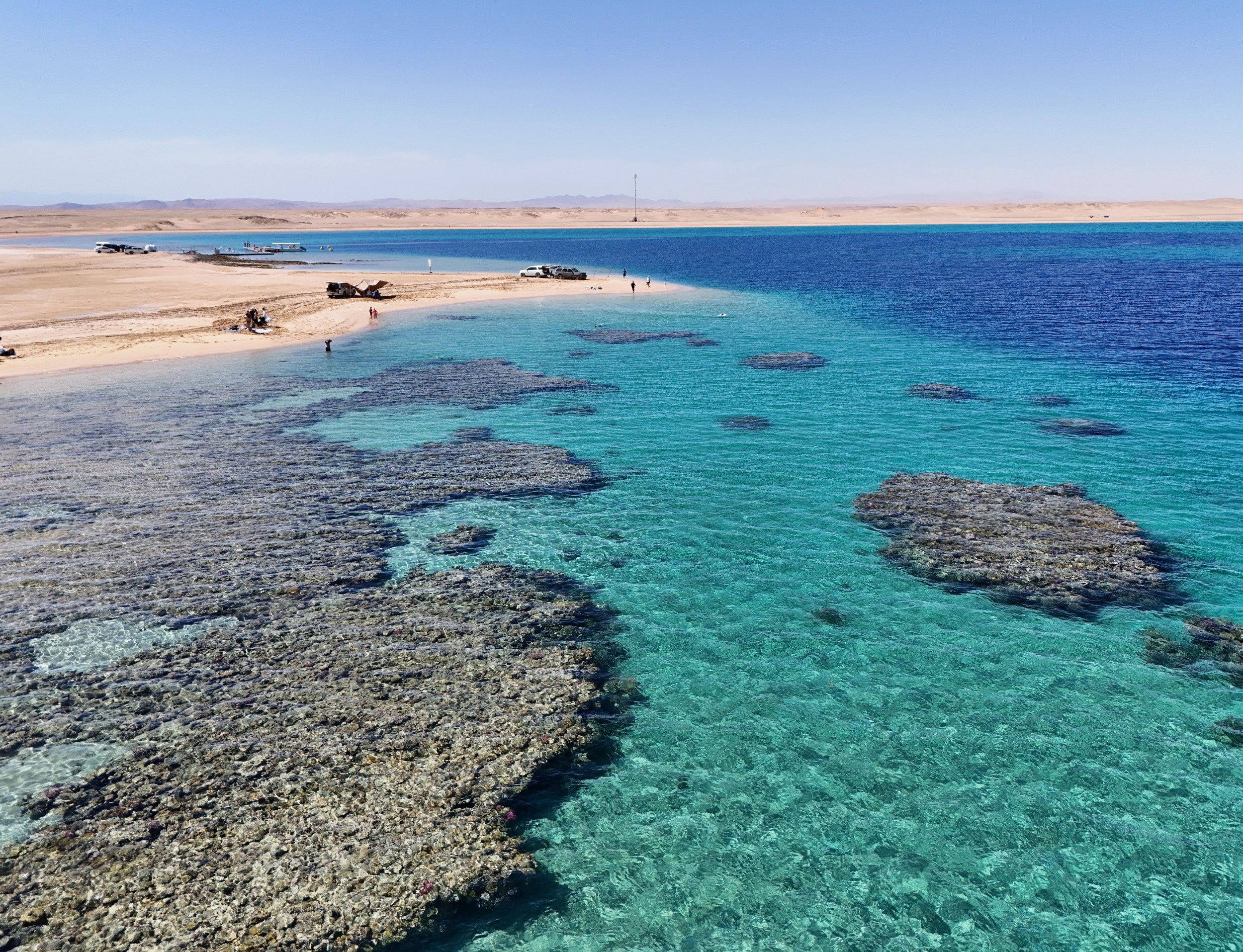
Scientists have uncovered that the Red Sea experienced a major environmental catastrophe over 6 million years ago, including a period of hypersalinity and near desiccation, followed by a catastrophic megaflood from the Indian Ocean that refilled it and restored marine life, shaping its current ecosystem. The study highlights the Red Sea's resilience and the ongoing threats posed by climate change.
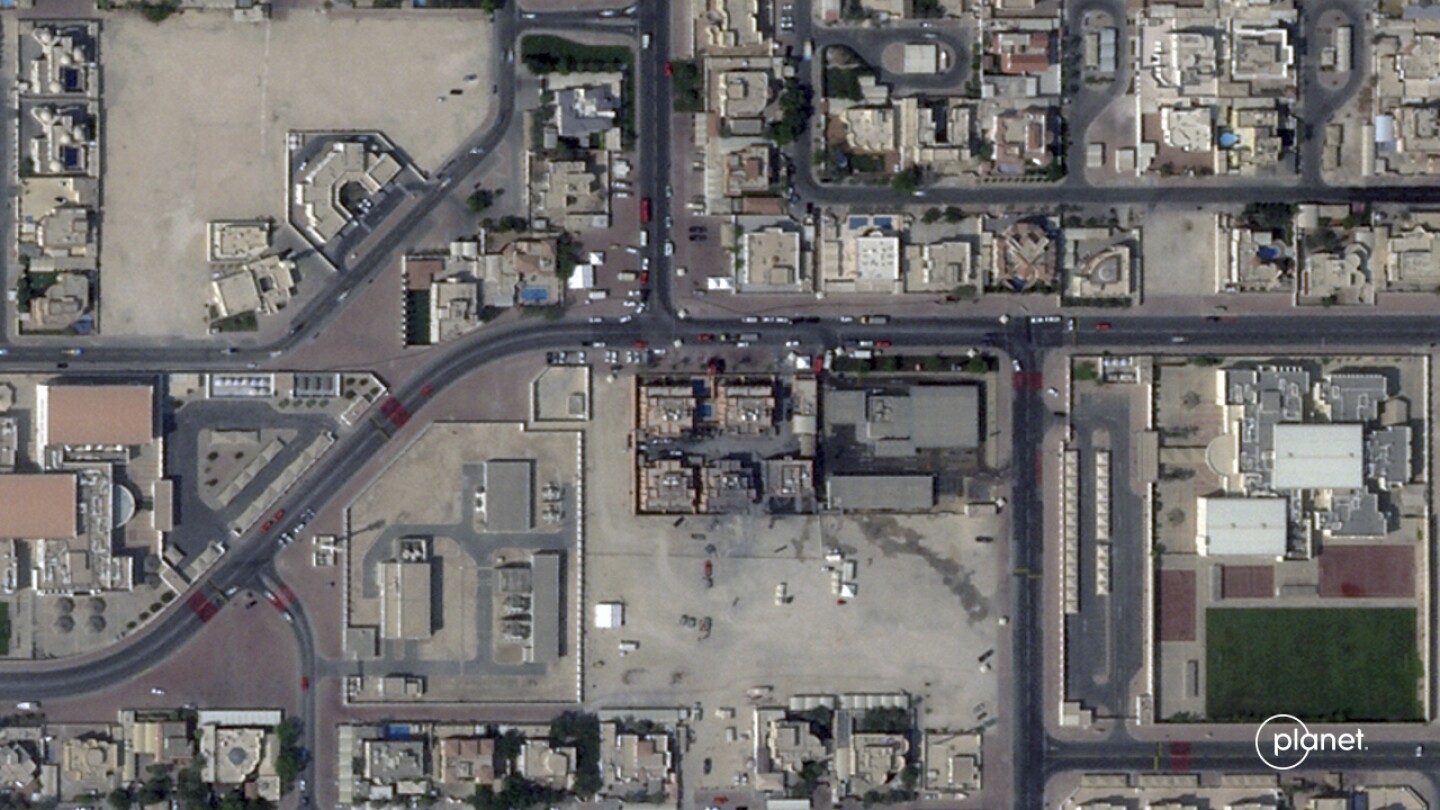
Israeli fighter jets launched ballistic missiles over the Red Sea targeting Hamas leaders in Qatar, marking a novel method to avoid air defenses and avoid entering regional airspace, which resulted in six deaths in Doha and heightened regional tensions amid ongoing conflicts in Gaza.
Undersea cable cuts in the Red Sea have caused internet disruptions in parts of Asia and the Middle East, with possible causes including accidental human activities or targeted attacks, though the exact reason remains unclear. Key cables affected include the SMW4 and IMEWE systems, which connect Europe, the Middle East, and Asia, and disruptions have impacted countries like India, Pakistan, Kuwait, and the UAE.
Microsoft reported that multiple undersea cables cut in the Red Sea caused increased latency and connectivity issues for Azure cloud clients, affecting traffic in the Middle East, Asia, and Europe. The company is monitoring and optimizing routing while repairs are underway, and other regions like India and Pakistan also experienced degraded internet connectivity due to the outages.
Microsoft Azure's cloud services experienced delays due to undersea cable cuts in the Red Sea, affecting internet traffic in the Middle East and parts of Asia, with rerouted traffic mitigating some impacts. The cause of the damage remains unclear, but such incidents highlight vulnerabilities in undersea infrastructure, which have been targeted or damaged in various regions amid geopolitical tensions.
Undersea cables in the Red Sea were cut, causing internet disruptions in parts of Asia and the Middle East, with suspected links to attacks by Yemen's Houthi rebels amid ongoing regional conflicts and tensions over the Israel-Hamas war.
Undersea cable cuts in the Red Sea have disrupted internet access across parts of Asia and the Middle East, with potential links to attacks by Yemen's Houthi rebels amid ongoing regional conflicts, though the exact cause remains unclear.
Cable cuts in the Red Sea have caused widespread internet disruptions across Asia and the Middle East, highlighting vulnerabilities in regional connectivity infrastructure.
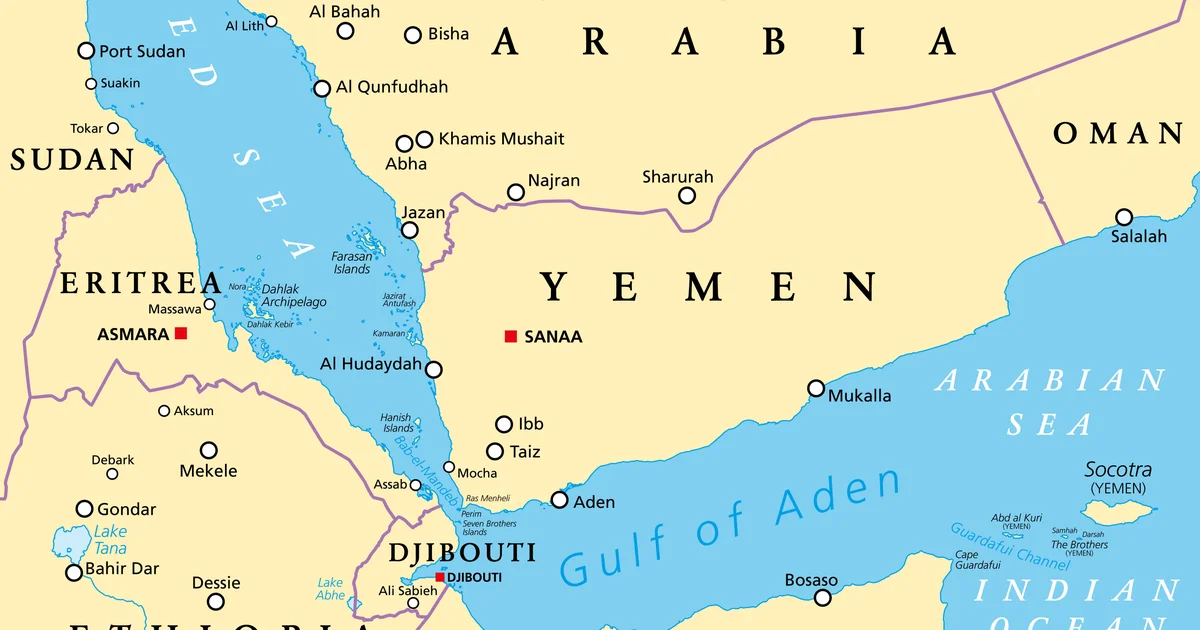
At least 76 people, mostly Ethiopian migrants, died and dozens are missing after a boat sank off Yemen in the Gulf of Aden, highlighting the dangers faced by migrants attempting to reach Gulf countries through perilous sea routes amid ongoing conflicts and instability in the region.
The Houthis in Yemen have threatened to escalate their naval blockade against Israel by targeting any ships dealing with Israeli ports, regardless of their flag, as part of their ongoing conflict related to Gaza, marking a significant escalation in their attacks in the Red Sea which have already impacted global maritime trade.
Researchers have reconstructed submerged ancient coastlines, revealing new migration routes for early humans between Africa and Eurasia, and proposing the existence of lost ports like Berenice under the Red Sea, using advanced sea-level models and underwater exploration to uncover human history hidden beneath the ocean.
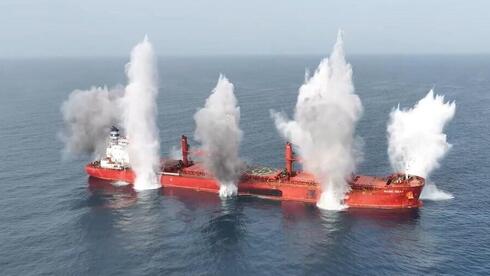
A resurgence of Houthi attacks in the Red Sea, including sinking ships and kidnapping crew, has increased risks for maritime trade, leading many shipowners to avoid the route due to lack of naval protection and heightened tensions linked to the Gaza conflict and regional geopolitics.