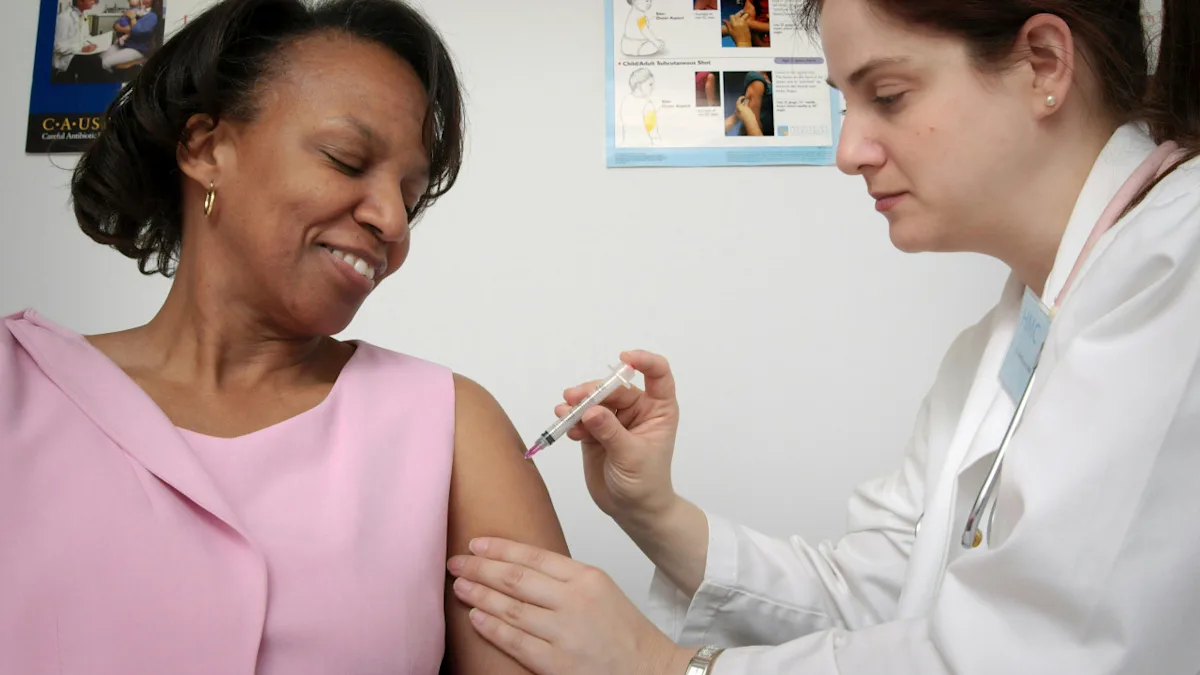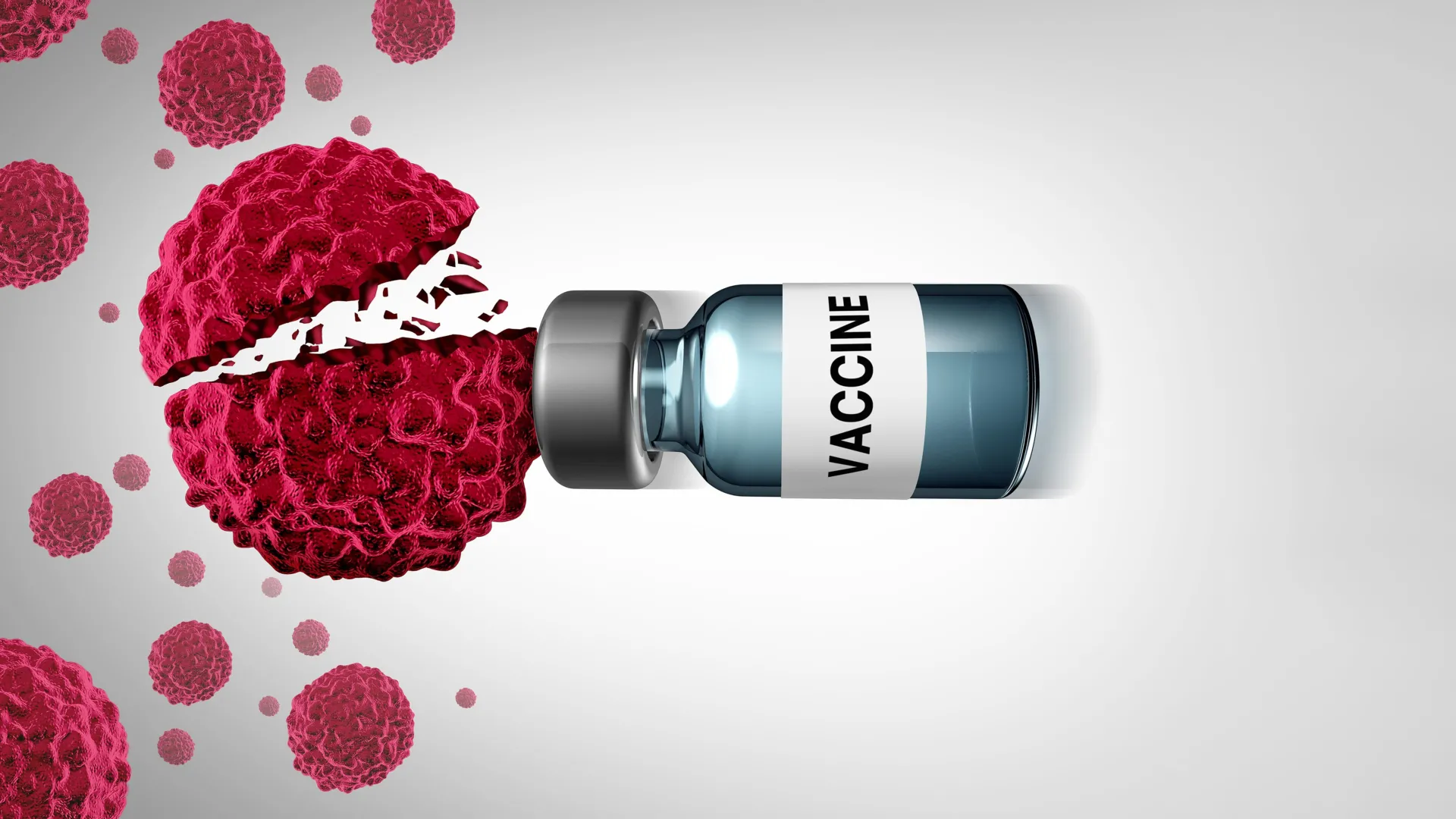
A study suggests that mRNA COVID-19 vaccines like Pfizer and Moderna may enhance survival rates in cancer patients undergoing immunotherapy, potentially 'priming' the immune system to fight cancer more effectively, though more research is needed; the vaccine's primary benefit remains COVID-19 prevention.
New research suggests that COVID-19 mRNA vaccines may boost survival rates in patients with advanced lung and skin cancers when administered within 100 days of starting immunotherapy, potentially paving the way for a universal cancer vaccine. The findings, based on patient data and mouse experiments, are preliminary but promising, prompting plans for further clinical trials.
A woman with stage three lung cancer in Bournemouth is seeking private treatment costing over £80,000 after being told NHS can only provide palliative care, as her prognosis was initially very poor. She views private treatment as a hope for better survival chances, and her community is fundraising to support her. The Department of Health emphasizes ongoing investment and efforts to fast-track promising treatments.
Denmark's successful overhaul of its cancer treatment system, including early diagnosis, high-tech equipment, patient-centered hospital environments, and community care, has significantly improved survival rates and offers valuable lessons for the NHS, which faces challenges like long waiting times and system complexity.
A major international study found that a modest exercise program for colon cancer patients can significantly reduce the risk of death and cancer recurrence, suggesting that physical activity should be integrated into treatment plans. The trial involved 889 patients and showed that those who exercised had better long-term outcomes, with ongoing research exploring the mechanisms behind these benefits.