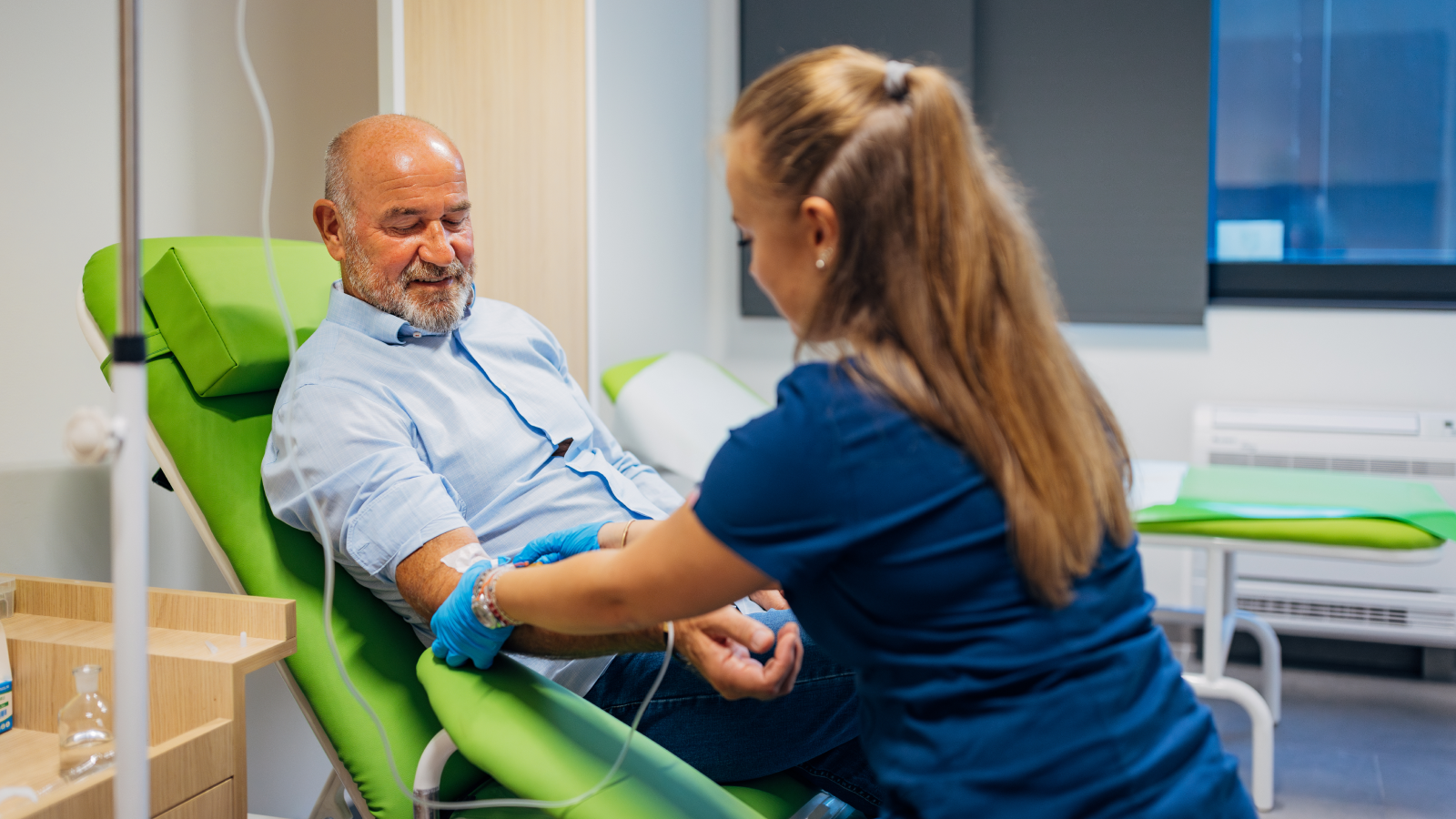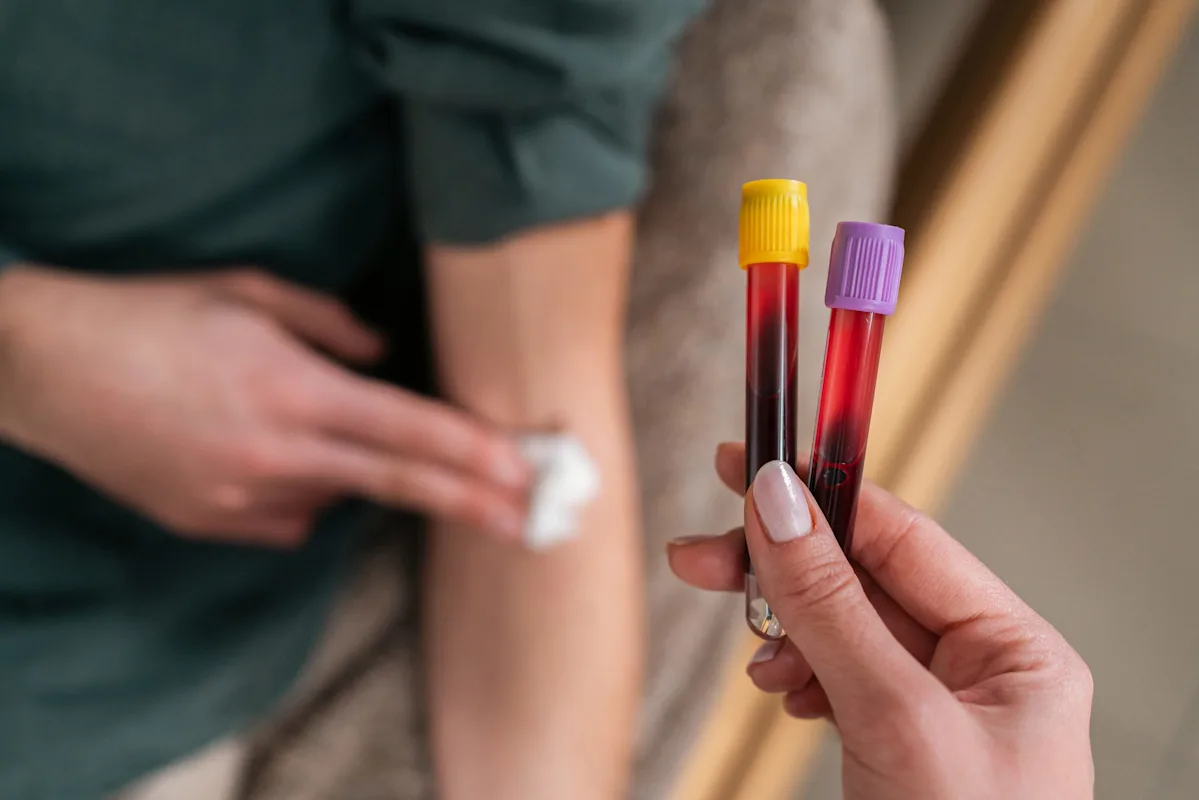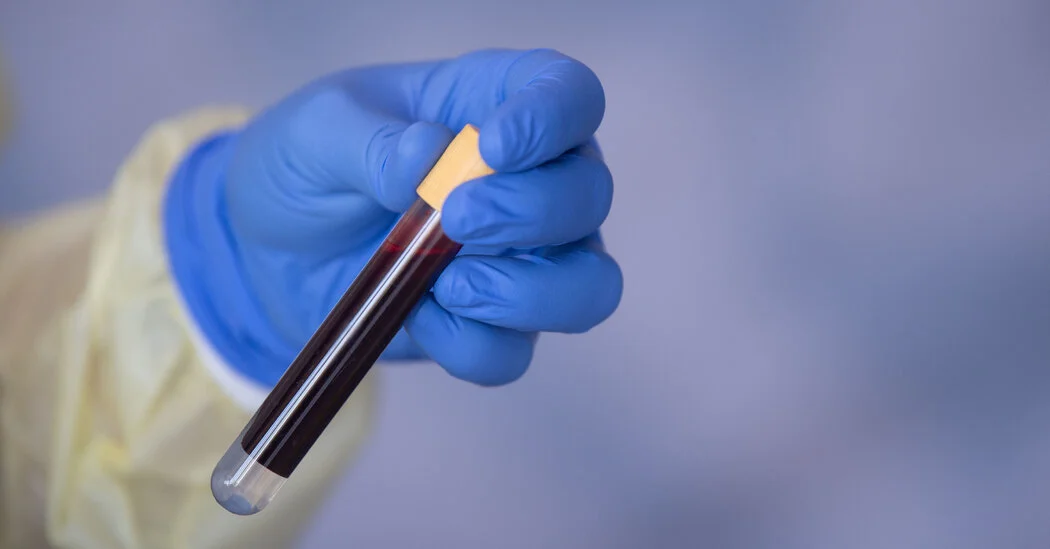
New blood tests capable of detecting multiple cancers simultaneously show promise for earlier diagnosis and improved cancer care, but currently face challenges such as high false-positive rates, lack of standardization, and integration into clinical practice. Experts believe these tests will improve over time and could revolutionize cancer diagnostics, though more research and validation are needed.
2026 is set to be a significant year for science with advancements in AI, clinical trials for gene therapies, a major cancer detection trial in the UK, increased lunar exploration including NASA's Artemis II and China's Chang’e-7, and space missions targeting Mars, the Moon, and exoplanets, alongside new ocean drilling initiatives in China.
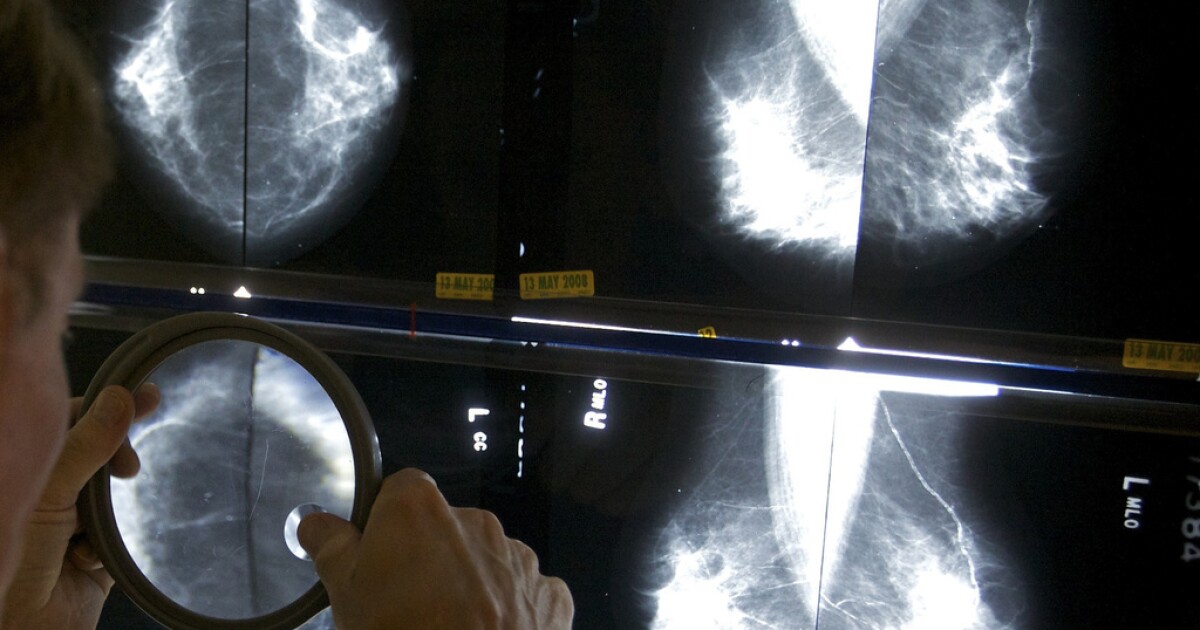
Dr. Sharma emphasizes the importance of four key cancer screening tests—mammography, Pap smear, stool test, and chest CT scan—for early detection at stage zero, which can significantly increase the chances of eradicating cancer before it spreads.
The article discusses the Galleri multi-cancer early detection blood test, which studies DNA fragments to detect 50 types of cancer, highlighting its potential, limitations, and the author's personal experience with a negative result, emphasizing that it is not a replacement for existing screenings but a promising supplement.
New research shows that invasive lobular carcinoma, a hard-to-detect form of breast cancer, is increasing at nearly 3% annually, now accounting for over 10% of cases, with detection challenges highlighting the need for more detailed imaging like MRI or ultrasound, especially for high-risk women.
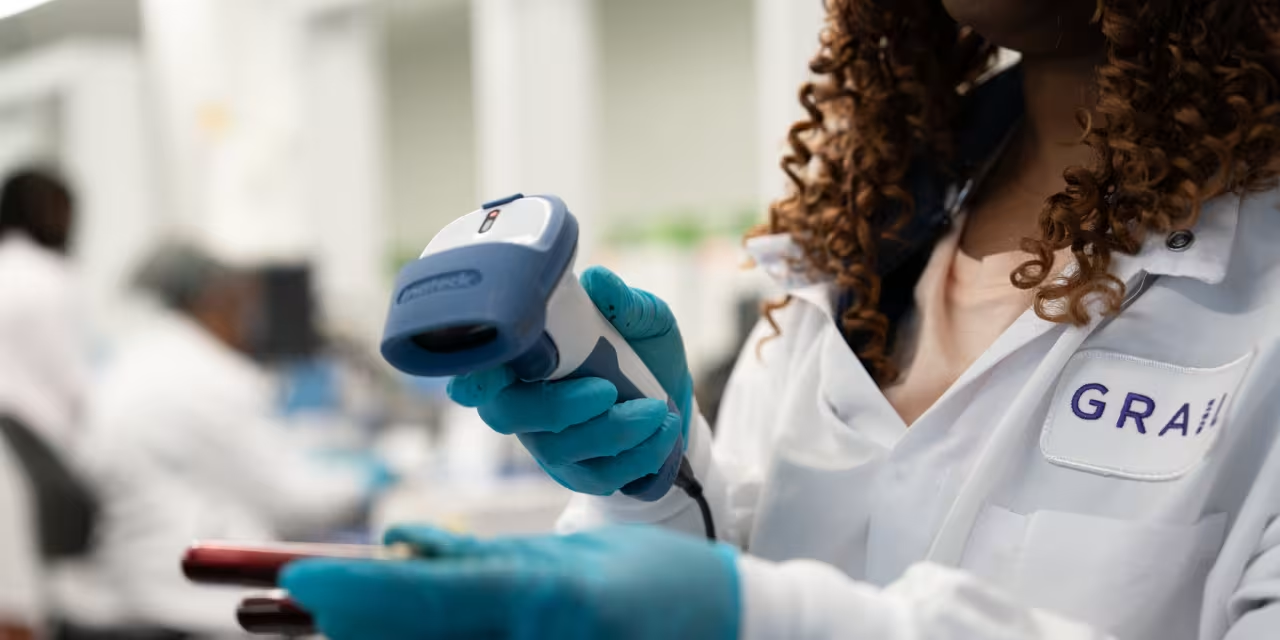
Grail's Galleri blood test detected seven times more cancers than standard methods in a large study, with over half being early-stage and in hard-to-screen areas, showing promising accuracy and potential for routine screening pending FDA approval.
Emerging blood tests, such as Guardant Health's Shield, show promise in detecting cancers like colon and pancreatic cancer earlier and less invasively, potentially improving survival rates, though many are still in early development and face challenges like false positives and limited detection rates compared to traditional methods.
A blood test called Galleri, capable of detecting 50 types of cancer with nearly 50% accuracy, is being tested on NHS patients and shows promise for annual screening of over-50s to catch cancer early, potentially saving many lives and improving survival rates.
SpotitEarly, a biotech startup, is developing an innovative at-home cancer screening method that combines trained dogs' sense of smell with AI to detect early-stage cancers from breath samples, with promising accuracy and plans for commercial availability in the U.S. by next year.
A new blood test called HPV-DeepSeek, developed by Mass General Brigham, can detect HPV-associated head and neck cancer up to 10 years before clinical diagnosis with 99% accuracy, using advanced genome sequencing and machine learning to identify circulating tumor DNA in blood samples.
Researchers developed a urine-based test identifying three biomarkers (TTC3, H4C5, EPCAM) that can accurately detect prostate cancer, potentially reducing the need for invasive biopsies and improving diagnostic accuracy, especially in PSA-negative cases.
The podcast discusses how AI is being used to analyze voices for detecting diseases like cancer, Parkinson's, and Alzheimer's, highlighting the potential of voice as a non-invasive biomarker for health assessment and diagnosis, with future applications in telehealth and everyday health monitoring.
Scientists at the University of Warwick have developed a compact, diamond-based sensor that detects magnetic particles injected into the body to identify cancer spread, offering a non-toxic alternative to radioactive tracers and dyes, with potential applications in various types of cancer detection and beyond.
A study in The Lancet reveals that doctors using AI tools for colon cancer detection become less skilled at identifying risks without AI, with detection rates dropping by 20% after reliance on AI, raising concerns about overdependence on technology in medical practice.
A study published in The Lancet Gastroenterology & Hepatology found that doctors who frequently used AI to detect cancer during colonoscopies performed worse at cancer detection when AI was not in use, raising concerns about potential de-skilling and the impact of AI on medical professionals' skills.