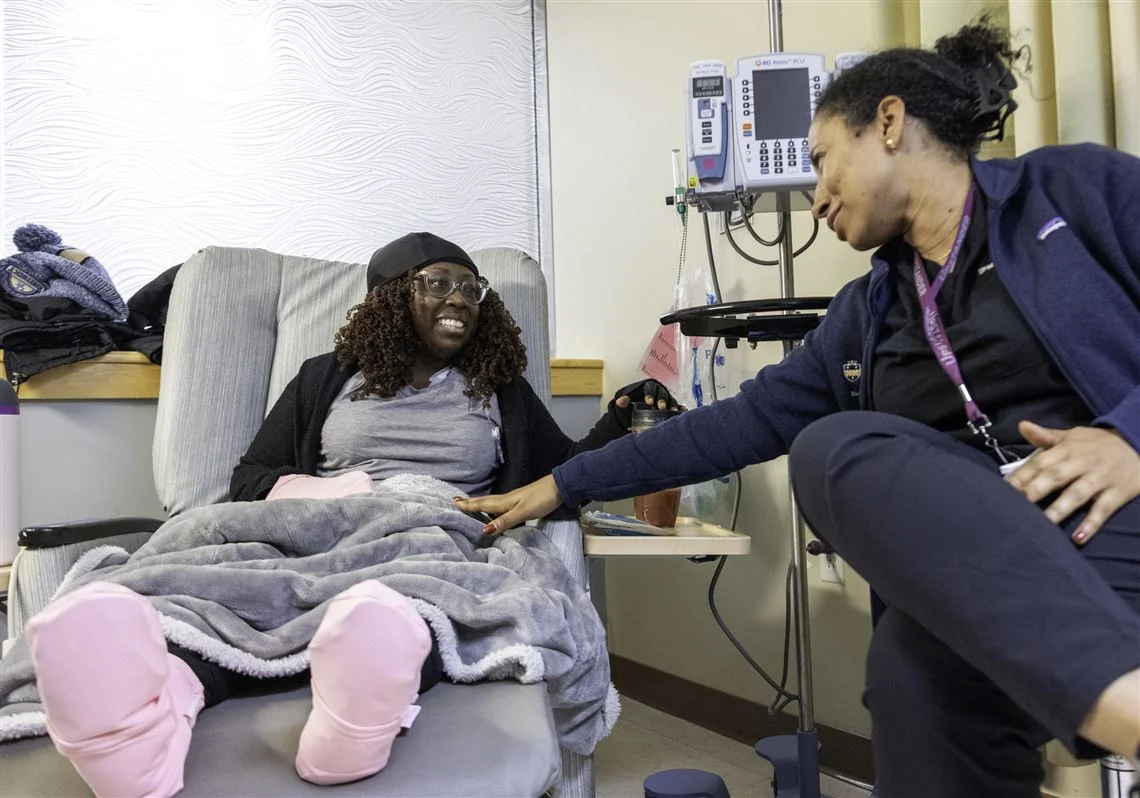
Sylvia Owusu-Ansah, a pediatrician and emergency medicine head at UPMC, shares her breast cancer journey through social media to raise awareness, support others, and document her treatment, highlighting the importance of knowledge, community, and resilience in facing cancer.
King Charles III publicly shared his cancer diagnosis and treatment journey, emphasizing the importance of early detection and screening programs, which has inspired increased public interest and awareness about cancer prevention and treatment in the UK.
The article highlights four surprising and often overlooked signs of cancer—pain after drinking alcohol, broken bones with little trauma, high calcium levels, and unusual breast symptoms—that can aid in early detection and treatment. It emphasizes the importance of consulting healthcare professionals if these symptoms are observed, as early diagnosis significantly improves outcomes.
A 23-year-old woman from Evesham, Milli Tanner, faced multiple misdiagnoses and delays before being correctly diagnosed with stage three bowel cancer, highlighting the need for increased awareness and prompt investigation of symptoms in young people.
A mother in Australia tragically died from advanced bowel cancer after ignoring symptoms like stomach pain, fatigue, night sweats, and irregular bowel movements, highlighting the importance of early detection and awareness of bowel cancer signs.
A woman in Australia shared her experience with stage four bowel cancer, highlighting how she ignored early symptoms like pain, fatigue, and irregular bowel movements, which led to a late diagnosis. Her story emphasizes the importance of recognizing warning signs and seeking prompt medical attention to improve outcomes. She also set up a fundraiser for her family before passing away.
A 36-year-old man from Tasmania was diagnosed with a 4-inch bowel tumor after initially dismissing symptoms as food poisoning, highlighting the importance of early detection and awareness of bowel cancer in young people, amid rising rates among under-55s. He underwent surgery and chemotherapy, and now advocates for awareness and early screening.
Matt Riddleston, a 59-year-old cancer nurse and avid cyclist, was diagnosed with stage four prostate cancer after experiencing fatigue and back pain, initially attributing symptoms to cycling. Despite his medical knowledge, he faced the harsh reality of his diagnosis and is now raising awareness and funds through a charity bike ride, while continuing his work and advocating for cancer research.
Matt Riddleston, a 59-year-old cancer nurse and avid cyclist, was diagnosed with stage four prostate cancer after experiencing fatigue and back pain, initially attributing symptoms to cycling and stress. Despite his medical background, he faced the harsh reality of his diagnosis and is now raising awareness and funds through a charity bike ride, while continuing his work as a cancer nurse. His story highlights the importance of early detection and the emotional impact of a life-limiting illness.
Melissa Sanders, a 44-year-old woman from Ohio, initially dismissed her heavy bleeding as perimenopause but was later diagnosed with Stage 3 cervical cancer after experiencing severe symptoms and undergoing screening. Her story highlights the importance of regular Pap smears and HPV vaccination in early detection and prevention of cervical cancer, emphasizing that women should prioritize their health and not neglect routine screenings.
Deion Sanders' recent bladder cancer surgery highlights the importance of early detection and raises awareness about health disparities affecting Black communities, emphasizing the need for accessible preventative screenings and lifestyle changes to combat higher cancer risks.
Deion Sanders, Colorado's head football coach, announced he was diagnosed with bladder cancer earlier this year, underwent bladder removal surgery, and is now cancer-free, using his experience to raise awareness and serve as an example for others facing similar health challenges.
Wendy Maultsby, diagnosed with endometrial cancer at 32, highlights the rising trend of younger women being affected by this typically older-age cancer, emphasizing the importance of awareness, early detection, and research, especially among at-risk groups.
Georgia Gardiner, a 28-year-old mother from Leeds, was misdiagnosed with indigestion for months before being diagnosed with the rare and aggressive stomach cancer linitis plastica, which has a poor prognosis with only 12 months to live. Her story highlights the importance of advocating for thorough testing when symptoms persist, as early detection could improve outcomes for this often late-diagnosed disease.
A 40-year-old man from Kent died eight months after being diagnosed with stage 4 colon cancer that had spread throughout his body, highlighting the importance of seeking medical attention for persistent symptoms. Despite undergoing chemotherapy and family fundraising efforts, his prognosis was grim, and he urged others to get checked early to avoid similar outcomes.