Tag

Animal Testing

All articles tagged with #animal testing

science2 months ago

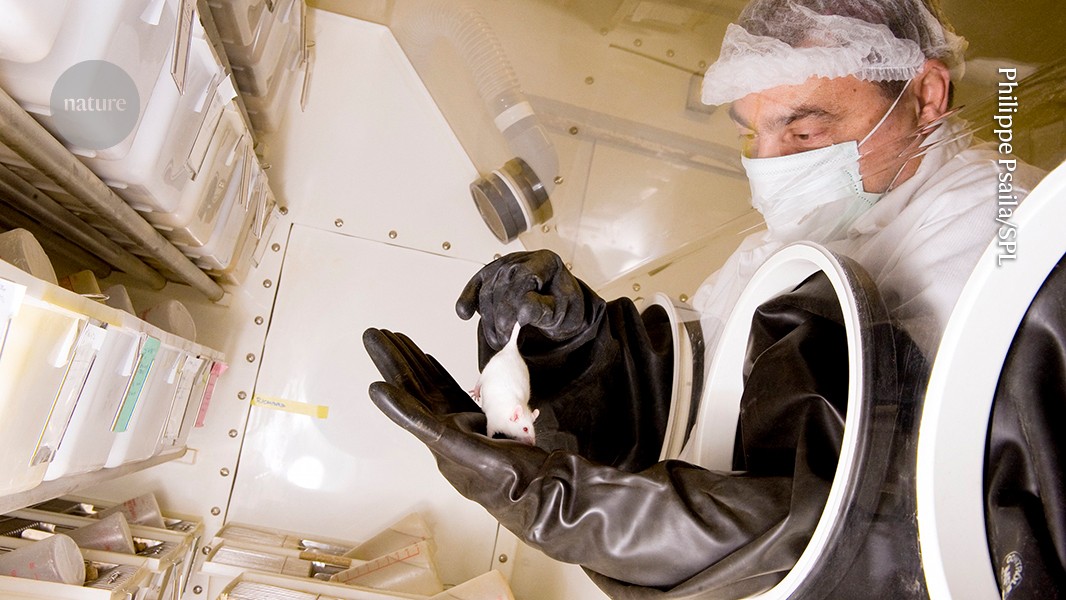
UK Announces Strategy to End Animal Testing and Boost AI Alternatives

The UK government has announced plans to phase out animal testing for safety assessments by the end of 2025, replacing many tests with human cell-based and computer simulation methods, aiming to significantly reduce animal use in scientific research by 2030, while acknowledging the challenges and limitations of non-animal models.

science-and-technology2 months ago

China Advances Animal Testing to Lead Global Biotech Competition

Chinese scientists are pushing the boundaries of animal testing, especially with large animals like pigs and primates, to develop treatments for diseases like ALS, amid a regulatory environment that is more permissive than in the US and Europe, raising ethical concerns and strategic implications for global biotech dominance.

science2 months ago

Rethinking Animal Testing in Biomedical Research

The article discusses the nuanced debate between traditional animal models and new approach methodologies (NAMs) in biomedical research, emphasizing that both have their strengths and limitations. It advocates for a balanced, model-specific approach rather than outright replacing animal testing with NAMs, highlighting technological advances and ethical considerations.

health1 year ago

Rabies Cases in Virginia Animals: Human Impact Explored

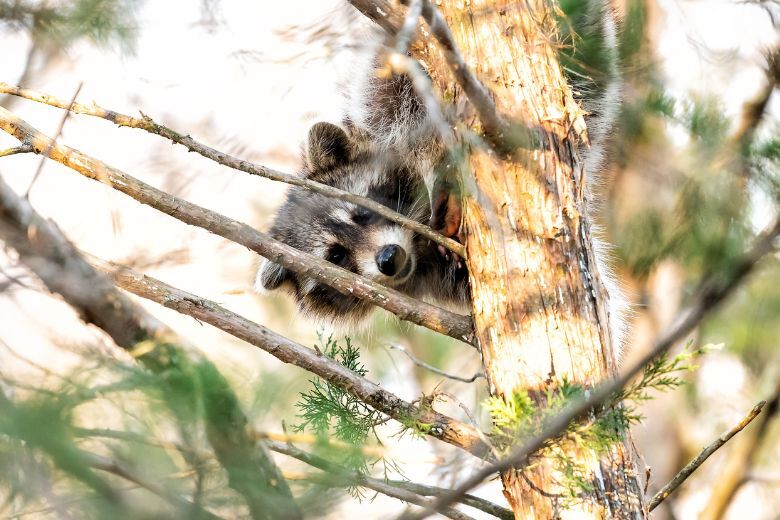
In Virginia, 272 animals have tested positive for rabies this year, with raccoons, skunks, foxes, and cats being the most affected. Rabies is a fatal viral disease that can spread to humans through bites or scratches from infected animals. While the disease is almost 100% fatal once symptoms develop, timely treatment is highly effective. Health officials emphasize the importance of vaccinating pets and reporting animal bites to prevent rabies cases. The state conducts thousands of tests annually, with Fairfax and Loudoun counties reporting the highest numbers of positive cases.

science-and-technology1 year ago

Laika: The First Orbital Space Dog's Tragic Journey

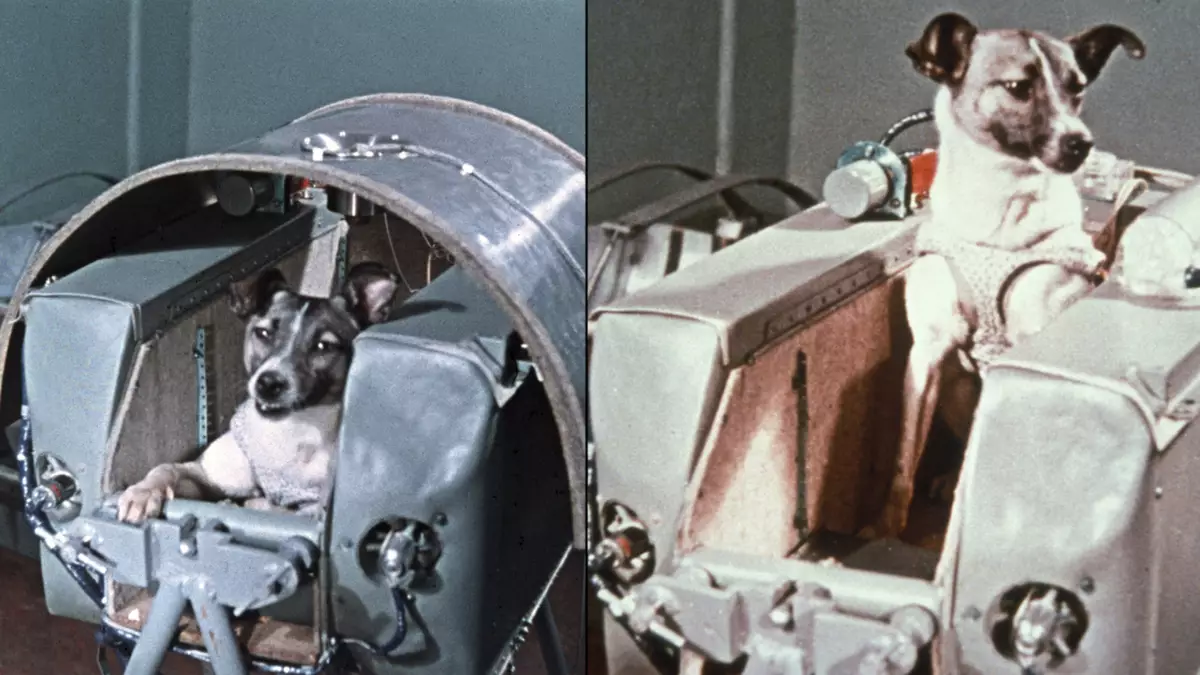
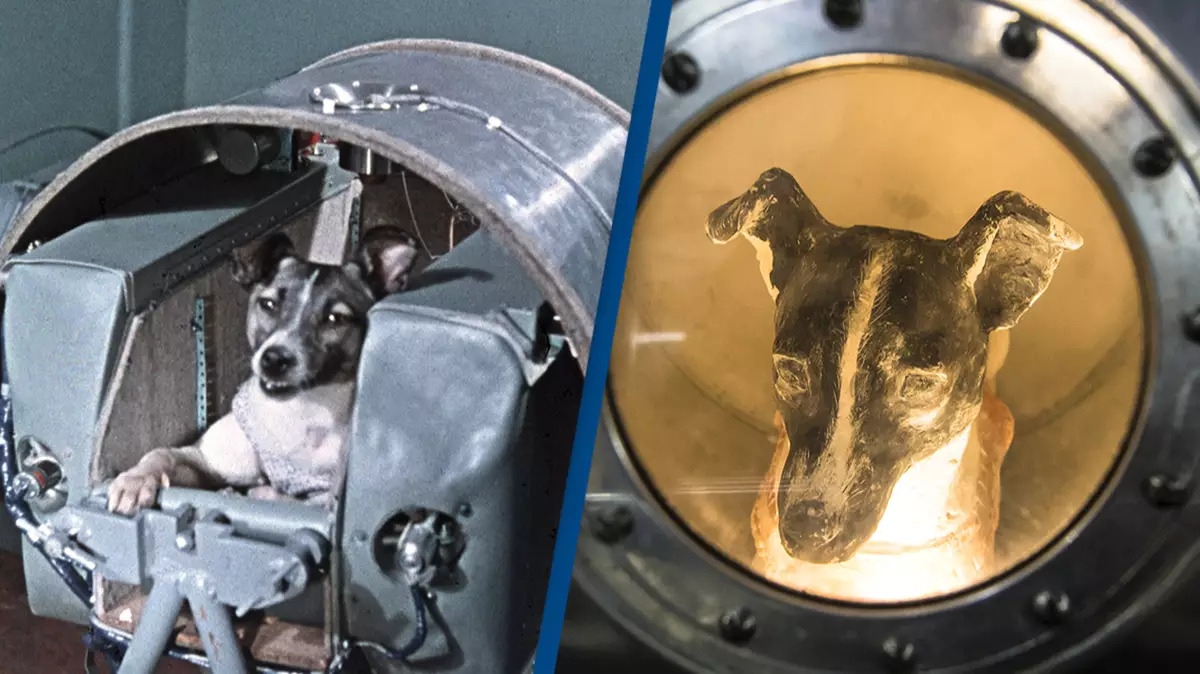
Laika, a stray dog from Moscow, became the first living being to orbit Earth on November 3, 1957, as part of the Soviet space program. Despite the mission's historical significance, Laika's journey ended tragically as she died from panic and overheating just hours after launch, contrary to initial claims that she survived for days. Her remains were incinerated upon re-entry in April 1958. Laika's story highlights the ethical challenges of early space exploration.

science-and-technology1 year ago

Laika: The First Dog to Orbit Earth and Her Tragic Journey

Laika, a stray dog from Moscow, became the first animal to orbit Earth aboard the Soviet spacecraft Sputnik 2 in 1957. Despite the mission's significance in advancing space exploration, Laika's journey was a one-way trip, and she died from overheating and panic shortly after launch. Her mission provided crucial data on the effects of space travel on living organisms, contributing to the Soviet Union's progress in the Space Race. Sputnik 2 eventually disintegrated upon re-entry after 162 days in orbit.

technology1 year ago

"Neuralink Patient Assured No Monkey Deaths, New Brain Cap Enables Mind-Controlled Gaming"

Noland Arbaugh, the first human to receive Elon Musk's Neuralink brain chip, was assured by the company that no monkeys had died as a result of a Neuralink implant, despite reports of some of the 23 subjects dying during testing. Concerns about the safety and ethical implications of the technology arose due to previous trials on animals, including reports of monkeys suffering and dying during experimentation. Despite controversy, Arbaugh proceeded with the implant and has demonstrated positive outcomes, raising ethical concerns and sparking debate about the broader implications of such technology.

technology-animal-rights1 year ago

"Neuralink's Human Brain Implant Milestone and Ethical Concerns"

Documents obtained by DailyMail.com reveal that Elon Musk's Neuralink project has killed at least 1,500 animals, including monkeys, sheep, and pigs, during its quest to develop a brain implant that allows people to control electronic devices with their minds. The animal testing involved drilling holes into monkeys' heads, implanting devices, and subjecting the animals to multiple surgeries before euthanizing them. The Physicians Committee for Responsible Medicine has raised concerns about the "extreme suffering" endured by the animals and the "systematic disregard" for their lives, while Neuralink has stated its commitment to working with animals in a humane and ethical way.

technology2 years ago

"Neuralink Seeks Human Volunteers Following Animal Testing Controversy"

Elon Musk's neurotech startup Neuralink has faced criticism after it was revealed that the company has killed approximately 1,500 animals in its experiments to connect brains to computer interfaces. Records from UC Davis' California National Primate Research Center detailed the suffering experienced by monkeys that received brain chip implants, including bleeding in the brain and parts of the brain being left in tatters. Despite calls from a national group of physicians to halt all animal and human experiments, Neuralink is still actively recruiting individuals with quadriplegia or ALS for brain implant trials.

health2 years ago

Rabies Outbreak: Two Animals Infected in Oneida County

Two animals, a raccoon in Utica and a skunk in Remsen, have tested positive for rabies in Oneida County, New York. The Oneida County Health Department stated that there was no reported human exposure to the infected animals. The department advised people to avoid approaching wild or stray animals and seek medical attention if bitten or in contact with an animal's saliva. Rabies is a deadly disease, and appropriate care is crucial to prevent contracting it. For concerns or questions about rabies exposure, contact the Oneida County Health Department.

science-and-technology2 years ago

"Controversy Surrounding Neuralink's Monkey Experimentation"

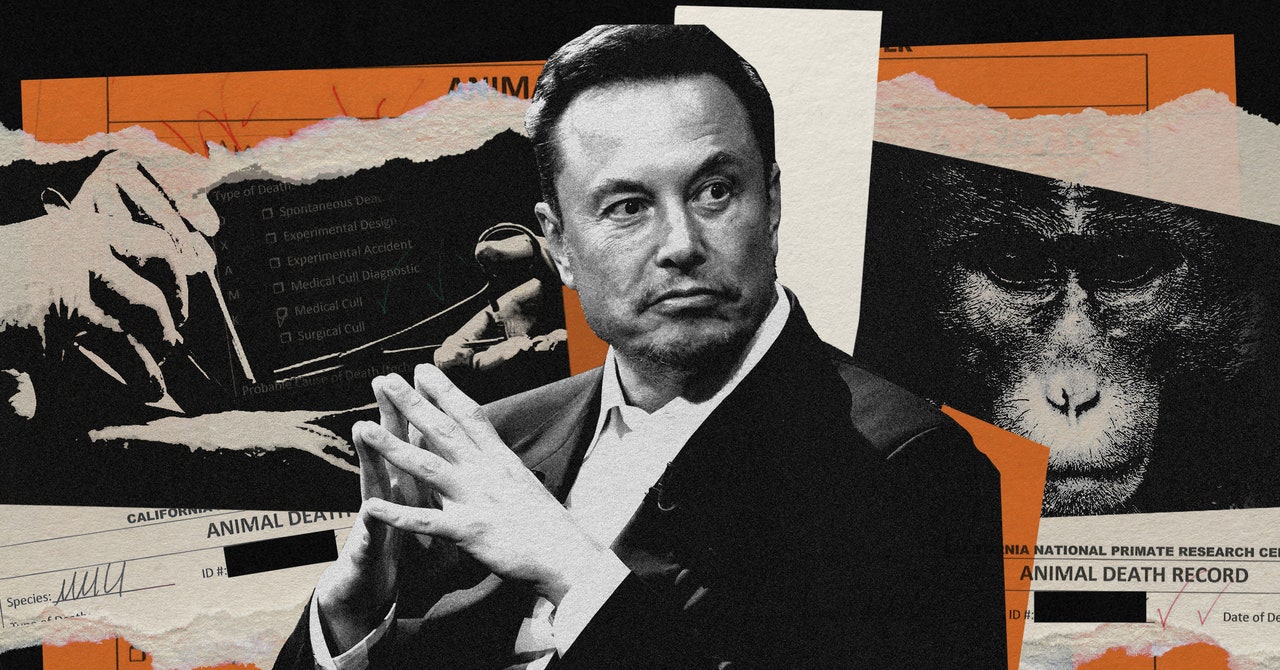
Veterinary records obtained by WIRED reveal the gruesome complications and deaths suffered by monkeys involved in Neuralink's brain implant experiments. The records document instances of bloody diarrhea, partial paralysis, brain swelling, fungal and bacterial infections, and loose implants. Contradicting Elon Musk's claim that no monkeys died as a result of the experiments, the records show that at least three monkeys were euthanized due to severe complications. The article also highlights ongoing investigations by the SEC, US Department of Agriculture, and US Department of Transportation into Neuralink's animal testing practices and transport of antibiotic-resistant pathogens. Despite these controversies, Neuralink has received approval to begin human trials for its brain-computer interface technology.

health2 years ago

Rabies Outbreak: Animals Test Positive in Nebraska

The Department of Health and Human Services in Nebraska has issued a warning about the risk of rabies from wild animals, as nine animals, including eight bats, have tested positive for the virus this year. Bats are the primary carriers of rabies in the state, but skunks, foxes, coyotes, and raccoons can also transmit the disease. Rabies is a fatal virus that affects the nervous system and is transmitted through bites or contact with infected animal saliva. To prevent the spread of rabies, it is advised to keep pets vaccinated, avoid contact with wild animals, and seek immediate veterinary assistance if a pet is bitten.

animal-welfare2 years ago

From Labs to Love: 4,000 Rescued Beagles Find Forever Homes

Nearly 4,000 beagles bred for research were rescued from a breeding facility in Virginia after federal officials found safety violations. Many of the dogs have since found loving homes and are thriving. Adoptive families have shared heartwarming stories of the beagles adjusting to their new lives, overcoming fears, and learning to trust. The rescue effort drew nationwide attention and even inspired public figures like Meghan, Duchess of Sussex, and Prince Harry to adopt a beagle. The success of these adoptions highlights the importance of patience, understanding, and providing a safe environment for rescued animals to heal and thrive.