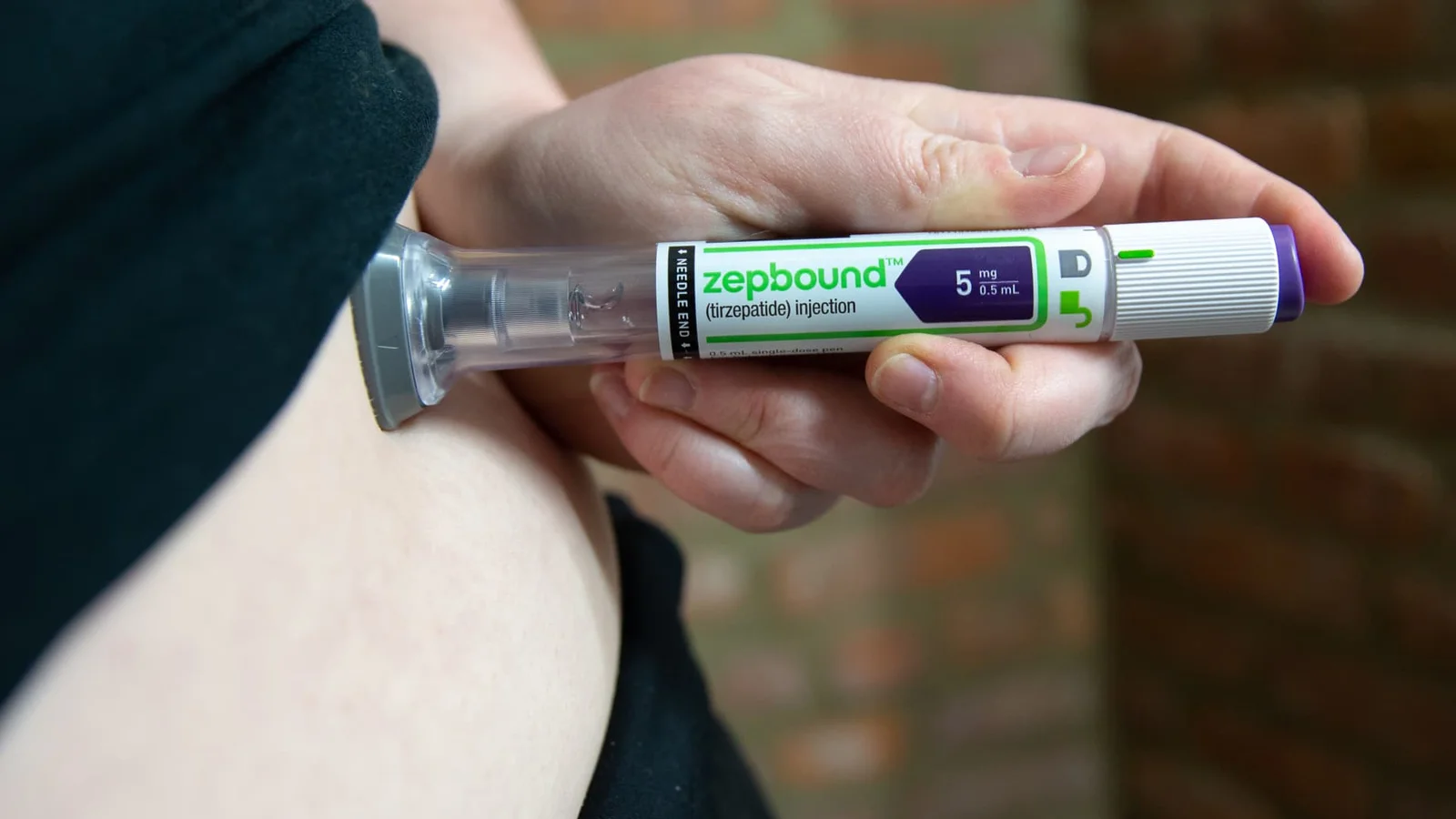
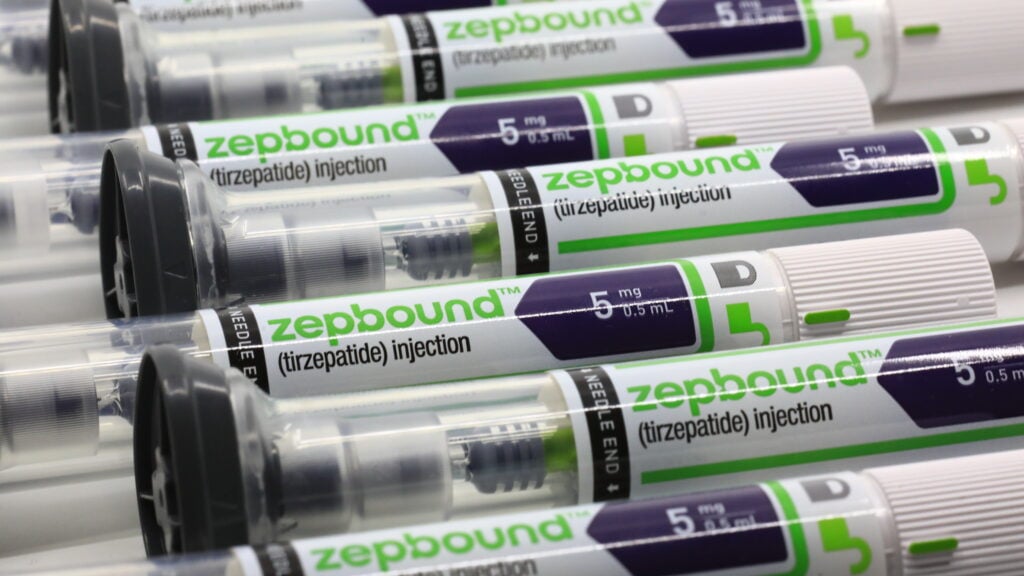
Eli Lilly introduced a KwikPen that delivers four weekly doses of Zepbound in one monthly injection, priced from $299 per month on LillyDirect, with FDA labeling expanded to include the multi-dose device to support Zepbound’s dominant position in the obesity-drug market.
Eli Lilly beat Q4 estimates with adjusted EPS of $7.54 and revenue of $19.29B (up 43%), and issued 2026 guidance of $80-83B in revenue and $33.50-35 in EPS, powered by robust GLP-1 demand for Zepbound and Mounjaro. U.S. sales reached $12.9B with volume up about 50% while prices moderated. Lilly faces competition from Novo Nordisk and highlighted pricing steps under a 2026 deal with Medicare/Medicaid and a direct-to-consumer TrumpRx platform, with most pricing moves expected early in 2026 and volume growth ramping in the second half. The company is also pursuing an oral weight-loss drug, orforglipron, later this year.
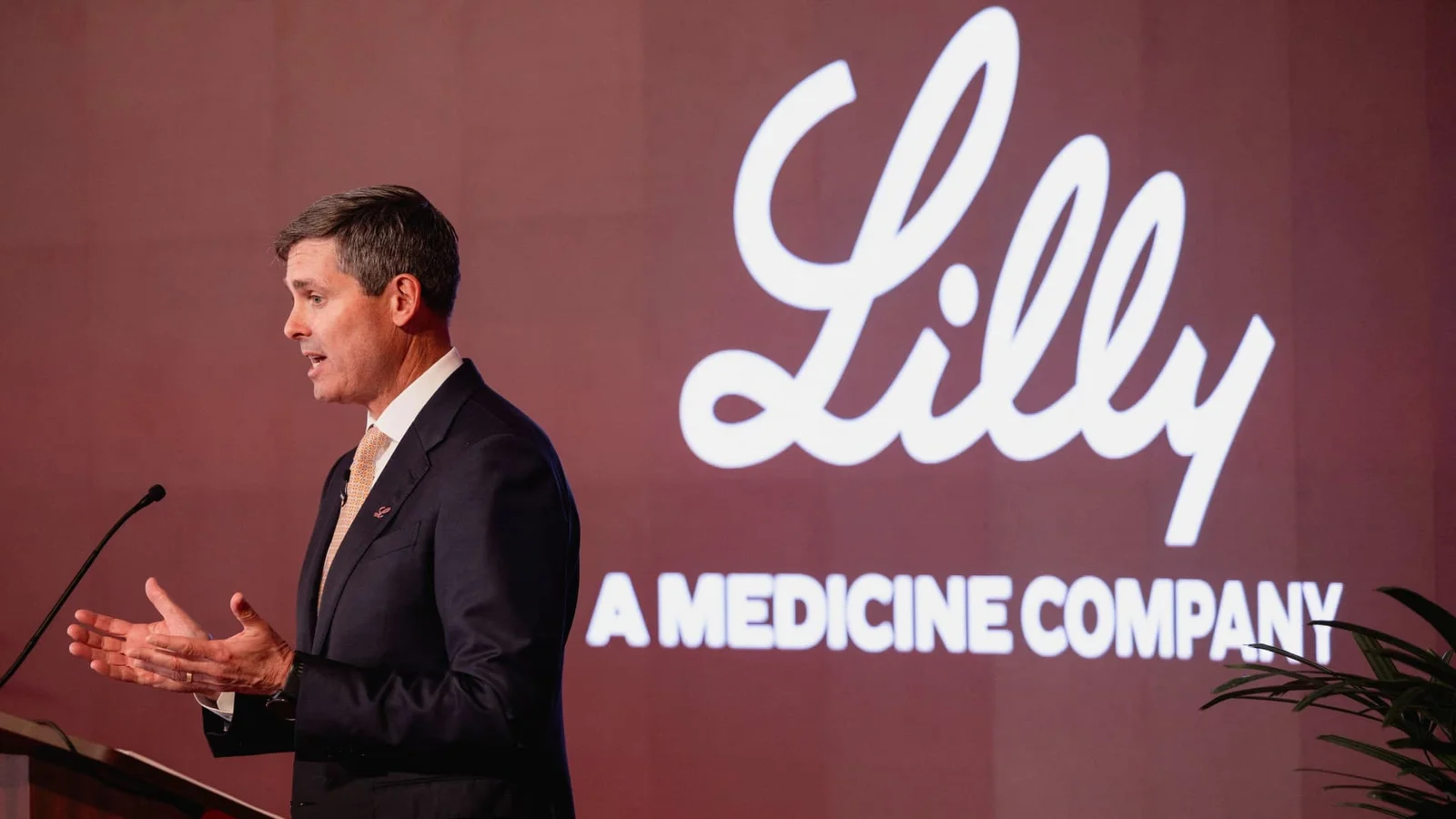
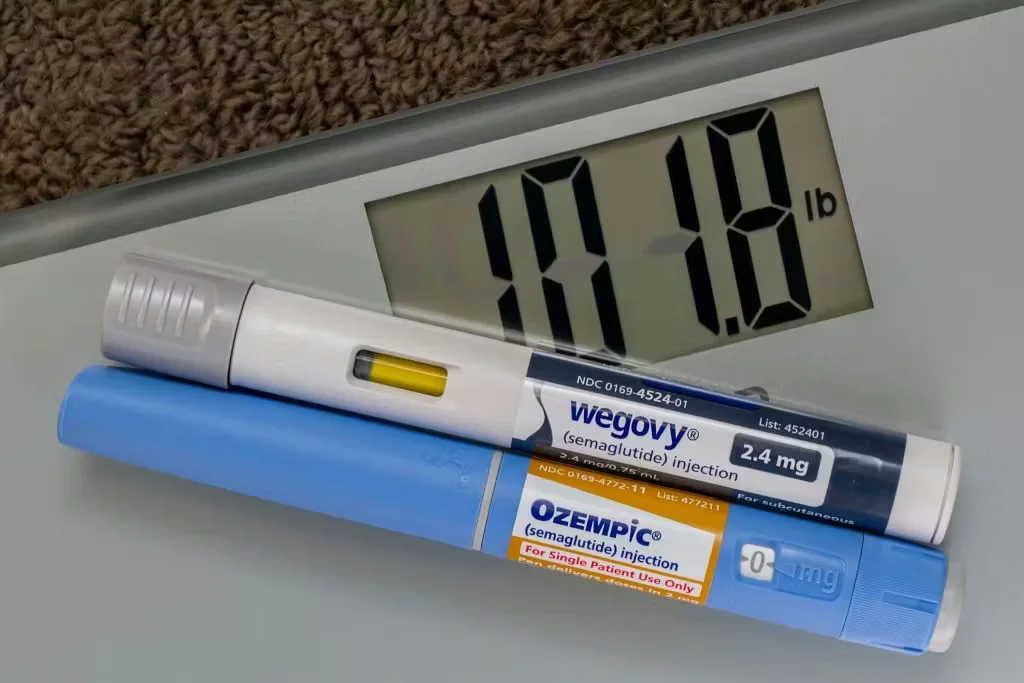
Eli Lilly CEO Dave Ricks says Medicare coverage of obesity treatments later this year could be a major catalyst for the launch of orforglipron, with a full rollout planned in Q2 and price reductions expected in the second half under Trump-era deals; the move could expand access to 20–30 million beneficiaries and follows strong early demand for competitor Wegovy, a GLP-1 obesity pill.
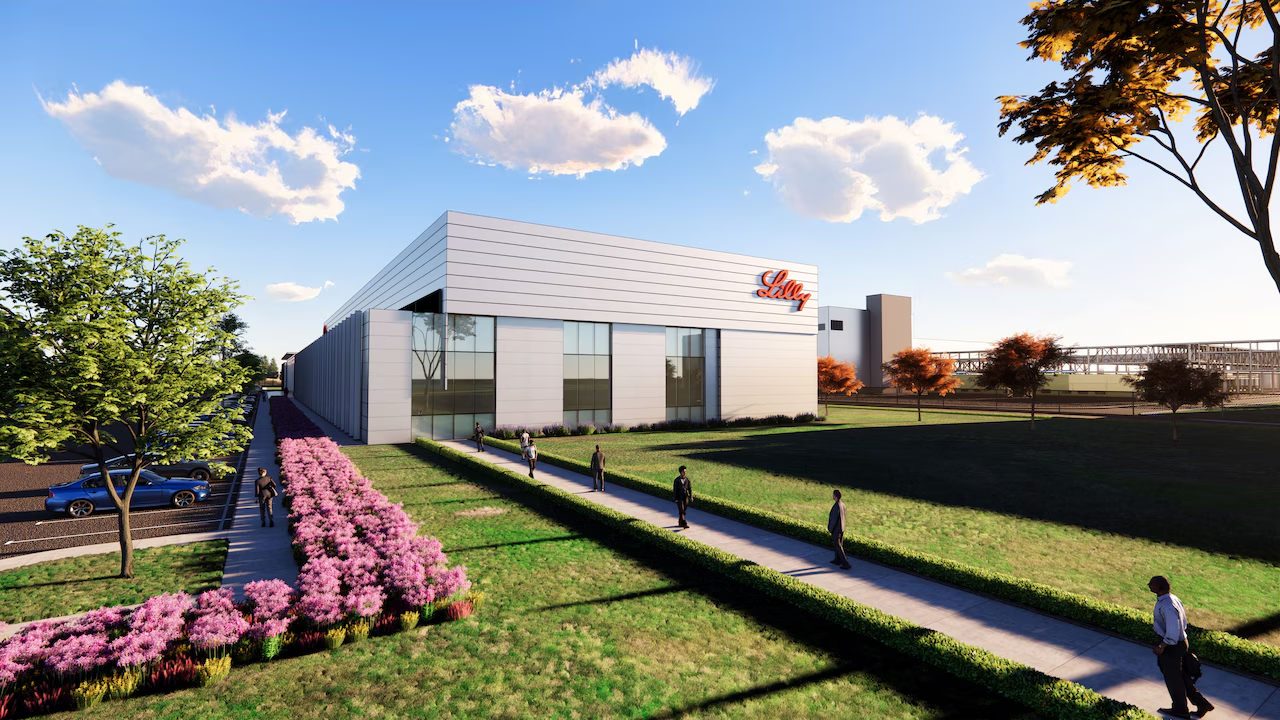
Eli Lilly announced a $3.5 billion manufacturing plant in Pennsylvania’s Lehigh Valley to produce its next-generation obesity therapies, including the experimental drug retatrutide. The new facility, Lilly’s fourth major U.S. site, is slated to start this year and become operational in 2031, creating about 850 local jobs and 2,000 construction roles, as the company seeks to expand capacity amid strong GLP-1 market competition and ongoing push to secure drug supply.
Real-world data cited by Reuters via Fresh Stock Ideas suggests a sizable share of patients using Novo Nordisk and Eli Lilly GLP-1 obesity drugs may maintain weight loss for months after discontinuing the treatment.
Eli Lilly leads the weight‑loss drug market with a broader product slate and faster growth, justifying a premium over Novo Nordisk, which remains strong but more focused on weight loss and diabetes.
A lawsuit filed by Strive Specialties alleges Eli Lilly and Novo Nordisk blocked telehealth partners to curb compounded GLP-1 therapies, potentially impacting about 1.5 million U.S. patients who rely on cheaper, personalized versions of Wegovy/Ozempic. The plaintiffs say these agreements limit prescriber choice and patient access, while the drugmakers argue the deals target mass-produced copies. Novo Nordisk has highlighted the past Hims & Hers partnership ended after compounded Wegovy issues, and Lilly labeled the suit a bid to divert attention from Strive’s own conduct. The case underscores ongoing tensions between compounded vs. branded GLP-1 drugs, access, and pricing in the weight‑loss market.
Eli Lilly's drug Zepbound, when combined with its immunology therapy Taltz, showed promise in reducing symptoms of psoriatic arthritis in obese patients, suggesting potential new uses for the weight loss drug, though its impact on prescribing patterns remains uncertain.
Eli Lilly is in advanced negotiations to acquire Ventyx Biosciences for over $1 billion, which would expand Lilly's portfolio to include treatments for inflammatory bowel diseases and other conditions, with an announcement expected soon.
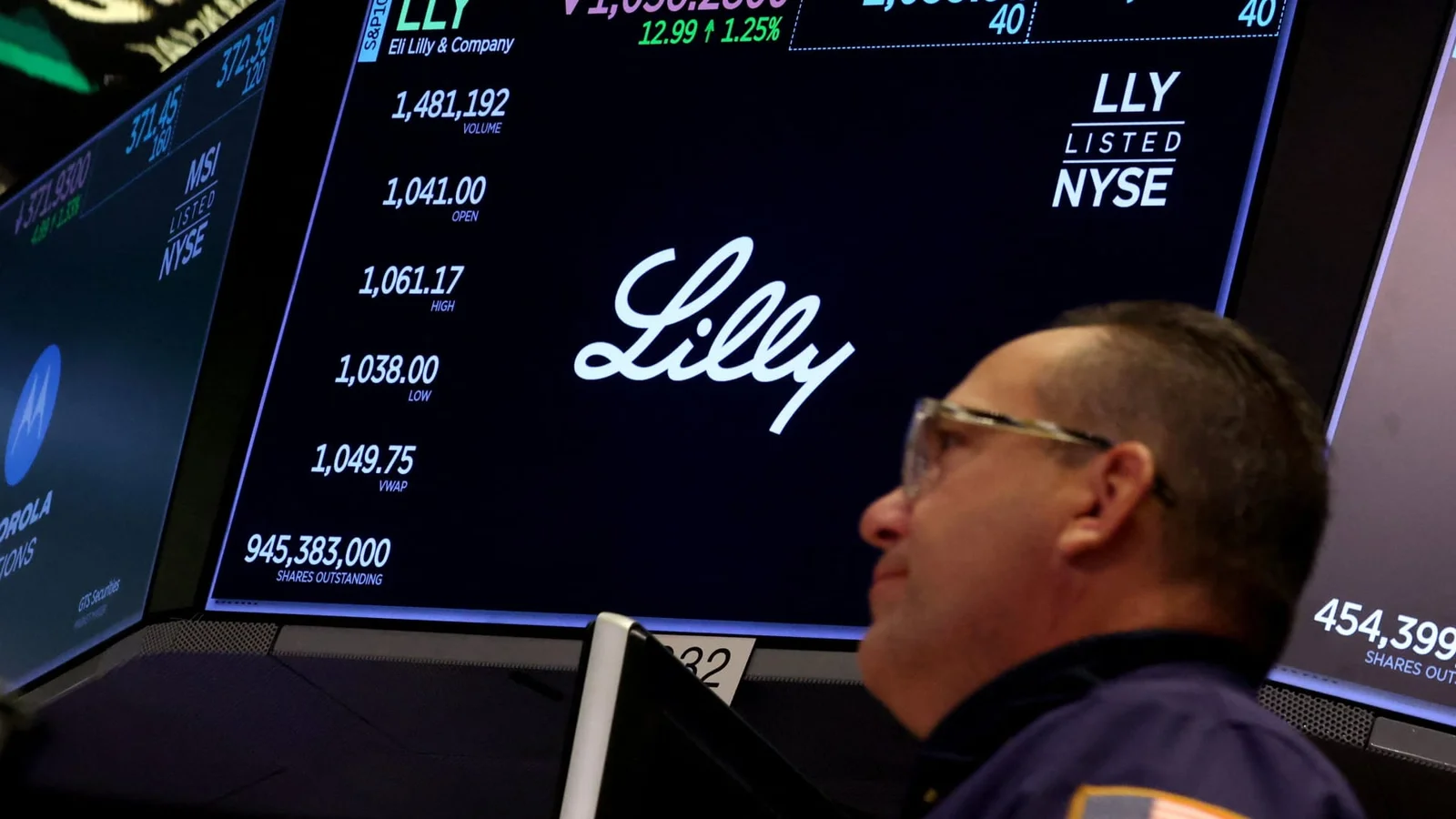
Eli Lilly shares are declining, possibly due to specific company or sector factors, while oil and financial stocks are experiencing a rally, reflecting mixed market movements on January 5, 2023.
Huntsville experienced a significant economic boom in 2025 with major investments like Eli Lilly's $6 billion pharmaceutical facility, the relocation of U.S. Space Command headquarters, and expansions in retail, arts, and technology sectors, positioning it as Alabama's top economic growth area.
Huntsville's success in attracting Eli Lilly's new pharma plant highlights its growing economic strength and ability to win major projects, surpassing Birmingham, which struggles with translating research into commercial products. The article emphasizes the need for Birmingham to focus on effective economic development and regional collaboration, drawing lessons from Alabama's successful auto industry growth and past achievements like the Mercedes-Benz project.
The article highlights three top growth stocks to buy now: MercadoLibre, a leading Latin American e-commerce and fintech company; Eli Lilly, a healthcare giant with strong obesity and diabetes treatments; and Alphabet, Google's parent company, with impressive AI and cloud computing growth. These companies offer significant long-term growth potential due to their innovative industries and strong financials.
Eli Lilly's stock declined after its rival Novo Nordisk received U.S. approval for its obesity medication, impacting investor sentiment in the pharmaceutical sector.
The article argues that Eli Lilly shares should be valued higher and discusses expectations and wishlist items for Nike's upcoming earnings report, providing insights into investment opportunities and market analysis.