AMD has partnered with the U.S. Department of Energy in a $1 billion project to develop two supercomputers, Lux and Discovery, aimed at advancing scientific research in areas like nuclear energy, cancer treatment, and national security. The project enhances AMD's role in high-performance computing and AI infrastructure, with the first system, Lux, launching within six months, and the second, Discovery, expected in 2029. AMD stock has gained over 1% following the announcement.
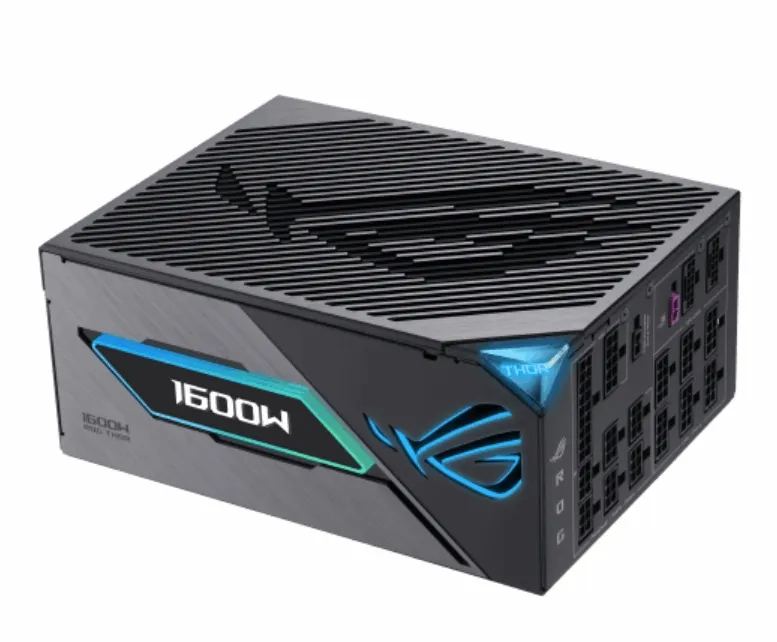
ASUS has introduced the ROG Thor III 1600W power supply unit, featuring a modular OLED display and designed to meet ATX 3.1 standards. It offers high energy efficiency with an 80 PLUS Titanium certification and includes a Turbo mode for enhanced cooling. The OLED display is detachable and can be positioned for optimal visibility. Pricing and availability details are yet to be announced.
AMD CEO Dr. Lisa Su will deliver the opening keynote at Computex 2024, focusing on next-gen high-performance computing and AI PCs. The keynote will highlight advancements in AMD's Zen 5 core architecture, RDNA 3.5 GPU, and XDNA 2 NPU cores, with expectations for the new Ryzen 9000 Desktop CPUs. The event will be live-streamed from the Nangang Exhibition Center in Taipei.
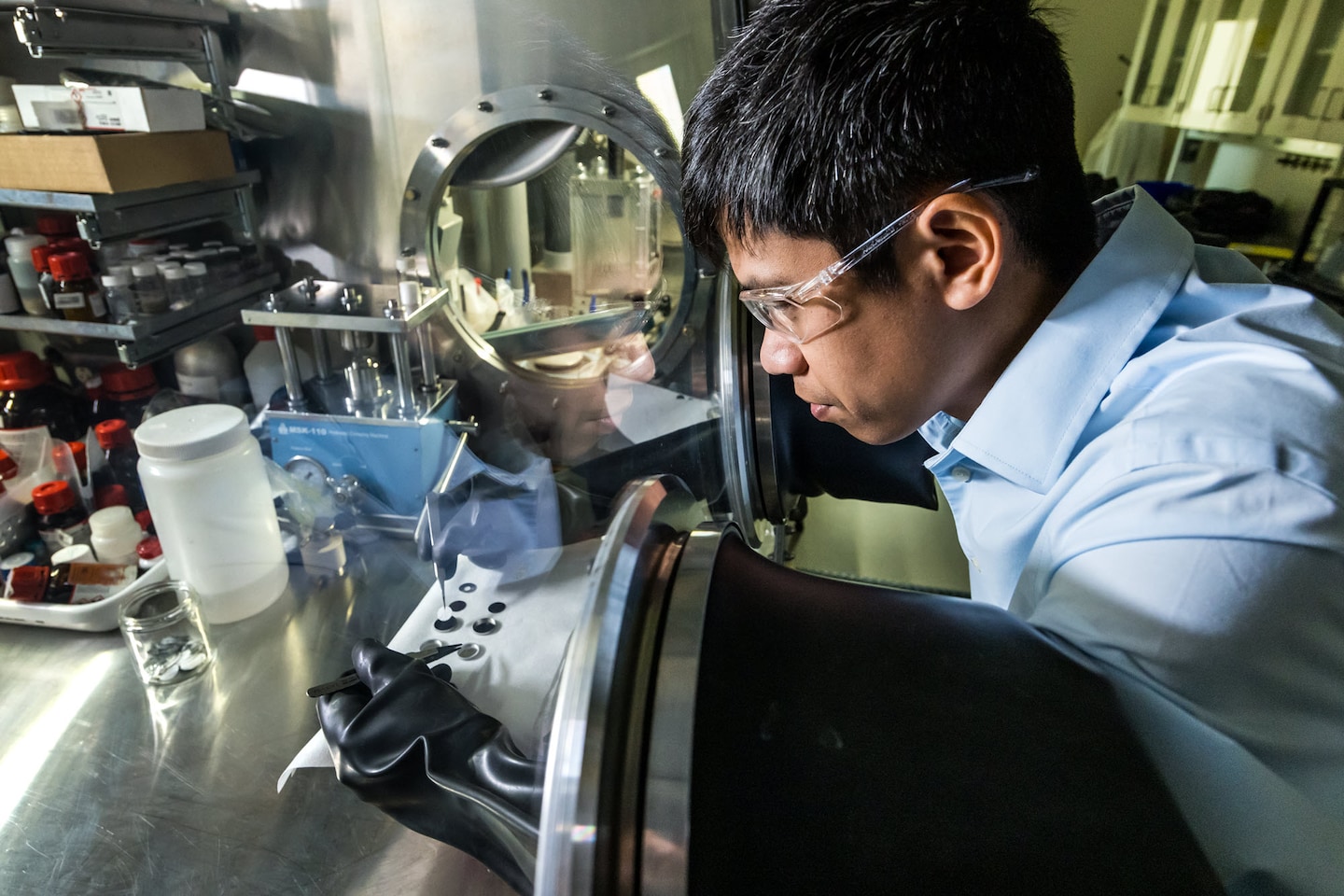
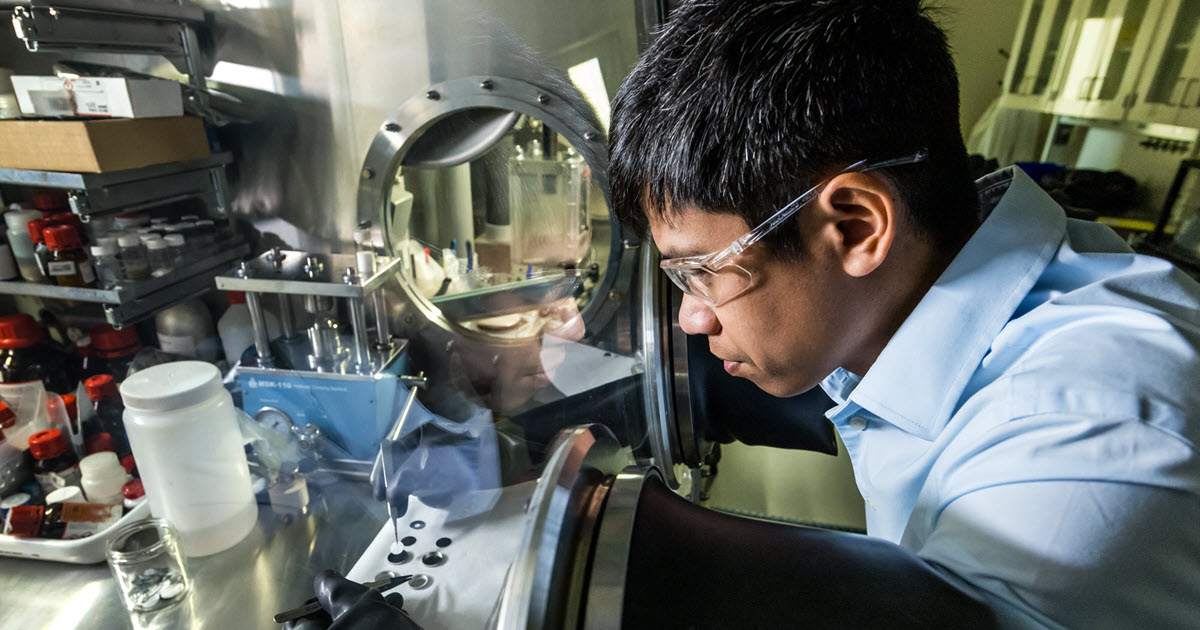
Microsoft's team of scientists used artificial intelligence and high-performance computing to rapidly screen 32.6 million possible battery materials in 80 hours, leading to the discovery of new materials with less lithium. This breakthrough could pave the way for a new generation of batteries that are less dependent on toxic lithium, with potential applications in combating climate change, improving battery efficiency, and addressing environmental challenges. The project, in collaboration with the Pacific Northwest National Laboratory, demonstrates the power of AI and high-performance computing in revolutionizing materials science and accelerating innovation.
Microsoft and the Pacific Northwest National Laboratory are collaborating to use advanced AI and high-performance computing to accelerate scientific discovery, particularly in chemistry and materials science. By leveraging AI and HPC tools, they were able to identify a new battery material in just 80 hours, a process that would have taken years using traditional methods. This breakthrough paves the way for faster solutions to urgent sustainability and pharmaceutical challenges, offering a glimpse of the potential advances with quantum computing. The collaboration aims to revolutionize scientific discovery and accelerate the development of new materials with broad applications and accessibility.
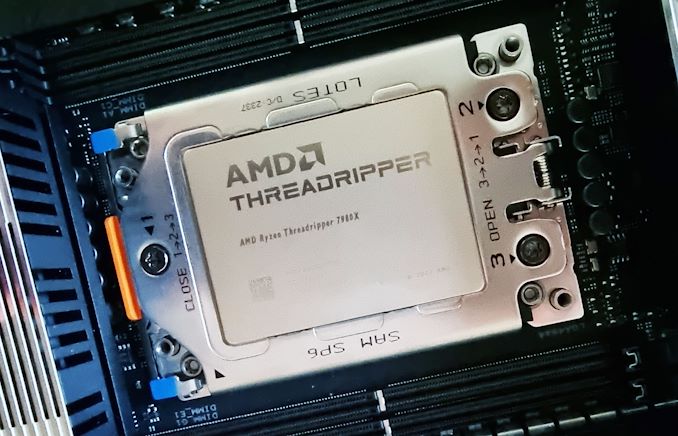
AMD has released its Ryzen Threadripper 7000 series processors, targeting the high-end desktop (HEDT) market with more cores and improved performance. The lineup includes the top-end 7980X with 64 cores, the mid-tier 7970X with 32 cores, and the entry-level 7960X with 24 cores. These processors are designed for demanding multi-threaded applications and offer features such as quad-channel DDR5 memory support and up to 48 PCIe 5.0 lanes. The Threadripper 7000 series aims to cater to professionals and enthusiasts who require more processing power than standard desktop CPUs can provide.
HP Enterprise reported strong earnings, fueled by robust growth in its networking business and rising demand for high-performance computing and generative artificial intelligence hardware and services.
The fusion of high-performance computing and biophysical research is driving revolutionary discoveries in biology, with next-generation supercomputers and AI tools playing crucial roles. The integration of computational modeling and experimental biophysics is enabling biophysicists to challenge assumptions, illuminate intricate details, and even design novel molecular circuits. The advent of exascale supercomputers, such as Frontier, coupled with the proliferation of AI tools tailored for biophysics, is bridging the gap between simulation and observation, paving the way for unprecedented discoveries and reshaping our understanding of the biological world.
The Center for Advanced Systems Understanding and Sandia National Laboratories have developed Materials Learning Algorithms (MALA), a machine learning-based simulation method that outperforms traditional techniques by integrating machine learning with physics algorithms. MALA provides a significant speedup for smaller systems and the ability to accurately simulate large-scale systems of over 100,000 atoms. This innovation has the potential to revolutionize applied research in fields such as drug design and energy storage, and is highly compatible with high-performance computing systems.
The Cleveland Clinic has unveiled the IBM Quantum System One, the first quantum computer in the world dedicated to healthcare research. The Clinic will use the most advanced computational platform in the world to advance discoveries in medicine and health care, identify new medicines and treatments more quickly, and create jobs in technology. The IBM Quantum System One is the first private sector IBM-managed quantum computer in the United States. The Clinic and IBM have a 10-year partnership called the Discovery Accelerator, focused on advancing biomedical research through the use of high-performance computing, artificial intelligence and quantum computing.