Building and maintaining cognitive reserve through lifelong intellectual activities, social engagement, and cognitive training can help preserve mental sharpness and resist age-related cognitive decline, supported by recent neuroscientific research and practical interventions.
A 10-week study shows that mental exercises can increase acetylcholine levels in the brain of older adults, potentially reversing age-related decline in decision-making and memory functions, similar to effects seen in early Alzheimer's treatments.
Maintaining mental sharpness with age is achievable by developing and engaging in activities that build cognitive reserve, such as lifelong learning, social interactions, and cognitively stimulating leisure activities, which can enhance brain resilience and flexibility through neuroplasticity. Recent research emphasizes that cognitive reserve is dynamic and can be strengthened at any age, offering promising strategies for healthy aging.
Mental fitness is now recognized as essential for high performance, with training methods like neuroplasticity exercises, sleep optimization, stress management, and cognitive training becoming mainstream among athletes and professionals to enhance focus, resilience, and overall performance.
Researchers at Case Western Reserve have identified social inference—the ability to interpret social cues—as a key target for treating early-stage schizophrenia. Strengthening this skill through structured social training programs could improve functional recovery, prevent long-term disability, and offer a personalized approach beyond traditional medication, especially when implemented early during adolescence.
Maintaining good cognitive health with age is achievable by developing and sustaining cognitive reserve through lifelong activities like education, social interactions, learning new skills, and engaging in cognitively stimulating leisure activities, which can strengthen brain resilience and flexibility, thereby delaying or preventing cognitive decline.
A new study published in Psychology of Sport and Exercise suggests that combining brain games with exercise, known as brain endurance training (BET), can significantly enhance cognitive and physical performance in older adults. Originally developed for athletes, BET involves cognitive tasks followed by physical exercise, improving attention, executive function, and physical endurance. The study found that older adults engaging in BET showed greater improvements in cognitive and physical performance compared to those who only exercised or did neither. BET could potentially reduce the risk of falls and accidents in older adults.
Research suggests that cognitively stimulating activities like crosswords and brain training games may help delay cognitive decline and dementia, but evidence is mixed. While some studies show potential benefits, such as improved cognitive abilities and delayed memory decline, the link between these activities and reduced dementia risk is not definitively proven. The concept of 'cognitive reserve' suggests that mental exercises could build resilience against dementia, but more research is needed to confirm these effects. Experts agree that such activities are generally beneficial, though the effectiveness of paid brain training programs is debated.
A small clinical trial conducted in Nebraska found that the use of a computer-based program called BrainHQ led to significant improvements in cognitive test scores among people with multiple sclerosis (MS). The study included 52 adults with relapsing-remitting MS who underwent cognitive training with BrainHQ for six weeks. The results showed that the participants who underwent the BrainHQ training had significantly better cognitive function compared to the control group. The findings suggest that computerized cognitive training with BrainHQ could be a valuable option for MS patients experiencing cognitive decline.
Prior training in rats has been found to enhance memory functions and task performance in old age, suggesting the potential benefits of early cognitive training in reducing cognitive decline later in life. A recent study conducted by researchers from the University of Edinburgh explored the impact of prior training on cognitive aging and found that it improved cognition by facilitating task performance, strengthening short-term and intermediate memory, and enabling encoding-boosted long-term memory. The study suggests that there is a selective impairment in encoding for long-term memory formation in early aging and an additional impairment in consolidation in later aging. These findings provide insights into the processes affected by aging and highlight the importance of cognitive training for maintaining cognitive function in old age.
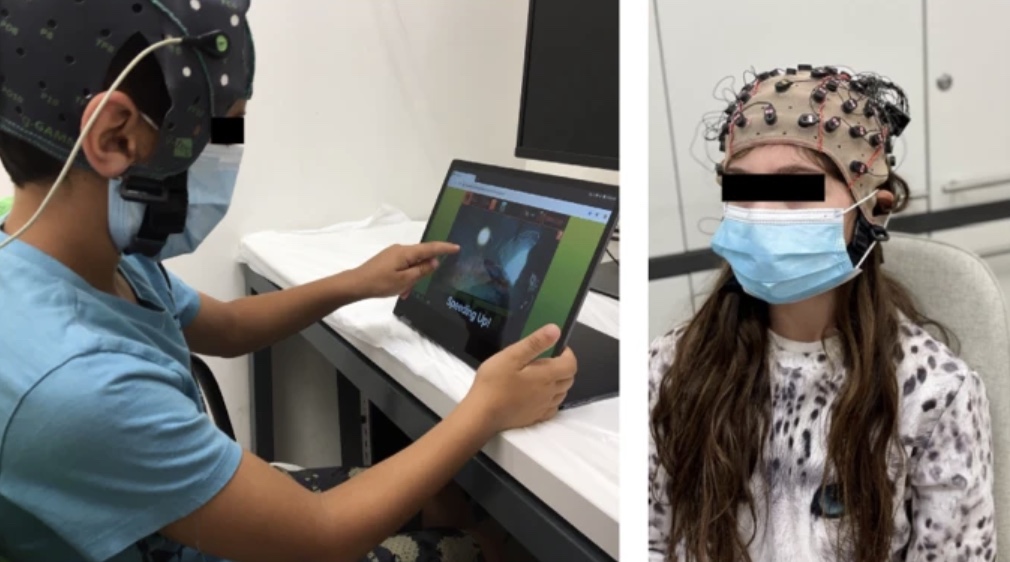
A breakthrough in treating attention-deficit/hyperactivity disorder (ADHD) has been discovered through a clinical trial involving brain stimulation combined with cognitive training. The study found that after two weeks, 55% of children with ADHD showed significant clinical improvements in their symptoms compared to the control group. The improvements were maintained at three weeks post-trial, and participants also had changes in their brain electrical activity patterns. Further research and trials are needed, but this non-pharmacological intervention has the potential to transform the lives of children with ADHD and provide an alternative to medication.
A study published in JAMA Network Open found that a multidomain intervention consisting of progressive aerobic-resistance exercises, cognitive training, and vitamin D supplementation may significantly improve cognitive impairment in older adults with mild cognitive impairment (MCI), also known as mild dementia. The study showed that exercise alone or vitamin D supplementation did not clinically improve cognition. However, the combination of exercise and cognitive training demonstrated greater benefits in improving global cognition compared to exercise alone. The findings suggest that nonpharmacologic interventions administered during the MCI stage may delay the onset of dementia.
Research has shown that the brain starts to age in youth and midlife, much earlier than previously thought. Early prevention and intervention in young and midlife adults may be crucial to prevent and ease the burden of age-related disorders like Alzheimer’s. Mindfulness, exercise, nutrition, and cognitive training can induce positive functional and structural brain changes. Federal agencies and organizations should increase funding opportunities to support early prevention and intervention research.
A study published in Schizophrenia found that individuals infected with Toxoplasma gondii, a single-celled parasite, showed worse verbal memory, learning, and social cognition compared to those not infected. However, cognitive training exercises had similar effects on both groups, and there were no differences in the severity of schizophrenia symptoms. The study sheds light on the consequences of infection with Toxoplasma gondii, which is listed as one of the factors increasing the risk of schizophrenia.