Tag

Dental Hygiene

All articles tagged with #dental hygiene

Dentists Reveal Whether to Floss Before or After Brushing

Originally Published 2 months ago — by AOL.com

Featured image for Dentists Reveal Whether to Floss Before or After Brushing
Source: AOL.com

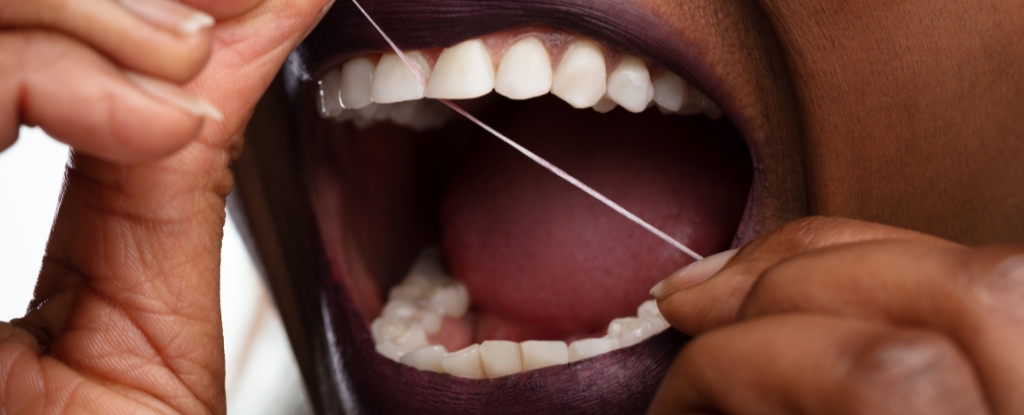
Dentists recommend flossing before brushing to effectively remove debris and plaque, allowing fluoride from toothpaste to better strengthen teeth and improve oral health. Flossing first dislodges particles from between teeth, making brushing more effective, especially when done at night as part of a daily routine. The best flossing tool is the one you will use consistently, whether traditional floss, picks, or water flossers.

Dentists Warn: Hidden Signs of Gum Disease You Must Watch For

Originally Published 4 months ago — by HuffPost

Featured image for Dentists Warn: Hidden Signs of Gum Disease You Must Watch For
Source: HuffPost

Gum disease, including gingivitis and periodontitis, is common but preventable with proper oral hygiene like brushing and flossing. Signs include bleeding, red or swollen gums, bad breath, and tooth shifting. Early treatment can reverse gingivitis, while advanced cases require professional cleaning and possibly specialist care. Maintaining regular dental visits and good hygiene can prevent serious health issues linked to gum disease.

Dentists Uncover the Best Morning Toothbrushing Time

Originally Published 5 months ago — by AOL.com

Featured image for Dentists Uncover the Best Morning Toothbrushing Time
Source: AOL.com

Dentists recommend brushing your teeth immediately after waking up to remove overnight plaque and bacteria, and waiting about 30 minutes after breakfast to brush again, especially if consuming acidic foods or drinks. Proper technique, flossing, and regular dental visits are essential for maintaining oral and overall health, which can also benefit heart, lung, and brain health.

Dentists Suggest Easier Alternatives to Flossing

Originally Published 5 months ago — by The New York Times

Featured image for Dentists Suggest Easier Alternatives to Flossing
Source: The New York Times

Many dental professionals are now recommending interdental brushes as a more effective and easier alternative to floss for cleaning between teeth, especially since flossing is often neglected and less effective at removing plaque and bacteria. The American Dental Association suggests choosing the interdental cleaning method that individuals will use regularly, with evidence indicating that interdental brushes can reduce gum inflammation better than floss. Ultimately, the best tool is the one that a person will consistently use for oral health.

The Surprising Connection Between Oral Hygiene and Heart Health

Originally Published 5 months ago — by HuffPost UK

Featured image for The Surprising Connection Between Oral Hygiene and Heart Health
Source: HuffPost UK

A preliminary study suggests that regular flossing may significantly reduce the risk of stroke and improve heart health by reducing inflammation and gum disease, although more research is needed. Despite its benefits, only 31% of Brits floss daily, highlighting a widespread neglect of this simple, affordable habit that could contribute to better overall health.

RFK Jr.'s Dental Dilemma: What's the Story?

Originally Published 6 months ago — by Slate Magazine

Featured image for RFK Jr.'s Dental Dilemma: What's the Story?
Source: Slate Magazine

RFK Jr. has expressed anti-fluoride views, which could lead to more cavities and dental health issues, especially affecting vulnerable populations. Analyzing his dental health, he appears to maintain decent oral hygiene, but his stance on fluoride raises concerns about public health impacts, particularly for low-income communities. The article highlights the importance of fluoride in preventing dental decay and the potential consequences of banning it.

"Protecting Your Heart and Mind: The Link Between Oral Health and Overall Well-being"

Originally Published 1 year ago — by Yahoo Finance

Featured image for "Protecting Your Heart and Mind: The Link Between Oral Health and Overall Well-being"
Source: Yahoo Finance

The connection between oral health and overall health is significant, with research showing links to conditions like diabetes, Alzheimer's, stroke, and heart disease. Neglecting oral health can lead to tooth decay and gum disease, which can contribute to arterial plaque disruption and inflammation in the body. Maintaining good oral hygiene is crucial for preventing not only dental issues but also serious health conditions. Prevention and education are key, with recommendations including regular brushing and flossing, dental check-ups, and avoiding sugary drinks and tobacco. Access to dental care and awareness of oral health's impact on overall well-being are important for addressing the oral health crisis.

"Enhancing Oral Health with All-Natural Ingredients"

Originally Published 1 year ago — by Hindustan Times

Experts emphasize the benefits of natural ingredients such as neem, tea tree oil, charcoal, and bentonite clay in enhancing oral health and dental hygiene, attributing their antibacterial and antioxidant properties as well as their gentleness on teeth and gums. The trend towards natural oral care reflects a shift in prioritizing holistic dental care and a cleaner, greener approach to oral health, with a growing interest in fluoride-free alternatives enriched with natural elements and the use of organic essential oils and herbal extracts in toothpaste and mouthwash formulations.

The Surprising Cause of Former NFL Player Mike Williams' Death

Originally Published 2 years ago — by FOX 13 Tampa

Featured image for The Surprising Cause of Former NFL Player Mike Williams' Death
Source: FOX 13 Tampa

Former Tampa Bay Buccaneers wide receiver Mike Williams may have died from a combination of factors related to his overall health, including dental hygiene issues. The cause of death report listed bacterial sepsis, cerebral abscesses, necrotizing pneumonia, and retained tooth roots as contributing factors. Williams may have needed extractions that were never done, leading to infections that spread through his bloodstream. Heart disease also played a role. The report did not specify the extent to which his head injury contributed to his death. The Tampa Police Department is investigating the possibility of criminal involvement regarding prescription drugs. Williams played for the Buccaneers and the Bills, with a successful career in the NFL.

"Dentists Reveal 9 Taboos for Perfect Teeth"

Originally Published 2 years ago — by HuffPost

Featured image for "Dentists Reveal 9 Taboos for Perfect Teeth"
Source: HuffPost

Dentists advise against chewing ice, biting nails, using teeth to open bags or bottles, eating sticky candies, and consuming excessive amounts of alcohol. They also recommend using toothbrushes with soft bristles, avoiding smoking, maintaining daily dental hygiene, and not skipping dentist appointments. These habits can help prevent tooth damage, cavities, gum disease, and other oral health issues. The frequency of dental checkups should be tailored to individual patients based on their dental history and risk factors.

The Dentist's Recommendation: How Often to Replace Your Toothbrush

Originally Published 2 years ago — by CBS News

Featured image for The Dentist's Recommendation: How Often to Replace Your Toothbrush
Source: CBS News

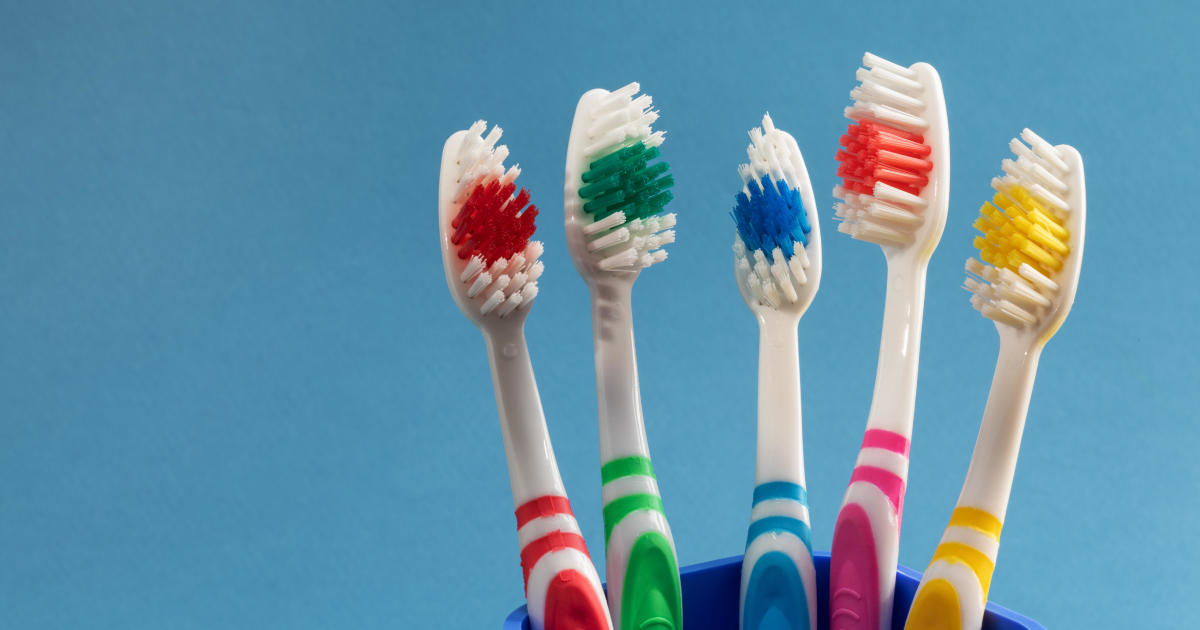
Dentist Dr. Kevin Sands recommends replacing your toothbrush every three to four months to ensure effective bristles and minimal bacteria accumulation. The American Dental Association advises replacing it sooner if the bristles are visibly matted or frayed. After recovering from an illness, it's best to start with a new toothbrush to eliminate lingering bacteria. To maintain toothbrush hygiene, rinse it with hot water after each use and store it in a clean, dry place without using caps or covers that can trap microbes. If sharing a bathroom, avoid contact between toothbrushes to prevent the spread of bacteria.

Breakthrough Discovery: Natural Molecule Eliminates Plaques and Cavities by 90%

Originally Published 2 years ago — by SciTechDaily

Featured image for Breakthrough Discovery: Natural Molecule Eliminates Plaques and Cavities by 90%
Source: SciTechDaily

Scientists have discovered that a naturally occurring molecule called DIM can reduce biofilms responsible for dental plaque and cavities by 90%. The molecule, also known as bisindole, disrupts the biofilm that coats teeth and prevents the growth of bacteria like Streptococcus mutans. Adding DIM to toothpaste and mouthwash could significantly improve dental hygiene. The molecule also has anti-carcinogenic properties. The research was conducted by scientists from Ben-Gurion University of the Negev, Sichuan University, and the National University of Singapore.

Unveiling the Silent Threat in our Oral Cavity

Originally Published 2 years ago — by Yahoo! Voices

Featured image for Unveiling the Silent Threat in our Oral Cavity
Source: Yahoo! Voices

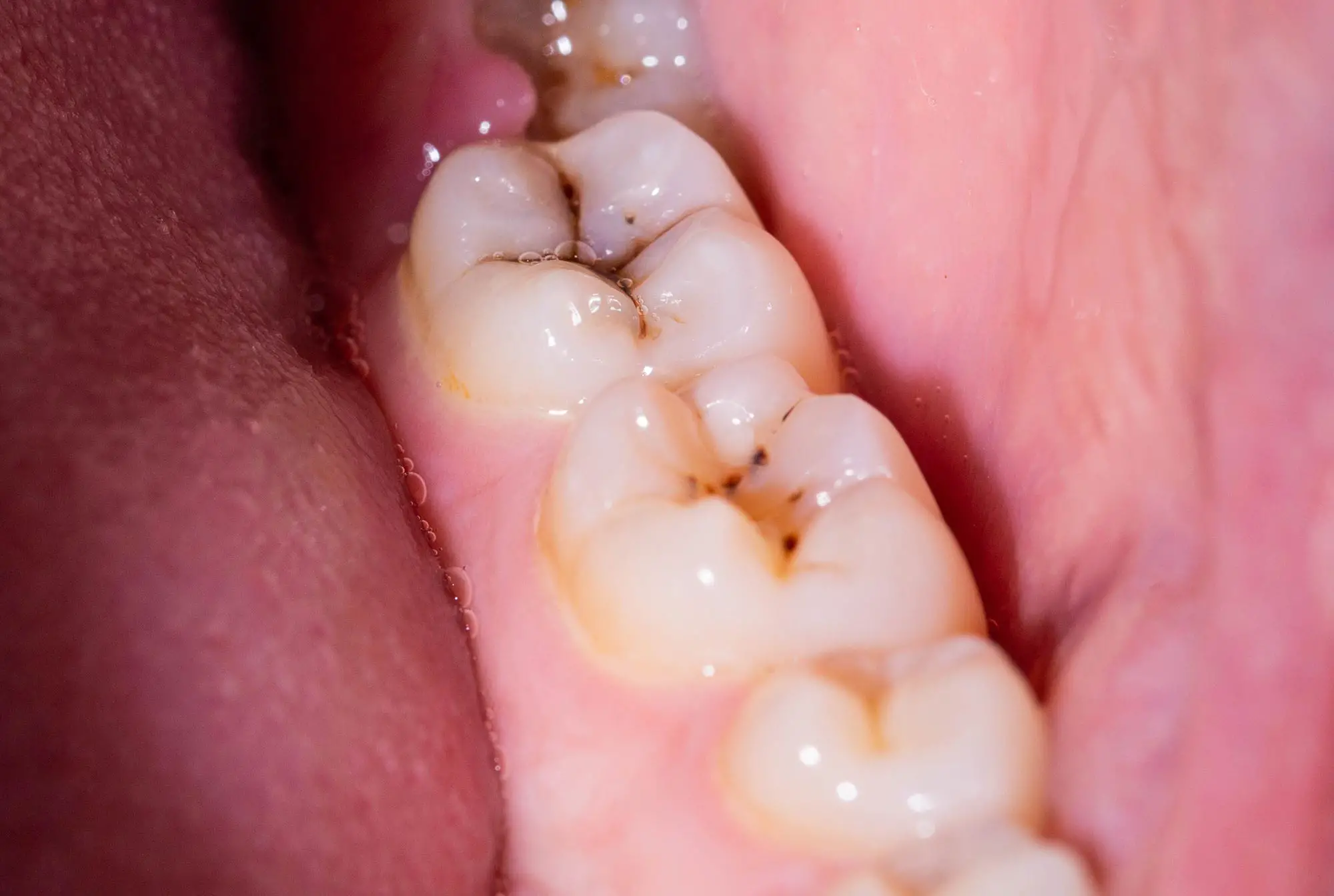
Nearly half of American adults over the age of 30 show signs of gum disease, with 9% having severe gum disease. Gum disease, if left untreated, can lead to tooth loss and has been linked to other health conditions such as dementia, diabetes, and heart disease. Good oral hygiene, including regular brushing and flossing, is crucial in preventing gum disease. Gingivitis, the early stage of gum disease, is characterized by inflammation of the gums and can be diagnosed by dentists. If left untreated, gingivitis can progress to advanced periodontal disease, causing receding gums, tooth sensitivity, and even tooth loss. Regular dental cleanings and professional treatments are necessary to manage and prevent further gum and bone loss.

The Surprising Link Between Dental Hygiene and Cognitive Decline

Originally Published 2 years ago — by ScienceAlert

Featured image for The Surprising Link Between Dental Hygiene and Cognitive Decline
Source: ScienceAlert

A study conducted in Japan has found a link between tooth loss, gum disease, and shrinkage in the hippocampus, a region of the brain associated with memory and Alzheimer's disease. The research suggests that preserving the health of teeth is not only important for oral health but also for brain health. The study, which involved 172 participants aged 55 and older, found that individuals with mild gum disease and fewer teeth experienced faster brain shrinkage, while those with severe gum disease and more teeth also showed accelerated brain shrinkage. The findings highlight the need for regular dental visits and better oral care to potentially reduce the risk of cognitive decline.

The Surprising Non-Dietary Habit That Boosts Gut Health

Originally Published 2 years ago — by EatingWell

Featured image for The Surprising Non-Dietary Habit That Boosts Gut Health
Source: EatingWell

Research suggests that oral health and gut health are closely connected. The bacteria in our mouths, known as the oral microbiome, can impact our overall body health, including our gut health. Poor oral hygiene can increase the risk of diseases within the gastrointestinal tract. Conversely, an unhealthy gut can lead to dental issues such as plaque buildup, tooth decay, and gum disease. Maintaining a healthy gut and oral health requires a balanced diet, proper oral hygiene practices, regular dental checkups, and sufficient sleep. Brushing, flossing, tongue scraping, and consuming a diverse diet are key to supporting both gut and oral health.